

Infant Day: Essential Guide for Home Childcare Providers
Caring for infants in a home childcare setting requires thoughtful planning, patience, and a deep understanding of developmental needs. An infant day involves much more than simply supervising babies-it encompasses carefully structured routines, nutritious feeding schedules, safe sleep practices, and age-appropriate stimulation that supports healthy growth. For home childcare providers, mastering the elements of a successful infant day creates the foundation for quality care that parents trust and babies thrive within. This comprehensive guide explores the essential components that make each infant day safe, nurturing, and developmentally beneficial.
Understanding Infant Day Care Requirements
Home childcare providers must navigate numerous regulatory requirements and best practices when caring for infants. Each infant day should align with state and federal guidelines that prioritize safety and developmental appropriateness.
Health and safety standards form the cornerstone of quality infant care. The federal health and safety requirements mandate specific protocols for sanitation, emergency preparedness, and infant care practices. Home childcare providers need to maintain current certifications in infant CPR, first aid, and safe sleep practices.
Group size and ratios significantly impact the quality of care during an infant day. Research consistently shows that smaller groups with lower child-to-caregiver ratios result in better outcomes. The components of quality infant care emphasize maintaining appropriate group sizes to ensure individualized attention.
Licensing and Compliance Considerations
- Current background checks for all adults in the home
- Updated immunization records for enrolled infants
- Documentation of daily activities and incidents
- Regular health and safety inspections
- Proper liability insurance coverage
The typical infant day in a licensed home childcare setting balances regulatory compliance with warm, responsive caregiving. Providers must document feeding times, diaper changes, sleep schedules, and developmental observations while maintaining the nurturing environment that characterizes quality home childcare.
Structuring the Morning Infant Day Routine
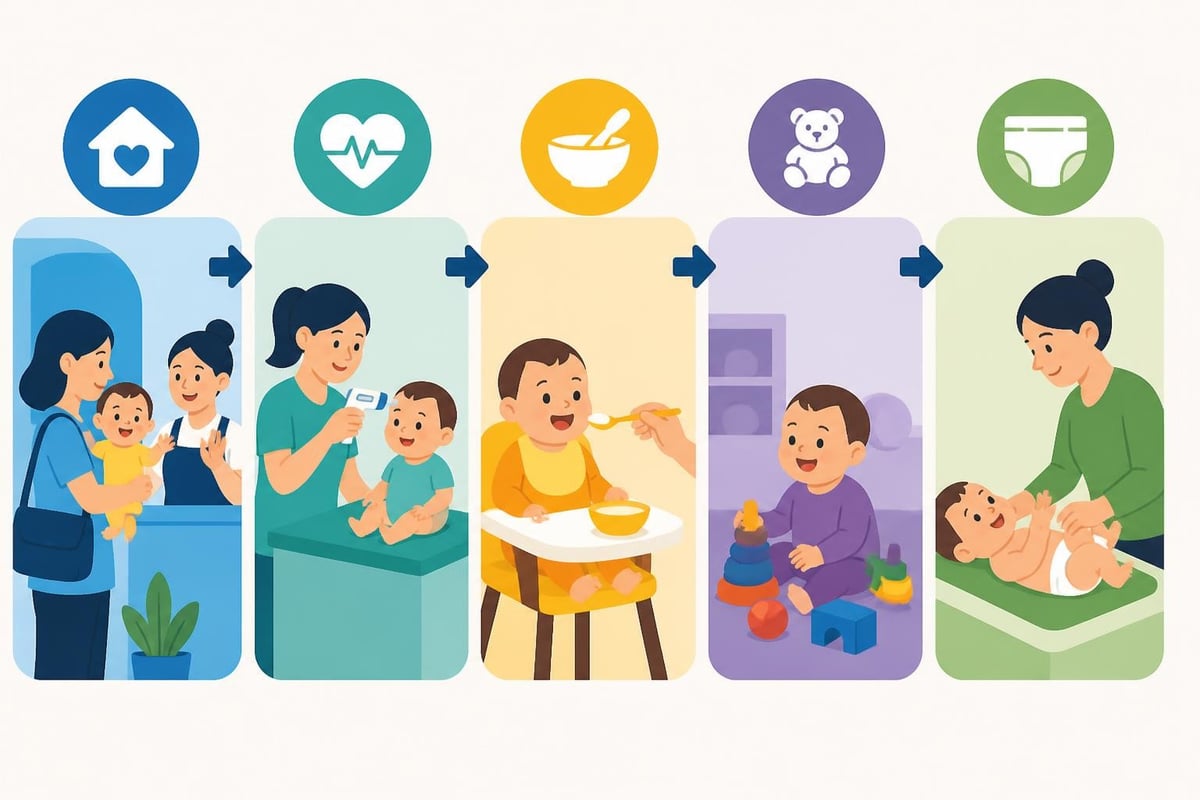
Morning hours set the tone for a successful infant day. This critical period involves greeting families, managing transitions, and establishing predictable routines that help infants feel secure.
Arrival and Transition Protocol
The morning arrival process requires careful attention to both infant and parent needs. Effective providers conduct brief health assessments, noting any changes in the infant's condition, sleep patterns from the previous night, or special instructions from parents. This communication ensures continuity of care throughout the infant day.
Morning feeding schedules vary based on age and individual needs. Younger infants typically require feeding every 2-3 hours, while older infants may follow a more predictable schedule. The CDC’s guidance on healthy infant feeding emphasizes supporting breastfeeding mothers and following responsive feeding practices.
| Infant Age | Typical Morning Feedings | Feeding Method |
|---|---|---|
| 0-3 months | Every 2-3 hours | Breast milk or formula |
| 4-6 months | Every 3-4 hours | Breast milk, formula, introducing solids |
| 7-12 months | 3 meals plus snacks | Combination feeding with table foods |
Morning playtime during an infant day focuses on tummy time, sensory exploration, and language-rich interactions. Even brief periods of floor play support motor development and cognitive growth when caregivers actively engage with infants.
Implementing Safe Sleep Practices
Sleep occupies a substantial portion of every infant day, making safe sleep practices absolutely essential for home childcare providers. Infants require multiple naps throughout the day, with younger babies sleeping 14-17 hours total and older infants sleeping 12-15 hours across day and night.
The safe sleep policy guidelines provide comprehensive standards that all home childcare providers should implement. These practices significantly reduce the risk of Sudden Infant Death Syndrome (SIDS) and other sleep-related infant deaths.
Essential Safe Sleep Requirements
- Always place infants on their backs for sleep
- Use firm, flat sleep surfaces with fitted sheets only
- Keep cribs free of blankets, pillows, toys, and bumper pads
- Maintain room temperature between 68-72°F
- Never place infants on couches, adult beds, or soft surfaces
- Ensure continuous visual supervision during sleep times
Many parents seeking infant care programs prioritize providers who strictly follow safe sleep protocols. Creating a dedicated sleep space within the home that meets all safety standards demonstrates professional commitment to infant wellbeing.
Documentation of sleep times during each infant day helps providers track patterns and communicate effectively with families. Recording when each infant sleeps, how long they sleep, and any unusual observations supports both developmental monitoring and parental peace of mind. Additional resources on safe infant sleep practices offer valuable guidance for maintaining the highest safety standards.
Feeding and Nutrition Throughout the Day
Feeding represents one of the most important aspects of any infant day. Home childcare providers must accommodate various feeding methods, dietary restrictions, and individual infant preferences while maintaining nutritional quality and safety.
Breast Milk and Formula Management
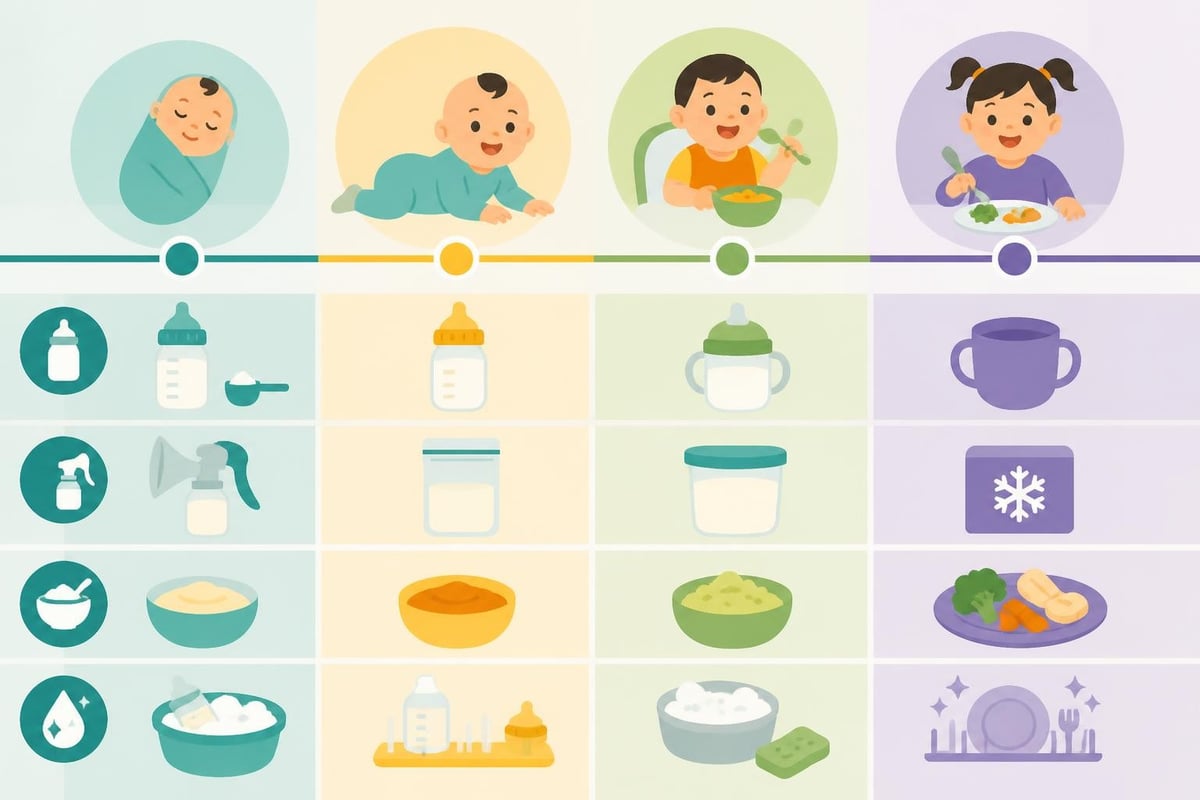
Proper handling of breast milk and formula requires meticulous attention to safety. Breast milk must be stored in clearly labeled bottles with dates and times, refrigerated immediately upon arrival, and used within specific timeframes. Formula preparation demands precise measurement and temperature control to ensure infant safety.
Storage guidelines for an infant day:
- Refrigerated breast milk: Use within 4 days
- Previously frozen breast milk: Use within 24 hours after thawing
- Prepared formula: Use within 2 hours at room temperature
- Refrigerated prepared formula: Use within 24 hours
- Leftover milk from feeding: Discard after 1-2 hours
Introducing solid foods marks a significant milestone during the infant day for babies aged 4-6 months and older. Home childcare providers should follow parental guidance on which foods to introduce and watch carefully for allergic reactions. Single-ingredient foods introduced one at a time help identify potential allergies.
Responsive Feeding Practices
Quality infant education includes teaching responsive feeding techniques. This approach involves recognizing and responding to infant hunger and fullness cues rather than adhering rigidly to predetermined amounts or schedules. Hungry infants may:
- Bring hands to mouth
- Turn head toward breast or bottle
- Make sucking motions
- Become fussy or cry
Fullness cues include turning away from food, closing mouth, decreasing eating pace, or becoming easily distracted. Respecting these signals during every infant day promotes healthy eating habits and self-regulation skills.
Creating Developmentally Appropriate Activities
An enriching infant day balances rest, feeding, and purposeful activities that support cognitive, physical, social, and emotional development. Home childcare providers can integrate learning opportunities throughout daily routines without requiring elaborate setups or expensive materials.
Age-Appropriate Activity Categories
| Age Range | Physical Activities | Cognitive Activities | Social-Emotional Activities |
|---|---|---|---|
| 0-3 months | Tummy time, reaching for objects | High-contrast visual stimulation, music | Face-to-face interaction, cuddling |
| 4-6 months | Rolling practice, sitting support | Exploring textures, cause-effect toys | Mirror play, peek-a-boo |
| 7-9 months | Crawling encouragement, pull-to-stand | Object permanence games, container play | Parallel play, separation games |
| 10-12 months | Cruising, first steps, climbing | Shape sorters, simple puzzles | Imitation games, book sharing |
The infant day should include outdoor time whenever weather permits. Fresh air, natural light, and exposure to different sensory experiences benefit infant health and development. Even young babies can participate in supervised outdoor time in strollers, carriers, or on blankets.
Language development activities enrich every infant day interaction. Narrating daily routines, singing songs, reading board books, and engaging in back-and-forth "conversations" with infants all support early language acquisition. These interactions require no special materials-just engaged, responsive caregivers who prioritize communication.
Managing Diapering and Hygiene
Diapering occupies significant time during an infant day, with newborns requiring 10-12 changes daily and older infants needing 6-8 changes. Proper hygiene during diapering protects infant health and prevents disease transmission in group care settings.
Diapering Best Practices
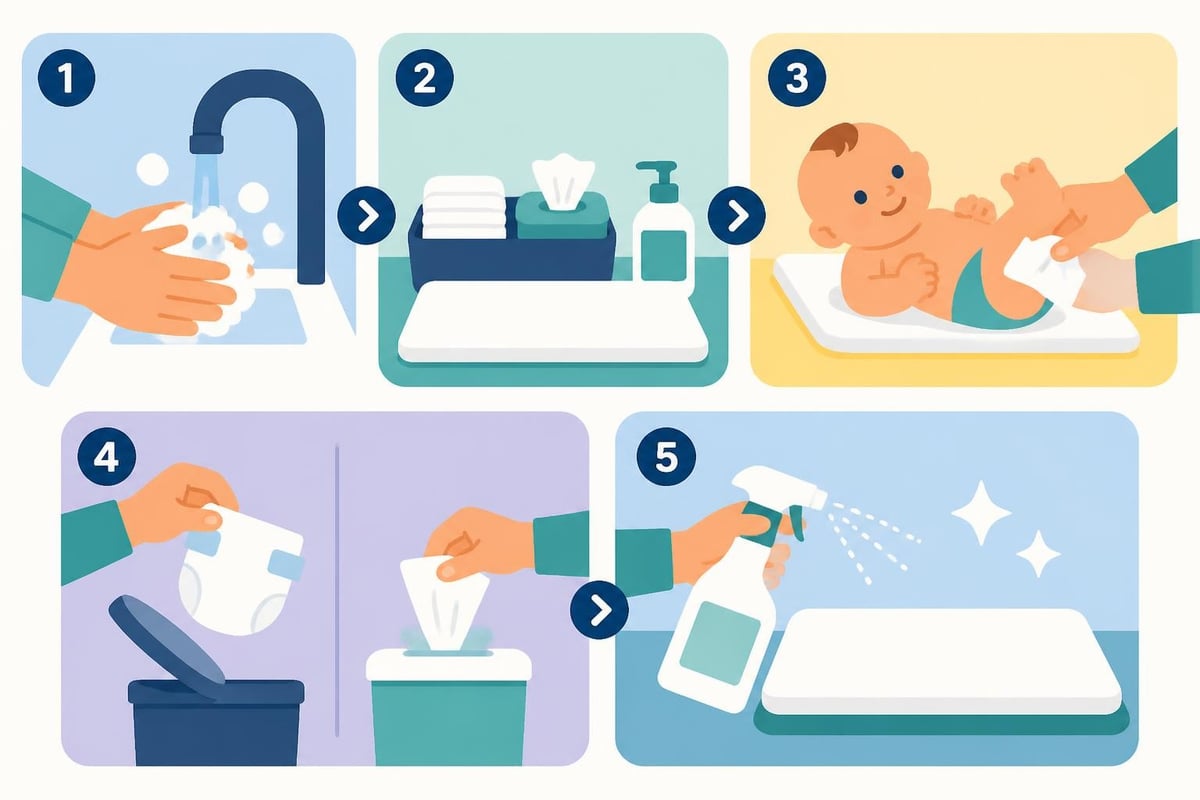
Establishing a sanitary diapering routine protects all children in care. The diaper changing area should be easily cleanable, located away from food preparation spaces, and equipped with all necessary supplies within arm's reach.
- Gather all supplies before beginning
- Never leave infants unattended on changing surfaces
- Clean infant thoroughly from front to back
- Sanitize changing surface after each use
- Wash hands thoroughly after each diaper change
- Dispose of diapers in sealed containers
Diaper rash prevention and treatment forms part of quality infant day care. Frequent changes, gentle cleaning, adequate air exposure, and barrier creams (with parental permission) help maintain healthy skin. Providers should document and report persistent or severe diaper rash to parents.
Afternoon and Evening Infant Day Components
The afternoon portion of an infant day typically includes additional feedings, afternoon naps, continued play opportunities, and preparation for family pickup. Energy levels may vary, requiring flexibility in planned activities.
Afternoon naps often provide the longest sustained sleep period for many infants. Maintaining consistent nap routines helps regulate infant sleep patterns and supports nighttime sleep at home. Darkened rooms, white noise, and familiar sleep cues create optimal conditions for restorative rest.
Transition to Home
The end of the infant day requires thoughtful transition planning. Parents appreciate detailed information about their infant's activities, feeding, sleep, and any notable observations. Many providers in Springfield childcare settings use daily report sheets or apps to document:
- Total sleep duration and timing
- All feedings with amounts consumed
- Diaper changes and bowel movements
- Activities and developmental observations
- Mood and behavior notes
- Any concerns or questions
This communication builds trust and ensures continuity between home and childcare settings. Parents seeking quality daycare for infants consistently identify detailed daily communication as a top priority.
Building Parent Partnerships
Successful infant day care depends on strong partnerships between providers and families. Open communication, mutual respect, and shared commitment to infant wellbeing create the foundation for effective collaboration.
Regular communication extends beyond daily reports. Providers should schedule periodic conferences to discuss developmental progress, address concerns, and align care practices between home and childcare. These conversations strengthen relationships and ensure consistent approaches to feeding, sleep, and behavior management.
Partnership-building strategies include:
- Welcoming parent visits and involvement
- Soliciting parental input on care preferences
- Sharing developmental observations and milestones
- Providing resources on infant development
- Respecting cultural practices and family values
- Maintaining confidentiality and professional boundaries
Parents choosing family day care educators often value the personal relationships and individualized attention available in home-based settings. These intimate environments allow providers to truly know each infant and family, adapting the infant day to meet unique needs and preferences.
Professional Development and Quality Improvement
Outstanding infant day care requires ongoing learning and quality improvement. The field of early childhood development continuously evolves, with new research informing best practices in infant care, nutrition, safety, and education.
Professional development opportunities for home childcare providers include workshops, online courses, professional organizations, and peer learning communities. Topics relevant to infant day care include:
- Child development and early learning
- Health and safety updates
- Nutrition and feeding practices
- Positive behavior guidance
- Cultural competency
- Business management for home providers
Quality rating and improvement systems in many states provide frameworks for professional growth. Providers who pursue higher quality ratings often report increased confidence, improved practices, and greater family satisfaction. Those researching quality rating systems can find valuable information about caregiver qualifications and quality indicators.
Self-Assessment and Reflection
Regular reflection on infant day practices helps providers identify strengths and growth areas. Questions to consider include:
- Am I meeting all safety requirements consistently?
- Do I respond promptly and warmly to infant needs?
- Are my activities developmentally appropriate?
- How well do I communicate with families?
- What areas of my practice need improvement?
- Am I maintaining my own wellbeing to avoid burnout?
Continuous quality improvement transforms good infant day care into exceptional care that supports optimal development and family satisfaction.
Creating Safe and Nurturing Environments
The physical environment significantly impacts the quality of each infant day. Home childcare settings offer unique advantages, including smaller group sizes, homelike atmospheres, and opportunities for mixed-age interactions that mirror family structures.
Safety remains the paramount environmental consideration. Child-proofing extends beyond basic outlet covers and cabinet locks to include securing furniture, eliminating choking hazards, maintaining proper temperatures, and ensuring constant supervision. Regular safety inspections identify potential hazards before they cause harm.
| Environmental Element | Safety Considerations | Developmental Benefits |
|---|---|---|
| Play spaces | Soft surfaces, age-appropriate toys, supervision | Motor development, exploration, learning |
| Sleep areas | Safe sleep compliance, temperature control, monitoring | Healthy rest, circadian rhythm development |
| Feeding zones | Sanitary surfaces, proper equipment, safe positioning | Positive mealtime associations, independence |
| Outdoor access | Secure boundaries, shade, age-appropriate equipment | Sensory stimulation, physical activity, nature exposure |
The nurturing quality of the environment matters equally to physical safety. Warm, responsive interactions, predictable routines, and genuine affection create secure attachments that support healthy social-emotional development throughout each infant day.
Documentation and Record-Keeping
Comprehensive documentation supports quality infant day care, regulatory compliance, and effective family communication. Home childcare providers must maintain various records while balancing paperwork demands with hands-on care responsibilities.
Essential documentation includes:
- Daily attendance records
- Feeding logs with times and amounts
- Sleep schedules and duration
- Diaper change frequency
- Developmental observations and milestones
- Incident and accident reports
- Medication administration logs
- Parent communication records
Digital tools and mobile apps increasingly help providers streamline documentation during the infant day. These technologies allow real-time updates, photo sharing, and efficient record-keeping without sacrificing time with infants.
Accurate records protect both providers and families. In case of disputes, allergic reactions, developmental concerns, or regulatory audits, thorough documentation provides essential information and demonstrates professional care standards.
Creating exceptional infant day experiences in home childcare settings requires dedication, knowledge, and genuine commitment to infant wellbeing. By implementing safe sleep practices, maintaining nutritious feeding schedules, providing developmentally appropriate activities, and building strong family partnerships, home childcare providers offer invaluable support during the crucial first year of life. If you're seeking quality home-based care that prioritizes your infant's individual needs within a nurturing environment, Step by Step Care provides experienced, licensed infant care with the personal attention your family deserves.


