

Family Day Homes: Complete Guide for Parents in 2026
Family day homes represent a unique childcare solution that combines professional care with the warmth and comfort of a residential setting. Unlike traditional daycare centers, these licensed or registered home-based programs offer smaller group sizes, mixed-age learning environments, and a family-oriented approach that resonates with many parents seeking alternatives to institutional childcare. As families continue to prioritize personalized attention and flexible arrangements in 2026, understanding the nuances of family day homes has become increasingly important for making informed childcare decisions.
Understanding Family Day Homes and Their Structure
Family day homes operate as regulated childcare programs within a residential setting, typically in the provider's own home. These programs serve a limited number of children, creating an intimate environment that closely resembles family life while meeting professional standards for early childhood education and care.
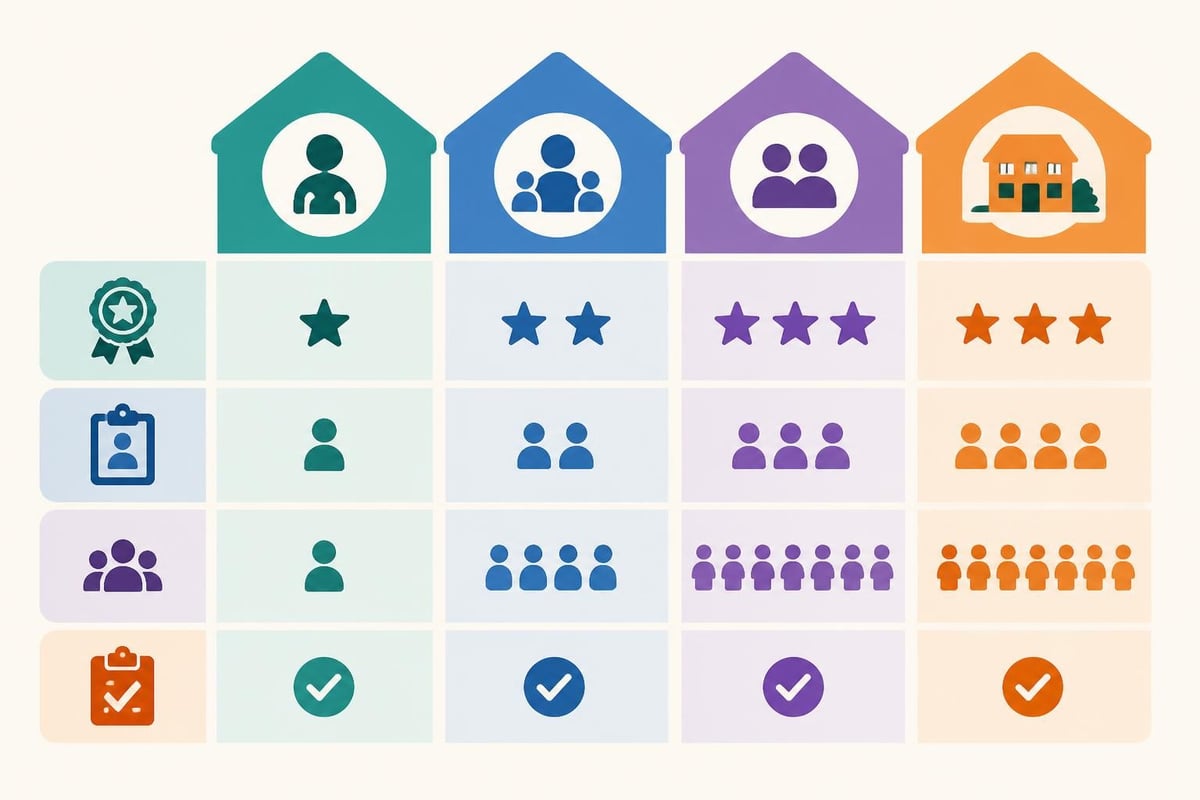
The fundamental distinction between family day homes and other childcare options lies in their capacity and location. Most states limit enrollment to between four and twelve children, depending on the provider's licensing tier and the presence of assistants. This smaller scale allows providers to develop deep, meaningful relationships with each child and family they serve.
Regulatory Framework and Licensing Requirements
Each state maintains specific regulations governing family day homes, with requirements varying significantly across jurisdictions. Virginia’s regulations for licensed family day homes outline comprehensive standards covering everything from staff qualifications to physical environment specifications, while Florida’s family day care home statutes detail distinct licensing and operational requirements.
Licensing typically falls into two categories: licensed and registered or voluntary registered programs. Licensed family day homes undergo rigorous inspection processes, background checks, and ongoing monitoring to ensure compliance with state standards. These programs must meet specific health and safety requirements, maintain appropriate child-to-provider ratios, and complete mandated training hours.
Registration requirements often apply to smaller operations caring for fewer children. Virginia’s voluntary registration requirements demonstrate how some states offer alternative pathways that still ensure basic safety standards while reducing regulatory burden for smaller providers.
Key Benefits of Choosing Family Day Homes
Parents select family day homes for numerous compelling reasons that distinguish this childcare model from center-based alternatives. The benefits extend beyond simple convenience to encompass developmental, social, and practical advantages.
Personalized Attention and Individual Care
The smaller group sizes inherent to family day homes enable providers to tailor their approach to each child's unique needs, temperament, and developmental stage. A provider caring for six children can dedicate significantly more one-on-one time than a center-based classroom with twenty students and two teachers.
This individualized attention proves particularly valuable for:
- Infants requiring responsive caregiving and feeding schedules
- Toddlers navigating developmental milestones at different paces
- Children with special needs benefiting from customized support
- Families with specific cultural or dietary preferences
Many families seeking quality infant care programs find that family day homes excel in providing the nurturing attention young babies require during their most vulnerable developmental period.
Mixed-Age Learning Environments
Unlike age-segregated classrooms typical in daycare centers, family day homes naturally create mixed-age groups that mirror sibling relationships and traditional family structures. This arrangement offers distinct developmental benefits:
For younger children:
- Observe and learn from older peers
- Develop language skills through advanced modeling
- Build confidence through mentorship relationships
- Experience natural socialization patterns
For older children:
- Practice leadership and responsibility
- Develop empathy and patience
- Reinforce their own learning by teaching younger children
- Build self-esteem through helper roles
| Age Group | Benefits of Mixed-Age Setting | Skill Development |
|---|---|---|
| Infants (0-12 months) | Exposure to varied social interactions | Sensory awareness, social observation |
| Toddlers (1-3 years) | Learning through peer modeling | Language acquisition, motor skills |
| Preschoolers (3-5 years) | Leadership opportunities | Emotional regulation, academic readiness |
Flexibility and Family-Centered Approach
Family day homes often provide greater scheduling flexibility than traditional centers, accommodating parents with non-standard work hours or varying schedules. Many providers offer extended hours, part-time arrangements, or drop-in care options that adapt to modern family needs.
The home environment naturally fosters closer provider-family partnerships. Parents often develop meaningful relationships with their provider, creating a true partnership in their child's development. This collaboration extends to home childcare philosophies that prioritize family involvement and communication.
Selecting a Quality Family Day Home
Choosing the right family day home requires careful evaluation of multiple factors beyond simple proximity and cost. Parents should approach this decision systematically, gathering information and observing programs before committing.
Essential Evaluation Criteria
When researching potential family day homes, focus on these critical elements:
Licensing and Compliance Status
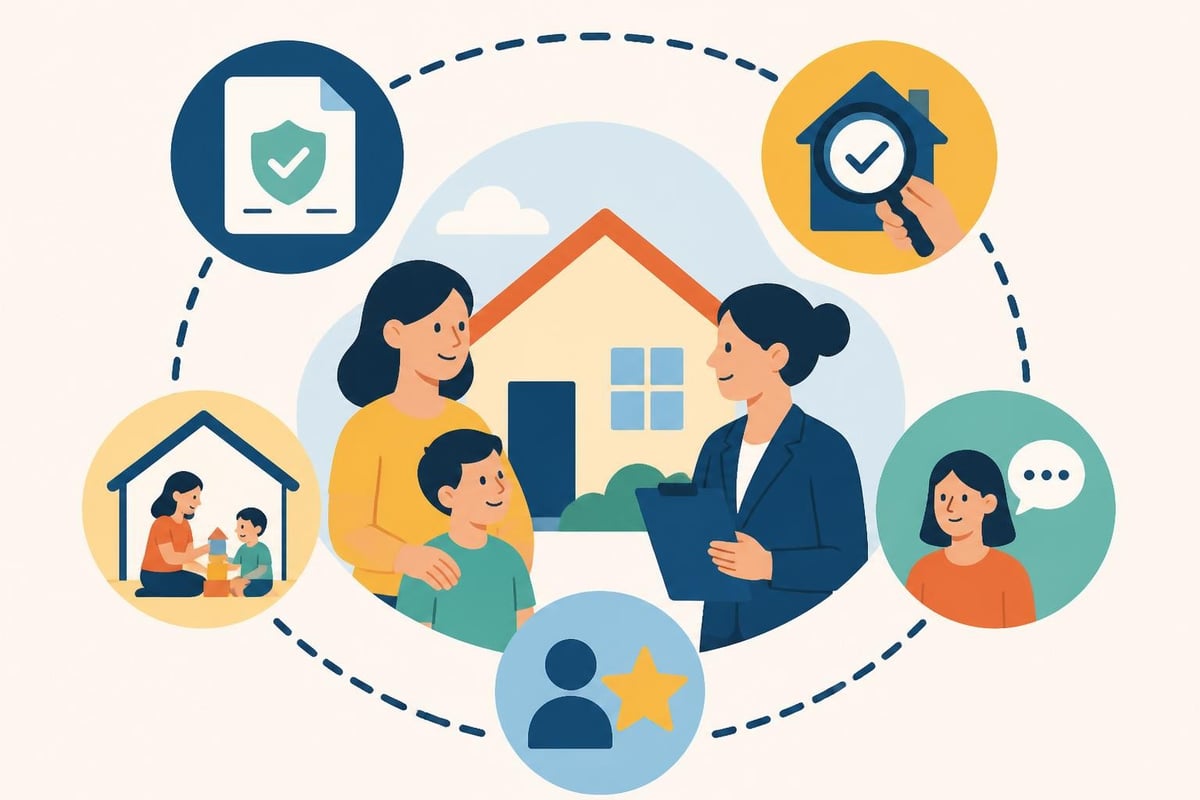
- Verify current licensing or registration with state authorities
- Review inspection reports and violation histories
- Confirm background checks for all household members
- Check liability insurance coverage
Physical Environment and Safety
- Assess childproofing measures throughout accessible areas
- Evaluate outdoor play space quality and safety features
- Examine cleanliness and maintenance standards
- Verify emergency preparedness plans and supplies
Educational Programming and Philosophy
- Understand the provider's approach to learning and development
- Review daily schedules and activity planning
- Assess availability of age-appropriate materials and resources
- Inquire about developmental assessments and communication methods
Research indicates that stability matters significantly in early childhood settings. Studies examining family day care arrangement stability demonstrate that continuity of care positively impacts child development outcomes, making provider reliability and longevity important selection factors.
Questions to Ask During Your Visit
Prepare specific questions that reveal the program's quality and compatibility with your family's needs:
- What is your educational background and childcare training?
- How do you handle discipline and behavioral guidance?
- What does a typical day look like for children in different age groups?
- How do you communicate with parents about daily activities and concerns?
- What is your policy regarding illness, emergencies, and closures?
- Can you provide references from current and past families?
- How do you incorporate learning objectives into daily activities?
- What is your backup plan if you're unable to provide care?
Parents searching for highly rated daycares near me should apply the same rigorous evaluation standards to family day homes as they would to center-based programs.
Operational Aspects and Daily Life
Understanding how family day homes function daily helps parents set realistic expectations and prepare children for this care environment.
Typical Daily Structure and Routines
While each provider establishes their own schedule, quality family day homes maintain consistent routines that provide children with security and predictability. A typical day might include:
Morning (7:00 AM – 12:00 PM)
- Arrival and free play
- Breakfast or morning snack
- Circle time with songs, stories, and calendar activities
- Structured learning activities or outdoor play
- Lunch preparation and family-style dining
Afternoon (12:00 PM – 6:00 PM)
- Quiet time or nap for younger children
- Independent play or age-appropriate activities for older children
- Afternoon snack
- Outdoor exploration or gross motor activities
- Free play and departure routines
The home setting enables more flexible transitions between activities compared to rigid center schedules, allowing providers to respond to children's emerging interests and needs throughout the day.
Nutrition and Meal Planning
Many family day homes provide all meals and snacks, preparing food in their home kitchen according to USDA Child and Adult Care Food Program (CACFP) guidelines. This approach offers several advantages:
- Fresh, home-cooked meals rather than institutional food service
- Accommodation of dietary restrictions and allergies
- Family-style dining that teaches social skills and table manners
- Exposure to diverse, nutritious foods in a comfortable setting
Providers following CACFP requirements receive reimbursement for qualifying meals, often reducing costs for families while ensuring nutritional standards.
State-Specific Considerations and Regulations
Family day home regulations vary substantially across states, affecting everything from capacity limits to training requirements. Understanding your state's specific framework helps parents identify compliant programs and know what standards to expect.
Comparative Regulatory Approaches
Different states take varying approaches to regulating family day homes, reflected in their statutory and regulatory frameworks:
California’s family day care home regulations establish distinct categories for small and large family day care homes, with different licensing procedures and operational requirements for each tier. This tiered system allows providers to start small and expand as they gain experience and resources.
New York’s regulations emphasize building safety requirements, caregiver qualifications, and detailed application procedures, reflecting the state's urban density and diverse population needs.
| State | Small Home Capacity | Large Home Capacity | Training Requirements | Inspection Frequency |
|---|---|---|---|---|
| Virginia | Up to 4 children | 5-12 children | 16 hours pre-service + 8 annual | Annually minimum |
| Florida | Up to 4 children | 5-8 children | 30 hours pre-licensing + 10 annual | Twice annually |
| California | Up to 8 children | 9-14 children | 15 hours health/safety + ongoing | Annually minimum |
| New York | Up to 6 children | 7-12 children | 15 hours initial + 30 biennial | Variable by risk |
Impact of Local Regulations on Quality and Access
Stringent regulations generally correlate with higher quality care but may reduce availability and increase costs. States with extensive training requirements and frequent inspections typically see fewer providers entering the field but higher standards among those who do.
Parents benefit from understanding their state's approach when evaluating programs. A provider operating in a state with minimal oversight requires more thorough personal vetting, while licensed programs in highly regulated states come with greater assurance of baseline standards.
Professional Development and Provider Qualifications
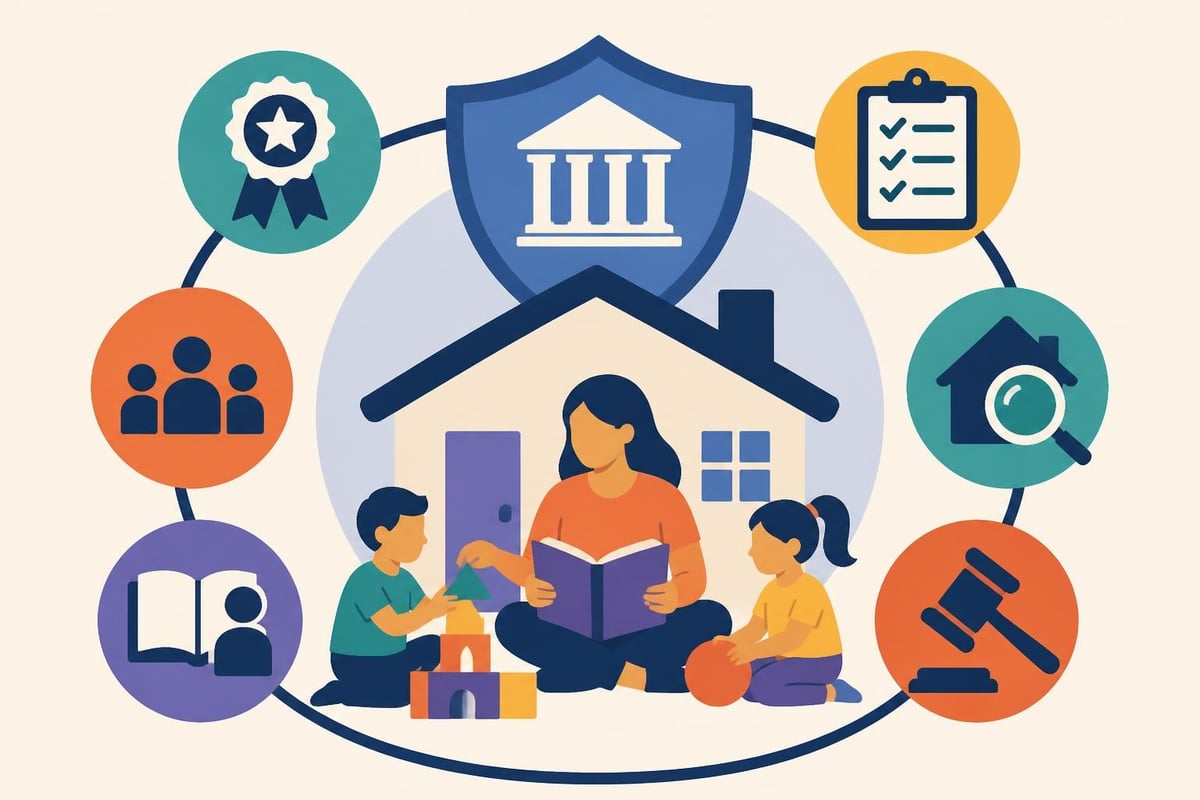
The quality of care in family day homes directly relates to provider expertise, training, and ongoing professional development. Understanding what qualifications to seek helps parents identify truly professional programs.
Educational Background and Training
While requirements vary by state, quality providers typically possess:
- Child Development Associate (CDA) credential or higher
- First Aid and CPR certification
- Food safety and nutrition training
- Specialized training in infant care, positive discipline, or special needs
- Business management and record-keeping skills
Many experienced family day care educators pursue additional credentials beyond minimum requirements, demonstrating commitment to professional excellence and continuous improvement.
Ongoing Learning and Quality Improvement
Professional family day home providers engage in continuous quality improvement through:
- Regular training participation in workshops, conferences, and online courses
- Quality rating systems such as state QRIS programs that incentivize excellence
- Professional associations providing networking, resources, and advocacy
- Mentorship programs connecting experienced providers with newcomers
- Curriculum development staying current with research-based practices
Parents should inquire about providers' recent training and professional development activities, as this commitment indicates dedication to offering the best possible care.
Cost Considerations and Financial Planning
Understanding the financial aspects of family day homes helps families budget appropriately and evaluate the value proposition compared to other childcare options.
Typical Fee Structures and Ranges
Family day home costs generally fall between in-home nanny care and center-based daycare, varying significantly based on location, provider qualifications, and services included. In 2026, typical weekly rates range from:
- Infant care: $200-$350 per week
- Toddler care: $180-$325 per week
- Preschool care: $170-$300 per week
- Part-time arrangements: $150-$250 per week
These rates often include meals, snacks, and basic supplies, potentially offering better value than centers charging separately for these items.
Financial Assistance and Subsidy Programs
Many families qualify for childcare subsidies that can be used at licensed family day homes:
- State childcare assistance programs for low-income families
- Child Care and Development Fund (CCDF) subsidies
- Head Start or Early Head Start partnerships with family day homes
- Employer-sponsored childcare benefits including FSAs and dependent care accounts
- Tax credits such as the Child and Dependent Care Credit
Providers participating in subsidy programs must meet additional quality standards, often indicating higher-quality care.
Building Strong Provider-Family Partnerships
Success in family day home settings depends heavily on effective communication and collaboration between providers and families.
Communication Strategies and Expectations
Quality providers maintain regular communication through multiple channels:
- Daily verbal check-ins during drop-off and pick-up
- Written daily reports for infants and toddlers
- Weekly or monthly newsletters highlighting activities and learning themes
- Digital photo sharing or apps documenting daily experiences
- Scheduled parent-teacher conferences discussing developmental progress
- Open-door policies welcoming family involvement
Establishing clear communication expectations from the start prevents misunderstandings and builds trust between families and providers.
Handling Challenges and Concerns
Even in the best relationships, concerns occasionally arise. Effective problem-solving requires:
For parents:
- Address concerns promptly and directly with the provider
- Approach discussions collaboratively rather than confrontationally
- Document specific observations or incidents
- Remain open to the provider's perspective and expertise
For providers:
- Create welcoming environments for parent feedback
- Respond professionally to concerns
- Document discussions and action plans
- Follow through on agreed-upon solutions
Most issues can be resolved through respectful dialogue, though persistent problems may require seeking alternative care arrangements.
Transitioning to Family Day Home Care
Successfully introducing children to family day home care requires thoughtful preparation and gradual adjustment.
Preparation Strategies for Children
Help children transition smoothly by:
- Visiting the home multiple times before the first day
- Meeting the provider and other children in advance
- Reading books about starting childcare appropriate to the child's age
- Establishing consistent goodbye routines to ease separation anxiety
- Bringing comfort items from home during initial weeks
- Maintaining consistent sleep and meal schedules between home and care settings
Younger children typically adjust within two to four weeks, while older children may adapt more quickly due to greater cognitive understanding.
Supporting Adjustment and Addressing Separation Anxiety
Separation anxiety represents a normal developmental stage, particularly for infants and toddlers. Strategies to ease this challenge include:
- Brief, cheerful goodbyes without prolonged departures
- Consistent drop-off times and routines
- Trusting the provider's experience managing transitions
- Avoiding sneaking away, which increases anxiety
- Picking up consistently at promised times
- Celebrating reunion with positive attention
Providers experienced with infant education understand typical adjustment patterns and can offer guidance specific to your child's age and temperament.
Family day homes offer a distinctive childcare solution combining professional standards with home-based warmth, personalized attention, and flexible arrangements that many modern families seek. By understanding licensing requirements, evaluation criteria, and what distinguishes quality programs, parents can make informed decisions that serve their children's developmental needs and family circumstances. Whether you're exploring childcare options for the first time or seeking alternatives to center-based care, Step by Step Care provides the expertise and nurturing environment that helps your child thrive during these formative years.


