

Daycare Number: Essential Contact Info for Parents
Finding the right childcare for your family involves more than just visiting facilities and meeting staff. One critical piece of information that every parent should understand is the daycare number associated with their chosen provider. This unique identifier connects directly to licensing records, inspection reports, and compliance history, giving you essential insights into the safety and quality of care your child will receive. Whether you're exploring home-based childcare or larger centers, understanding how to locate and use this information protects your family and ensures you're making informed decisions.
What Is a Daycare Number and Why Does It Matter
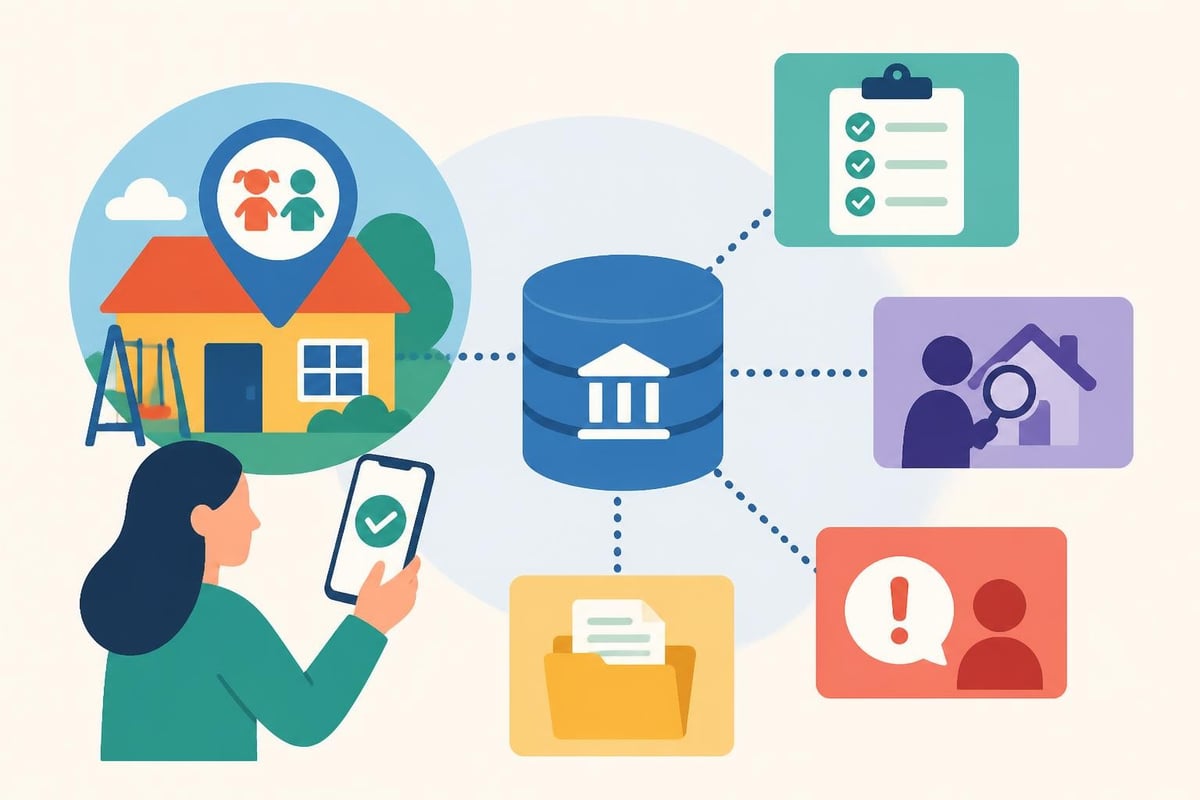
A daycare number typically refers to the unique license or registration number assigned by state regulatory agencies to childcare providers. This identifier serves as the official link between the provider and their compliance records with state health and safety standards.
Every licensed childcare provider receives this number upon approval from their state's licensing authority. The number appears on official documentation, certificates displayed at the facility, and in state databases accessible to parents and the public.
Different Types of Identification Numbers
Childcare providers may have several different numbers associated with their operations:
- State license number: The primary regulatory identifier
- Federal tax ID: Required for business operations and tax purposes
- National database registration: For providers participating in federal programs
- Accreditation numbers: Assigned by voluntary quality improvement organizations
The most important daycare number for parents is the state-issued license number. This connects directly to child care licensing requirements and inspection records that document compliance with health, safety, and educational standards.
How State Licensing Systems Work
Each state maintains its own regulatory framework for childcare providers. Daycare rules and regulations vary significantly across jurisdictions, but all systems share common elements designed to protect children.
State agencies assign unique numbers to track each provider's compliance history. This system allows regulators to monitor ongoing adherence to standards and gives parents a way to research providers before enrolling their children.
Finding and Verifying a Provider's Daycare Number
Locating a childcare provider's license number should be one of your first steps when evaluating options. This information is typically readily available and providers are legally required to display it prominently.
Where to Look for License Information
Licensed providers must display their current license certificate in a visible location at their facility. This certificate includes the daycare number, the provider's name, the license expiration date, and any restrictions or conditions on the license.
You can also request this information directly from the provider. A reputable childcare program will happily share their license number and encourage you to verify their credentials. Hesitation or reluctance to provide this information should raise immediate concerns.
Many families researching infant care options start by requesting basic licensing information before scheduling facility visits. This approach helps narrow down candidates to those meeting all regulatory requirements.
Using State Database Resources
Most states maintain searchable online databases where you can verify license status using the provider's name or daycare number. These databases typically include:
- Current license status (active, expired, suspended, or revoked)
- License type and capacity limits
- Inspection dates and findings
- Complaint investigation summaries
- Corrective action requirements
| Database Feature | What It Tells You | Why It Matters |
|---|---|---|
| License Status | Whether provider can legally operate | Ensures basic regulatory compliance |
| Inspection Reports | Recent facility evaluations | Reveals safety and quality issues |
| Complaint History | Parent and public concerns | Shows patterns of problems |
| Corrective Actions | Required improvements | Indicates responsiveness to issues |
Resources like DaycareScan aggregate licensing data across multiple states, making it easier to research providers and compare their compliance records in one centralized location.
Understanding What the Daycare Number Reveals
Once you have a provider's license number, you can access a wealth of information about their operation, compliance history, and quality indicators. Learning to interpret this data helps you make more informed choices.
Inspection Report Details
State inspectors conduct regular visits to licensed facilities, documenting compliance with health, safety, and operational standards. These reports, accessible through the provider's daycare number, include detailed findings about:
Physical environment assessments:
- Building safety and maintenance
- Playground equipment condition
- Sanitation and hygiene practices
- Emergency preparedness measures
Operational compliance checks:
- Staff-to-child ratios
- Staff qualification verification
- Record-keeping accuracy
- Health and immunization documentation
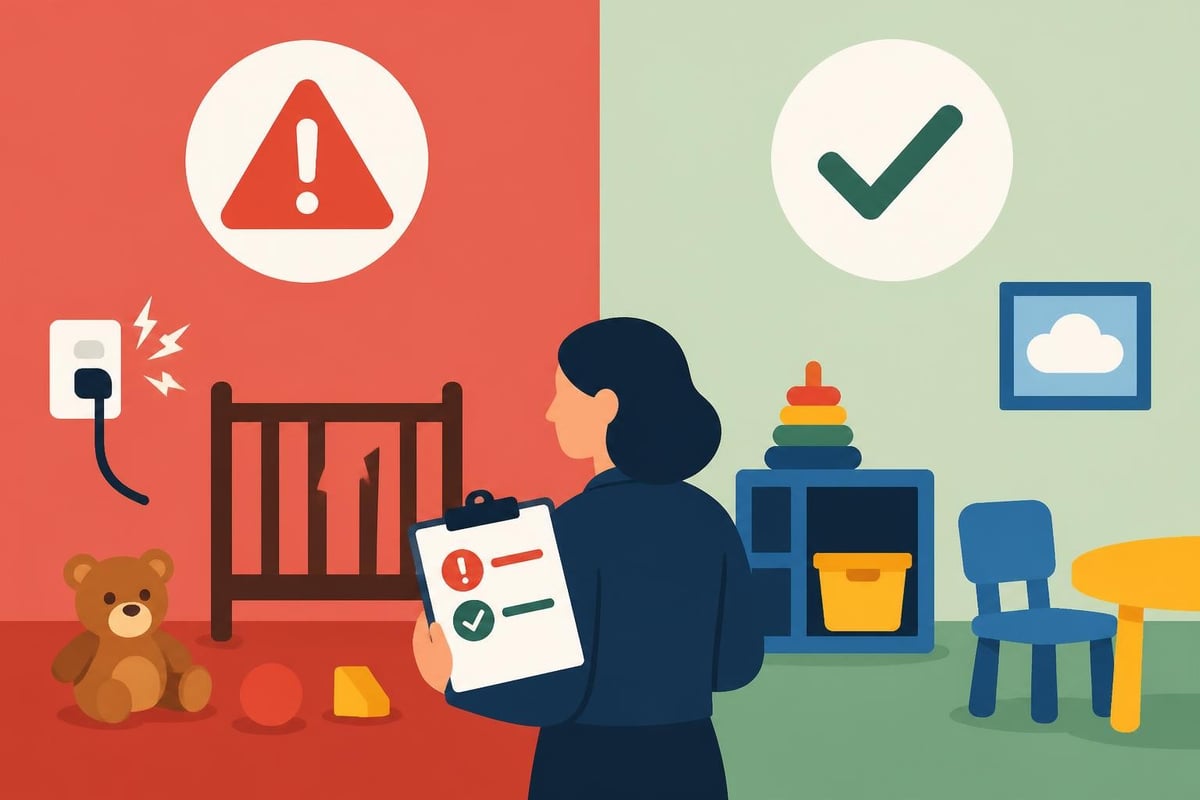
Each violation receives a classification based on severity. Critical violations pose immediate risk to child safety, while non-critical issues may involve administrative or documentation concerns. Daycare licensing explained resources help parents understand what different violation types mean for their family.
Complaint Investigation Records
When parents, neighbors, or other parties report concerns about a childcare provider, state agencies investigate and document their findings. These records become part of the permanent file associated with the daycare number.
Complaint investigations may address issues ranging from ratio violations and safety hazards to allegations of inappropriate discipline or neglect. The investigation summary typically includes the allegation, investigation steps taken, findings, and any corrective actions required.
A single complaint doesn't necessarily indicate a problematic provider, but patterns of similar concerns or repeat violations warrant serious consideration. Understanding childhood care education standards helps you evaluate whether reported issues align with best practices.
Licensing Requirements Behind the Number
The daycare number represents more than just an administrative identifier. It signifies that a provider has met specific baseline requirements for operating legally and safely.
Minimum Standards Across States
While requirements vary by jurisdiction, childcare licensing requirements by state share common elements that providers must satisfy before receiving their license number:
- Background checks: All staff and household members undergo criminal history screening
- Facility inspections: Buildings meet safety codes for electrical, fire, and structural requirements
- Staff qualifications: Providers demonstrate minimum education and training credentials
- Health protocols: Policies address illness, medication, and emergency medical situations
- Capacity limits: Maximum enrollment based on space and staff availability
Home-based providers pursuing family daycare requirements face similar standards adapted for residential settings, including specific room usage restrictions and household member considerations.
Ongoing Compliance Expectations
Receiving a daycare number is just the beginning. Licensed providers must maintain continuous compliance with regulations, including:
- Annual license renewal applications
- Unannounced inspection visits
- Continuing education for staff
- Updated health and safety training
- Current CPR and first aid certification
According to daycare statistics, states vary significantly in their inspection frequency and enforcement rigor, with some conducting multiple unannounced visits annually while others rely primarily on complaint-driven investigations.
Using the Daycare Number to Compare Providers
When evaluating multiple childcare options, the daycare number becomes a powerful research tool that lets you make objective comparisons based on documented compliance and quality indicators.
Creating a Comparison Framework
Smart parents develop a systematic approach to researching providers. Start by gathering daycare numbers for all candidates, then compile key data points for side-by-side comparison:
| Provider Name | License # | Last Inspection | Violations (Critical/Non-Critical) | Complaints (Past 2 Years) | Years Operating |
|---|---|---|---|---|---|
| Provider A | 12345 | 03/2026 | 0/2 | 0 | 8 |
| Provider B | 67890 | 01/2026 | 1/4 | 2 | 3 |
| Provider C | 24680 | 04/2026 | 0/0 | 0 | 15 |
This structured comparison helps you identify patterns and make evidence-based decisions rather than relying solely on facility tours or provider marketing materials.
Cost and Quality Considerations
Research consistently shows significant variation in daycare costs across different regions and provider types. While price doesn't always correlate directly with quality, understanding the relationship between licensing compliance and rates helps set realistic expectations.
Higher-quality providers often invest more in staff education, lower child-to-staff ratios, and enhanced learning materials. These investments appear in both their licensing records (through staff qualification documentation) and their pricing structure.
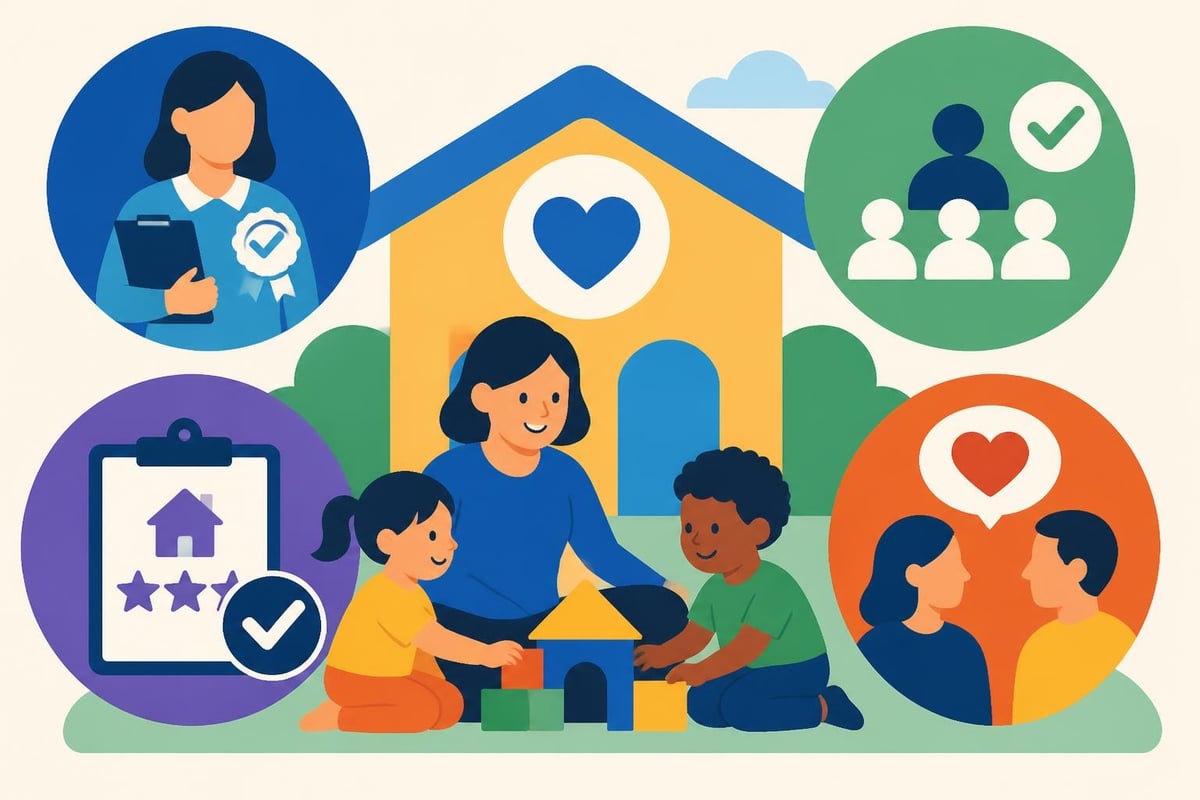
When researching providers through their daycare number, look for indicators of quality that justify premium pricing, such as voluntary accreditation, consistent inspection excellence, and experienced staff with advanced credentials.
Red Flags and Warning Signs
While most licensed providers operate responsibly, understanding potential warning signs helps you protect your family from substandard or unsafe care situations.
Serious Licensing Concerns
Certain findings in a provider's record should prompt immediate concern and careful reconsideration:
- Repeated critical violations: Shows pattern of unsafe practices
- License suspensions or revocations: Indicates severe compliance failures
- Substantiated abuse or neglect allegations: Demonstrates fundamental safety breakdowns
- Operating without valid license: Illegal operation with no regulatory oversight
- Failure to correct cited violations: Shows disregard for required improvements
Some parents checking a provider's daycare number discover the facility isn't actually licensed at all. This situation poses serious risks, as unlicensed operations face no regulatory oversight, inspection requirements, or accountability systems.
Questions to Ask About License Status
When visiting facilities or speaking with providers, ask direct questions about their licensing:
- What is your current license number and expiration date?
- When was your most recent inspection, and can I see the report?
- Have you had any violations in the past two years, and how were they resolved?
- Do you have any ongoing corrective action requirements?
- Are you pursuing any voluntary accreditations beyond basic licensing?
Providers who maintain learning childcare environments that exceed minimum standards typically welcome these questions and use them as opportunities to showcase their commitment to quality.
Beyond Basic Licensing Numbers
While the daycare number provides essential baseline information, comprehensive evaluation requires looking at additional quality indicators and credentials.
Voluntary Quality Rating Systems
Many states operate Quality Rating and Improvement Systems (QRIS) that assess providers on criteria beyond minimum licensing standards. These systems assign ratings (often using star systems) based on:
- Enhanced staff qualifications: Education levels beyond minimum requirements
- Curriculum implementation: Use of research-based learning approaches
- Family engagement: Communication systems and parent involvement opportunities
- Learning environment quality: Educational materials and space organization
- Administrative practices: Professional development and continuous improvement
Providers participating in QRIS receive additional identifying numbers or ratings that supplement their basic daycare number. These voluntary programs help families identify providers committed to excellence rather than merely meeting minimum standards.
Accreditation Organizations
National accreditation bodies like NAEYC (National Association for the Education of Young Children) conduct rigorous evaluations separate from state licensing. Accredited providers receive credentials that demonstrate commitment to professional standards exceeding regulatory minimums.
While accreditation doesn't replace the need to verify a provider's daycare number and licensing status, it offers additional assurance of quality practices in curriculum, staff development, and family partnerships.
Making Informed Decisions With Licensing Information
Armed with a provider's daycare number and the ability to research their compliance history, you can make more confident childcare decisions that prioritize your child's safety and development.
Integrating Multiple Information Sources
Effective childcare selection combines licensing research with other evaluation methods:
- Facility visits: Observe daily operations, staff interactions, and environment quality
- Reference checks: Speak with current and former parents about their experiences
- Trial periods: Use temporary enrollment to assess fit before making long-term commitments
- Provider interviews: Discuss philosophy, policies, and approach to child development
Families seeking education and care that balances safety with developmental support benefit from thorough research that starts with licensing verification but extends to comprehensive quality evaluation.
Trusting Your Instincts
While data from the daycare number and licensing records provides objective information, parental intuition matters. If something feels wrong during your research or facility visit, continue exploring other options even if the licensing record appears clean.
The most successful childcare placements combine clean regulatory records with strong parent-provider relationships built on trust, communication, and shared values around child development and family support.
Staying Informed Throughout Enrollment
Once you've selected a provider and verified their daycare number, your responsibility for staying informed continues throughout your enrollment period.
Monitoring Ongoing Compliance
State databases update regularly with new inspection reports, complaint investigations, and license renewals. Schedule periodic checks (quarterly or semi-annually) to review your provider's current status and any new findings.
Set calendar reminders to verify license renewal before expiration dates. Some states send parents notifications when providers face serious violations, but proactive monitoring ensures you stay informed regardless of automatic alert systems.
Understanding Your Rights as a Parent
Parents have specific rights regarding access to licensing information and facility records:
- Inspection report access: Providers must make recent inspection reports available upon request
- Complaint filing: You can report concerns to licensing authorities if you observe violations
- License verification: The current license certificate should be prominently displayed
- Policy disclosure: Providers must share written policies about health, safety, and operations
When questions arise about first day care experiences or ongoing operations, don't hesitate to reference licensing requirements and ask how specific practices align with regulatory standards.
Building Partnership With Your Provider
The best childcare relationships balance appropriate oversight with supportive partnership. Use licensing information as a foundation for understanding minimum standards, but communicate directly with providers about your family's specific needs and preferences.
Quality providers appreciate engaged parents who understand regulatory requirements and work collaboratively to support children's development. Your knowledge of licensing standards demonstrates commitment to your child's wellbeing and helps providers understand your expectations.
Understanding how to find, verify, and interpret a daycare number empowers you to make informed childcare decisions based on objective compliance data and documented quality indicators. This knowledge protects your family while helping you identify providers genuinely committed to exceeding minimum standards through ongoing excellence in safety, education, and child development. At Step by Step Care, we maintain full licensing compliance and welcome parents to verify our credentials, review our inspection records, and see firsthand how we create safe, nurturing environments where children thrive. Contact us today to learn more about our licensing status and schedule a visit to experience our commitment to quality care.


