Early Childcare Programs: Benefits and Choosing Quality Care
Parents today face critical decisions about their children's early years, and few choices carry more weight than selecting appropriate care during those formative stages. The landscape of early childhood education has evolved dramatically over the past decade, with research continuously revealing new insights about how structured environments influence development. Understanding the full scope of what quality programs offer can help families make informed decisions that align with their values and their child's needs.
Understanding the Foundation of Quality Early Care
Early childcare programs serve multiple purposes beyond basic supervision. These environments provide structured learning opportunities, social interaction with peers, and developmentally appropriate activities designed to nurture growth across all domains. Research from the Cowles Foundation examining early childcare attendance demonstrates significant cognitive benefits that persist into adolescence, particularly for children from families with lower parental education levels.
The Components of Effective Programs
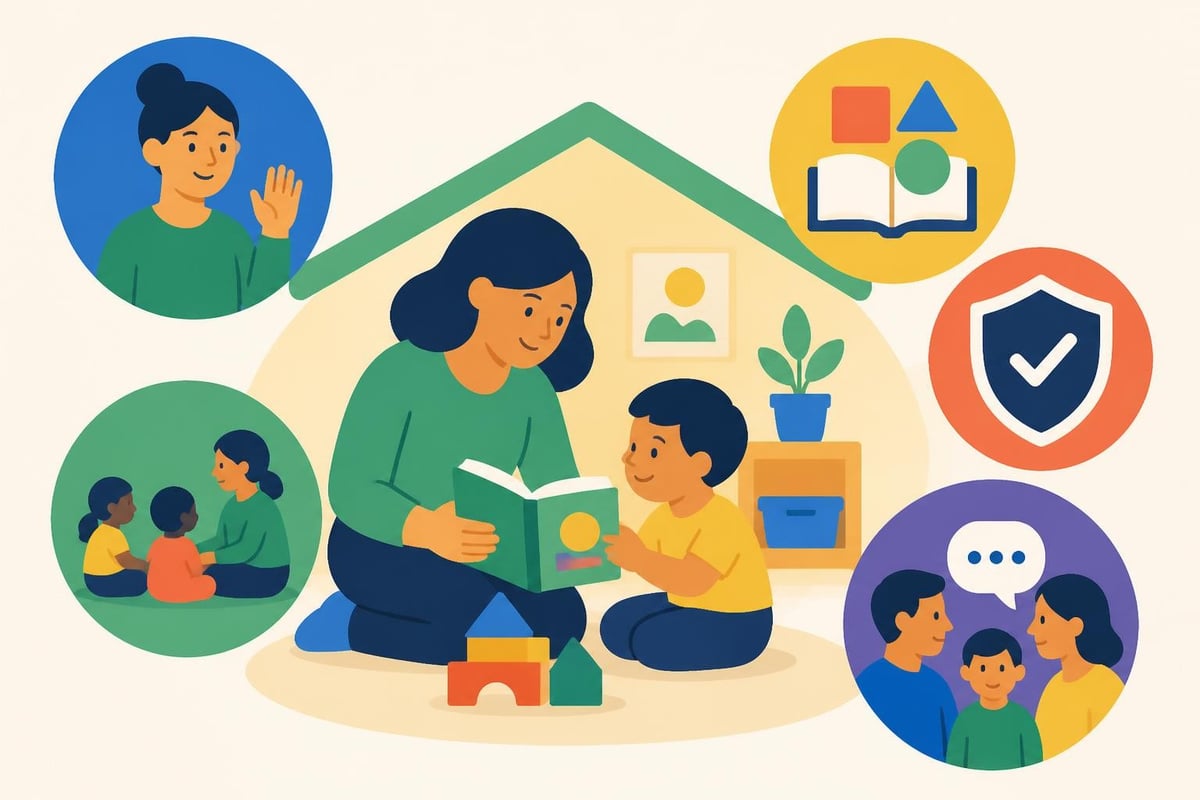
Quality early childcare programs incorporate several essential elements that distinguish them from basic supervision arrangements:
- Curriculum-based learning tailored to developmental stages
- Low child-to-teacher ratios ensuring individual attention
- Trained and credentialed educators who understand child development
- Safe, stimulating physical environments that encourage exploration
- Regular communication between providers and families
- Nutritious meals and snacks supporting healthy growth
The home-based childcare model offers unique advantages within this framework. Smaller group sizes create family-like atmospheres where children receive personalized attention and consistent caregiving relationships. Infant care services particularly benefit from these intimate settings where providers can respond quickly to individual needs and maintain predictable routines.
Developmental Benefits Across Age Groups
The advantages of participating in early childcare programs extend far beyond the immediate convenience for working families. Neurological development during the first five years creates the architecture for all future learning, making these experiences particularly impactful.
Cognitive and Academic Outcomes
Children enrolled in quality programs consistently demonstrate enhanced cognitive skills compared to peers without structured early learning experiences. Evidence from multiple studies suggests that well-designed programs improve school readiness, with benefits manifesting in stronger literacy, numeracy, and problem-solving abilities.
| Age Range | Key Developmental Focus | Program Benefits |
|---|---|---|
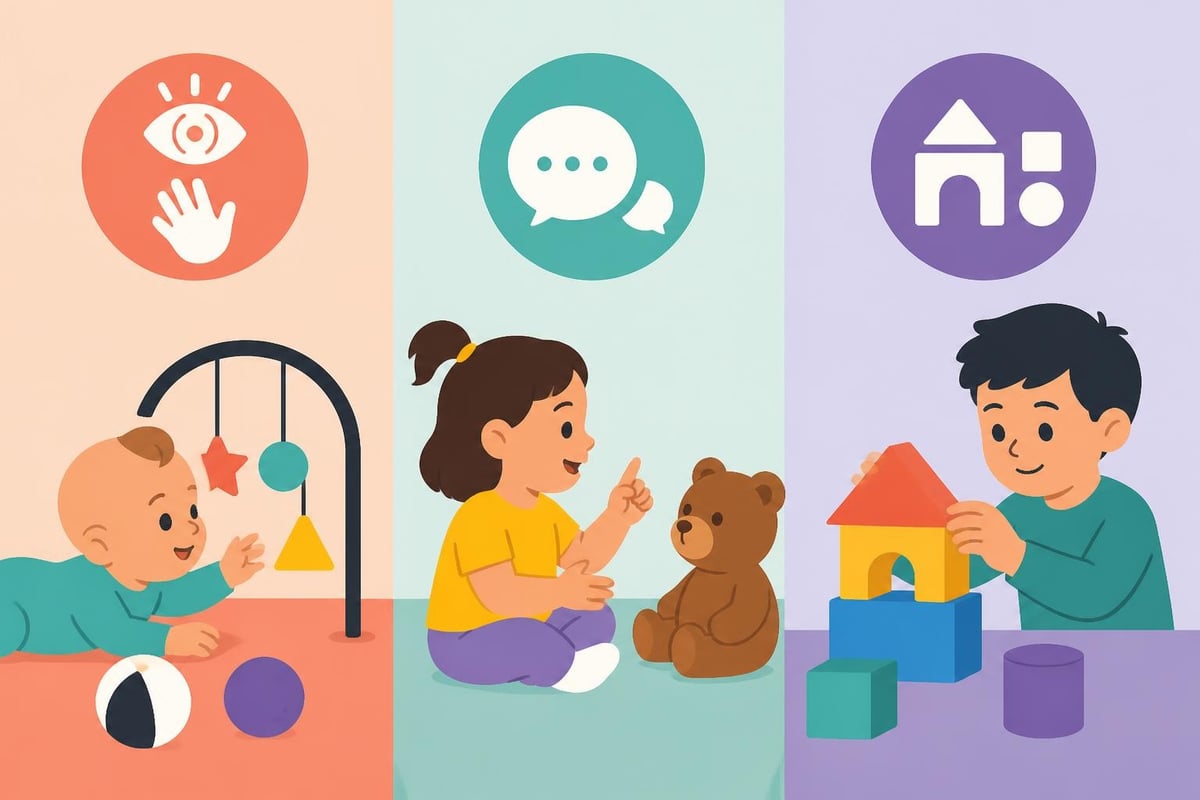
| 0-12 months | Sensory exploration, attachment | Consistent routines, responsive caregiving |
| 12-24 months | Language acquisition, mobility | Rich language environments, safe exploration spaces |
| 2-3 years | Social skills, independence | Peer interaction, self-help skill development |
| 3-5 years | Pre-academic skills, self-regulation | Structured learning activities, school preparation |
The childhood care education approach emphasizes meeting children where they are developmentally while gently encouraging advancement through appropriate challenges and support.
Social and Emotional Growth
Beyond academics, early childcare programs provide critical opportunities for social development. Children learn to navigate peer relationships, share resources, express emotions appropriately, and develop empathy through daily interactions. These soft skills prove just as important as cognitive abilities for long-term success.
Research indicates that children who attend quality programs demonstrate:
- Better emotional regulation and ability to manage frustration
- Enhanced social competence with peers and adults
- Increased independence in daily activities
- Stronger conflict resolution skills through guided practice
- Greater adaptability to new situations and environments
Evaluating Program Quality and Fit
Not all early childcare programs provide the same level of quality or appropriateness for every family. Parents must consider multiple factors when selecting care arrangements that will serve their children well.
Key Quality Indicators
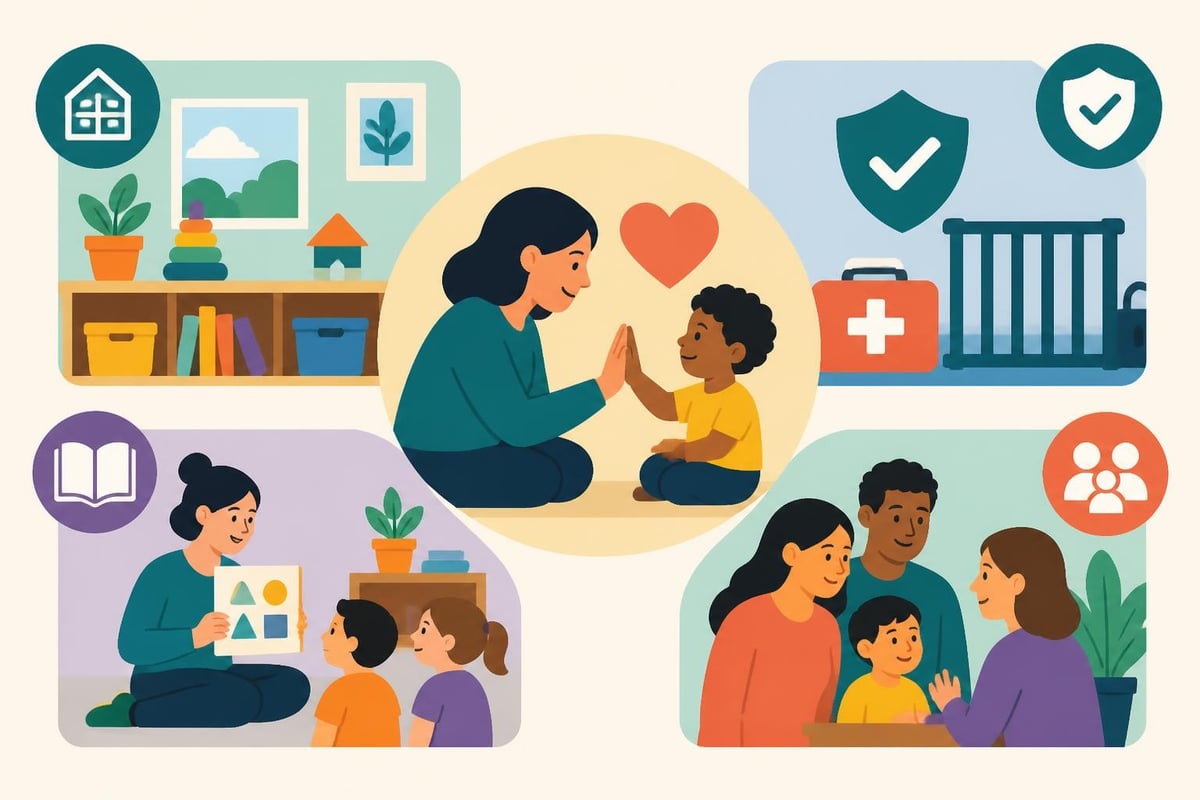
When visiting potential programs, observe specific markers that indicate high-quality care. The physical environment should be clean, organized, and filled with age-appropriate learning materials. Watch how educators interact with children, noting whether they get down to the child's level, use positive language, and respond warmly to individual needs.
Staff qualifications matter significantly. Providers should have relevant training in child development, first aid certification, and ongoing professional development. Ask about staff turnover rates, as consistency in caregiving relationships benefits children substantially.
Early education and childcare options vary widely in their philosophical approaches, from play-based learning to more structured academic preparation. Understanding these differences helps families choose programs aligned with their educational values.
The Home-Based Advantage
Home-based childcare offers distinct benefits that larger institutional settings cannot always replicate. The intimate environment mimics family structures, reducing stress for young children who may struggle with transitions. Smaller group sizes mean providers can tailor activities to individual interests and developmental needs more easily.
Flexibility represents another significant advantage of home-based care. Providers often accommodate varying schedules, offer mixed-age groupings that mirror sibling relationships, and create homelike routines around meals and rest times. This personalized approach helps children feel secure and valued as individuals.
Economic Impact on Families
The financial implications of early childcare programs extend beyond monthly tuition costs. Research from Yale’s Tobin Center demonstrates how accessible early care positively influences families' long-term financial trajectories by enabling parents to maintain employment and advance careers.
Cost-Benefit Considerations
| Factor | Short-Term Impact | Long-Term Impact |
|---|---|---|
| Parental employment | Enables workforce participation | Career advancement, retirement savings |
| Child development | School readiness preparation | Reduced special education needs, higher earnings |
| Family stress | Support system for parents | Improved family relationships, mental health |
| Community benefits | Local economic activity | Reduced social services costs, educated workforce |
Understanding the first day of childcare experience helps families prepare for the transition and recognize that initial adjustment periods represent investments in long-term stability and development.
Age-Appropriate Programming
Effective early childcare programs recognize that infant needs differ dramatically from preschooler requirements. Programming should adapt to developmental stages while maintaining continuity of care and philosophy.
Infant Programming Essentials
The infant day revolves around individual schedules for feeding, sleeping, and diaper changes while incorporating gentle stimulation through songs, books, and sensory experiences. Providers should maintain detailed daily reports tracking eating, sleeping, and developmental milestones.
Responsive caregiving during infancy builds secure attachment, which forms the foundation for all future relationships and learning. Providers should respond promptly to distress, engage in face-to-face interaction during routine care, and create predictable patterns that help babies develop trust.
Toddler and Preschool Focus
As children grow, programming shifts toward more structured learning while maintaining the play-based approach that best supports early childhood development. Early learners daycare environments balance child-directed play with teacher-guided activities that introduce pre-academic concepts.
Language development accelerates during the toddler years, making rich linguistic environments essential. Quality programs provide:
- Frequent conversations with adults
- Regular story time with varied books
- Songs, rhymes, and fingerplays
- Opportunities for children to express needs and ideas
- Exposure to new vocabulary in meaningful contexts
Health and Safety Standards
Beyond developmental programming, early childcare programs must maintain rigorous health and safety protocols. Parents should verify that potential providers meet or exceed state licensing requirements and follow current best practices for infection control, emergency preparedness, and injury prevention.
Critical Safety Elements
Current 2026 health guidelines emphasize enhanced ventilation, regular sanitization of high-touch surfaces, and appropriate grouping strategies that limit disease transmission. Providers should maintain current CPR and first aid certification, conduct regular safety drills, and have clear policies for illness management.
Nutrition standards have evolved significantly, with quality programs offering meals that meet USDA guidelines and accommodate dietary restrictions or allergies. Ask about menu planning, food preparation practices, and how programs handle special dietary needs.
Building Strong Family-Provider Partnerships
The most successful early childcare experiences occur when families and providers work collaboratively toward shared goals for children's development. This partnership requires regular communication, mutual respect, and alignment of values regarding child-rearing approaches.
Communication Strategies
Modern programs utilize various communication tools:
- Daily reports (digital or paper) documenting activities, meals, and milestones
- Regular parent-teacher conferences discussing progress and goals
- Photo sharing capturing learning moments throughout the day
- Open-door policies welcoming family visits and participation
- Responsive feedback systems addressing questions or concerns promptly
The childcare and early education relationship works best when providers view parents as partners who possess unique knowledge about their children's temperaments, preferences, and needs.
Specialized Considerations for Diverse Families
Early childcare programs should welcome and support children from all backgrounds, including those with special needs, multilingual families, and varying cultural traditions. Quality providers demonstrate cultural competence and willingness to adapt programming to meet individual family circumstances.
Inclusive Practices
Programs committed to inclusion provide:
- Materials reflecting diverse families through books, toys, and visual displays
- Accommodation for developmental delays or disabilities with appropriate support services
- Respect for home languages while supporting English acquisition
- Flexibility around cultural practices related to food, holidays, or daily routines
- Professional collaboration with therapists or specialists when needed
Research examining various program models indicates that quality care benefits children across different backgrounds, though implementation details matter significantly for outcomes.
Current Trends Shaping the Field
The early childcare landscape continues evolving in response to research findings, policy changes, and shifting family needs. Understanding current trends helps families anticipate program offerings and select providers positioned for future success.
Technology Integration
While screen time remains controversial for young children, thoughtful technology use has entered quality programs. This includes documentation apps enabling real-time family communication, professional development platforms improving teacher skills, and carefully selected educational content for older preschoolers.
Nature-based learning has gained prominence, with programs incorporating outdoor time, gardening activities, and environmental education even in home-based settings. This approach supports physical development, scientific thinking, and environmental stewardship values.
Professional Development Focus
The field increasingly recognizes that educator quality drives program outcomes. Progressive providers pursue ongoing training in areas like:
- Trauma-informed care practices
- Social-emotional learning strategies
- Anti-bias curriculum development
- Advanced child development theory
- Family engagement techniques
Making the Transition Successful
Starting early childcare programs represents a major milestone for families. Preparing thoughtfully for this transition reduces stress and sets the stage for positive experiences.
Preparation Strategies
Begin by visiting potential programs multiple times, ideally at different times of day to observe various activities and routines. Arrange gradual entry schedules when possible, starting with brief visits before full-day attendance. Create consistency between home and childcare routines around meals, naps, and transitions.
Emotional preparation matters as much as logistical planning. Acknowledge mixed feelings about the change, maintain positive attitudes when discussing childcare with your child, and establish goodbye routines that provide security without prolonging difficult separations.
The early childhood care courses completed by quality providers ensure they understand typical adjustment periods and can support families through challenges.
Regional Considerations and Accessibility
Access to quality early childcare programs varies significantly by location, with rural areas and lower-income communities often experiencing shortages of affordable options. Understanding local availability helps families plan realistically and advocate for improved access when needed.
Program Availability
Government statistics on funded early education demonstrate how public investment influences program reach and quality standards. While this data reflects the UK context, similar patterns exist across developed nations regarding the importance of policy support for access.
Family considerations include:
- Proximity to home or work locations
- Hours of operation matching employment schedules
- Availability of age-appropriate openings
- Financial assistance programs or subsidy acceptance
- Transportation options if needed
Building Foundations for Lifelong Learning
The experiences children have in early childcare programs create neural pathways, relationship patterns, and learning approaches that influence development for years to come. Research on long-term program effects reveals benefits extending well into adulthood across multiple life domains.
Quality matters profoundly. Not all care arrangements provide the developmental support that drives positive outcomes. Families must carefully evaluate options, considering factors beyond convenience and cost to ensure their children receive experiences that truly nurture growth.
Parents should trust their instincts when selecting programs, recognizing that comfort with the environment and provider matters as much as credentials or curriculum. The right fit varies by child and family, with no single model superior for all situations.
Quality early childcare programs provide far more than supervision, offering carefully designed experiences that support development across all domains while enabling families to thrive. The decision to enroll your child represents an investment in their future success and your family's wellbeing. Step by Step Care understands the unique advantages of home-based early childhood education, providing personalized attention in nurturing environments where children develop the skills and confidence they need for lifelong learning. Contact us today to discover how our approach to early care can benefit your family.