

Happy Home Daycare: Creating Nurturing Spaces for Kids
Creating a nurturing environment where children can thrive requires more than just a safe space and caring adults. A happy home daycare provides families with an alternative to traditional institutional childcare, offering personalized attention, smaller group sizes, and a family-like atmosphere that supports early childhood development. For providers considering entering this rewarding field or parents seeking the right fit for their children, understanding what makes home-based care successful is essential to making informed decisions.
The Foundation of Quality Home-Based Childcare
A happy home daycare starts with careful planning and a genuine commitment to child development. Unlike larger commercial facilities, home daycares typically serve between four to twelve children depending on state regulations, allowing providers to create deeper connections with each child and their family.
The licensing process varies significantly across states, but most require background checks, home safety inspections, and completion of specific training hours. Providers must meet minimum square footage requirements, install safety equipment, and often complete coursework in early childhood development and emergency response. Understanding different business structures helps providers establish the right legal framework for their operations.
Essential Components for Success
Building a thriving home daycare operation requires attention to several critical areas:
- Physical space preparation including dedicated play areas, safe outdoor access, and age-appropriate furnishings
- Comprehensive safety measures with childproofing, emergency exits, and first aid supplies
- Educational curriculum planning that balances structured learning with creative exploration
- Clear communication systems for daily updates and parent engagement
- Business management covering enrollment, billing, and record-keeping
Beyond basic requirements, successful providers create environments that feel warm and inviting while maintaining professional standards. This balance distinguishes exceptional care from merely adequate supervision.
Creating Developmentally Appropriate Environments
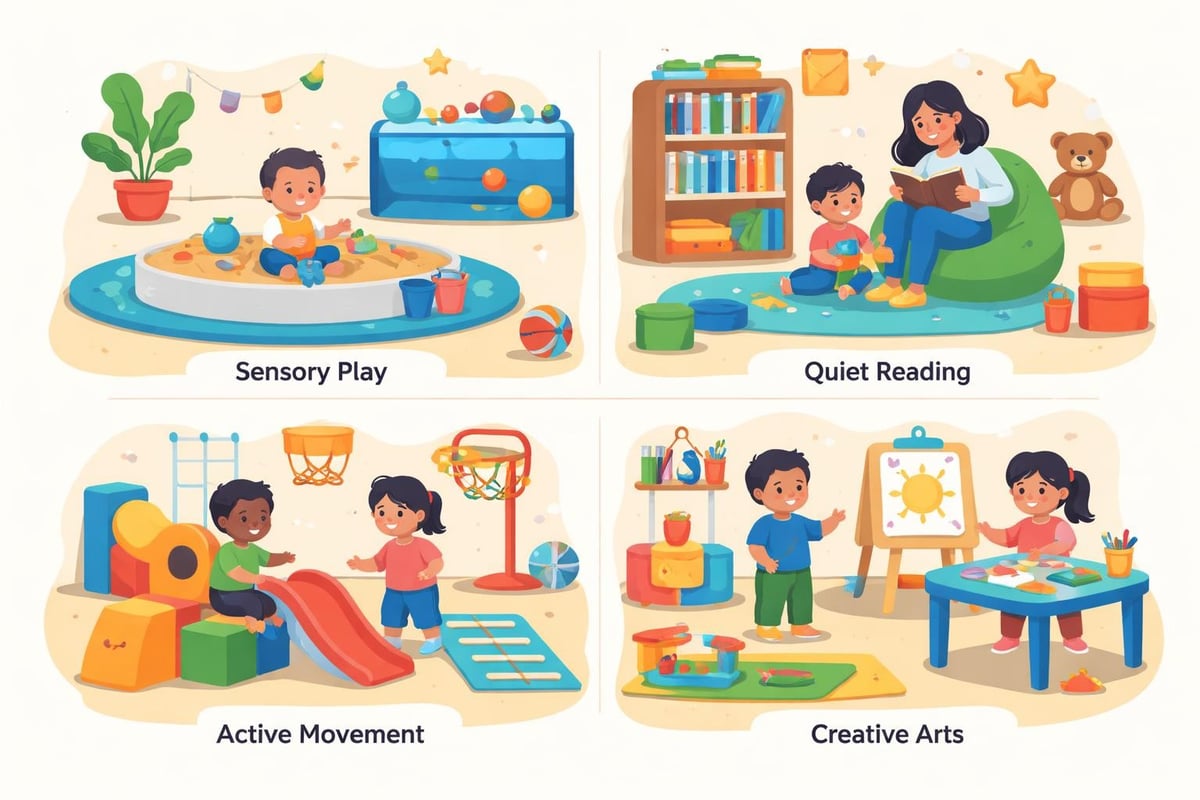
The physical setup of a happy home daycare significantly impacts children's learning experiences and emotional wellbeing. Different age groups require distinct accommodations, from safe floor spaces for infants to creative stations for preschoolers.
Infant and Toddler Spaces
Young children need secure, clean areas where they can explore safely. Soft flooring protects beginning crawlers and walkers, while low shelves encourage independence as toddlers learn to select their own activities. Creating an effective infant daycare daily schedule helps establish routines that support healthy development.
Providers should designate separate spaces for sleeping, feeding, and active play. Cribs meeting current safety standards, comfortable feeding chairs, and easily sanitized surfaces are non-negotiable requirements for this age group.
Preschool Learning Centers
Older children benefit from designated learning centers that encourage exploration across multiple domains. A typical layout includes:
| Learning Center | Skills Developed | Materials Needed |
|---|---|---|
| Literacy Corner | Language, pre-reading | Books, alphabet materials, writing tools |
| STEM Station | Problem-solving, math concepts | Building blocks, puzzles, counting games |
| Creative Arts | Fine motor, self-expression | Art supplies, sensory materials, musical instruments |
| Dramatic Play | Social skills, imagination | Costumes, play kitchen, dolls |
| Outdoor Area | Gross motor, nature exploration | Climbing equipment, gardening tools, sports items |
These centers allow children to move between activities based on interest while providers facilitate learning through guided and independent play.
Developing Curriculum That Engages Young Minds
A happy home daycare distinguishes itself through intentional programming that addresses all developmental domains. Rather than simply supervising free play, effective providers design activities that build specific skills while remaining engaging for young learners.
Resources on early childhood development help providers understand age-appropriate expectations and milestones. This knowledge informs daily planning and helps providers recognize when children may need additional support.
Balancing Structure and Flexibility
Children thrive with predictable routines, yet rigid schedules can stifle natural learning moments. Successful providers establish consistent daily rhythms for meals, rest, and core activities while remaining responsive to children's needs and interests.
Morning circle time might introduce weekly themes through songs, stories, and calendar activities. Small group rotations allow focused attention on emerging skills. Outdoor exploration provides sensory experiences and physical challenges. Quiet time supports rest and individual interests.
The daycare daily schedule should accommodate mixed-age groups common in home settings, with activities adaptable for different developmental levels.
Theme-Based Learning Units
Monthly or weekly themes create cohesive learning experiences that children can explore through multiple modalities. A transportation theme might include:
- Reading books about different vehicles
- Building roads and garages with blocks
- Singing songs about trains and planes
- Creating art projects with wheel prints
- Counting toy cars and sorting by color
- Taking walks to observe neighborhood traffic
This integrated approach reinforces concepts through repetition and variety, supporting deeper understanding than isolated activities.
Ensuring Safety and Emergency Preparedness
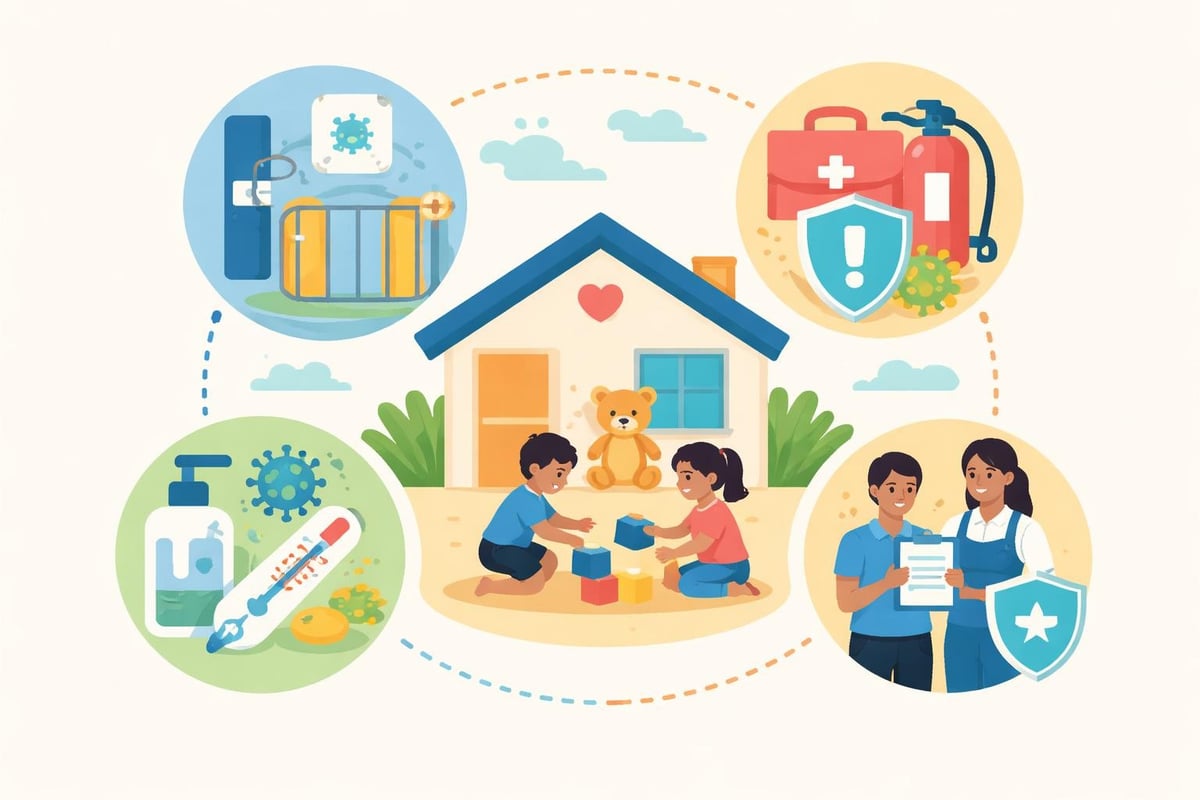
Parents entrust providers with their most precious relationships. A happy home daycare maintains rigorous safety protocols that protect children while allowing appropriate risk-taking that builds confidence and skills.
Daily Safety Practices
Every area accessible to children requires regular safety assessments. Outlets need covers, stairs need gates, and cleaning supplies must be secured in locked cabinets. Furniture should be anchored to walls, window cords shortened or eliminated, and small objects kept out of reach.
Outdoor spaces demand equal attention with fenced boundaries, inspected playground equipment, and shade for sun protection. Providers should complete child and infant CPR training and maintain current certifications.
Emergency Response Planning
Comprehensive emergency plans address various scenarios:
- Fire evacuation with practiced escape routes and designated meeting points
- Medical emergencies including contact information and authorized decision-makers
- Severe weather with basement access or interior safe rooms
- Lost child protocols with immediate notification procedures
- Unauthorized pickup attempts with verified identification requirements
Regular drills familiarize children with procedures, reducing panic during actual emergencies. Documentation of these practices demonstrates professionalism to parents and licensing agencies.
Building Trust with Families
The relationship between providers and parents forms the foundation of quality home childcare. A happy home daycare recognizes parents as partners in their children's development, maintaining open communication and shared expectations.
Communication Systems That Work
Daily updates keep parents connected to their children's experiences. Many providers use:
- Digital platforms with photos, activities, and meal records
- Daily sheets documenting feedings, naps, and diaper changes
- Weekly newsletters highlighting upcoming themes and needed supplies
- Parent conferences discussing developmental progress twice yearly
- Open-door policies welcoming observations and participation
Consistency in communication builds confidence and allows parents to reinforce learning at home. Sharing both challenges and successes creates realistic expectations and collaborative problem-solving.
Establishing Clear Policies
Written policies prevent misunderstandings and ensure fair treatment across families. Essential policies address:
| Policy Area | Key Components |
|---|---|
| Enrollment | Registration fees, deposit requirements, trial periods |
| Attendance | Hours of operation, drop-off/pickup times, late fees |
| Illness | Exclusion criteria, medication administration, return protocols |
| Payment | Rates, due dates, late penalties, vacation credits |
| Termination | Notice requirements, grounds for dismissal, final payment |
Reviewing policies during enrollment and providing written copies protects both providers and families. Regular updates ensure policies reflect current practices and regulations.
Professional Development and Growth
Exceptional providers view childcare as a profession requiring continuous learning. A happy home daycare stays current with research, regulations, and best practices through ongoing education.
Professional development opportunities help providers refine skills, discover new approaches, and connect with peers facing similar challenges. Many states require annual training hours, but committed providers exceed minimums.
Areas for Skill Enhancement
- Child development theories and applying research to daily practice
- Behavior guidance using positive approaches that teach self-regulation
- Cultural competency honoring diverse family backgrounds and traditions
- Special needs inclusion adapting environments for children with disabilities
- Business management improving operational efficiency and financial stability
Attending conferences, joining professional organizations, and pursuing credentials like the Child Development Associate (CDA) demonstrate commitment to excellence.

Building Community Connections
No provider operates in isolation. Successful home daycares develop relationships with:
- Other local providers for resource sharing and substitute coverage
- Community libraries offering storytimes and early literacy programs
- Parks and recreation departments with free or discounted activities
- Pediatricians and developmental specialists for consultation
- Food program sponsors subsidizing nutritious meal costs
These connections enrich programming while building support networks that sustain providers through challenges. Exploring in-home childcare resources helps providers discover available assistance.
Financial Sustainability in Home Childcare
Operating a happy home daycare requires balancing quality care with financial viability. Providers must price services appropriately while remaining accessible to families they serve.
Understanding Operational Costs
Home daycare expenses include:
- Licensing and insurance fees
- Educational materials and supplies
- Food and nutritional programs
- Safety equipment and maintenance
- Utilities and household wear
- Professional development
- Marketing and advertising
- Substitute coverage
Tracking these costs accurately ensures sustainable pricing. Many providers undercharge initially, leading to burnout or closure when expenses exceed income.
Revenue Optimization Strategies
Smart providers maximize income through:
- Full enrollment with waiting lists to fill vacancies quickly
- Registration fees covering administrative costs and securing commitments
- Late pickup charges compensating extended hours
- Supply fees offsetting material costs for special projects
- Summer programs or extended hours meeting working parent needs
Participating in subsidy programs expands access to families needing assistance while ensuring consistent payment. Understanding qualifications for early childhood education support programs helps providers access available funding.
Marketing Your Home Daycare Effectively
Even exceptional care requires visibility to attract families. A happy home daycare develops marketing strategies that highlight unique strengths and reach target audiences.
Digital Presence Essentials
Most parents begin childcare searches online. Essential digital tools include:
- Professional website with photos, policies, and contact information
- Social media profiles sharing daily activities and educational philosophy
- Online reviews on parent forums and childcare directories
- Search optimization ensuring local families find your services
Reviewing parent testimonials demonstrates the power of satisfied families sharing positive experiences.
Traditional Outreach Methods
Digital marketing complements rather than replaces traditional approaches:
- Posting flyers at pediatric offices, community centers, and libraries
- Networking at parent groups and community events
- Partnering with local businesses for cross-promotion
- Creating referral incentives for current families
- Hosting open houses for prospective families
Personal connections remain powerful in building trust for this intimate service.
Navigating Regulations and Licensing Requirements
Every state establishes specific requirements for operating home childcare. A happy home daycare maintains full compliance while advocating for sensible regulations that protect children without creating unnecessary barriers.
Common Licensing Components
Though details vary, most states require:
- Minimum age and education for providers
- Background checks for household members
- Home safety inspections covering space, equipment, and hazards
- Capacity limits based on ages served and square footage
- Training in first aid, CPR, and child development
- Ongoing inspections and renewal processes
Providers should consult state childcare licensing offices for specific requirements and maintain documentation proving compliance.
Quality Rating Systems
Many states operate Quality Rating and Improvement Systems (QRIS) that assess programs beyond basic licensing. Higher ratings can increase subsidy reimbursement rates and attract quality-conscious families.
QRIS typically evaluate:
- Provider qualifications and training
- Learning environment and curriculum
- Family engagement practices
- Administrative policies and procedures
- Child assessments and individualization
Participating in these voluntary systems demonstrates commitment to excellence and continuous improvement.
Creating a successful happy home daycare requires dedication to children's wellbeing, continuous learning, and professional operations that earn family trust. From thoughtful space design to comprehensive safety protocols and engaging curriculum, every element contributes to environments where children flourish while providers build sustainable businesses. Step by Step Care offers families personalized attention and developmentally appropriate programming in a nurturing home environment where every child receives the individualized care they deserve. Contact us today to learn how we support your child's growth and development.


