

In Home Daycare Cost: 2026 Guide for Parents
Choosing the right childcare for your family involves balancing quality care with affordability. For many parents in 2026, understanding in home daycare cost is essential for making informed decisions about their child's early education and care. Unlike traditional daycare centers, in-home providers offer a more intimate setting where children receive personalized attention in a family-like environment. This guide breaks down everything you need to know about pricing, factors that influence rates, and how to budget for quality home-based childcare.
Understanding the Basics of In Home Daycare Pricing
In home daycare cost varies significantly based on multiple factors, but families can generally expect to pay between $650 and $1,200 per month for full-time care in 2026. This pricing structure differs from center-based care and reflects the unique value proposition of in home childcare settings.
The fundamental pricing model for home-based providers typically includes care during standard business hours, usually 7:00 AM to 6:00 PM on weekdays. Parents should understand that these baseline rates form the foundation upon which additional fees may apply.
What's Typically Included in Base Rates
Most in home daycare providers include several essential services in their standard pricing:
- Daily meals and snacks prepared according to nutritional guidelines
- Age-appropriate educational activities and curriculum
- Outdoor playtime and physical activity
- Basic supplies such as art materials and learning tools
- Regular communication about your child's daily activities and milestones
Additional services like extended hours, field trips, or specialized programs may incur extra charges. Understanding what your base rate covers helps you accurately compare options and budget appropriately.
Regional Variations in In Home Daycare Cost
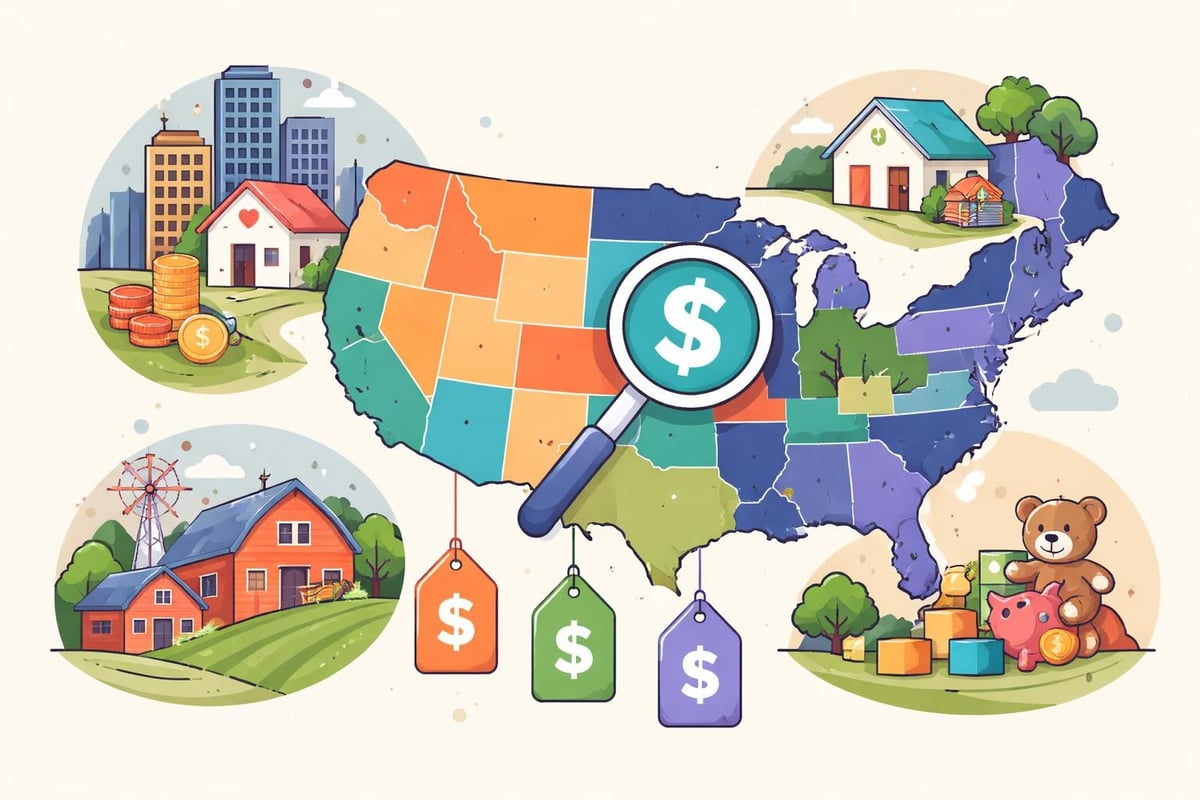
Where you live dramatically impacts what you'll pay for home-based childcare. Research from Pew Research Center shows that child care costs vary considerably across different states and metropolitan areas.
Geographic Cost Breakdown
| Region | Average Monthly Cost | Cost Range |
|---|---|---|
| Northeast | $1,100 – $1,400 | $850 – $1,800 |
| West Coast | $1,000 – $1,350 | $800 – $1,700 |
| Midwest | $700 – $950 | $550 – $1,200 |
| South | $650 – $900 | $500 – $1,150 |
| Rural Areas | $550 – $800 | $450 – $1,000 |
Urban and suburban areas typically command higher rates due to increased living costs and greater demand. The demand for in-home childcare services continues growing in many states, particularly in regions with limited center-based options.
For families in Northern Virginia, understanding daycare options in Northern Virginia provides valuable local context for pricing expectations.
Key Factors That Influence Pricing
Multiple variables determine what providers charge for their services. Understanding these factors helps parents evaluate whether pricing aligns with the value they're receiving.
Provider Credentials and Experience
Caregivers with advanced certifications, degrees in early childhood education, or specialized training typically charge premium rates. Their expertise brings tangible benefits to child development and learning outcomes.
Providers who maintain certifications in CPR, first aid, and child development create safer, more enriching environments. Parents should consider these qualifications for early childhood education when evaluating cost versus value.
Child Age and Care Complexity
Infants require more intensive care than older children, which affects pricing:
- Infants (0-12 months): Highest rates due to feeding schedules, diaper changes, and constant supervision
- Toddlers (1-3 years): Moderate rates reflecting developmental activities and potty training
- Preschoolers (3-5 years): Lower rates as children gain independence and require less one-on-one attention
Many providers structure their daily activities based on age groups, such as following an infant daycare daily schedule that accommodates the unique needs of youngest learners.
Enrollment Type and Schedule Flexibility
Full-time enrollment (typically 40+ hours weekly) usually costs less per hour than part-time arrangements. Drop-in care commands the highest hourly rates due to scheduling complications and inconsistent revenue for providers.
- Full-time care: Most cost-effective per-hour rate
- Part-time care (2-3 days weekly): Moderate pricing with some flexibility
- Drop-in care: Premium hourly rates for occasional needs
- Extended hours: Additional fees for early drop-off or late pickup
Hidden Costs and Additional Fees
Beyond the standard monthly rate, parents should anticipate several additional expenses that impact the total in home daycare cost.
Registration and Annual Fees
Many providers charge non-refundable registration fees ranging from $50 to $200. Annual fees for curriculum materials, insurance, or facility improvements may add another $100 to $300 to your yearly costs.
Supply and Activity Fees
- Field trip costs: $10-30 per excursion
- Holiday celebrations and parties: $15-25 per event
- Special curriculum materials: $25-50 annually
- Photography packages: $20-40 per session
Some providers include these items in their base rates, while others bill separately. Always clarify fee structures upfront to avoid budgeting surprises.

Comparing In Home Daycare to Other Childcare Options
Understanding how in home daycare cost compares to alternatives helps parents make informed choices based on their family's needs and budget.
Cost Comparison Across Childcare Types
| Care Type | Average Monthly Cost | Pros | Cons |
|---|---|---|---|
| In Home Daycare | $650 – $1,200 | Personal attention, flexibility, home environment | Limited backup care, provider illness affects availability |
| Daycare Center | $800 – $1,500 | Structured programs, multiple caregivers, regulated | Less individual attention, higher illness exposure |
| Nanny | $2,000 – $3,500 | One-on-one care, convenience, flexibility | Most expensive option, requires payroll management |
| Family Care | $500 – $900 | Lowest cost, familiar caregiver | May lack professional training or structure |
According to comprehensive cost analyses, in home daycare offers an attractive middle ground between affordability and quality care.
Payment Structures and Financial Considerations
Most in home daycare providers offer various payment options to accommodate different family situations and preferences.
Standard Payment Methods
Weekly payments provide flexibility for families with variable income, though many providers prefer monthly payments for predictable revenue. Some accept biweekly payments aligned with typical payroll schedules.
Payment security deposits are standard practice, usually equivalent to one or two weeks of care. These deposits protect providers against non-payment and cover final week fees if families leave without proper notice.
Late Payment and Absence Policies
Providers typically charge late fees ranging from $25 to $100 for overdue payments. Most require payment whether your child attends or not, though some offer limited sick day credits or vacation allowances.
Understanding these policies before enrollment prevents financial surprises and maintains positive provider relationships. Quality providers clearly communicate expectations in written contracts.
Maximizing Value While Managing In Home Daycare Cost
Smart parents balance cost considerations with quality indicators to ensure their children receive excellent care without overspending.
Financial Assistance Options
- Employer-sponsored programs: Many companies offer dependent care FSAs allowing pre-tax savings up to $5,000 annually
- State subsidy programs: Income-eligible families may qualify for childcare assistance
- Tax credits: The Child and Dependent Care Credit reduces federal tax liability
- Payment plans: Some providers offer sibling discounts or referral credits
The child care cost landscape in 2026 includes more assistance programs than ever before as governments recognize childcare affordability challenges.
Evaluating Quality Versus Price
The cheapest option rarely delivers the best value. When assessing in home daycare cost, consider these quality indicators:
- Provider-to-child ratios (lower is better)
- Educational programming and developmental activities
- Safety certifications and home environment
- Provider communication and professionalism
- References from current and former clients
Parent reviews offer valuable insights into whether pricing aligns with service quality and family satisfaction.
Questions to Ask Providers About Pricing
Transparency about costs helps families budget accurately and avoid misunderstandings. Ask potential providers these essential questions during your search:
About base rates and inclusions:
- What does your monthly rate include (meals, supplies, activities)?
- Do you offer sibling discounts or multi-day pricing?
- How do you handle holidays and provider vacation days?
About additional fees:
- Are there registration, annual, or material fees?
- What circumstances trigger additional charges?
- How much notice is required for schedule changes?
About payment logistics:
- What payment methods do you accept?
- When is payment due each week or month?
- What is your late payment policy?
Providers who answer these questions clearly and provide written fee schedules demonstrate professionalism and help families make informed decisions.
Planning Your Childcare Budget for 2026
Creating a realistic childcare budget requires accounting for both expected costs and potential variables that could affect your spending.
Monthly Budget Template
Start by calculating your base monthly costs, then add 10-15% cushion for unexpected expenses:
- Base tuition: $______
- Registration/annual fees (divided monthly): $______
- Estimated supply fees: $______
- Extended hours or backup care: $______
- Total monthly budget: $______
Compare this total against your household income to ensure sustainability. Financial experts recommend limiting childcare costs to 10-15% of gross household income when possible, though many families exceed this threshold.
Long-term Cost Projections
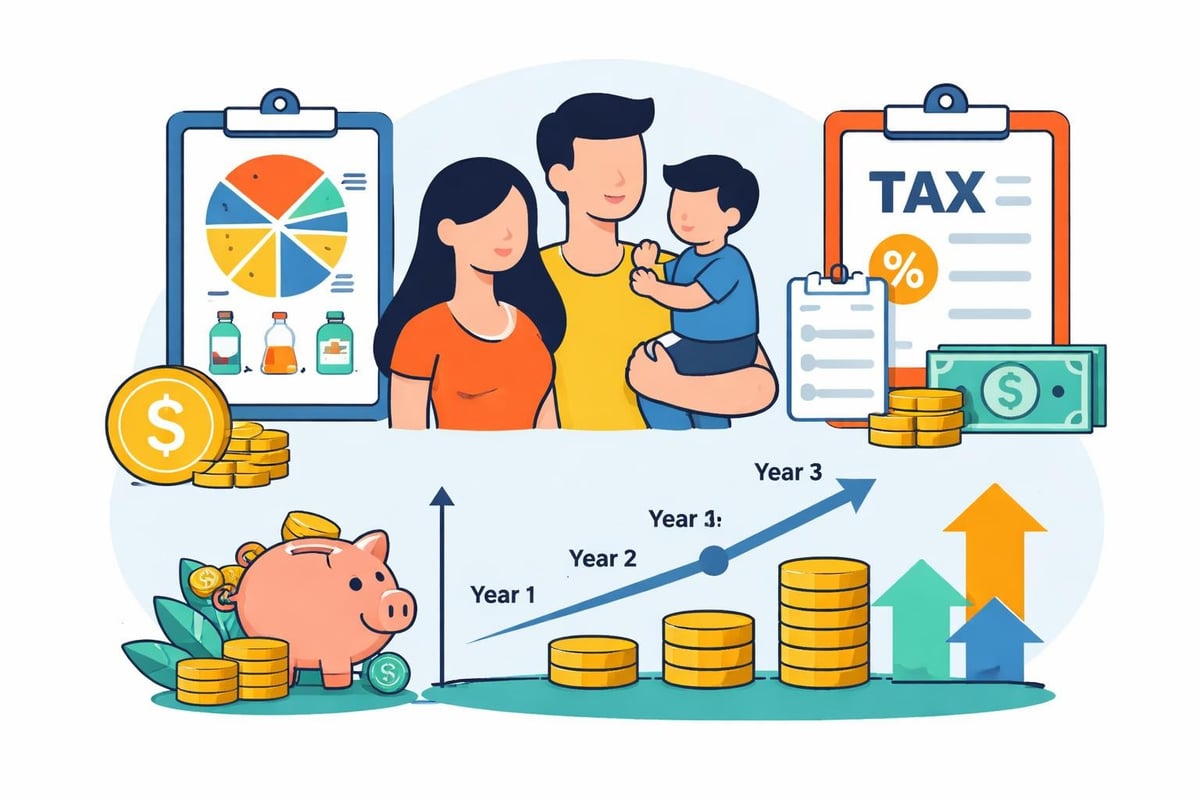
In home daycare cost typically increases 3-5% annually to account for inflation and provider business expenses. Factor these increases into your long-term financial planning, especially if you'll need care for multiple years.
Consider how costs change as your child ages. Many providers reduce rates as children transition from infant to toddler to preschool age groups. Understanding early childhood education payment structures helps you project future expenses accurately.
Making the Final Decision
Choosing in home daycare involves balancing multiple factors beyond just price. The right provider offers quality care, aligns with your parenting philosophy, and fits your budget.
Visit multiple providers to compare not just rates but also environments, philosophies, and communication styles. Trust your instincts about where your child will thrive. According to detailed cost analyses, families who prioritize fit over price alone report higher satisfaction with their childcare arrangements.
Red Flags in Pricing
Be cautious of providers whose rates seem suspiciously low compared to local averages. Extremely low pricing may indicate:
- Unlicensed or unregulated care
- Inadequate insurance coverage
- Poor quality meals or materials
- Excessive child-to-provider ratios
- Lack of professional training or credentials
Similarly, premium pricing should correlate with demonstrable value such as advanced credentials, exceptional facilities, or specialized programming.
Negotiating and Understanding Contracts
While most providers maintain consistent pricing, understanding contract terms protects both families and caregivers.
Essential Contract Elements
Every childcare agreement should clearly specify:
- Weekly or monthly rate and payment due dates
- All additional fees and circumstances that trigger them
- Vacation policies for both families and providers
- Notice requirements for schedule changes or termination
- Late pickup fees and extended hour rates
Review contracts carefully before signing. Don't hesitate to ask for clarification on any confusing terms or fees. Professional providers appreciate families who engage thoughtfully with agreements.
When Negotiation Makes Sense
Some providers offer flexibility in specific situations:
- Sibling enrollment may qualify for 10-20% discounts on second child
- Referrals sometimes earn credits toward future care
- Extended contracts (annual commitments) might reduce monthly rates
- Part-time schedules during summer months when school-age siblings are home
Approach negotiations respectfully, recognizing that quality providers deserve fair compensation for their professional services and expertise.
Staying Informed About Cost Trends
The childcare landscape continues evolving, with policy changes, workforce shortages, and increased quality standards all affecting pricing. Staying informed helps families anticipate changes and plan accordingly.
Monitor local childcare trends through parent networks, community resources, and Step by Step Care’s blog for updates on industry developments and pricing shifts.
Understanding regulatory changes in your state helps explain rate increases. Enhanced safety requirements, mandatory training, or improved staff ratios often necessitate higher fees but deliver better outcomes for children.
2026 Pricing Trends to Watch
Current trends affecting in home daycare cost include:
- Increased provider credentialing: More states require enhanced training, increasing operational costs
- Living wage movements: Fair compensation for childcare workers drives rate increases
- Technology integration: Educational apps and communication platforms add value but increase costs
- Health and safety protocols: Enhanced cleaning and safety measures require additional resources
These trends generally improve care quality while modestly increasing costs for families.
Understanding in home daycare cost empowers you to make confident childcare decisions that support your child's development without straining your family budget. Quality home-based care provides the nurturing, educational environment children need during their most formative years. If you're searching for reliable, professional home childcare that delivers exceptional value, Step by Step Care offers the personalized attention and developmental focus your family deserves. Contact us today to learn more about our programs and pricing.


