

First Step Childcare: A Complete Guide for 2026
Choosing first step childcare for your infant or toddler represents one of the most important decisions you'll make as a parent. This initial experience in a structured care environment shapes not only your child's immediate comfort and safety but also lays the groundwork for lifelong learning, social skills, and emotional development. Whether you're exploring home-based programs or considering what makes quality early care, understanding the essential components of effective first step childcare helps you make informed choices that benefit your entire family.
Understanding What First Step Childcare Really Means
First step childcare refers to the earliest stage of organized childcare services, typically serving infants and toddlers from six weeks to three years old. This critical period requires specialized care that differs significantly from preschool or kindergarten programs.
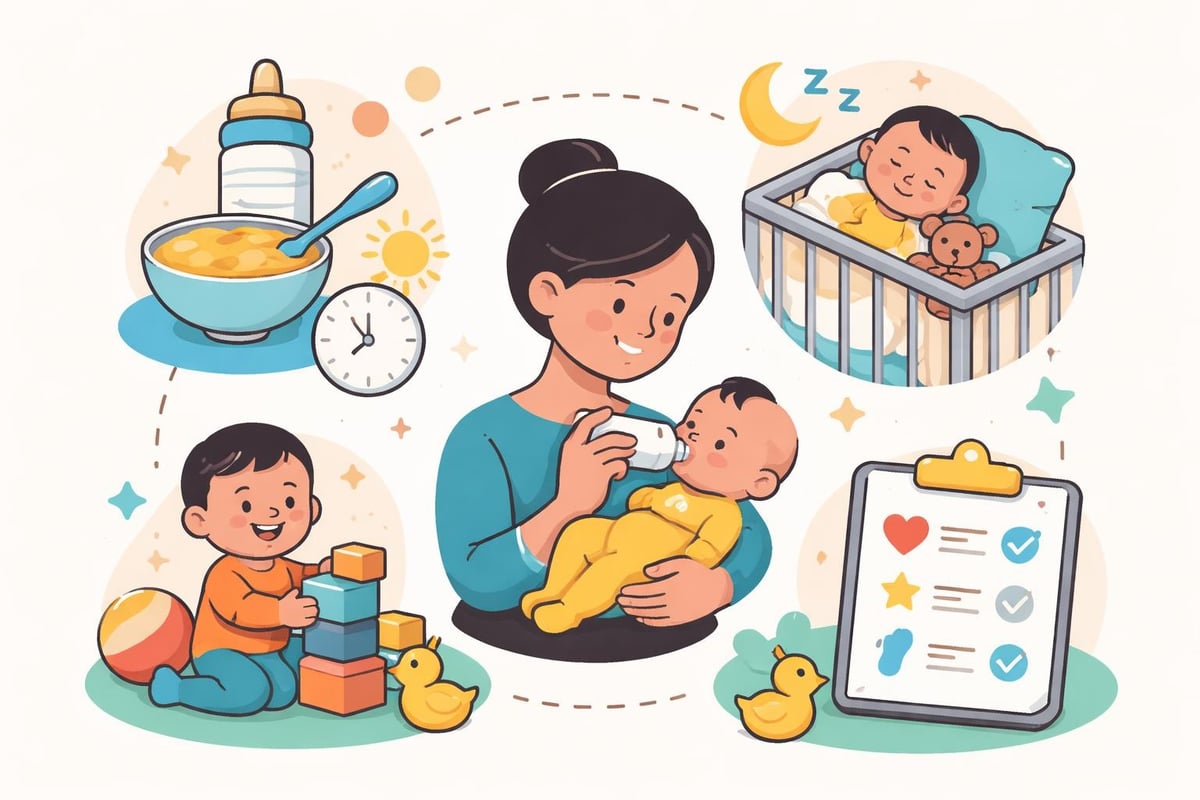
The focus during this developmental stage centers on creating secure attachments, establishing routines, and providing age-appropriate stimulation. Quality first step childcare programs recognize that very young children need individualized attention, predictable schedules, and caregivers who understand infant and toddler development. When implemented through in-home childcare settings, these programs often provide smaller ratios and more personalized care than larger centers.
Core Components of Quality Programs
Every effective first step childcare environment shares certain fundamental characteristics:
- Low child-to-caregiver ratios that allow for individualized attention
- Consistent daily routines that help children feel secure
- Safe, clean environments designed specifically for infant and toddler exploration
- Developmentally appropriate activities that support growth without overstimulation
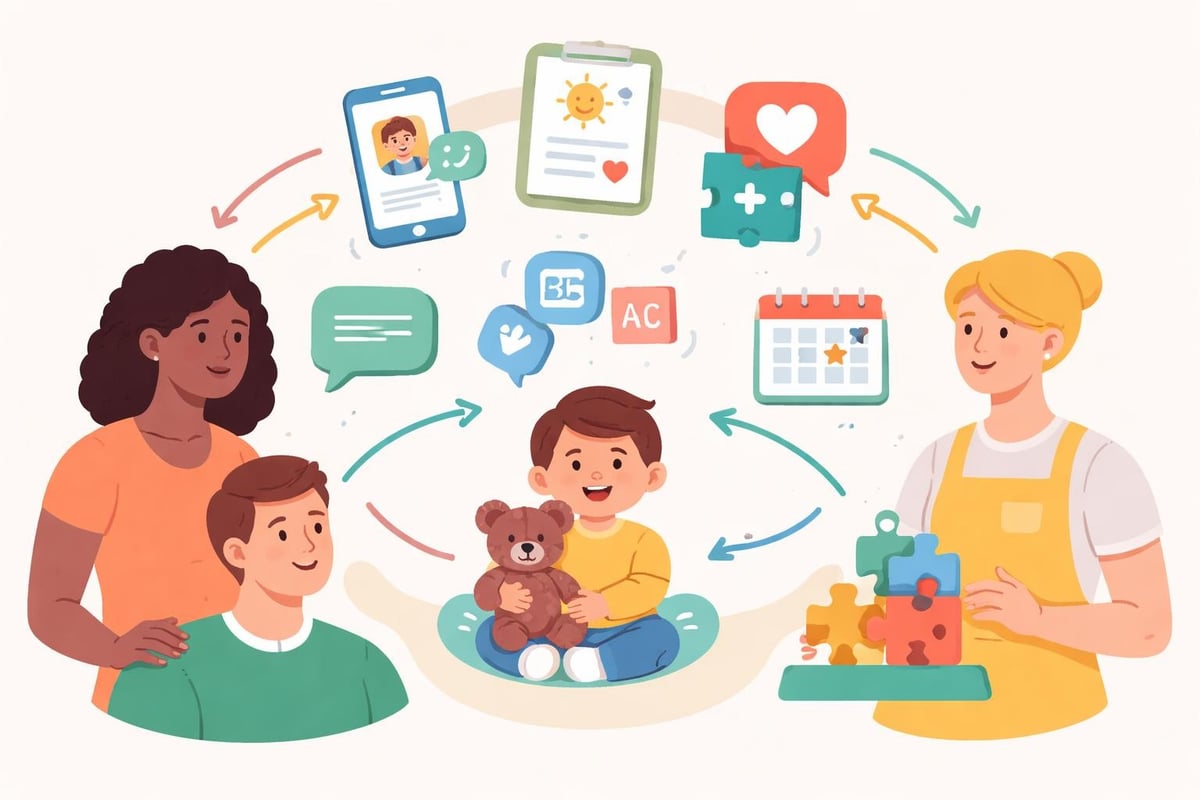
- Regular communication between caregivers and parents about daily experiences
These elements work together to create an environment where young children can thrive. The significance of proper ratios cannot be overstated because infants and toddlers require frequent feeding, diaper changes, comforting, and one-on-one interaction throughout the day.
Developmental Benefits of Early Childcare Programs
Research consistently demonstrates that quality first step childcare experiences provide substantial developmental advantages. Children enrolled in structured early care programs often show enhanced social skills, better language development, and stronger self-regulation abilities compared to those without such experiences.
Cognitive and Language Development
During the first three years of life, brain development occurs at an unprecedented rate. Quality childcare environments capitalize on this window by:
- Providing rich language exposure through conversation, singing, and reading
- Offering sensory experiences that stimulate neural connections
- Encouraging problem-solving through age-appropriate toys and activities
- Supporting early literacy through books, storytelling, and verbal interaction
- Promoting curiosity in safe, supervised exploration
Caregivers who understand developmental stages can introduce activities that challenge children appropriately while avoiding frustration. This balance supports confidence and enthusiasm for learning.
Social and Emotional Growth
First step childcare programs introduce children to social interactions outside their immediate family. Even very young infants benefit from observing other children, while toddlers begin learning fundamental social skills like sharing, waiting their turn, and expressing emotions appropriately.
The relationship between child and caregiver serves as the foundation for emotional security. Consistent, responsive care helps children develop trust and attachment, which research shows correlates with better emotional regulation and social competence later in childhood.
What to Look for When Choosing First Step Childcare
Selecting the right first step childcare program requires careful evaluation of multiple factors. Parents should approach this decision systematically, gathering information and observing potential providers before making commitments.
Licensing and Safety Standards
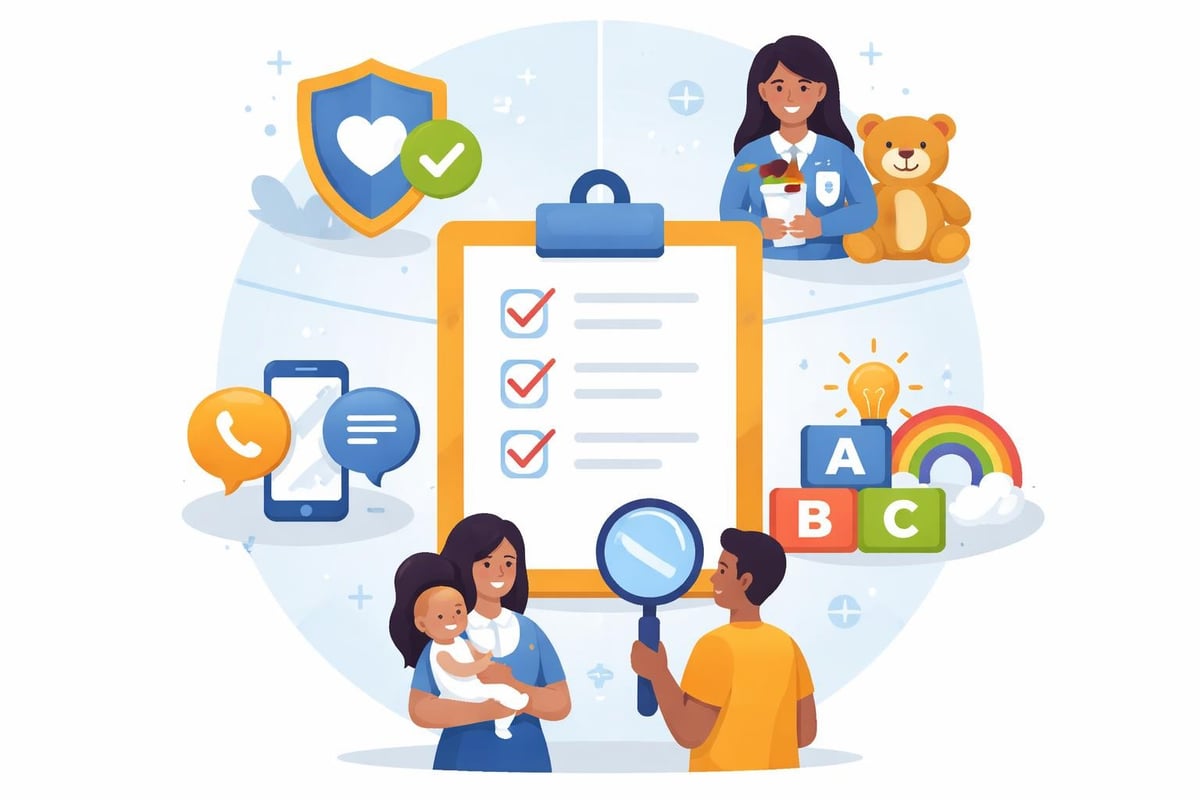
The most fundamental requirement is proper licensing and adherence to state regulations. Understanding state-specific regulations ensures that your chosen provider meets minimum safety, health, and operational standards.
Key safety considerations include:
| Safety Factor | What to Verify |
|---|---|
| Background checks | All caregivers undergo comprehensive screening |
| CPR/First Aid | Current certification for all staff members |
| Emergency plans | Written procedures for various emergency scenarios |
| Health policies | Clear guidelines for illness, medication, and hygiene |
| Environment safety | Childproofing, secure outdoor areas, clean facilities |
Beyond minimum requirements, exceptional programs exceed basic standards by implementing additional safety measures and maintaining impeccable cleanliness.
Curriculum and Daily Structure
While "curriculum" for infants and toddlers looks different from academic programs, quality first step childcare includes intentional planning. Ask potential providers about their daycare daily schedule and how they structure activities throughout the day.
Effective programs balance:
- Structured activities like circle time, music, and art
- Free play allowing child-directed exploration
- Outdoor time for physical development and fresh air
- Rest periods aligned with individual sleep needs
- Meals and snacks on consistent schedules
The best providers can articulate their educational philosophy and explain how daily activities support developmental milestones. They understand that play is the primary learning mode for young children and create opportunities for discovery within safe boundaries.
The Home-Based Childcare Advantage
Many families find that home-based first step childcare offers distinct advantages over larger center-based care, particularly for very young children. The intimate setting mimics a home environment while providing professional care and early education.
Benefits of Smaller Settings
Home childcare programs typically serve fewer children, creating opportunities for:
- Stronger individual relationships between caregivers and children
- More flexible scheduling to accommodate family needs
- Mixed-age groupings that allow siblings to stay together
- Quieter, less overwhelming environments for sensitive children
- Greater parental involvement and communication
These factors contribute to what many experts identify as key differentiators in successful childcare businesses – the ability to provide personalized attention and build genuine relationships.
Continuity and Consistency
When children remain with the same caregiver throughout their early years, they benefit from deep familiarity and trust. This continuity allows caregivers to truly understand each child's personality, preferences, and developmental pace, tailoring activities and interactions accordingly.
For parents, this relationship means working with someone who knows your family well, understands your parenting values, and can provide insights based on daily observations. The partnership between parents and caregivers becomes collaborative rather than transactional.
Financial Considerations and Planning
Understanding the costs associated with first step childcare helps families budget appropriately and explore available assistance programs. Childcare represents a significant household expense, but viewing it as an investment in your child's development provides important perspective.
Typical Cost Factors
Childcare expenses vary significantly by location, provider type, and child age. Infant care typically costs more than toddler care due to lower ratios and increased hands-on needs.
Common pricing models include:
- Full-time enrollment (typically 40-50 hours weekly)
- Part-time options for families needing fewer hours
- Drop-in or backup care at premium rates
- Sibling discounts when multiple children attend
- Registration and supply fees in addition to tuition
Many providers require deposits and advance payment, so understanding these financial obligations before enrollment prevents surprises. Starting a childcare business involves significant overhead, which necessarily factors into tuition rates.
Financial Assistance Options
Several programs help families afford quality childcare:
| Program Type | Description | Eligibility |
|---|---|---|
| Child Care Subsidies | State-funded assistance for qualifying families | Based on income and family size |
| Employer Benefits | FSA accounts or employer-sponsored childcare | Varies by employer |
| Tax Credits | Child and Dependent Care Credit | Working parents with qualifying expenses |
| Military Programs | Fee assistance for service members | Active duty and qualifying veterans |
Researching these options early in your search process helps you understand your actual out-of-pocket costs and may expand your choices.
Communication and Parent Partnership
The relationship between parents and first step childcare providers extends beyond dropping off and picking up your child. Effective communication ensures everyone works together to support the child's wellbeing and development.
Daily Communication Methods
Quality programs implement systematic communication:
- Daily reports documenting feeding, diapering, sleep, and activities
- Regular photos or videos showing your child's day
- Face-to-face conversations during transitions
- Parent communication apps for real-time updates
- Scheduled conferences to discuss development and goals
This transparency builds trust and allows parents to maintain connection with their child's experiences throughout the day. It also ensures consistency between home and childcare routines.
Addressing Concerns and Changes
Open communication becomes particularly important when concerns arise or circumstances change. Whether discussing developmental questions, behavioral challenges, or schedule adjustments, responsive providers welcome parent input and work collaboratively toward solutions.
Parents should feel comfortable asking questions, sharing observations, and requesting modifications to care approaches. Likewise, caregivers should feel empowered to share both positive observations and areas where children might need additional support.
Preparing Your Child for First Step Childcare
The transition to first step childcare affects both children and parents. Preparation strategies help ease this adjustment and set the stage for positive experiences.
Gradual Transition Strategies
Rather than starting full-time immediately, consider:
- Short visits where you stay with your child initially
- Gradually increasing time over several days or weeks
- Maintaining consistent routines at home during the adjustment
- Creating goodbye rituals that provide closure without prolonging separation
- Staying positive about the experience in your child's presence
Young children pick up on parental anxiety, so managing your own emotions about separation helps your child feel more secure. Trust in your chosen provider makes this easier.
Essential Supplies and Preparation
Most first step childcare programs require specific supplies:
- Extra clothing including weather-appropriate outerwear
- Diapers and wipes (or contribution to shared supplies)
- Bottles, formula, or breast milk with clear labeling
- Comfort items like pacifiers or small blankets
- Medications with proper authorization forms
Label everything with your child's name to prevent mix-ups. Understanding the essential supplies for in-home daycares from a provider perspective can help you anticipate needs.
Red Flags and Warning Signs
While most childcare providers offer caring, professional services, parents should remain alert to potential problems. Recognizing warning signs protects your child and helps you make necessary changes if concerns arise.
Indicators of Quality Concerns
Watch for these potential issues:
- High staff turnover affecting relationship continuity
- Reluctance to allow unannounced visits or limiting parent access
- Poor communication or unresponsiveness to questions
- Unexplained injuries or illnesses without clear explanation
- Behavioral changes in your child suggesting distress
- Cleanliness issues or safety hazards in the environment
Trust your instincts. If something feels wrong, investigate further and don't hesitate to make changes. Your child's safety and wellbeing always take precedence over convenience or cost considerations.
Long-Term Impact of Quality Early Care
Research spanning decades demonstrates that experiences in first step childcare programs influence trajectories well beyond the toddler years. Quality early care correlates with better academic performance, stronger social skills, and even improved outcomes in adulthood.
Building Foundation Skills
The competencies developed during the first three years create scaffolding for future learning:
- Self-regulation learned through consistent routines and guidance
- Social awareness developed through interaction with peers
- Language skills enhanced by rich verbal environments
- Curiosity and exploration encouraged in safe settings
- Emotional security fostered through responsive caregiving
These capabilities compound over time, making early investment in quality care particularly valuable. While all children develop at their own pace, supportive environments optimize outcomes.
Creating Positive Learning Associations
Perhaps equally important, positive first step childcare experiences teach children that learning environments are safe, interesting, and enjoyable. This foundational attitude toward structured settings influences how children approach school and other educational opportunities throughout their lives.
Children who feel secure, valued, and stimulated in early care settings develop confidence in their ability to navigate new situations and build relationships with caring adults outside their family circle.
Transitioning to Next Stages
While first step childcare focuses on the earliest years, planning for transitions helps maintain continuity as children grow. Understanding how early care connects to subsequent educational stages provides helpful perspective.
Moving to Preschool Programs
Many children transition from infant-toddler programs to preschool settings around age three. This shift brings new experiences:
Key differences include:
| First Step Childcare | Preschool Programs |
|---|---|
| Focus on care and basic development | Emphasis on pre-academic skills |
| Smaller ratios and more hands-on care | Larger groups with more independence |
| Flexible, routine-based schedules | Structured curriculum and activities |
| Individual pacing | Group learning experiences |
Quality first step childcare programs prepare children for this transition by gradually introducing more structured activities and encouraging independence in self-care skills like potty training and self-feeding.
Maintaining Relationships
Even after children move to different programs, the relationships built during first step childcare often continue. Many families maintain connections with early caregivers, recognizing the special bond formed during these formative years.
Some home-based providers offer extended care for school-age children, allowing siblings to remain together or providing before and after-school care as children grow. This continuity benefits families and children alike.
Making the Final Decision
After researching options, visiting programs, and evaluating your family's needs, the final decision often comes down to both practical considerations and gut feelings. Balancing these factors leads to choices you can feel confident about.
Trusting Your Assessment
Your observations during visits provide crucial information. Notice how caregivers interact with children, how the environment feels, and whether the program aligns with your family's values and needs. For families exploring options, reviewing parent reviews can offer valuable perspectives from others who have made similar decisions.
Consider creating a simple comparison chart listing your top priorities and how each program addresses them. This systematic approach complements your intuitive reactions, ensuring both logical and emotional factors inform your choice.
Starting the Relationship
Once you've selected first step childcare, invest in building a strong partnership with your provider. Share information about your child's temperament, preferences, routines, and any special considerations. The more your caregiver understands your child from the beginning, the smoother the transition will be.
Remember that adjustment takes time. Give your child and your provider opportunity to develop their relationship while maintaining open communication about how things are progressing. Most children adapt within a few weeks, though individual timelines vary.
Selecting first step childcare sets the foundation for your child's early learning journey and provides peace of mind as you balance work and family responsibilities. By prioritizing safety, developmental appropriateness, and genuine care, you can find an environment where your child will thrive during these crucial early years. At Step by Step Care, we understand the importance of this decision and offer personalized, home-based childcare that supports each child's unique developmental path while building lasting relationships with families.


