

Second Home Daycare: A Comprehensive Guide for Parents
Finding quality childcare that feels like a genuine extension of your family can be one of the most challenging decisions parents face. A second home daycare provides that unique blend of professional care and home-like warmth, creating an environment where children thrive while parents work with confidence. This type of care setting bridges the gap between traditional daycare centers and family-based care, offering personalized attention in a comfortable, residential environment that truly becomes a child's home away from home.
Understanding the Second Home Daycare Model
A second home daycare operates from a caregiver's residence, providing licensed childcare services in a home-based setting. Unlike large institutional centers, these programs typically serve smaller groups of children, usually between four and twelve kids depending on state regulations and provider licensing level.
The residential nature creates a fundamentally different experience. Children develop relationships with caregivers who often maintain the same program for years, creating stability and continuity. The home environment means real kitchens, living spaces, and outdoor yards rather than commercial facilities.
Key Characteristics That Define Quality Programs
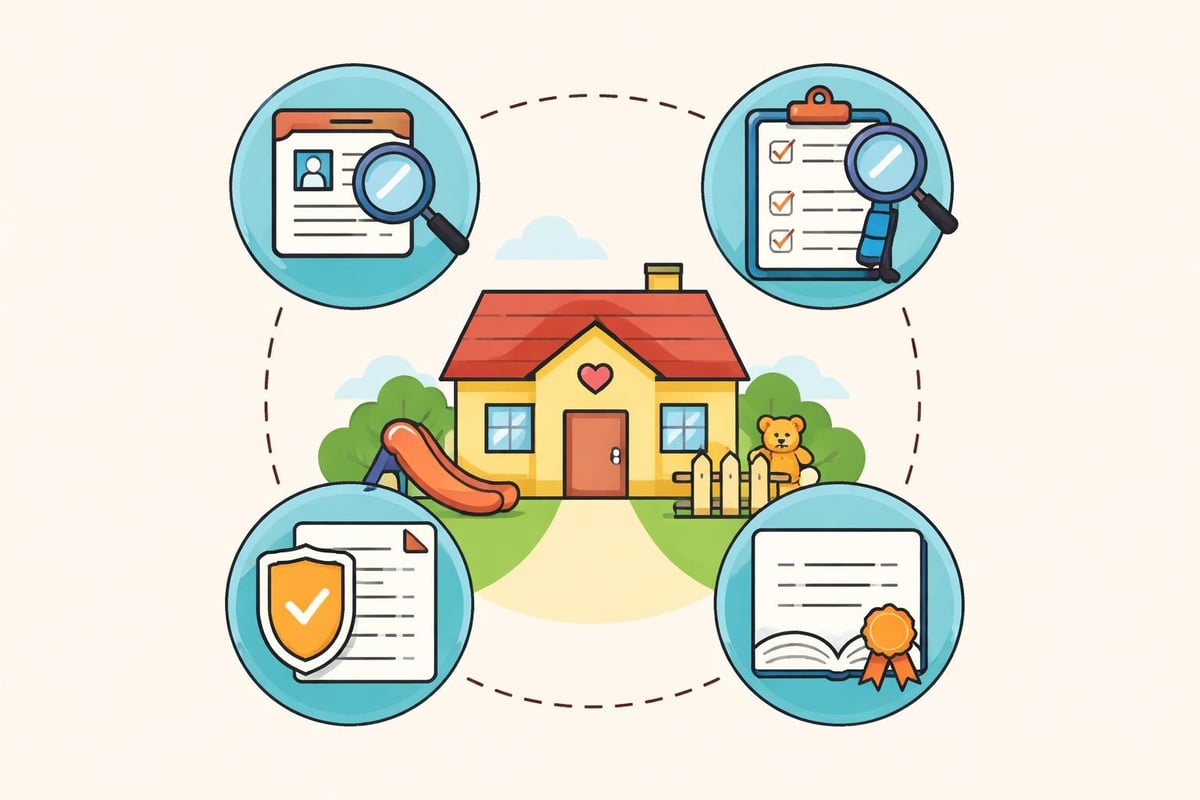
Licensed second home daycare providers must meet specific regulatory requirements:
- Background checks and fingerprinting for all household members
- Home safety inspections covering fire safety, hazardous materials, and structural integrity
- Minimum square footage per child for indoor and outdoor spaces
- Regular health and safety training certifications
- Documented emergency preparedness plans
Operational standards distinguish professional programs:
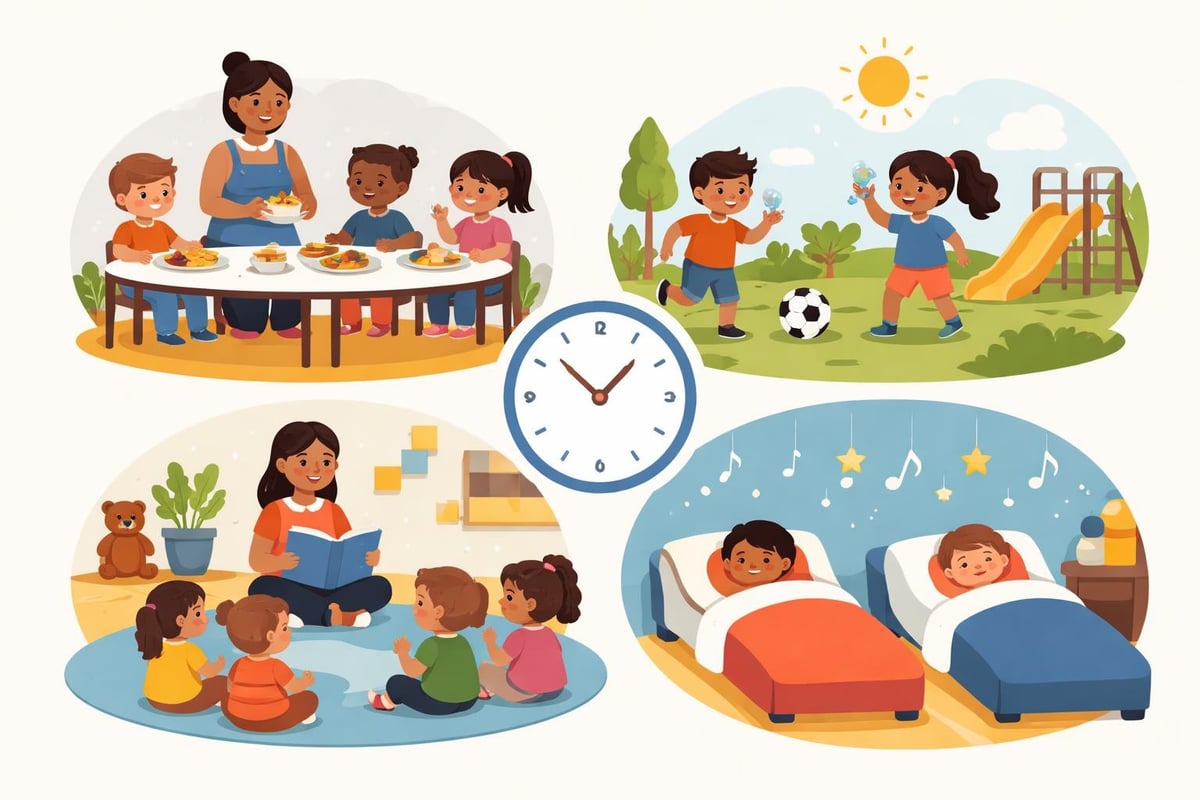
- Structured daily schedules balancing play, learning, meals, and rest
- Age-appropriate curriculum aligned with early childhood development standards
- Clear policies for illness, behavior management, and parent communication
- Professional liability insurance and business licensing
- Ongoing professional development for caregivers
Benefits of Choosing a Second Home Daycare Environment
The second home daycare model offers distinct advantages that appeal to families seeking personalized care. These benefits extend beyond simple convenience to impact child development and family dynamics significantly.
Personalized Attention and Lower Ratios
Smaller group sizes mean each child receives more individualized attention throughout the day. Providers get to know each child's personality, learning style, preferences, and needs intimately. This relationship depth allows caregivers to respond to developmental stages more effectively than institutional settings permit.
Typical ratio advantages include:
| Age Group | Center Ratio | Second Home Daycare Ratio |
|---|---|---|
| Infants (0-12 months) | 1:4 | 1:2 or 1:3 |
| Toddlers (1-2 years) | 1:6 | 1:3 or 1:4 |
| Preschool (3-5 years) | 1:10 | 1:5 or 1:6 |
Mixed-Age Learning Opportunities
Unlike age-segregated centers, second home daycare programs naturally create mixed-age groups that mirror family structures. Younger children learn by observing older peers, while older children develop leadership and nurturing skills helping younger ones.
This dynamic accelerates social-emotional development and creates a community feel. Siblings can stay together rather than being separated by age, reducing anxiety and strengthening family bonds. In-home childcare environments excel at creating these natural learning communities.
Flexible Scheduling and Family Partnership
Many second home daycare providers offer scheduling flexibility that larger centers cannot accommodate. Part-time arrangements, non-traditional hours, and seasonal adjustments often work because providers manage their own schedules and have direct relationships with families.
The partnership between parents and providers tends to be more collaborative. Daily communication happens naturally during pickup and dropoff, and providers often accommodate individual family needs regarding meals, naps, or routines.
Evaluating Second Home Daycare Quality Standards
Not all second home daycare programs meet the same quality benchmarks. Parents need frameworks for evaluating potential providers beyond licensing compliance.
Physical Environment Assessment
Indoor spaces should demonstrate:
- Clean, well-maintained rooms with adequate natural lighting
- Age-appropriate furniture sized for children
- Organized toy and material storage promoting independence
- Designated areas for different activities (quiet reading, active play, meals)
- Safety features including outlet covers, secured cabinets, and gated stairs
Outdoor areas require:
- Fenced yard spaces with safe boundaries
- Age-appropriate play equipment properly maintained
- Soft landing surfaces under climbing structures
- Shaded areas for hot weather play
- Separation from hazards like pools, driveways, or tool sheds
Curriculum and Daily Structure
Quality programs balance structure with flexibility. A well-designed daycare daily schedule incorporates learning opportunities throughout natural routines while remaining responsive to children's needs and interests.
Essential curriculum components include:
- Language and literacy activities through books, songs, and conversation
- Mathematical thinking via counting, sorting, and pattern recognition
- Scientific exploration encouraging curiosity and investigation
- Creative expression through art, music, and dramatic play
- Physical development supporting both fine and gross motor skills
Provider Qualifications and Experience
The caregiver's background significantly impacts program quality. Beyond minimum licensing requirements, consider education, specialized training, and practical experience.
| Qualification Level | Description | Impact on Quality |
|---|---|---|
| High school + licensing | Meets minimum state requirements | Basic safety and care |
| CDA credential | 120-hour specialized early childhood training | Developmental understanding |
| Associate degree | Two-year early childhood education focus | Curriculum design skills |
| Bachelor's degree | Four-year child development or education | Advanced teaching strategies |
Many experienced providers pursue qualifications for early childhood education beyond initial licensing to enhance their programs continuously.
Navigating Licensing and Safety Regulations
Understanding regulatory frameworks helps parents make informed decisions and recognize compliant providers. Each state maintains specific requirements for second home daycare operations.
State Licensing Tiers and Capacity Limits
Most states classify home-based programs into tiers based on the number of children served. These classifications determine inspection frequency, training requirements, and operational standards.
Common licensing structures include:
- Family childcare homes: Serving 4-6 children including provider's own kids
- Group family childcare: Serving 7-12 children with assistant caregivers required
- Large family childcare: Serving 13+ children with additional staff and stricter commercial-style regulations
Capacity limits factor in children's ages, as infants and toddlers require more intensive supervision than preschoolers. Providers must maintain ratios at all times, including when their own children are present.
Health and Safety Compliance Essentials
Regulatory compliance ensures baseline safety, but excellent providers exceed minimum standards. Understanding these requirements helps parents ask informed questions during facility tours.
Critical safety elements include:
- Working smoke detectors on every level and carbon monoxide detectors
- Accessible fire extinguishers with current inspections
- Posted emergency evacuation plans and regular drills
- Locked storage for medications, cleaning supplies, and hazardous items
- Safe sleep environments following current SIDS prevention guidelines
- Current CPR and first aid certifications for all caregivers
Health policies should clearly outline illness exclusion criteria, medication administration procedures, and immunization requirements. Transparent communication about these policies protects all children in care.
Financial Considerations and Value Comparison
Second home daycare rates typically fall between informal family care arrangements and large center-based programs. Understanding cost structures helps families budget appropriately while recognizing value beyond price alone.
Typical Rate Structures in 2026
Pricing varies significantly by region, provider qualifications, and services included. Urban and suburban areas command higher rates reflecting cost of living and demand factors.
National average ranges:
- Infants: $800-$1,400 per month for full-time care
- Toddlers: $700-$1,200 per month for full-time care
- Preschoolers: $600-$1,000 per month for full-time care
Part-time options generally calculate as daily or hourly rates rather than proportional monthly fees. Many providers require registration fees, supply fees, or deposits separate from tuition.
What's Included in Tuition
Understanding what services tuition covers prevents unexpected expenses. Quality programs clearly communicate included services versus additional fees.
Standard inclusions typically cover:
- All meals and snacks meeting USDA nutritional guidelines
- Diapers and wipes (policies vary by provider)
- Educational materials, supplies, and curriculum resources
- Outdoor equipment and age-appropriate toys
- Basic first aid supplies and routine care items
Potential additional costs might include:
- Field trips or special enrichment activities
- Professional photos or year-end memory books
- Extended hours beyond standard operating times
- Holiday or summer camp premium weeks
Making the Selection Decision
Choosing a second home daycare requires balancing multiple factors including location, cost, philosophy, and practical considerations. A systematic evaluation process leads to better family-provider matches.
Essential Questions for Provider Interviews
Licensing and background:
- What is your licensing classification and current status?
- How long have you operated your program?
- What is your educational background in early childhood?
- Can you provide references from current and former families?
Daily operations:
- What is your typical infant daycare daily schedule or routine?
- How do you handle discipline and challenging behaviors?
- What is your backup care plan when you're ill or on vacation?
- How do you communicate with parents about daily activities and concerns?
Philosophy and approach:
- What curriculum or educational philosophy guides your program?
- How do you support children's social-emotional development?
- What role do outdoor play and physical activity play in your program?
- How do you individualize care for different developmental stages?
Trial Periods and Transition Planning
Most quality providers welcome trial visits or gradual transition schedules. These adjustment periods benefit both children and families, reducing separation anxiety and building trust.
Effective transition strategies include:
- Initial tour without child to discuss logistics openly
- Short visit with child present while parent stays
- Brief dropoff with parent remaining nearby
- Gradual extension of stay duration over several days
- Regular check-ins during first weeks to address concerns
Pay attention to how your child responds to the environment and provider. While some adjustment period is normal, persistent distress or regression may signal a poor fit requiring reconsideration.
Building Long-Term Provider Relationships
The most successful second home daycare experiences develop from strong partnerships between families and providers. These relationships require ongoing communication, mutual respect, and shared commitment to children's wellbeing.
Communication Best Practices
Establish clear communication expectations from the beginning. Most providers use multiple methods to keep parents informed about daily activities, developmental progress, and program updates.
Effective communication channels include:
- Daily verbal updates during pickup covering meals, activities, and highlights
- Written communication logs for infants detailing feedings, diaper changes, and sleep
- Weekly or monthly newsletters sharing curriculum themes and upcoming events
- Digital apps allowing photo sharing and real-time updates
- Scheduled parent-teacher conferences discussing developmental progress
Respect providers' off-hours while maintaining accessibility for genuine emergencies. Clear boundaries protect providers from burnout while ensuring parents can reach caregivers when truly necessary.
Supporting Your Provider's Professional Growth
Quality providers invest continuously in professional development, staying current with best practices and early childhood research. Families can support this growth through encouragement, flexibility for training attendance, and appreciation for enhanced skills.
Many experienced home providers offer insights and resources families find valuable beyond daily care. They often notice developmental milestones or concerns before parents, serving as partners in children's growth journey.
Choosing second home daycare represents a significant decision that impacts your child's early development and your family's daily life. The right provider creates a nurturing environment where children build foundational skills while feeling secure and valued. At Step by Step Care, we understand the importance of that second home feeling, providing personalized attention in a warm, structured environment where every child thrives. Contact us today to learn how our program can become your family's trusted childcare partner.


