

Early Learning Childcare: Quality Programs for Development
The first five years of a child's life represent the most critical period for brain development, social skills, and emotional regulation. During this time, quality early learning childcare provides the foundation children need to thrive academically, socially, and emotionally. Parents seeking the right environment for their young ones need to understand what distinguishes exceptional early learning programs from basic supervision. The right childcare setting combines nurturing care with intentional educational activities that prepare children for lifelong success.
Understanding Early Learning Childcare Fundamentals
Early learning childcare encompasses far more than keeping children safe while parents work. It represents a comprehensive approach to child development that integrates play-based learning, social-emotional support, and age-appropriate educational activities. These programs focus on the whole child, addressing physical, cognitive, language, and social-emotional development simultaneously.
Quality early learning childcare providers recognize that every interaction becomes a teaching moment. When a caregiver responds to an infant's babbling, they're building language skills. When toddlers negotiate sharing toys, they're developing conflict resolution abilities. These everyday experiences form the building blocks of learning.
The Science Behind Early Development
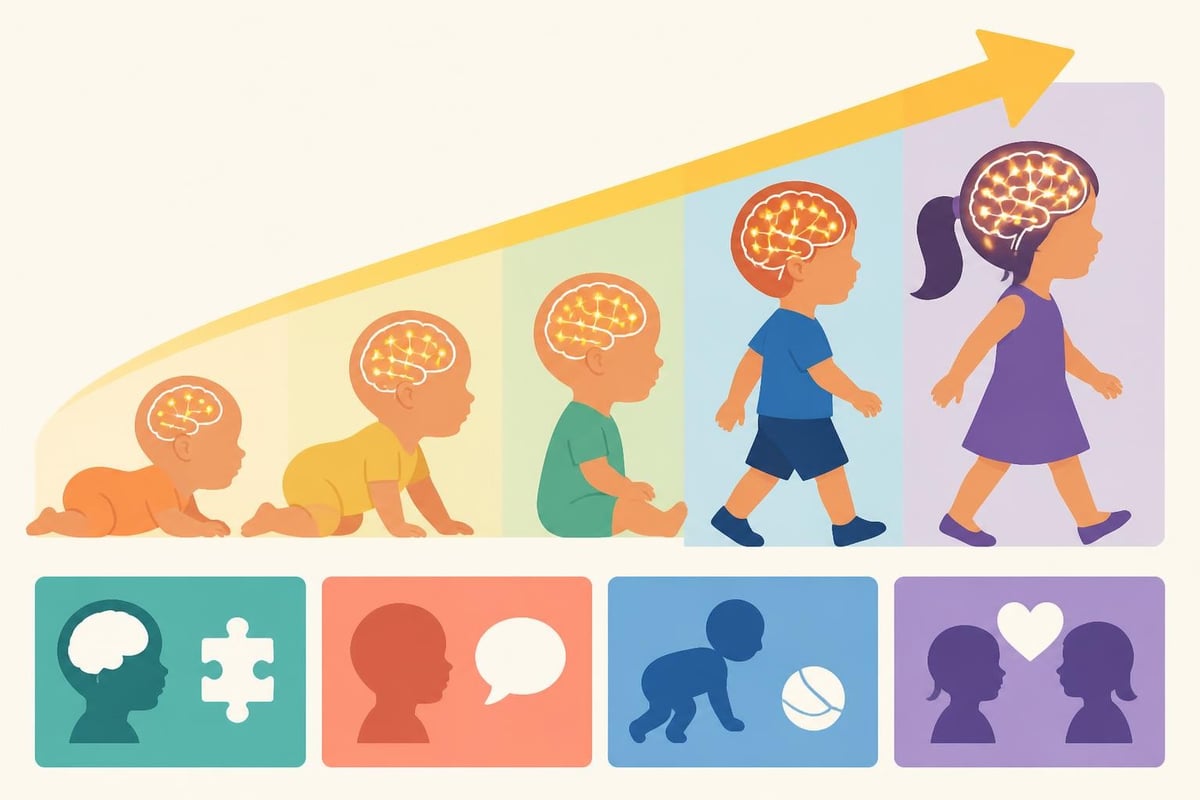
Research consistently demonstrates that the first three years establish neural pathways that influence lifelong learning capacity. During this period, children's brains form over one million neural connections per second. This rapid development makes high-quality early experiences essential.
Key developmental areas in early learning childcare include:
- Cognitive development through exploration and problem-solving
- Language acquisition via conversations and storytelling
- Fine and gross motor skills through physical activities
- Social-emotional growth during peer interactions
- Self-regulation abilities developed through consistent routines
The Pennsylvania Early Learning Standards outline comprehensive frameworks that guide quality programs, ensuring children receive developmentally appropriate experiences across all domains.
Choosing Quality Early Learning Environments
Selecting the right early learning childcare setting requires careful evaluation of multiple factors. Parents should look beyond convenient locations and competitive pricing to assess the quality of care and educational programming their child will receive.
Home-Based vs. Center-Based Care
Home-based childcare offers unique advantages for early learners. These intimate settings typically maintain smaller group sizes, allowing caregivers to provide individualized attention and create family-like atmospheres. Children in home environments often experience mixed-age groupings, promoting peer learning as older children model behaviors for younger ones.
Step by Step Care exemplifies quality childhood care education in a home setting, where children receive personalized attention within a nurturing environment. Home providers can adapt daily schedules to match individual children's rhythms while maintaining consistent routines.
| Feature | Home-Based Care | Center-Based Care |
|---|---|---|
| Group Size | 6-8 children typically | 15-20+ per classroom |
| Adult-to-Child Ratio | Often 1:4 or better | Varies by age/regulations |
| Environment | Home-like, intimate | Structured, classroom-style |
| Flexibility | Higher schedule adaptability | Fixed operating hours |
| Mixed-Age Learning | Common practice | Usually age-segregated |
Essential Quality Indicators
When evaluating early learning childcare options, parents should observe specific quality markers. Professional caregivers maintain organized environments with clearly defined learning areas. These spaces include quiet zones for reading, active areas for physical play, and creative stations for art and exploration.
The UK’s guidance for childcare providers emphasizes the importance of qualified staff, developmentally appropriate curricula, and regular assessment practices. These elements combine to create effective learning environments.
Critical evaluation criteria:
- Caregiver qualifications and ongoing professional development
- Low child-to-staff ratios ensuring individual attention
- Clean, safe, stimulating physical environments
- Structured yet flexible daily schedules
- Regular communication with families
- Age-appropriate materials and activities
- Evidence of curriculum planning and child assessment
Daily Programming in Early Learning Settings
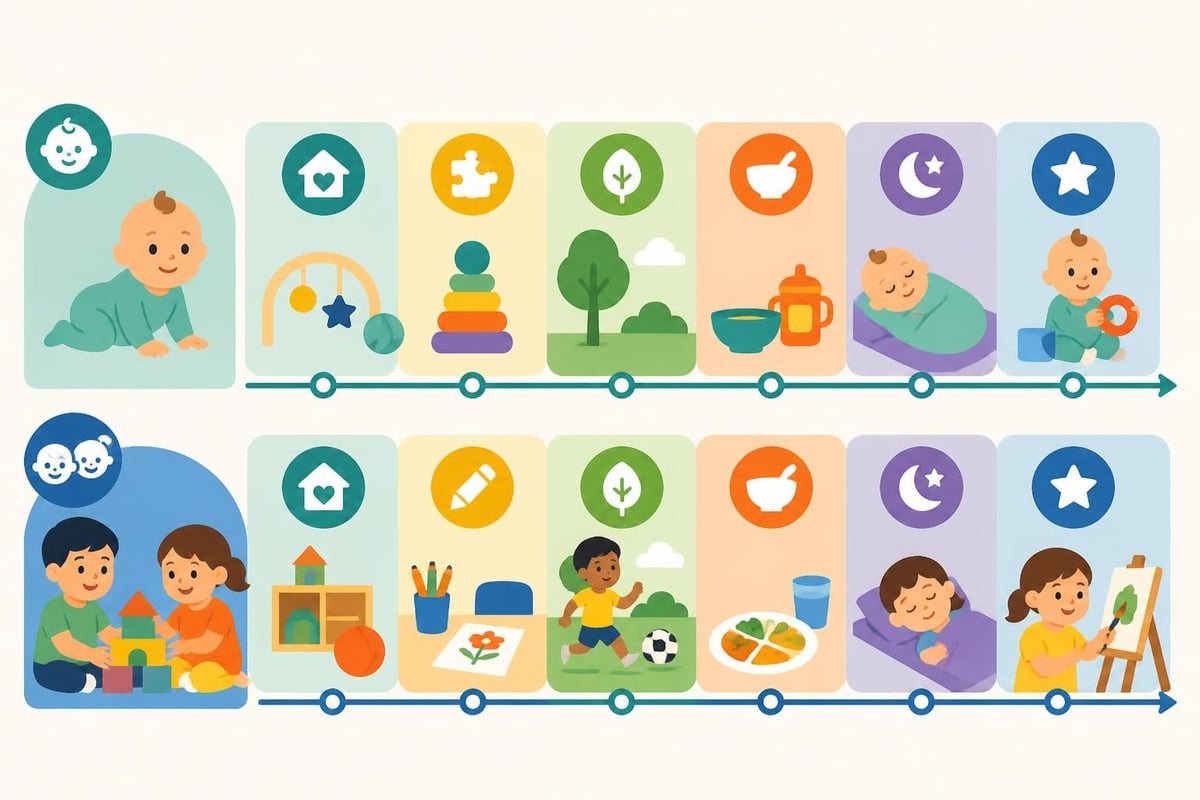
Effective early learning childcare balances structured activities with child-directed play. The daily schedule provides predictability that helps children feel secure while offering varied experiences that promote development across all domains.
Morning Routines and Arrival
Morning hours in quality programs begin with warm greetings that help children transition from home. Caregivers engage in brief conversations with parents to share relevant information about the child's needs for the day. This communication builds the partnership essential for consistent care.
Free play during arrival time allows children to ease into the day at their own pace. Caregivers observe these interactions, noting social behaviors and interests that inform later activity planning.
Structured Learning Activities
Mid-morning typically includes teacher-directed activities focused on specific developmental goals. Circle time brings children together for songs, stories, and group discussions that build language skills and social awareness. Infant care requires special attention to individual schedules, with younger children following eat-sleep-play rhythms rather than group schedules.
Theme-based learning helps connect activities across the week. A unit on community helpers might include:
- Reading books about firefighters and doctors
- Dramatic play with career-related props
- Art projects creating community helper crafts
- Field trips or virtual tours of local facilities
- Songs and movement activities reinforcing concepts
Assessment and Documentation Practices
Quality early learning childcare programs implement systematic observation and documentation processes. These practices help caregivers track each child's progress, identify areas needing support, and celebrate developmental achievements.
Observation Methods
Skilled caregivers observe children continuously throughout the day, noting significant moments that reveal developmental progress. These observations might be recorded through:
- Anecdotal notes capturing specific behaviors or interactions
- Photographs documenting children's work and play
- Video clips showing skill development
- Work samples from art and writing activities
- Developmental checklists tracking milestone achievement
The Illinois Early Learning Project’s guidance on assessment emphasizes using multiple methods to create comprehensive developmental pictures. This approach ensures caregivers recognize each child's unique strengths and needs.
Family Communication
Regular documentation sharing strengthens family partnerships. Quality providers establish consistent communication patterns through daily reports, weekly newsletters, and scheduled conferences. Digital platforms now enable real-time sharing of photos and updates, helping parents stay connected to their child's day.
Parents appreciate seeing concrete evidence of their child's learning and growth. When caregivers share a photo of a toddler successfully stacking blocks with notes about developing spatial reasoning, it makes abstract developmental concepts tangible.
Creating Developmentally Appropriate Experiences
Early learning childcare must align activities with children's developmental stages. What engages and educates an infant differs dramatically from appropriate experiences for preschoolers. Understanding these distinctions ensures children receive optimal support.
Infant Programming (0-12 months)
Infants require responsive, relationship-based care focused on building secure attachments. Quality learning childcare for this age group prioritizes:
- Consistent caregivers who learn each baby's unique cues
- Flexible scheduling respecting individual sleep and feeding patterns
- Rich language exposure through narration and conversation
- Tummy time and movement opportunities for motor development
- Sensory experiences with varied textures, sounds, and visuals
Toddler Activities (12-36 months)
Toddlers need safe environments for exploration and autonomy development. Their programming includes more structured group activities while honoring their emerging independence. Effective toddler care balances the need for routine with opportunities for choice.
Toddler-appropriate activities include:
- Simple art projects developing fine motor skills
- Music and movement supporting physical coordination
- Dramatic play encouraging imagination and social skills
- Outdoor exploration connecting children with nature
- Self-help skill practice during meals and transitions
Preschool Learning (3-5 years)
Preschoolers benefit from increasingly complex activities preparing them for kindergarten. The Rhode Island curriculum frameworks outline high-quality instructional practices that support school readiness while maintaining play-based approaches.
| Developmental Domain | Infant Focus | Toddler Focus | Preschool Focus |
|---|---|---|---|
| Cognitive | Cause-effect exploration | Simple problem-solving | Logical reasoning, pre-math |
| Language | Listening, babbling | Two-word phrases | Complex sentences, stories |
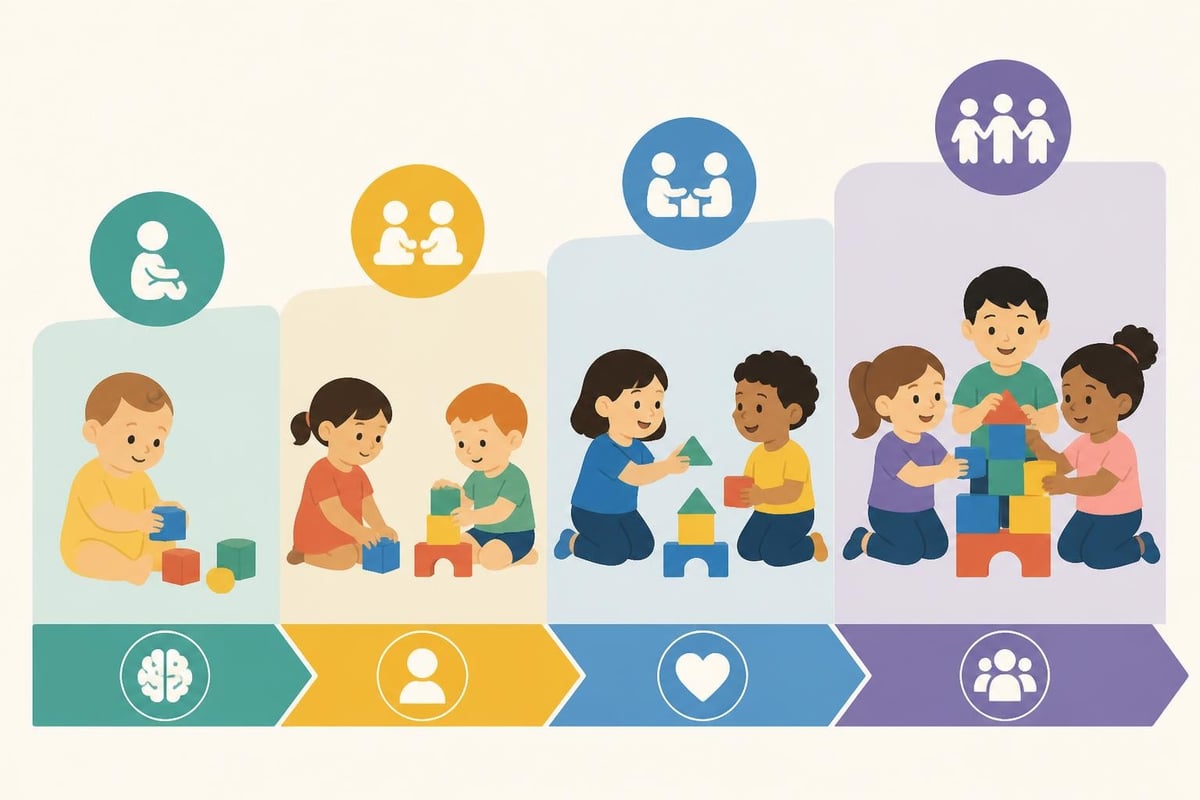
| Social-Emotional | Attachment security | Parallel play | Cooperative play, empathy |
| Physical | Reaching, crawling | Walking, climbing | Running, balancing, writing |
The Role of Play in Early Learning
Play represents children's primary learning mechanism during early childhood. Through play, children explore concepts, test hypotheses, practice social skills, and express emotions. Quality early learning childcare recognizes play's educational value and intentionally supports various play types.
Types of Educational Play
Different play forms serve distinct developmental purposes. Solitary play allows children to develop focus and imagination. Parallel play, common in toddlers, builds comfort with peers. Cooperative play develops negotiation and teamwork skills.
Dramatic play deserves special attention in early learning environments. When children pretend to cook, care for babies, or operate stores, they practice real-world skills in safe contexts. They experiment with adult roles, work through challenging emotions, and build language through role-playing conversations.
Outdoor Learning Opportunities
Nature provides unmatched learning opportunities. Outdoor time in early learning childcare supports physical development through active play while offering rich sensory experiences. Children observe seasonal changes, investigate insects, and develop appreciation for the natural world.
Quality programs ensure daily outdoor access regardless of weather. Appropriate clothing allows children to experience rain, snow, and varying temperatures safely. These experiences build resilience while connecting children to their environment.
Supporting Diverse Learners
Early learning childcare programs serve children with varying abilities, backgrounds, and learning styles. Inclusive practices ensure all children receive appropriate support and challenge.
Individualized Learning Approaches
Effective caregivers recognize that children develop along different timelines. While developmental milestones provide useful guides, they represent averages rather than rigid expectations. Quality programs celebrate each child's unique path while identifying those needing additional support.
Differentiation strategies help caregivers meet varied needs within group settings. During art activities, providers might offer pre-cut shapes for children developing scissor skills while giving advanced cutters complex patterns. This approach ensures all children experience success.
Cultural Responsiveness
Children thrive when they see their families and cultures reflected in their learning environment. Culturally responsive early learning childcare includes diverse books, dramatic play materials representing various cultures, and celebrations acknowledging different traditions.
The ECTA Center’s research resources provide evidence-based strategies for creating inclusive, culturally responsive environments that honor each family's values and practices.
Health, Safety, and Nutrition Standards
Physical well-being forms the foundation for learning. Early learning childcare providers maintain rigorous health and safety protocols while offering nutritious meals that fuel growing bodies and brains.
Safety Protocols
Quality programs implement comprehensive safety measures including:
- Regular facility inspections identifying potential hazards
- Secure entry systems preventing unauthorized access
- Emergency preparedness plans with regular drills
- Current CPR and first aid certifications for all staff
- Appropriate supervision ratios maintained at all times
- Safe sleep practices for infants following current guidelines
Nutritional Programming
Meals and snacks provide more than sustenance. They offer learning opportunities about healthy eating, cultural foods, and social skills. Family-style dining, where children serve themselves, builds independence and math skills through portion estimation.
Quality providers accommodate dietary restrictions and cultural preferences while introducing children to varied, nutritious foods. Cooking activities transform nutrition education into hands-on learning experiences.
Building Strong Family Partnerships
Effective early learning childcare depends on strong partnerships between caregivers and families. Parents possess irreplaceable knowledge about their children's personalities, preferences, and needs. Providers contribute professional expertise in child development and educational practices.
Communication Strategies
Regular, two-way communication keeps families informed and engaged. Quality programs establish multiple communication channels accommodating different preferences. Some parents prefer face-to-face conversations during pickup, while others appreciate detailed written reports or digital updates throughout the day.
Early childhood education and care works best when caregivers and parents maintain consistent approaches. When a family works on potty training at home, coordinated efforts at the childcare setting accelerate success.
Family Involvement Opportunities
Welcoming families into the program strengthens connections and enriches children's experiences. Involvement opportunities might include:
- Parent education workshops on developmental topics
- Family events celebrating holidays or milestones
- Volunteer opportunities for special activities
- Parent committees providing program input
- Home visit programs building caregiver-family relationships
The Kentucky Department of Education’s family resources offer valuable information helping families support their children's development at home, extending learning beyond the childcare setting.
Professional Development for Early Educators
Quality in early learning childcare depends heavily on caregiver knowledge and skills. Ongoing professional development ensures providers remain current with best practices and continue growing in their profession.
Training Requirements and Opportunities
Most states establish minimum training requirements for childcare providers. However, quality programs exceed these minimums, supporting staff participation in workshops, conferences, and coursework. Topics might include:
- Child development theories and current research
- Curriculum planning and implementation
- Behavior guidance strategies
- Health and safety updates
- Cultural competency development
- Special needs inclusion practices
Quality Improvement Initiatives
Many states operate quality rating and improvement systems (QRIS) that assess and support program quality. These systems typically evaluate environmental quality, staff qualifications, family partnerships, and administrative practices. Participating programs receive targeted technical assistance and financial incentives for quality improvements.
Understanding quality components in early childhood education helps providers identify improvement areas and implement evidence-based enhancements. This continuous improvement mindset separates exceptional programs from adequate ones.
Technology Integration in Modern Programs
While early learning childcare appropriately limits screen time for children, technology offers valuable tools for program management, family communication, and educator professional development. Strategic technology use enhances rather than replaces human interaction.
Digital Documentation Tools
Modern platforms streamline observation, documentation, and communication processes. Caregivers can quickly capture photos, add developmental notes, and share updates with families through secure apps. These systems often include developmental milestone trackers helping providers monitor each child's progress systematically.
Digital portfolios create lasting records of children's early learning journeys. Parents appreciate receiving photos and notes showing their child's daily experiences, and these documents become treasured keepsakes as children grow.
Educational Technology Guidelines
When incorporating technology for children's direct use, quality programs follow strict guidelines. The focus remains on interactive, high-quality content supporting specific learning goals. Technology never replaces hands-on exploration, creative play, or human interaction.
Appropriate technology use might include:
- Interactive storytelling apps reinforcing literacy skills
- Photo documentation allowing children to revisit experiences
- Video calls connecting children with distant family members
- Music and movement activities using tablets or computers
- Research projects where preschoolers explore topics of interest
Quality early learning childcare lays the foundation for lifelong success by nurturing development across all domains during the critical early years. The right program combines loving care with intentional educational experiences, creating environments where children thrive emotionally, socially, and cognitively. If you're seeking a nurturing home-based setting where your child receives individualized attention and developmentally appropriate programming, Step by Step Care offers the quality early learning environment your family deserves. Contact us today to learn how we can support your child's unique developmental journey.


