Early Education Programs: A Complete Guide for Parents
The foundation of lifelong learning begins in the earliest years of childhood. Early education programs provide structured environments where young children develop essential cognitive, social, and emotional skills that prepare them for future academic success. These programs range from home-based childcare to center-based learning environments, each offering unique approaches to nurturing young minds during their most formative years. Understanding the landscape of early childhood education helps parents make informed decisions about their children's developmental journey.
What Makes Early Education Programs Essential
Early education programs serve children from infancy through age five, creating developmentally appropriate experiences that foster growth across multiple domains. Research consistently demonstrates that high-quality early learning experiences significantly impact children's long-term development, particularly in language acquisition, problem-solving abilities, and social competence.
Brain Development in Early Years
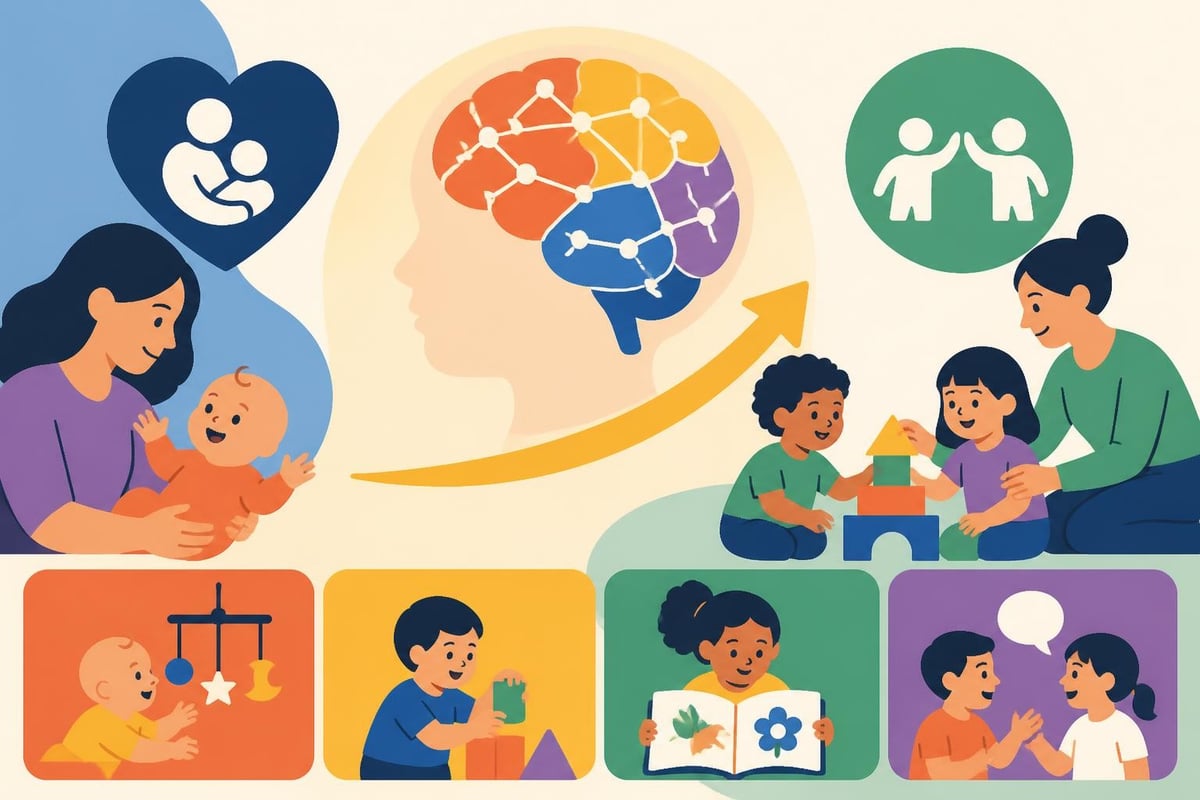
The human brain develops more rapidly between birth and age five than at any other time in life. During these critical years, neural connections form at extraordinary rates, creating the architecture for all future learning. Quality early education programs capitalize on this neurological window by providing rich, stimulating environments that promote healthy brain development.
Key developmental milestones supported by early education:
- Language and communication skills
- Fine and gross motor coordination
- Emotional regulation and self-control
- Social interaction and cooperation
- Early literacy and numeracy concepts
- Creative expression and problem-solving
Children enrolled in structured learning environments show measurable advantages in school readiness compared to those without such experiences. These advantages extend beyond academic preparation to include critical social-emotional competencies that predict success in kindergarten and beyond.
Types of Early Education Programs
The early childhood education landscape encompasses diverse program models, each designed to meet different family needs and developmental goals. Understanding these options helps parents select the most appropriate setting for their children.
Home-Based Childcare Programs
Home-based childcare operates in residential settings, typically serving smaller groups of children across various age ranges. These programs often provide more flexible scheduling and create intimate, family-like atmospheres where children receive personalized attention. Infant care in home settings can be particularly beneficial for very young children who thrive in quieter, less stimulating environments.
Advantages of home-based programs:
- Lower child-to-caregiver ratios
- Mixed-age group interactions
- Homelike environment and routines
- Flexible scheduling options
- Individualized attention and care
Center-Based Programs
Center-based early education programs operate in dedicated facilities with multiple classrooms, specialized staff, and structured curricula. These centers often separate children by age groups and follow standardized schedules that introduce routine and predictability. Research on center-based interventions shows positive impacts on school readiness when programs maintain quality standards.
| Program Type | Age Range | Group Size | Setting | Curriculum |
|---|---|---|---|---|
| Family Childcare | 6 weeks – 12 years | 6-8 children | Home environment | Flexible, play-based |
| Childcare Centers | 6 weeks – 5 years | 8-20 per classroom | Commercial facility | Structured, age-specific |
| Preschool Programs | 3-5 years | 12-20 children | School or center | Kindergarten prep |
| Pre-K Programs | 4-5 years | 15-22 children | Public schools | Academic readiness |
Head Start and Public Pre-K
Publicly funded programs like Head Start and state pre-kindergarten initiatives provide early education to eligible families at no cost. The National Institute for Early Education Research tracks enrollment data across state-funded preschool programs, revealing significant variation in access and quality standards across different regions.
These programs typically serve children from lower-income families, prioritizing educational equity and school readiness for historically underserved populations.
Key Components of Quality Programs
Not all early education programs deliver equal outcomes. Quality indicators help parents distinguish programs that will genuinely benefit their children from those that merely provide supervision.
Qualified and Responsive Educators
The single most important factor in program quality is the skill and dedication of teaching staff. Effective early childhood educators possess specialized training in child development, understand age-appropriate practices, and demonstrate genuine warmth in their interactions with children. They create nurturing relationships that help children feel secure while exploring and learning.
Quality programs maintain low teacher turnover by compensating staff fairly and supporting ongoing professional development. When educators remain with programs long-term, children benefit from consistent relationships and cumulative knowledge about individual developmental trajectories.
Developmentally Appropriate Curriculum
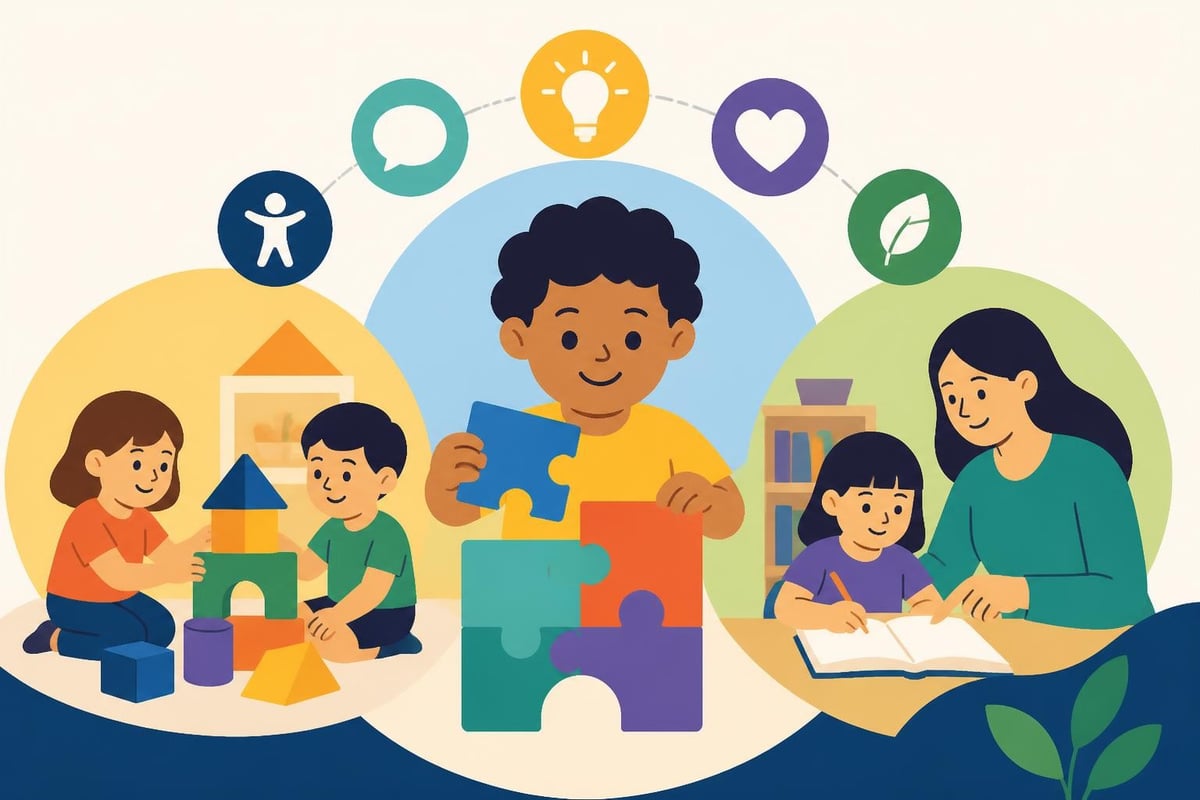
High-quality early education programs implement curricula grounded in research about how young children learn. These approaches balance child-initiated play with teacher-guided activities, recognizing that young children learn most effectively through hands-on exploration and social interaction.
Curriculum domains in comprehensive programs:
- Language and literacy development
- Mathematical thinking and reasoning
- Scientific inquiry and exploration
- Creative arts and self-expression
- Physical development and health
- Social-emotional learning and relationship skills
Effective curricula adapt to individual children's interests, abilities, and cultural backgrounds rather than imposing rigid, one-size-fits-all instruction. This flexibility allows educators to meet children where they are developmentally while gently extending their capabilities.
Evaluating Early Education Programs
Selecting the right program requires careful evaluation of multiple factors beyond convenience and cost. Parents should approach this decision systematically, gathering information from various sources before making commitments.
Essential Questions for Program Directors
During facility tours and interviews, parents should ask targeted questions that reveal program philosophy, practices, and quality indicators:
- What are your staff qualifications and ongoing training requirements?
- How do you handle children's emotional needs and behavioral challenges?
- What is your approach to family communication and involvement?
- Can you describe a typical daily schedule?
- How do you assess children's developmental progress?
- What is your staff-to-child ratio, and how does it compare to licensing requirements?
Observation and Documentation
The best insights come from directly observing programs in action. Quality programs welcome parent visits and demonstrate transparency about their practices. During observations, watch how educators interact with children, noting whether they speak respectfully, respond promptly to needs, and create positive learning moments.
| Quality Indicator | What to Look For | Red Flags |
|---|---|---|
| Staff Interaction | Warm, responsive, at child's eye level | Harsh tone, ignoring children, excessive screen time |
| Environment | Clean, organized, stimulating materials | Cluttered, unsafe conditions, limited resources |
| Activities | Varied, engaging, child-choice options | Extended waiting, passive activities, rigid schedules |
| Communication | Regular updates, partnership approach | Minimal contact, defensive responses |
Many states and regions provide searchable databases with program quality ratings and compliance records. For example, Florida’s early learning data hub offers transparency about program characteristics and enrollment information. Parents should consult available resources to verify licensing status and review any reported violations.
The Role of Family Engagement
Early education programs achieve the best outcomes when families actively participate in their children's learning experiences. Quality programs recognize parents as children's first and most important teachers, creating partnerships that extend education beyond program hours.
Communication and Collaboration
Effective programs establish regular communication channels through daily reports, parent-teacher conferences, and informal conversations during pickup and drop-off times. These touchpoints allow educators to share observations about children's progress while learning from parents about home experiences that may affect behavior or development.
Childhood care and education works best when families and educators collaborate on supporting consistent routines, reinforcing learning concepts, and addressing developmental concerns early.
Home Learning Extension
Quality programs provide families with strategies for reinforcing concepts at home through everyday activities. Simple suggestions like counting objects during grocery shopping, discussing story characters at bedtime, or encouraging independence during self-care routines help parents recognize their role as educators.
Ways families extend early learning:
- Reading together daily
- Engaging in conversation throughout routines
- Providing art materials and creative opportunities
- Limiting screen time and encouraging active play
- Modeling problem-solving and emotional regulation
Cost and Accessibility Considerations
Early education programs represent significant investments for families, with costs varying widely based on program type, location, and age of children served. Understanding the financial landscape helps families plan accordingly and access available support.
Program Costs and Funding Options
Full-time childcare costs can exceed college tuition in many states, creating substantial financial pressure for working families. However, various funding mechanisms help offset these expenses for eligible families.
Public programs like Head Start and state pre-kindergarten offer free services to qualifying families, typically based on income levels. Some employers provide childcare benefits through flexible spending accounts or subsidized programs. Additionally, state childcare assistance programs help low and moderate-income families afford quality care while parents work or attend school.
Return on Investment
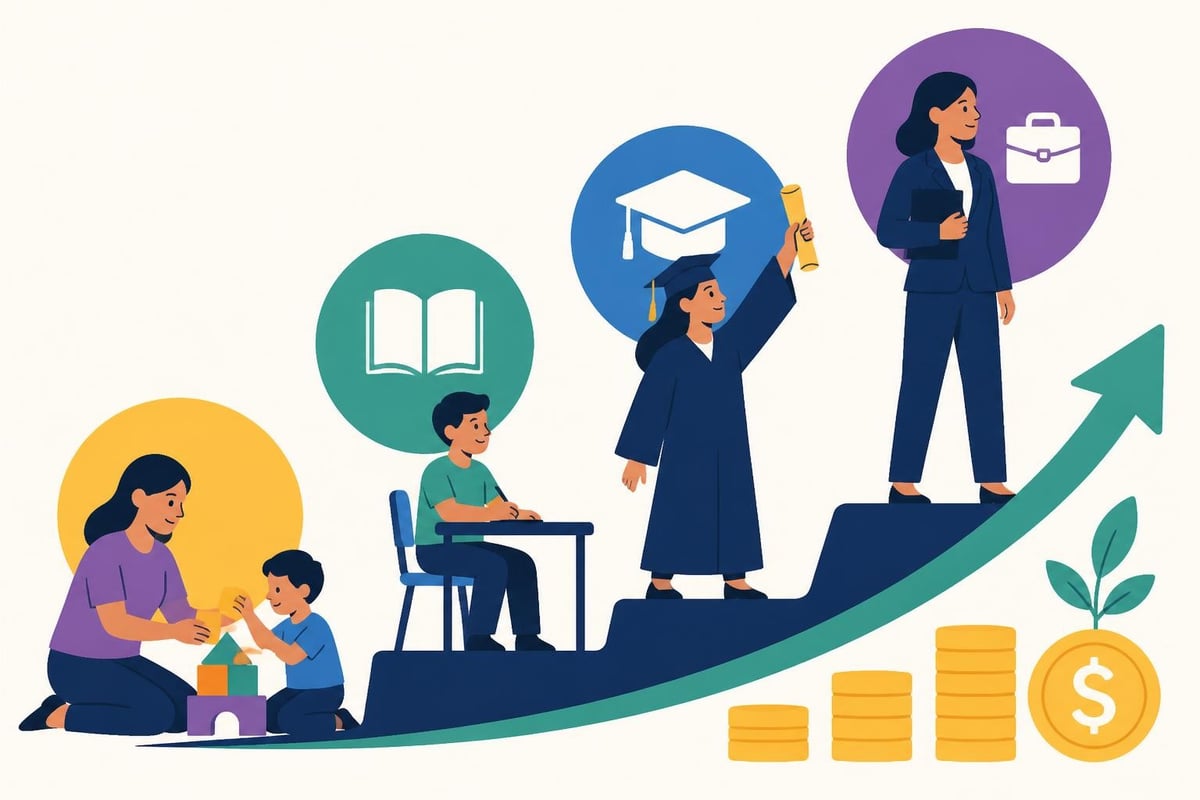
While early education programs require significant financial resources, research on cost-effectiveness demonstrates substantial long-term returns for both families and society. Children who attend quality early education programs are more likely to graduate high school, pursue higher education, and achieve economic stability as adults.
These outcomes reduce future costs associated with remedial education, special services, and social support programs. From a family perspective, access to reliable childcare enables parents to maintain employment and career advancement, often offsetting program costs through increased earning potential.
Specialized Program Features
Beyond core educational components, many early education programs offer specialized features that address specific family needs or developmental priorities.
Inclusion and Special Needs Support
High-quality programs embrace inclusion, welcoming children with diverse abilities and providing appropriate accommodations. Inclusive early education programs benefit all children by teaching empathy, acceptance, and appreciation for differences while ensuring that children with special needs access the same developmental opportunities as their peers.
Programs serving children with identified delays or disabilities often collaborate with early intervention specialists, speech therapists, occupational therapists, and other professionals to implement individualized support plans.
Bilingual and Multicultural Education
As communities become increasingly diverse, many early education programs incorporate bilingual instruction and multicultural curricula. These approaches honor children's home languages and cultural backgrounds while supporting English language development for children from non-English-speaking families.
Research supports bilingual education in early childhood, showing cognitive advantages for children who develop proficiency in multiple languages during the early years. Programs that value linguistic diversity help children maintain connections to family heritage while building skills for success in mainstream educational settings.
Preparing for Transition to Kindergarten
One primary goal of early education programs is preparing children for successful kindergarten entry. This preparation encompasses academic, social, and practical skills that enable smooth transitions into formal schooling.
School Readiness Competencies
Kindergarten readiness extends far beyond academic skills. While basic literacy and numeracy knowledge certainly matter, teachers identify social-emotional competencies as equally critical for kindergarten success.
Essential kindergarten readiness skills:
- Following multi-step directions
- Working independently and in groups
- Regulating emotions and managing frustration
- Communicating needs and ideas clearly
- Engaging with peers positively
- Demonstrating curiosity and persistence
- Managing self-care routines independently
Quality early education programs intentionally develop these competencies through daily activities, gradually increasing expectations as children approach kindergarten age. Programs often incorporate specific transition activities during the final preschool year, such as visiting elementary schools, practicing kindergarten routines, and discussing what "big kid school" will be like.
Family Readiness for Kindergarten
The kindergarten transition affects entire families, not just children. Early education programs support families by providing information about enrollment processes, explaining academic expectations, and addressing parent concerns about separation and school adjustment.
Early childhood education programs help families understand how to select appropriate schools, navigate registration requirements, and prepare home environments that support elementary learning. This comprehensive support ensures that both children and parents feel confident approaching this major milestone.
Current Trends and Innovations
The early childhood education field continues evolving as new research, technologies, and pedagogical approaches emerge. Understanding current trends helps parents identify forward-thinking programs that incorporate evidence-based innovations.
Technology Integration
While screen time for young children remains controversial, thoughtful technology integration can enhance learning when used appropriately. Quality programs use technology sparingly and purposefully, selecting educational applications that promote creativity, problem-solving, and interactive learning rather than passive consumption.
Digital portfolios allow programs to document children's work and developmental progress, sharing these insights with families through secure online platforms. Some programs use tablets for specific learning activities like early coding concepts or virtual field trips that expand children's experiences beyond the physical classroom.
Social-Emotional Learning Emphasis
Recent years have seen increased focus on social-emotional learning in early education programs. Educators recognize that emotional intelligence, self-regulation, and interpersonal skills form the foundation for all learning and life success.
Programs now explicitly teach strategies for identifying emotions, managing big feelings, resolving conflicts peacefully, and demonstrating empathy. These skills prove particularly valuable as children face increasingly complex social situations and academic challenges.
Outdoor and Nature-Based Education
Growing recognition of nature's benefits for child development has sparked renewed interest in outdoor education. Many programs now incorporate regular outdoor time beyond traditional playground play, engaging children in gardening, nature observation, and environmental exploration.
Nature-based programs report benefits including improved attention spans, reduced stress, enhanced creativity, and stronger physical development. These approaches align with children's innate curiosity about the natural world while building environmental awareness and stewardship values.
Early education programs lay crucial foundations that influence children's entire educational trajectories and life outcomes. The right program provides nurturing relationships, stimulating learning experiences, and developmentally appropriate support during the most formative years. At Step by Step Care, we understand that choosing childcare represents one of the most important decisions families make, which is why we're committed to providing exceptional home-based early education that honors each child's unique developmental path while preparing them for future success.