

Early Childcare and Education: A Complete Guide
The first years of a child's life represent a critical window for development, making early childcare and education one of the most important investments families can make. Research consistently demonstrates that high-quality early learning experiences shape brain architecture, social skills, and academic readiness in ways that influence lifelong outcomes. As we navigate 2026, understanding the core components of quality care and the developmental benefits they provide helps families make informed decisions about their children's earliest educational experiences.
Understanding the Foundations of Early Childcare and Education
Early childcare and education encompasses far more than simple supervision. It represents a comprehensive approach to nurturing young minds during their most formative years, typically from birth through age five.
Quality programs integrate intentional learning experiences with responsive caregiving, creating environments where children feel safe, valued, and motivated to explore. The evidence-based practices in early childhood care emphasize this integration of research, professional expertise, and family input to achieve positive developmental outcomes.
The Science Behind Early Learning
Brain development during the first five years occurs at a pace unmatched at any other life stage. Neural connections form rapidly as young children interact with their environment, caregivers, and peers.
Key developmental areas include:
- Cognitive growth and problem-solving abilities
- Language acquisition and communication skills
- Social-emotional regulation and relationship building
- Fine and motor skill development
- Creative expression and imagination
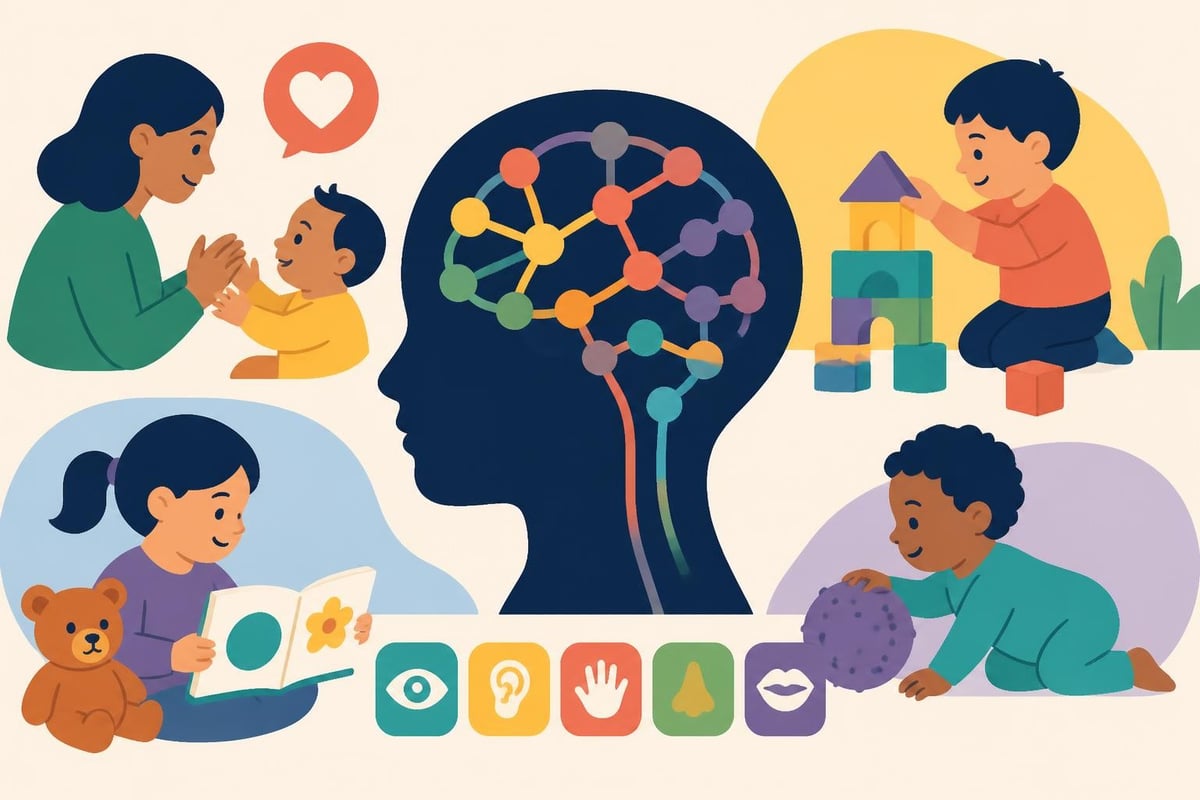
The quality of these early experiences directly impacts how these neural pathways develop. Children in nurturing, stimulating environments develop stronger foundations for future learning compared to those without access to quality care.
Components of Quality Early Childcare and Education
Identifying high-quality early childcare and education requires understanding specific indicators that research links to positive child outcomes. These components work together to create environments where young learners thrive.
Structural Quality Indicators
Structural elements form the framework for quality programming. These measurable factors create conditions that support positive interactions and learning.
| Quality Component | Why It Matters | What to Look For |
|---|---|---|
| Staff-to-child ratios | Enables individual attention | Lower ratios for younger children |
| Teacher qualifications | Ensures developmental knowledge | Early childhood education degrees or credentials |
| Group size | Reduces overstimulation | Smaller groups for infants and toddlers |
| Physical environment | Supports safe exploration | Age-appropriate materials and dedicated learning areas |
Programs like those offered through infant care programs prioritize these structural elements to ensure developmentally appropriate experiences for the youngest learners.
Process Quality: The Heart of Learning
While structural components provide the foundation, process quality determines the actual experiences children have each day. This encompasses the interactions, activities, and relationships that shape development.
Teacher-child interactions represent the most critical process quality element. Warm, responsive caregivers who engage in back-and-forth conversations, follow children's interests, and provide appropriate scaffolding create rich learning opportunities. According to resources on quality in early childhood education, these interactions significantly influence cognitive and social-emotional development.
Curriculum and learning experiences should balance child-initiated play with intentional teaching. Quality programs recognize that play is children's work, incorporating learning objectives into activities that feel natural and engaging to young learners.
Children learn best through hands-on exploration, not passive observation. Quality environments provide diverse materials that invite investigation, creativity, and problem-solving.
Developmental Benefits of Quality Early Experiences
Decades of research confirm that early childcare and education provides measurable benefits across multiple developmental domains when quality standards are met.
Cognitive and Academic Readiness
Children in quality early learning programs enter kindergarten with stronger pre-literacy and pre-math skills. They demonstrate better attention spans, enhanced memory, and more advanced problem-solving abilities.
These advantages persist beyond the early years. Research from the Arizona Association for the Education of Young Children shows that high-quality early development opportunities yield long-term benefits for both children and society, including higher graduation rates and improved career outcomes.
Social-Emotional Development
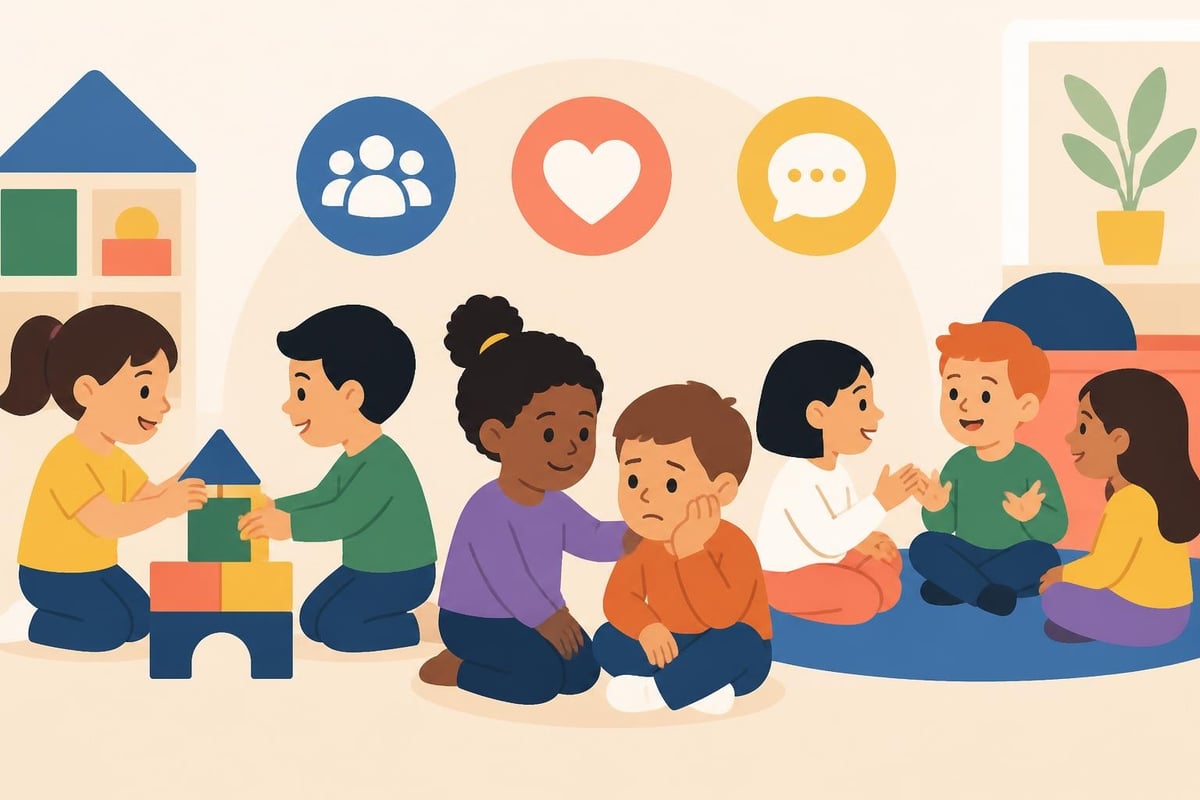
Perhaps equally important are the social-emotional skills children develop through quality early childcare and education. Learning to regulate emotions, cooperate with peers, and navigate conflicts prepares children for success in school and life.
Key social-emotional competencies include:
- Self-awareness and emotional recognition
- Relationship-building and empathy
- Responsible decision-making
- Self-management and impulse control
- Social awareness and perspective-taking
Home-based childcare settings often excel at supporting these skills through mixed-age groupings that mirror family structures. Younger children learn from older peers, while older children develop leadership and nurturing skills.
Family Engagement in Early Learning
Quality early childcare and education recognizes families as children's first and most important teachers. Effective programs build strong partnerships with families, creating continuity between home and care settings.
Communication Strategies That Work
Daily communication helps families stay connected to their child's experiences and development. Quality programs use multiple methods to keep families informed and involved.
Modern communication tools have transformed family engagement. Many programs now use apps for daily updates, photo sharing, and milestone tracking, supplementing traditional methods like daily reports and parent-teacher conferences.
Effective family engagement strategies:
- Regular developmental updates and progress sharing
- Open-door policies that welcome family visits
- Family events that build community
- Resources and workshops on child development topics
- Two-way communication that values family input
Families seeking top-rated daycares should prioritize programs demonstrating strong family engagement practices. These partnerships significantly enhance the benefits children receive from early education experiences.
Cultural Responsiveness and Inclusion
Quality early childcare and education embraces the diverse backgrounds, languages, and traditions families bring. Culturally responsive programs recognize that children develop best when their home culture is respected and reflected in the care environment.
This means incorporating diverse books, music, and materials that represent different cultures, languages, and family structures. It also means adapting communication styles and building relationships that honor each family's unique values and practices.
The Role of Play in Early Learning
Play represents the primary vehicle through which young children learn about their world. Quality early childcare and education programs intentionally design play experiences that promote development across all domains.
Types of Play and Their Benefits
Different play types support distinct developmental goals. Quality programs provide opportunities for varied play experiences throughout each day.
| Play Type | Developmental Benefits | Examples |
|---|---|---|
| Dramatic play | Language, social skills, executive function | Pretend kitchen, dress-up area, puppet theater |
| Construction play | Spatial reasoning, problem-solving, persistence | Blocks, LEGO, magnetic tiles |
| Sensory play | Fine motor skills, scientific thinking, self-regulation | Water table, sand play, playdough |
| Outdoor play | Gross motor development, risk assessment, connection to nature | Climbing, running, nature exploration |
Educators facilitate play by providing appropriate materials, asking open-ended questions, and extending children's thinking without controlling the experience. This delicate balance allows children to lead while ensuring learning objectives are met.
Supporting Different Age Groups
Early childcare and education must adapt to meet the distinct needs of different developmental stages. What works for infants differs dramatically from appropriate practices for preschoolers.
Infant and Toddler Care Considerations
The youngest learners require responsive, individualized care that supports attachment, exploration, and emerging independence. Primary caregiving systems, where specific teachers care for the same small group of infants, promote secure attachments.
Infant and toddler programs should emphasize:
- Predictable routines that build security
- Sensory-rich environments for exploration
- Language-rich interactions throughout daily care
- Respect for individual schedules and temperaments
- Safe spaces for emerging mobility
Quality programs understand that care routines like diapering and feeding represent prime learning opportunities. These one-on-one moments build relationships and support language development through conversation and responsive interaction.
Preschool Programming
As children reach preschool age, early childcare and education programs can incorporate more structured group activities while maintaining child-centered approaches. Preschoolers benefit from opportunities to make choices, work collaboratively, and engage in increasingly complex play scenarios.
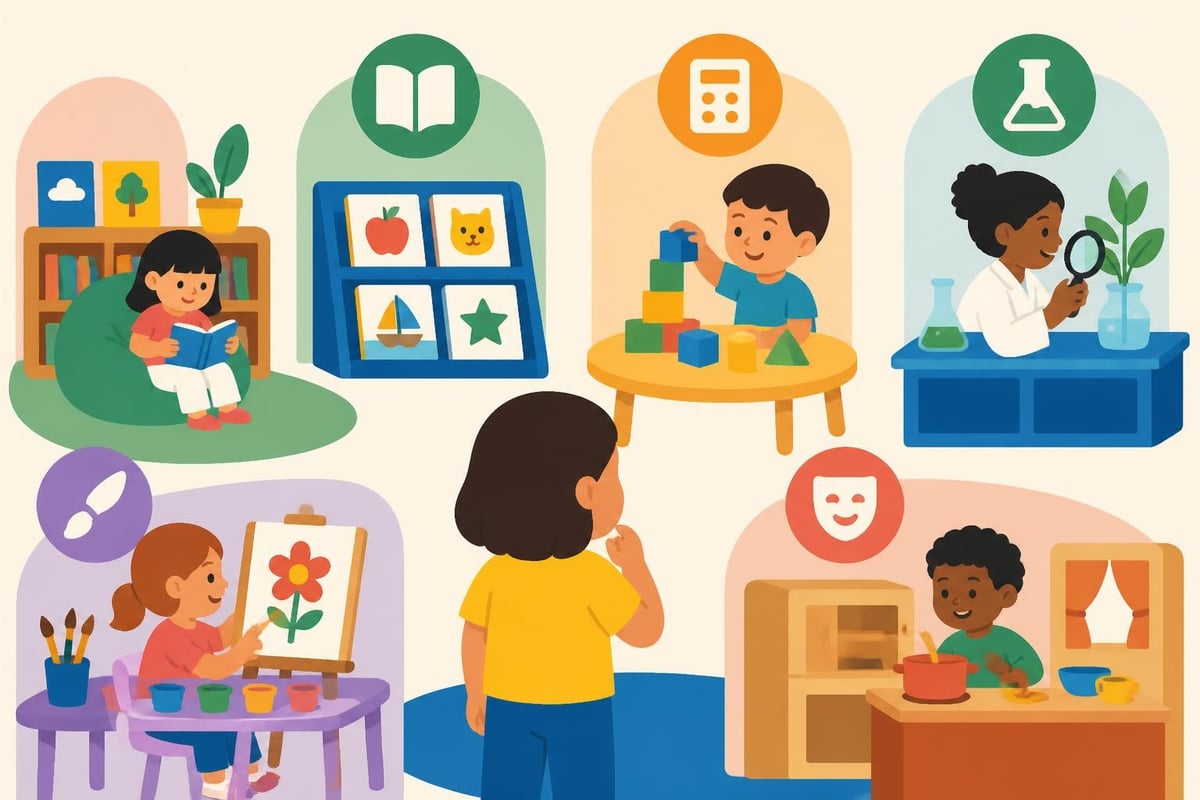
Learning centers allow preschoolers to explore different interest areas at their own pace. A well-designed preschool classroom might include literacy, math, science, art, dramatic play, and block areas, each provisioned with materials that invite investigation and creativity.
Navigating Early Learning Options
Families have multiple options when selecting early childcare and education, each with distinct characteristics and potential benefits. Understanding these differences helps families find the best fit for their needs and values.
Home-Based vs. Center-Based Care
Home-based childcare operates in residential settings, typically with smaller groups and mixed-age groupings. Center-based programs function in dedicated facilities with multiple classrooms and larger staff teams.
Home-based childcare advantages:
- Smaller group sizes and lower ratios
- Family-like atmosphere
- Mixed-age interactions
- Often more flexible scheduling
- Consistent caregiver relationships
Center-based program advantages:
- Specialized facilities and equipment
- Multiple teachers and backup staffing
- Age-segregated classrooms
- Structured curriculum implementation
- More extensive resources
Neither option is inherently superior. Quality exists in both settings when programs meet the structural and process quality indicators discussed earlier. Families exploring options in specific areas, such as those looking for daycare in Springfield, VA, benefit from visiting multiple settings to assess quality firsthand.
Professional Development and Educator Qualifications
The quality of early childcare and education depends heavily on the knowledge, skills, and ongoing professional development of educators. Well-prepared teachers create richer learning experiences and build stronger relationships with children and families.
Education and Training Requirements
States vary in their qualification requirements for early childhood educators. The Pennsylvania Department of Education outlines comprehensive early learning standards and support systems that emphasize educator preparation.
Quality programs invest in hiring educators with relevant credentials and supporting their continued growth. Look for programs where staff have:
- Associate or bachelor's degrees in early childhood education
- Ongoing professional development hours each year
- Specialized training in child development and evidence-based practices
- First aid and CPR certification
- Background checks and health screenings
The Impact of Teacher Continuity
Teacher turnover disrupts the relationships central to quality early learning. Programs that retain qualified staff through competitive compensation, supportive work environments, and professional growth opportunities provide more consistent experiences for children.
When visiting prospective programs, ask about teacher tenure and turnover rates. Seeing the same familiar faces year after year indicates a program that values and supports its educators, which translates to better outcomes for children.
Funding and Accessibility Challenges
Despite widespread recognition of its importance, early childcare and education remains difficult for many families to access due to cost and availability constraints. Understanding the financing of early care and education reveals both challenges and potential solutions for expanding access to quality programs.
The Cost-Quality Conundrum
Quality early childcare and education requires significant investment in trained staff, appropriate materials, safe facilities, and low ratios. These necessary expenses create cost barriers for families while providers struggle to maintain sustainable business models.
Many families spend a substantial portion of household income on childcare, with costs often exceeding college tuition in many regions. Yet providers frequently operate on thin margins, unable to pay educators competitive wages while keeping tuition affordable for families.
Public and Private Funding Sources
Various funding mechanisms help bridge this gap, though none fully address the accessibility challenges:
- Federal and state childcare assistance programs for eligible families
- Head Start and Early Head Start for low-income families
- State pre-kindergarten programs
- Tax credits and employer-sponsored benefits
- Sliding fee scales based on family income
Quality programs navigate these funding streams to serve diverse families while maintaining the standards necessary for positive child outcomes.
Measuring Quality and Outcomes
How can families and policymakers assess whether early childcare and education programs deliver on their developmental promises? Multiple tools and frameworks exist for evaluating quality.
Quality Rating and Improvement Systems
Many states operate Quality Rating and Improvement Systems (QRIS) that assess and publicly rate early learning programs. These systems typically evaluate structural and process quality indicators, assigning ratings that help families identify higher-quality options.
Common QRIS evaluation areas include:
- Staff qualifications and professional development
- Learning environment and curriculum
- Family engagement practices
- Health and safety standards
- Accreditation status
- Child assessments and outcomes
While helpful, these systems vary significantly across states in their rigor and reliability. Families should use ratings as one data point among several when evaluating programs.
Research Tools and Assessment Methods
Researchers use validated observation tools to measure classroom quality and predict child outcomes. The ECTA Center’s Research and Reference Portal provides access to these research materials and assessment resources.
These tools examine specific aspects of quality, such as emotional support, classroom organization, and instructional support. Programs achieving high scores on these measures consistently produce better developmental outcomes for children.
Making Informed Decisions About Early Care
Selecting early childcare and education represents one of the most important decisions families make. A systematic approach to evaluating options helps ensure the chosen program aligns with family values while meeting quality standards.
Questions to Ask During Program Visits
Schedule visits to prospective programs during operating hours to observe children and teachers in action. Pay attention to the emotional tone, teacher interactions, and children's engagement levels.
Essential questions include:
- What are your staff qualifications and how long have teachers been with the program?
- What is your approach to curriculum and child-directed learning?
- How do you communicate with families and involve them in their child's learning?
- What are your policies on discipline, inclusion, and health practices?
- How do you support children's social-emotional development?
- What is your teacher-to-child ratio and maximum group size?
Don't hesitate to request references from current families or ask to see the program's licensing reports and any quality ratings or accreditations.
Trusting Your Instincts
Beyond checklist items, consider how the environment feels and whether staff seem genuinely engaged with children. Quality early childcare and education programs radiate warmth, respect, and purposeful activity.
Children should appear comfortable and engaged. Teachers should be at children's eye level, having conversations rather than managing behavior from across the room. The space should feel organized yet lived-in, with children's work displayed and materials accessible.
Families can explore additional resources and perspectives through comprehensive research guides and educational databases that provide authoritative information on early childhood programming.
The Long-Term Value Proposition
Investing in quality early childcare and education yields returns that extend far beyond the early years. Society benefits when children enter school ready to learn, progress successfully through educational pathways, and develop into productive adults.
Economic and Social Returns
Economic analyses consistently demonstrate that quality early learning programs produce positive returns on investment through multiple mechanisms:
- Reduced need for special education and remediation services
- Lower rates of grade retention
- Higher high school graduation rates
- Increased lifetime earnings
- Reduced involvement in criminal justice systems
- Better health outcomes across the lifespan
These benefits accrue to individuals, families, and society as a whole. Every dollar invested in quality early childcare and education generates multiple dollars in returns through these various pathways.
Building Stronger Communities
Beyond individual outcomes, accessible quality early learning strengthens communities. It supports workforce participation by enabling parents to pursue employment or education. It creates jobs for early childhood educators. It reduces disparities by providing disadvantaged children with compensatory experiences.
Communities with robust early childcare and education infrastructure attract and retain families, contributing to economic vitality and social cohesion. Understanding the history and evolution of early care and education helps contextualize current challenges and opportunities for system improvement.
Quality early childcare and education provides the foundation for lifelong learning, healthy development, and future success. The evidence overwhelmingly supports investing in these critical early years through programs that prioritize responsive relationships, developmentally appropriate practices, and family partnerships. When families need trusted care that nurtures children's growth across all developmental domains, Step by Step Care offers the expertise, dedication, and warm environment where young learners thrive. Reach out today to discover how a home-based approach to early learning can benefit your child and family.


