

Infant Care Services: Complete Guide for Parents
Choosing the right care for your infant represents one of the most significant decisions you'll make as a parent. Quality infant care services provide more than basic supervision-they offer nurturing environments where babies develop critical physical, cognitive, and emotional skills during their most formative months. Understanding what distinguishes exceptional care from adequate care empowers parents to make informed choices that support their child's growth and their family's needs.
Understanding Infant Care Services
Infant care services encompass specialized childcare programs designed specifically for babies from birth through approximately 12-18 months of age. These programs differ substantially from care for older children because infants require constant attention, specialized feeding routines, and environments tailored to their unique developmental stages.
The foundation of quality infant care rests on low child-to-caregiver ratios, typically three to four infants per adult. This allows caregivers to respond promptly to each baby's needs, whether that involves feeding, diaper changes, comforting, or engaging in age-appropriate activities. Professional caregivers trained in infant development understand how to create responsive relationships that form the basis for healthy emotional and social growth.
Key Components of Quality Programs
Developmental Appropriateness
Effective infant care services design their environments and activities around what babies need at different stages. Newborns require quiet spaces for frequent sleep, gentle handling, and minimal stimulation. As babies grow, they benefit from tummy time areas, safe spaces for beginning mobility, and age-appropriate toys that encourage exploration.
Health and Safety Standards
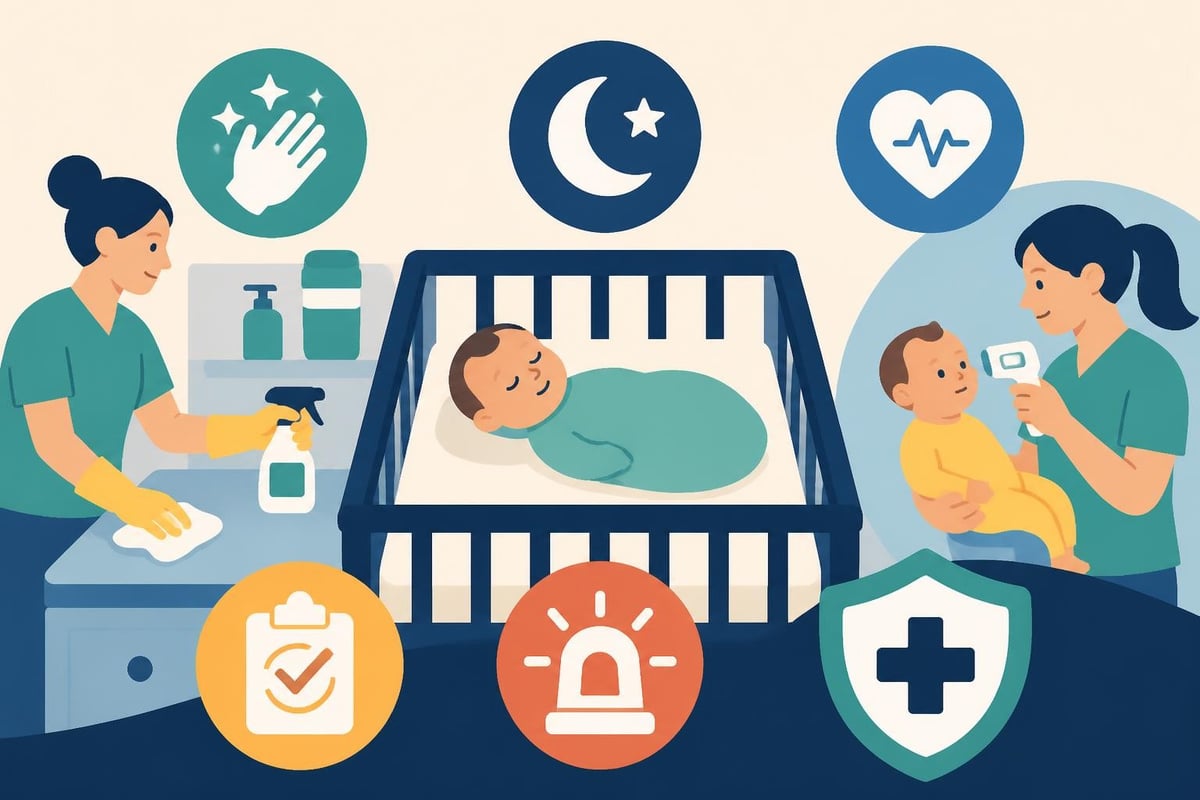
Infant care programs must adhere to rigorous health and safety protocols. State childcare licensing regulations establish minimum standards for sanitation, safe sleep practices, immunization requirements, and emergency procedures. Quality providers exceed these minimums, implementing comprehensive policies that protect vulnerable infants.
Types of Infant Care Services Available
Parents have several options when selecting infant care services, each offering distinct advantages depending on family circumstances, preferences, and values.
Home-Based Childcare
Family childcare homes provide intimate settings where caregivers serve small groups of children in residential environments. These programs often accommodate mixed-age groups, allowing siblings to stay together and infants to benefit from observing older children.
Home-based providers typically offer:
- Flexible scheduling options
- Lower child-to-adult ratios
- Family-like atmospheres
- Personalized attention
- Often more affordable rates
Center-Based Care
Childcare centers operate in dedicated facilities with multiple classrooms, separate infant rooms, and specialized staff. Child care centers provide structured environments with established curricula and consistent routines.
| Feature | Home-Based | Center-Based |
|---|---|---|
| Group Size | 2-6 infants | 6-12 infants per room |
| Environment | Residential | Commercial facility |
| Staff | 1-2 caregivers | Multiple specialized staff |
| Backup Coverage | Limited | Built-in substitutes |
| Cost | Generally lower | Typically higher |
In-Home Nannies
For families seeking one-on-one attention, in-home caregivers provide individualized care in the child's own environment. This option offers maximum flexibility but typically costs significantly more than group care settings.
Developmental Needs in Infant Care
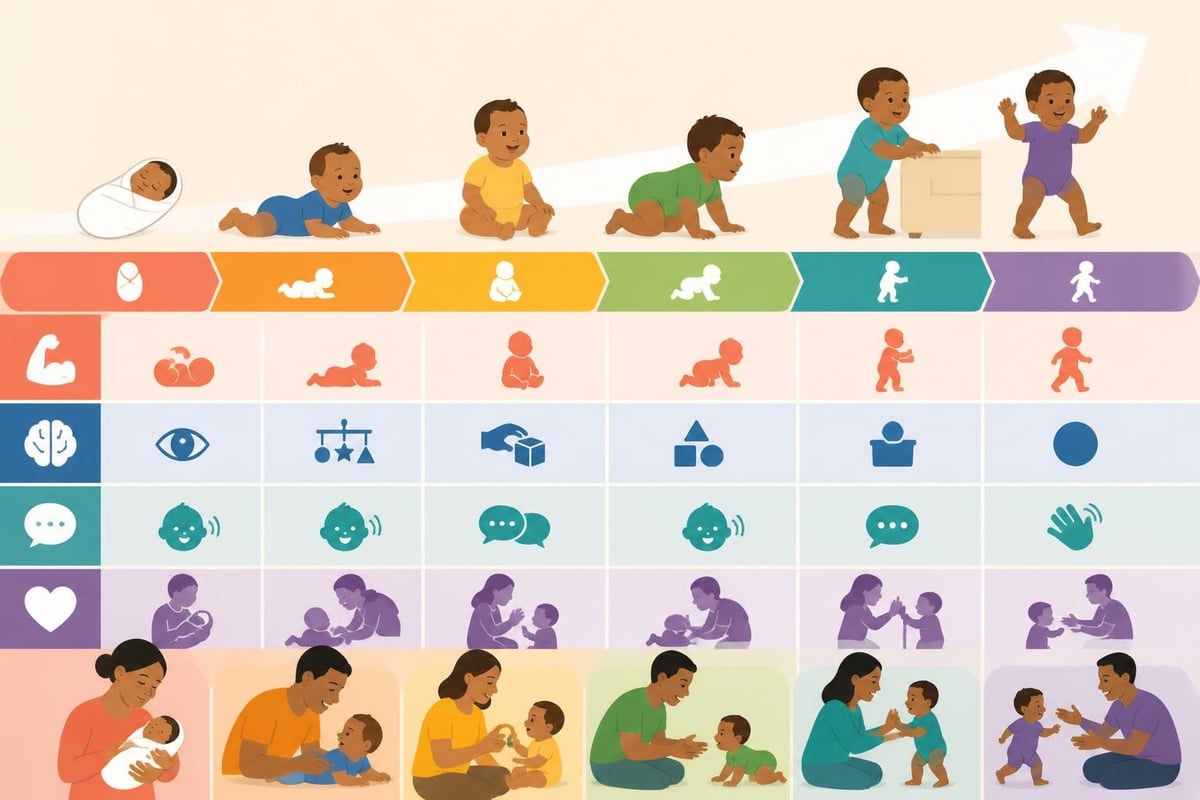
Infants experience rapid developmental changes during their first year, and quality infant care services adapt their approaches to support each stage. Understanding these developmental phases helps parents evaluate whether providers offer appropriate stimulation and care.
Physical Development Support
During the first months, babies develop head control, hand-eye coordination, and eventually mobility. Caregivers should provide ample floor time for movement, appropriate positioning that prevents flat spots on heads, and toys that encourage reaching and grasping.
Tummy Time and Movement
Regular supervised tummy time strengthens neck and shoulder muscles essential for later milestones. Quality programs incorporate this into daily routines, gradually increasing duration as babies build tolerance.
Cognitive and Language Development
Even tiny infants benefit from responsive interactions that build language foundations. Caregivers who narrate activities, read books, sing songs, and engage in back-and-forth "conversations" with babies support critical neural pathways.
The Program for Infant/Toddler Care emphasizes relationship-based care that views every interaction as a learning opportunity. Diaper changes become times for eye contact and conversation. Feeding becomes an opportunity for bonding and communication.
Emotional and Social Growth
Infants form attachments to consistent caregivers who respond sensitively to their cues. These early relationships shape how children approach relationships throughout life. Quality infant care services assign primary caregivers to small groups of babies, ensuring continuity and allowing deep bonds to form.
Nutrition and Feeding in Infant Care Settings
Feeding represents one of the most critical aspects of infant care services. Programs must accommodate various feeding methods while following evidence-based practices that support healthy nutrition.
Supporting Breastfeeding Families
Many mothers continue breastfeeding after returning to work. Quality programs welcome breast milk, provide proper storage following healthy infant feeding guidelines, and create comfortable spaces for nursing mothers who visit during breaks.
Best practices include:
- Refrigerated storage with clear labeling systems
- Training staff in proper handling and warming
- Flexible feeding schedules that follow baby's cues
- Communication logs tracking intake and patterns
- Support for mothers pumping at work
Formula Feeding and Introduction of Solids
For formula-fed babies, caregivers should prepare bottles according to parent instructions and manufacturer guidelines. As infants approach six months, programs gradually introduce solid foods in consultation with families, respecting cultural preferences and dietary restrictions.
Responsive Feeding Practices
Rather than encouraging babies to finish bottles or adhere to rigid schedules, quality infant care services practice responsive feeding. This means reading hunger and fullness cues, holding babies during bottle feeding to promote bonding, and never propping bottles or forcing food.
Safety Protocols and Health Standards
The vulnerability of infants demands exceptionally rigorous safety measures. Parents evaluating infant care services should thoroughly investigate how programs protect their youngest clients.
Safe Sleep Policies
Sudden Infant Death Syndrome (SIDS) prevention requires strict adherence to safe sleep guidelines. Every infant should sleep alone on their back in a safety-approved crib with a firm mattress and fitted sheet-nothing else.
Critical Safety Requirements:
- Room sharing without bed sharing
- No blankets, pillows, or soft toys in cribs
- Appropriate room temperature
- Regular monitoring during sleep
- Documented sleep checks
Illness Prevention and Management
Infant immune systems are still developing, making them susceptible to infections. Quality programs implement comprehensive health policies addressing:
- Handwashing protocols for staff and children
- Sanitation schedules for toys and surfaces
- Exclusion policies for sick children and staff
- Medication administration procedures
- Emergency medical response plans
Staff Training and Qualifications
Caregivers working with infants need specialized knowledge beyond general childcare training. Look for programs where staff have completed infant-specific coursework covering topics like brain development, safe sleep, feeding practices, and recognizing developmental delays. Standards for infant care often specify minimum educational requirements and ongoing professional development.
Selecting the Right Infant Care Services
Choosing among available infant care services requires careful evaluation of multiple factors. The right choice balances quality indicators, practical considerations, and family values.
Essential Questions to Ask
When touring potential programs, parents should inquire about:
Ratios and Group Sizes
- How many infants per caregiver?
- What is the maximum room capacity?
- Are ratios maintained during breaks and transitions?
Caregiver Continuity
- Does each infant have a primary caregiver?
- How long has staff been with the program?
- What is the staff turnover rate?
Daily Routines
- How do you handle feeding and sleeping?
- What does a typical day look like?
- How much individual versus group time occurs?
Communication
- How will you update me about my baby's day?
- What methods do you use (apps, written logs, conversations)?
- How are concerns or changes communicated?
Observation During Visits
Beyond asking questions, observe how staff interact with babies. Do caregivers respond promptly to crying? Do they make eye contact, talk gently, and handle babies with confidence? Are infants content or frequently distressed?
| Red Flags | Positive Indicators |
|---|---|
| Babies left crying for extended periods | Caregivers quickly responding to distress |
| Staff chatting together, ignoring infants | Staff engaged with babies, narrating activities |
| Overcrowded spaces | Calm, organized environment |
| Infants confined to containers | Ample floor time and movement opportunities |
| Generic daily reports | Detailed, individualized updates |
Understanding Licensing and Accreditation
All legally operating infant care services must meet state licensing requirements. However, licensing represents minimum standards. Programs pursuing voluntary accreditation through organizations like the National Association for the Education of Young Children (NAEYC) demonstrate commitment to excellence beyond basic compliance.
Cultural Sensitivity and Family Partnerships
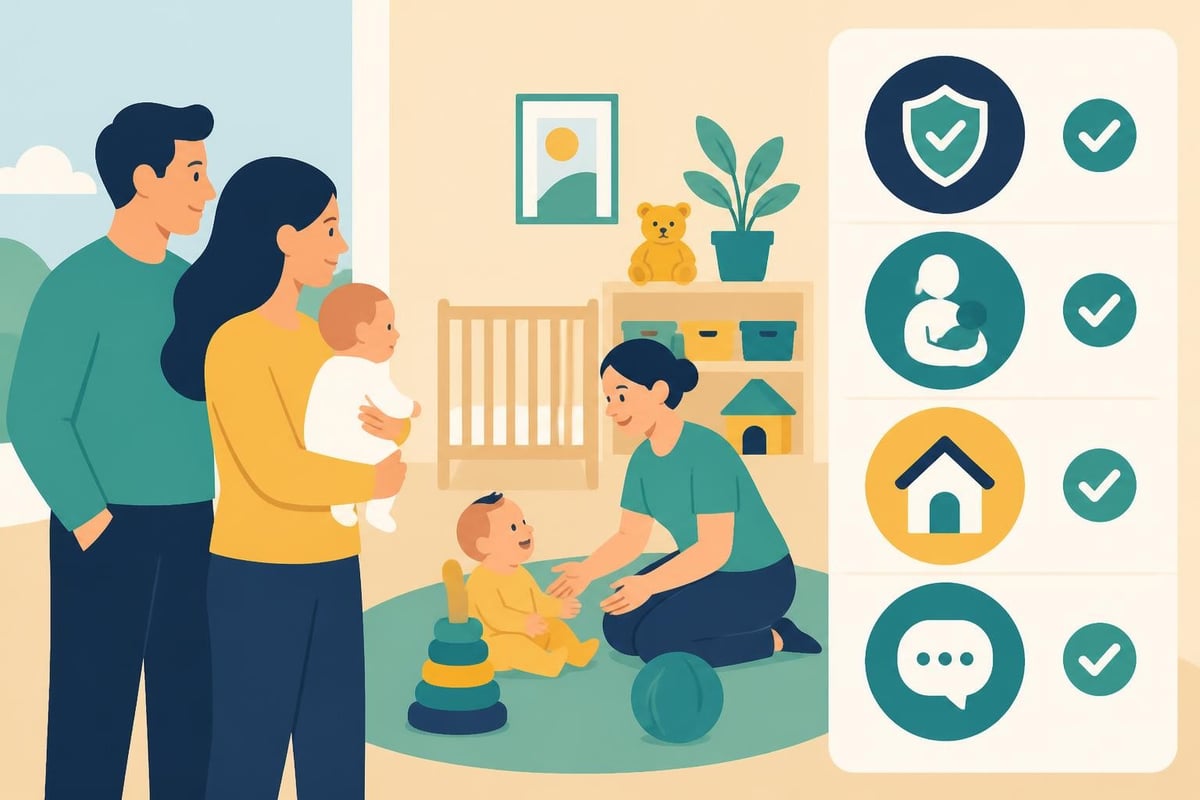
Exceptional infant care services recognize that families are experts on their own children. Programs should invite parent input, respect diverse cultural practices, and adapt care to align with family values when possible.
Honoring Feeding and Care Preferences
Families have varying approaches to infant care based on cultural traditions, religious beliefs, and personal philosophies. Some embrace respectful caregiving practices that emphasize slowing down and involving babies in care routines. Others prioritize specific feeding methods or sleep arrangements. Quality providers accommodate reasonable preferences while maintaining safety standards.
Communication Across Language Barriers
When families speak languages different from caregivers, programs should utilize translation services, visual aids, and bilingual staff when available. Written communications should be available in home languages, and efforts made to ensure all parents can fully participate in their child's care experience.
Building Trust Through Transparency
Strong infant care programs welcome parent involvement. Open-door policies allowing unannounced visits, photo sharing throughout the day, and regular conferences all build trust. Programs that encourage questions and address concerns promptly create partnerships rather than transactions.
Special Considerations for Different Age Groups
While "infant" typically encompasses birth to 18 months, babies at different ends of this spectrum have vastly different needs. Quality infant care services differentiate their approaches accordingly.
Young Infants (Birth to 6 Months)
The youngest babies require near-constant holding, frequent feeding, and extensive sleep. Programs serving this age group should have very low ratios (ideally 3:1 or better) and extremely attentive staff who understand newborn behavioral states and cues.
Mobile Infants (6 to 12 Months)
As babies begin crawling and eventually walking, environments must adapt. Safety becomes even more critical as curious explorers investigate everything within reach. Caregivers need energy to keep pace with increasingly active babies while supporting their drive for independence.
Older Infants (12 to 18 Months)
Toddling babies developing language skills benefit from programs offering more structured activities while maintaining the nurturing, responsive approach of infant care. Some programs transition children to toddler rooms around 12-15 months, while others keep them in infant rooms longer. There's no single right answer-the decision should reflect individual development and program philosophy.
Financial Considerations and Planning
Infant care services typically represent the most expensive childcare option due to required low ratios. Understanding costs and available financial assistance helps families plan.
Typical Cost Structures
Infant care costs vary dramatically by region, program type, and quality level. Center-based care generally costs more than home-based programs, and urban areas typically charge higher rates than rural communities. Many programs offer:
- Sibling discounts
- Flexible payment plans
- Reduced rates for full-time enrollment
- Registration fee waivers
Financial Assistance Options
Families may qualify for subsidies through state childcare assistance programs, employer-sponsored dependent care accounts, or tax credits. The Child and Dependent Care Tax Credit can offset significant portions of childcare expenses for eligible families.
The Long-Term Impact of Quality Infant Care
Research consistently demonstrates that high-quality infant care services contribute positively to child development. Children experiencing responsive, nurturing care during infancy show stronger attachment security, better language development, and enhanced school readiness compared to those in lower-quality settings.
Parents shouldn't feel guilty about utilizing infant care services while working. When programs meet quality standards and children receive consistent, loving care, they thrive. The key lies in selecting programs that truly prioritize infant needs and support healthy development during this critical period.
At Step by Step Care, we understand the unique requirements of caring for infants and maintain the rigorous standards that support optimal development. Our trained caregivers create nurturing environments where your baby receives individualized attention while you focus on work, knowing your infant is safe, loved, and learning.
Quality infant care services provide the foundation for healthy development during your baby's most crucial months. By understanding what distinguishes exceptional programs, asking the right questions, and prioritizing your family's specific needs, you can find care that supports both your infant's growth and your peace of mind. The experienced caregivers at Step by Step Care partner with families to provide nurturing, developmentally appropriate care that helps infants thrive-reach out today to learn how we can support your family's childcare needs.


