

Early Education and Childcare: A Complete Guide
The first five years of a child's life represent the most critical period for brain development, social learning, and establishing patterns that influence lifelong success. During this window, quality early education and childcare programs serve as essential foundations, supporting working families while nurturing children's growth across multiple developmental domains. Understanding what makes these programs effective helps parents make informed decisions about their children's care and learning experiences.
The Critical Importance of Quality Programs
Research consistently demonstrates that high-quality early education and childcare experiences generate lasting benefits for children's cognitive, social, and emotional development. Children who participate in structured early learning environments show improved school readiness, stronger language skills, and better social competencies compared to peers without these experiences.
Brain Development and Learning Foundations
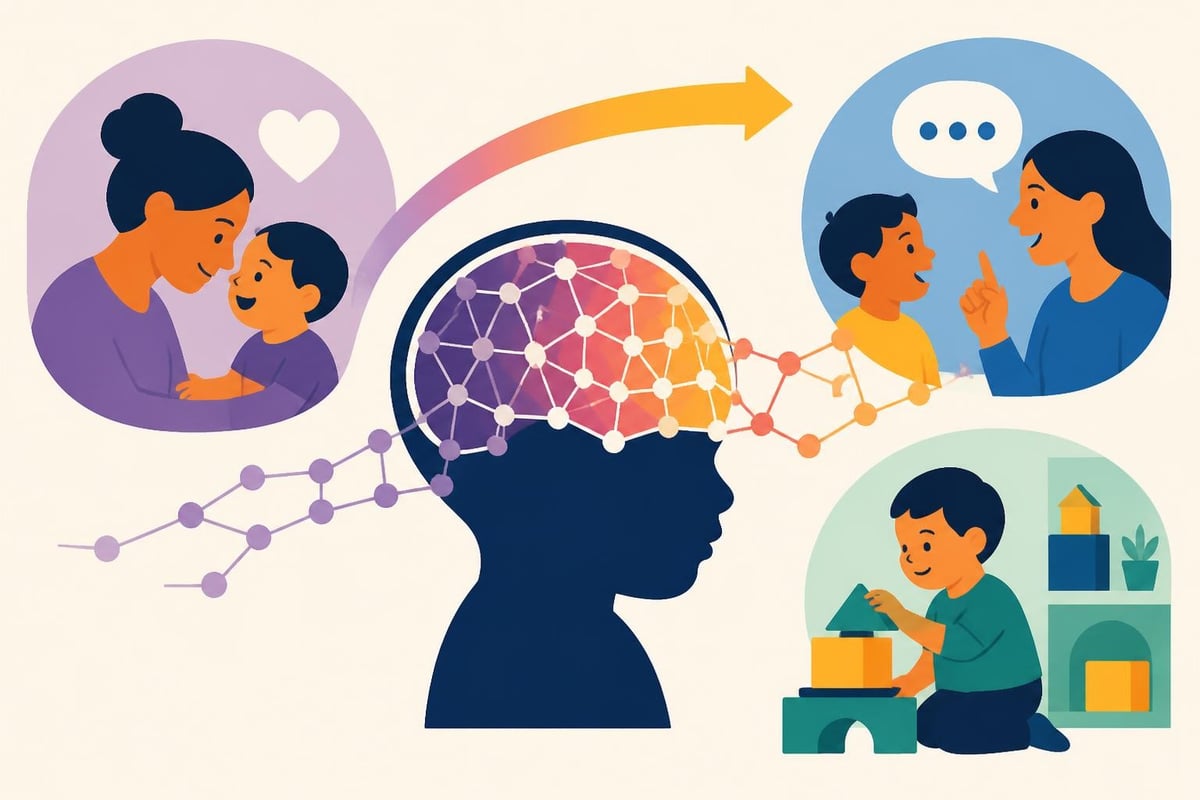
During the first three years, children's brains form over one million neural connections per second. This rapid development creates unique opportunities for learning that never occur again in human life. Quality early education and childcare programs capitalize on this critical period by providing rich environments filled with language exposure, sensory experiences, and responsive interactions.
Key developmental areas supported include:
- Language acquisition and communication skills
- Fine and gross motor development
- Social-emotional regulation
- Problem-solving and cognitive abilities
- Self-help skills and independence
The regulatory standards for early education services emphasize the importance of teacher-child interactions and evidence-based curriculum implementation in achieving developmental outcomes.
Long-Term Academic and Social Benefits
Children who attend quality programs enter kindergarten with stronger pre-literacy and math skills. They demonstrate better attention spans, follow directions more effectively, and show greater curiosity about learning. These advantages often persist through elementary school and beyond.
Research from the National Bureau of Economic Research shows particularly significant impacts for children from disadvantaged backgrounds, with high-quality programs helping to close achievement gaps that might otherwise widen over time.
Core Components of Effective Programs
Not all early education and childcare settings deliver the same quality of care or learning experiences. Several key factors distinguish exceptional programs from average ones, and understanding these elements helps parents evaluate options.
Curriculum and Learning Approach
Effective programs balance structured learning with child-led exploration. They use developmentally appropriate practices that meet children where they are while gently challenging them to grow. Quality curriculum frameworks integrate learning across domains rather than treating skills in isolation.
| Curriculum Element | Purpose | Example Activities |
|---|---|---|
| Literacy Development | Building language and pre-reading skills | Story time, letter recognition, phonics games |
| Mathematical Thinking | Number sense and problem-solving | Counting, sorting, pattern recognition |
| Science Exploration | Curiosity and investigation skills | Nature observation, simple experiments |
| Creative Expression | Imagination and fine motor skills | Art projects, music, dramatic play |
| Physical Development | Gross motor and coordination | Outdoor play, movement activities |
Many home-based programs, including those offering specialized infant care programs, provide intimate settings where curriculum can be tailored to each child's developmental stage and interests.
Teacher Qualifications and Child-to-Staff Ratios
The adults who care for young children make the biggest difference in program quality. Teachers with specialized training in early childhood education understand developmental milestones, recognize individual learning styles, and create environments that support growth.
Optimal ratios vary by age:
- Infants (0-12 months): 1:3 or 1:4
- Toddlers (12-24 months): 1:4 or 1:5
- Two-year-olds: 1:6 or 1:7
- Preschoolers (3-5 years): 1:8 to 1:10
Lower ratios allow teachers to provide individualized attention, respond promptly to children's needs, and build the secure attachments that support healthy development. The Office of the Assistant Secretary for Planning and Evaluation highlights how quality staffing impacts program effectiveness.
Health, Safety, and Nutrition Standards
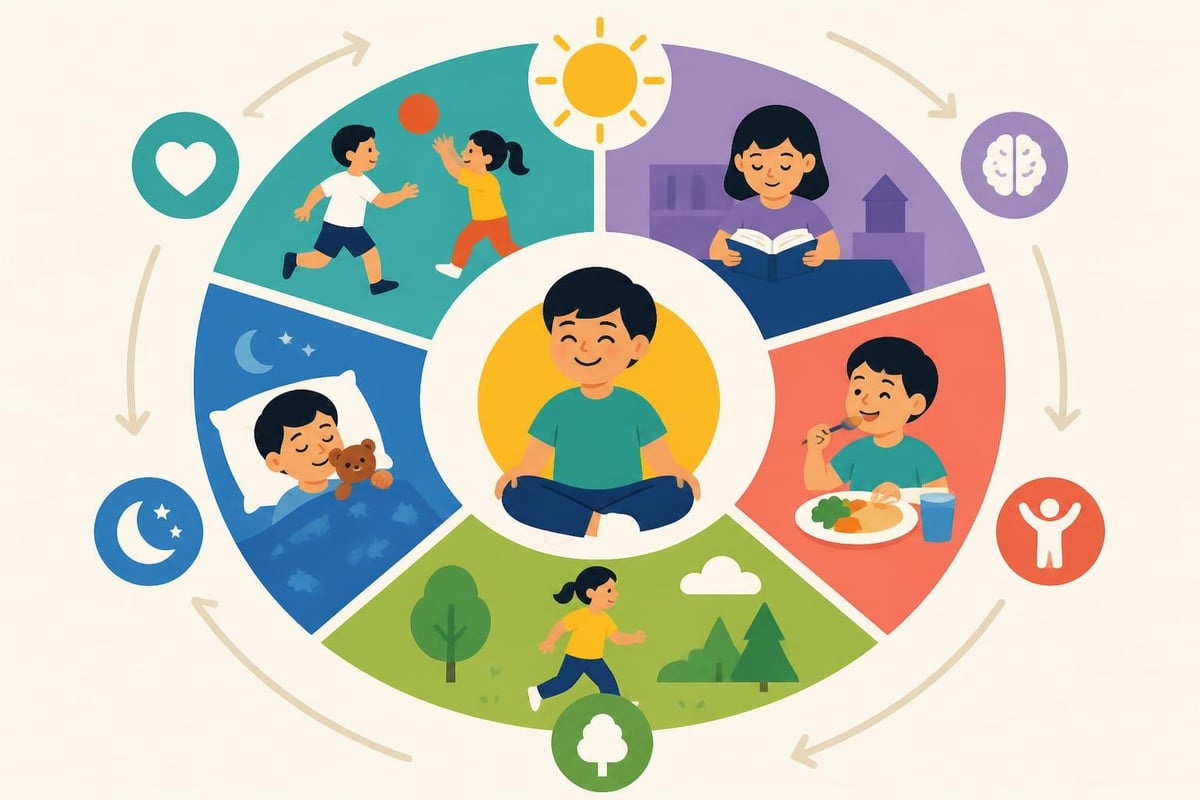
Quality early education and childcare programs prioritize children's physical wellbeing alongside their learning. This includes maintaining clean, safe environments, serving nutritious meals and snacks, and promoting healthy habits from an early age.
The CDC’s public health strategy for early care settings provides comprehensive guidance on nutrition, physical activity, and creating healthy environments that support children's overall development.
Different Program Models and Settings
Families have multiple options when choosing early education and childcare, each with distinct characteristics, advantages, and considerations. Understanding these differences helps match family needs with appropriate care settings.
Center-Based Programs
Large childcare centers typically serve many families in dedicated facilities with multiple classrooms organized by age group. These programs often have extensive resources, specialized play areas, and multiple staff members.
Advantages include:
- Structured curriculum and learning standards
- Multiple teachers and backup coverage
- Age-specific classrooms
- Extensive facilities and equipment
Centers work well for families who value consistency, formal educational programming, and the social opportunities that come from larger peer groups.
Home-Based Family Childcare
Home-based providers care for children in residential settings, typically with smaller groups and mixed ages. This model offers a family-like atmosphere where children experience more personalized attention and flexible scheduling.
Home settings excel at creating warm, nurturing environments that feel less institutional. Children benefit from multi-age groupings where older children model skills and younger ones learn through observation. Parents seeking top-rated daycares near me often find that quality home-based programs combine professional standards with personal care.
Preschool and Pre-K Programs
Programs specifically designed for three to five-year-olds focus intensively on school readiness. They emphasize early literacy, mathematical thinking, and the social skills children need for kindergarten success.
Some programs operate half-day schedules aligned with school calendars, while others offer full-day care that combines educational programming with childcare services. Research on access to early education reveals that availability and affordability of quality preschool programs vary significantly by location and family income.
Time Allocation and Daily Routines
How early education and childcare programs structure their day significantly impacts learning outcomes and child development. Thoughtful scheduling balances different activity types while maintaining predictable routines that help children feel secure.
Balancing Learning Modalities
Quality programs mix teacher-directed activities with child-initiated play, indoor and outdoor time, and active versus quiet periods. This variety prevents overstimulation or boredom while supporting different learning styles.
Research on time allocation in early childhood education demonstrates how programs distribute hours across activities and the factors influencing these decisions. Effective programs avoid excessive transitions while ensuring children experience diverse learning opportunities throughout each day.
The Role of Play in Learning
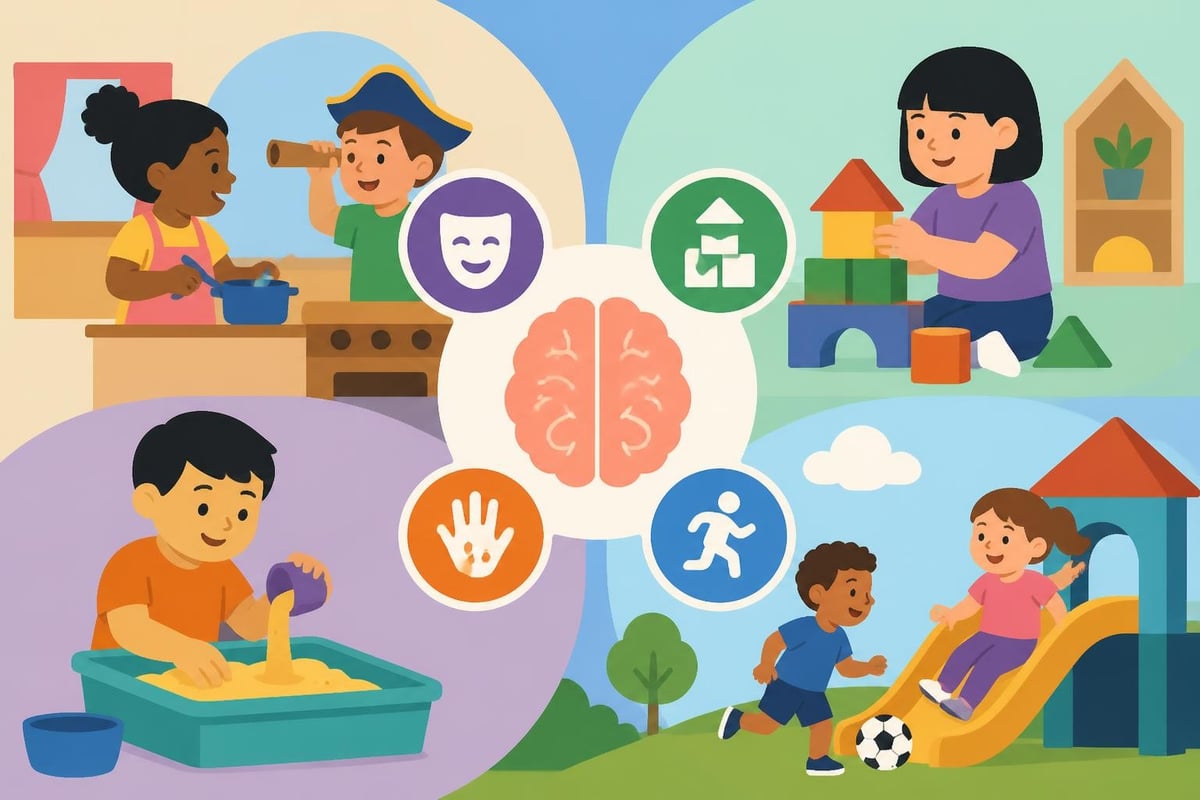
Play represents children's most natural and effective learning method. Through play, young children develop language, practice social skills, work through emotions, and explore cause-and-effect relationships.
| Play Type | Learning Benefits | Examples |
|---|---|---|
| Dramatic Play | Language, social skills, emotional processing | Kitchen area, dress-up, puppets |
| Block Building | Spatial reasoning, math concepts, cooperation | Unit blocks, large building materials |
| Sensory Play | Scientific thinking, fine motor skills | Sand, water, playdough, sensory bins |
| Outdoor Play | Gross motor, risk assessment, nature learning | Climbing, running, gardening |
High-quality programs protect substantial time for child-directed play while still incorporating structured learning activities that introduce new concepts and skills.
Evaluating Program Quality
Parents face important decisions when selecting early education and childcare. Knowing what to look for and which questions to ask helps identify programs that will truly support their children's development.
Observation and Assessment Practices
Quality programs regularly observe children's progress and use this information to adapt teaching strategies. Teachers should document developmental milestones, share observations with families, and modify activities based on individual children's interests and needs.
Effective assessment in early childhood focuses on authentic observation during natural activities rather than formal testing. Teachers note how children solve problems, interact with peers, and approach new challenges.
Family Communication and Partnership
Strong programs view parents as partners in their children's education. They communicate regularly about daily activities, developmental progress, and upcoming events. This partnership extends learning from the classroom into the home.
Look for programs that:
- Provide daily reports on infant and toddler activities
- Schedule regular parent-teacher conferences
- Welcome family involvement and input
- Share curriculum plans and learning objectives
- Respond promptly to parent questions and concerns
The National Institute for Early Education Research emphasizes that family engagement significantly influences program effectiveness and child outcomes.
Special Considerations for Infant and Toddler Care
The youngest children in early education and childcare settings have unique needs requiring specialized knowledge and nurturing approaches. Programs serving infants and toddlers operate quite differently from those designed for preschoolers.
Attachment and Responsive Caregiving
Infants and toddlers need consistent, responsive caregivers who understand their individual cues and communication attempts. Secure attachments with caregivers provide the emotional foundation for all other development.
Quality infant care involves:
- Primary caregiving systems where specific teachers care for the same children
- Immediate responses to distress and discomfort
- Individualized feeding and sleeping schedules
- Frequent holding, cuddling, and verbal interaction
- Gradual transitions as children grow and develop
Developmental Milestones and Individual Pacing
Young children develop at remarkably different rates. Programs must accommodate this variability while supporting each child's progress across developmental domains.
Teachers in quality programs recognize typical milestone ranges while avoiding rigid expectations. They celebrate each child's achievements and gently scaffold next steps without pushing children beyond their readiness.
Location and Accessibility Factors
Finding quality early education and childcare near home or work significantly impacts family logistics and satisfaction. Location affects not only convenience but also the community connections children develop.
Community-Based Options
Local programs strengthen neighborhood ties and create opportunities for children to build friendships that extend beyond care hours. Parents often prefer daycare options in their community where they can easily participate in events and maintain consistent drop-off and pickup routines.
Community-based care also allows children to play in familiar parks, participate in local library programs, and develop a sense of belonging in their neighborhood.
Accessibility and Inclusion
Quality early education and childcare programs welcome all children, including those with developmental delays or special needs. Inclusive programs benefit every child by teaching acceptance, patience, and appreciation for diversity.
Research from NYU Steinhardt’s Metro Center emphasizes how high-quality early learning experiences can particularly benefit children from different socioeconomic backgrounds when programs intentionally address equity and inclusion.
Supporting Transitions and Continuity
Children experience multiple transitions in early education and childcare, from home to care settings, between age-based classrooms, and eventually to kindergarten. How programs handle these changes significantly affects children's adjustment and confidence.
Starting Care Successfully
Beginning childcare represents a major life transition for both children and parents. Quality programs implement gradual enrollment processes, allowing children to visit multiple times with their parents before staying alone.
Effective transition practices include:
- Sharing detailed information about children's routines and preferences
- Maintaining familiar objects from home during initial weeks
- Allowing flexible pickup times during adjustment periods
- Providing frequent updates to parents during the first days
Preparing for Kindergarten
The transition from early education and childcare to elementary school requires intentional preparation. Quality programs introduce school-like routines during the preschool year while maintaining developmentally appropriate practices.
Kindergarten readiness involves more than academic skills. Children need independence in self-care, ability to follow multi-step directions, emotional regulation skills, and confidence in new situations.
Making the Final Choice
After researching options and visiting programs, families must decide which early education and childcare setting best fits their needs, values, and budget. This decision deserves careful consideration given its impact on children's development and family wellbeing.
Trust Your Instincts
Beyond checklists and credentials, parents should trust their gut feelings about programs. How do teachers interact with children? Does the environment feel warm and welcoming? Do children seem engaged and happy?
Visiting during regular operating hours provides the most authentic view of daily operations. Parents can observe teacher-child interactions, activity quality, and overall program atmosphere.
Starting the Partnership
Once families select a program, building strong relationships with teachers and administrators sets the stage for positive experiences. Share information about your child's personality, interests, challenges, and family routines. Ask questions when concerns arise and celebrate successes together.
Quality early education and childcare providers value parent input and work collaboratively to support each child's unique developmental journey. This partnership becomes most effective when both parties communicate openly and work toward shared goals.
Understanding the essential elements of quality early education and childcare empowers families to make informed decisions that support their children's development during these critical early years. Whether you're just beginning your search or looking to evaluate your current arrangement, focusing on qualified caregivers, developmentally appropriate practices, and strong family partnerships ensures the best possible outcomes. Step by Step Care provides nurturing, educational environments where young children thrive, combining the warmth of home-based care with professional early education practices tailored to each child's developmental needs.


