

Home Childcare: A Complete Guide for Parents in 2026
Choosing the right care environment for your child ranks among the most important decisions you'll make as a parent. Home childcare offers a unique alternative to traditional daycare centers, providing intimate, family-style settings where children develop and learn in smaller groups. This comprehensive guide explores what home childcare entails, the requirements providers must meet, and how to identify quality programs that will nurture your child's growth and development.
Understanding Home Childcare and Its Benefits
Home childcare, also known as family childcare, operates from a caregiver's residence rather than a commercial facility. This model typically serves smaller groups of children, creating an environment that closely resembles a home setting with mixed-age groupings.
The intimate nature of family child care homes allows providers to develop deep, lasting relationships with both children and families. Unlike center-based care with multiple staff members rotating through shifts, home childcare providers often become like extended family members who understand each child's unique personality, preferences, and developmental needs.
Key advantages of home childcare include:
- Lower child-to-caregiver ratios for more individualized attention
- Mixed-age groupings that allow siblings to stay together
- Home-like atmosphere that eases transition for young children
- Flexible scheduling options for non-traditional work hours
- Stronger continuity of care with consistent caregivers
- Typically lower costs compared to center-based programs
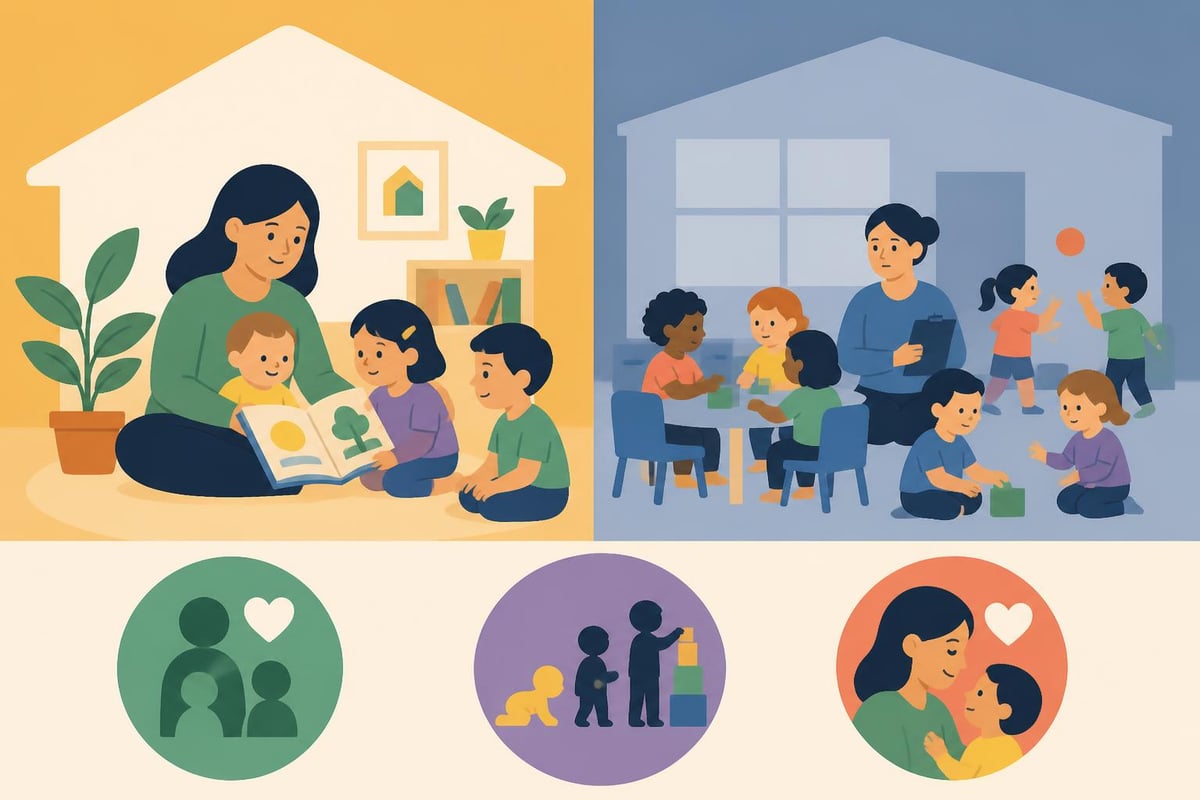
The family-style setting naturally encourages social-emotional development. Younger children learn from older peers, while older children develop leadership skills and empathy by helping younger ones. This multi-age dynamic mirrors natural family structures and creates rich learning opportunities.
Licensing Requirements and Regulatory Standards
Operating a legitimate home childcare business requires adherence to specific regulations that vary by state. Understanding these requirements helps parents identify properly licensed providers who maintain safe, healthy environments.
State licensing for childcare programs establishes minimum standards for health, safety, and quality. These regulations protect children and give parents confidence that providers meet baseline requirements.
Essential Licensing Components
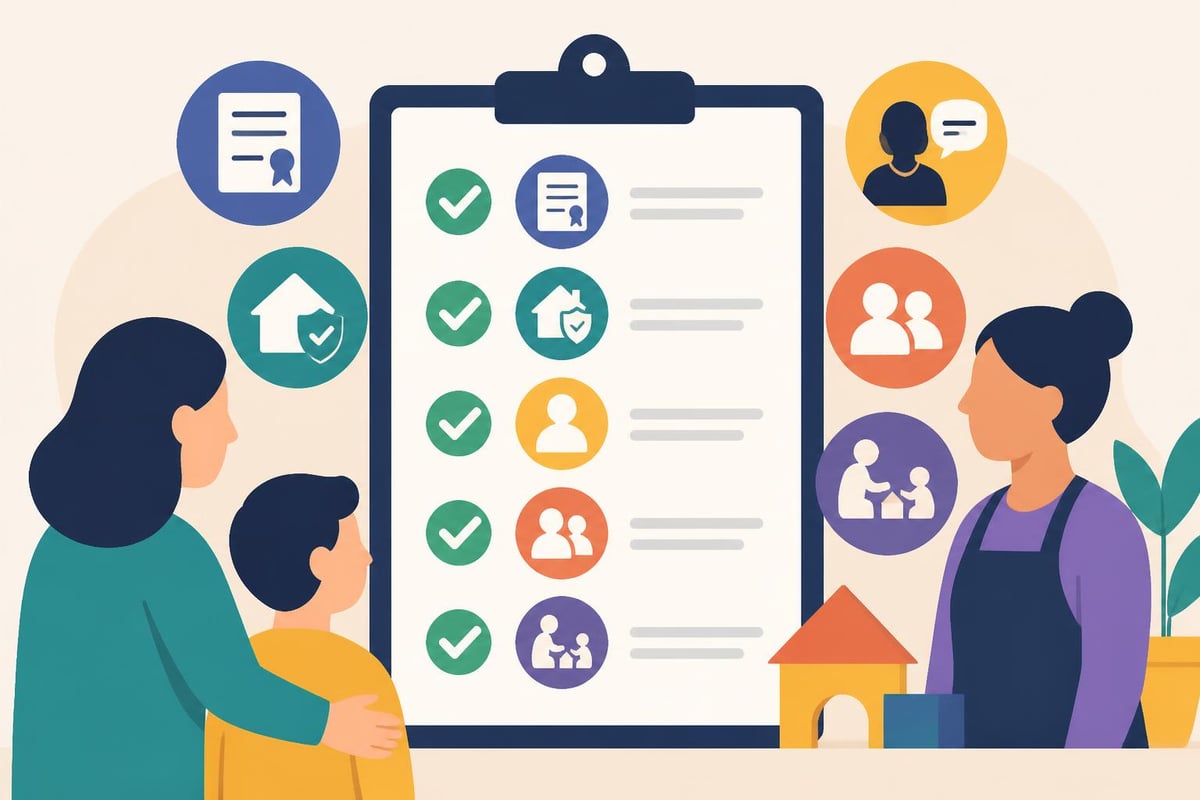
Most states require home childcare providers to complete several steps before accepting children. The licensing process for in-home daycare typically includes:
- Home safety inspection covering fire safety, hazardous materials, and child-proofing
- Background checks for all household members over age 18
- Health and immunization records for the provider
- First aid and CPR certification to respond to emergencies
- Training in early childhood development and child care best practices
- Liability insurance to protect families and the business
| Requirement Type | Purpose | Renewal Frequency |
|---|---|---|
| Home Inspection | Verify safety standards | Annually or biannually |
| Background Check | Screen for criminal history | Every 2-5 years |
| CPR/First Aid | Emergency preparedness | Every 2 years |
| Ongoing Training | Professional development | 15-20 hours annually |
| Health Inspection | Environmental safety | Varies by state |
The legal considerations for running a daycare from home extend beyond initial licensing. Providers must maintain compliance through regular inspections, continuing education, and updated documentation.
Capacity and Ratio Regulations
States establish maximum capacity limits and child-to-caregiver ratios based on children's ages. These regulations ensure providers can adequately supervise and engage with each child.
Typical capacity ranges from 6 to 12 children, depending on whether the provider has assistants. Infant ratios are strictest, often requiring one caregiver for every 3-4 infants, while school-age ratios may allow one caregiver for 10-12 children.
Quality Indicators in Home Childcare Programs
Not all licensed providers offer the same quality of care. Parents should evaluate several factors when selecting a home childcare program that aligns with their values and meets their child's needs.
Curriculum and Educational Approach
Quality home childcare goes beyond basic supervision. Educational requirements for home-based programs emphasize developmentally appropriate curriculum that supports children across all learning domains.
Look for providers who implement structured learning activities while maintaining the flexibility to follow children's interests. The best programs balance teacher-directed lessons with child-initiated play, creating rich learning environments without overwhelming young children.
Components of a comprehensive curriculum include:
- Language and literacy activities through stories, songs, and conversations
- Math and science exploration using hands-on materials
- Creative expression through art, music, and dramatic play
- Physical development via outdoor play and movement activities
- Social-emotional learning through conflict resolution and relationship building
Programs affiliated with Step by Step Care demonstrate how quality home childcare providers integrate intentional teaching into daily routines, transforming everyday moments into learning opportunities.

Health, Safety, and Nutrition Standards
The physical environment directly impacts children's wellbeing. Signs of a quality family home daycare include clean, well-maintained spaces with age-appropriate toys and equipment.
Safety measures should be visible throughout the home:
- Secure gates at stairways and doorways
- Covered electrical outlets and secured cabinets
- Fenced outdoor play areas free from hazards
- Properly stored cleaning supplies and medications
- Emergency evacuation plans posted clearly
Nutrition plays a crucial role in children's development. Quality providers serve balanced meals and snacks that meet USDA guidelines, accommodate dietary restrictions, and introduce children to diverse, healthy foods.
| Quality Element | What to Look For | Red Flags |
|---|---|---|
| Cleanliness | Sanitized toys, clean floors, organized spaces | Visible dirt, strong odors, clutter |
| Safety Equipment | Gates, outlet covers, locked cabinets | Missing safety devices, accessible hazards |
| Meal Quality | Fresh foods, variety, appropriate portions | Excessive processed foods, irregular meal times |
| Outdoor Space | Safe, age-appropriate equipment | Broken equipment, unsecured areas |
Selecting the Right Home Childcare Provider
Finding the perfect match requires careful research, thorough interviews, and trust in your parental instincts. The selection process should involve multiple steps to gather comprehensive information.
Research and Initial Screening
Start by compiling a list of licensed providers in your area through state childcare resource and referral agencies. Choosing an in-home daycare involves considering location, hours, availability, and basic philosophy before scheduling visits.
Check each provider's licensing status and inspection history. Many states maintain online databases where parents can review compliance records, violations, and complaint histories. This transparency helps identify providers who consistently meet regulatory standards.
The Visit and Interview Process
Schedule visits during regular operating hours to observe the program in action. Pay attention to how the provider interacts with children, manages transitions, and handles challenging behaviors.
Essential questions to ask during your visit:
- What is your daily schedule and how do you balance structured activities with free play?
- How do you communicate with parents about their child's day and development?
- What is your approach to discipline and behavior guidance?
- How do you handle emergencies and illness?
- What backup care arrangements do you have when you're unavailable?
- How do you support children's individual developmental needs and learning styles?
- What is your policy on screen time and technology use?
Observe the environment beyond the provider's answers. Are children engaged and happy? Does the space feel warm and welcoming? Do you notice diverse learning materials and books?
Checking References and Making Your Decision
Contact current and former families to learn about their experiences. Ask about communication patterns, how the provider handled challenges, and whether they would recommend the program without reservation.
Trust your intuition alongside objective criteria. The right home childcare provider should make you feel confident, heard, and partnered in your child's care and education.
Building Strong Partnerships with Your Provider
Success in home childcare depends on effective collaboration between families and providers. Establishing clear communication patterns from the start creates a foundation for addressing concerns and celebrating milestones.
Communication Expectations and Methods
Discuss preferred communication methods during enrollment. Some providers use daily written reports, while others prefer verbal check-ins at pickup. Digital platforms and apps can facilitate photo sharing, developmental updates, and scheduling coordination.
Regular communication should cover:
- Daily activities, meals, and nap times
- Developmental observations and milestones
- Behavioral concerns or changes
- Upcoming events or schedule changes
- Supplies needed or policy reminders
Communication Best Practices:
- Respond promptly to provider messages and requests
- Share relevant information about your child's health, sleep, or behavior changes
- Address concerns directly and respectfully when they arise
- Acknowledge positive feedback and express appreciation
- Attend parent meetings or conferences when offered
Supporting Consistency Between Home and Care Settings
Children thrive on consistency. Share information about your home routines, discipline approaches, and developmental goals so providers can maintain continuity. Similarly, ask providers about their methods and consider incorporating successful strategies at home.
| Area | Why Consistency Matters | How to Achieve It |
|---|---|---|
| Sleep Routines | Easier transitions, better rest | Share nap schedules and soothing techniques |
| Discipline | Reduces confusion, reinforces expectations | Align on consequences and positive reinforcement |
| Nutrition | Establishes healthy habits | Communicate preferences and restrictions |
| Learning | Reinforces skills and concepts | Extend activities at home |
Programs like those at Step by Step Care emphasize family partnerships, recognizing that collaboration between parents and providers creates the most supportive environments for children's growth.
Understanding Costs and Financial Considerations
Home childcare typically costs less than center-based care, but rates vary significantly based on location, provider qualifications, and services offered. Understanding the full financial picture helps families budget appropriately.
Typical Rate Structures and Payment Policies
Providers may charge by the week, month, or hour, with different rates for full-time versus part-time care. Infant care generally costs more than toddler or preschool care due to lower ratio requirements and increased hands-on care.
Common additional fees include:
- Registration or enrollment fees
- Annual supply fees for materials and curriculum resources
- Late pickup charges
- Holiday or vacation holds to secure your spot
- Meal and snack costs if not included in tuition
Clarify payment expectations, including due dates, accepted payment methods, late payment penalties, and refund policies for absences or closures. Written contracts should detail all financial terms to prevent misunderstandings.
Financial Assistance Options
Many families qualify for childcare subsidies through state or federal programs. The Child Care and Development Fund (CCDF) helps low-income families afford quality care by providing vouchers or reduced copayments.
Employer-sponsored benefits may include Dependent Care Flexible Spending Accounts (FSAs) allowing families to set aside pre-tax dollars for childcare expenses. Some employers also offer childcare subsidies or referral services as part of benefits packages.
Tax credits provide additional relief. The Child and Dependent Care Credit allows families to claim a percentage of childcare expenses on federal tax returns, potentially reducing tax liability by hundreds or thousands of dollars annually.
Preparing Your Child for Home Childcare
Transitions to new care settings can challenge children and parents alike. Thoughtful preparation eases anxiety and helps children adjust more quickly to their new environment.
Gradual Introduction and Trial Periods
Arrange short visits before your child's first full day. These preview sessions allow children to explore the space, meet the provider, and interact with other children while you remain present for reassurance.
Consider a graduated schedule during the first week, starting with a few hours and gradually extending to your full schedule. This approach gives children time to build trust and comfort without overwhelming them.
Establishing Goodbye Routines
Develop a consistent goodbye ritual that provides closure without prolonging separation. Whether it's a special hug, a wave at the window, or a quick story, predictable routines help children know what to expect.
Keep goodbyes brief and positive. Sneaking away might seem easier in the moment, but it can damage trust and increase anxiety at future dropoffs. Acknowledge your child's feelings while confidently reassuring them you'll return.
Tips for smooth transitions:
- Maintain consistent dropoff times and routines
- Bring a comfort item from home if the provider allows
- Talk positively about the provider and activities
- Ask the provider about your child's adjustment after you leave
- Avoid rushing the adjustment process
Ongoing Evaluation and Quality Monitoring
Your relationship with your home childcare provider should evolve as your child grows. Regular assessment ensures the program continues meeting your family's changing needs.
Developmental Progress and Documentation
Quality providers track children's developmental milestones and learning progress. Request regular updates that include specific observations, work samples, or assessment results that demonstrate growth across developmental domains.
Compare your child's progress to typical developmental benchmarks while recognizing individual variation. Discuss any concerns with your provider, who can offer insights based on experience with many children and may suggest strategies or specialist referrals if needed.
Addressing Concerns and Making Changes
Problems occasionally arise in any childcare arrangement. Address concerns promptly and directly with your provider before they escalate. Most issues resolve through open conversation and collaborative problem-solving.
If concerns persist despite discussion, or if you observe serious safety violations or unprofessional behavior, consider whether the placement remains appropriate. While changing providers disrupts routines, staying in an unsuitable situation can negatively impact your child's wellbeing and development.
Understanding childcare licensing requirements helps parents recognize serious violations versus minor issues that providers can readily address.
Choosing home childcare represents a significant commitment to your child's early development and your family's daily functioning. By understanding licensing requirements, quality indicators, and effective partnership strategies, you can identify providers who will nurture your child's growth in safe, engaging environments. Step by Step Care offers families access to quality home childcare that prioritizes children's developmental needs while supporting parents through open communication and professional expertise. Learn more about our programs and discover how we can support your family's childcare journey.


