

Childcare for a Day: Your Complete Guide (2026)
Finding reliable childcare for a day can feel overwhelming, especially when you're facing unexpected work commitments, personal appointments, or simply need a break. Whether you're dealing with a sudden schedule change, a child's school closure, or planning ahead for a special event, understanding your options for temporary care helps you make informed decisions quickly. The good news is that flexible, high-quality childcare solutions exist for families who need care for just a single day, and knowing where to look can make all the difference in securing the right fit for your child.
Understanding Your One-Day Childcare Needs
Before searching for childcare for a day, take time to assess exactly what your family requires. Different situations call for different solutions, and clarity about your needs will streamline your search significantly.
Identifying Your Specific Situation
Consider the circumstances prompting your need for temporary care. Are you handling a work emergency that requires immediate attention? Perhaps you have a medical appointment, a family obligation, or simply need time for self-care. Each scenario may benefit from different types of childcare arrangements.
Key factors to evaluate include:
- Your child's age and developmental needs
- The hours of care required (full day versus partial day)
- Your budget for single-day care
- Location preferences (your home versus an external facility)
- Any special requirements, such as meal preparation or transportation
Understanding various childcare options available helps you match your specific needs with the most suitable solution. Some families prefer the familiarity of in-home care, while others find drop-in centers more convenient for their lifestyle.
Timing and Planning Considerations
How much advance notice you have dramatically impacts your options. Planned events allow you to research thoroughly, interview candidates, and secure your preferred choice. Emergency situations require providers who offer same-day or next-day availability.
For families needing occasional care throughout the year, establishing relationships with reliable providers now pays dividends later. Many temporary care services offer registration processes that expedite future bookings.
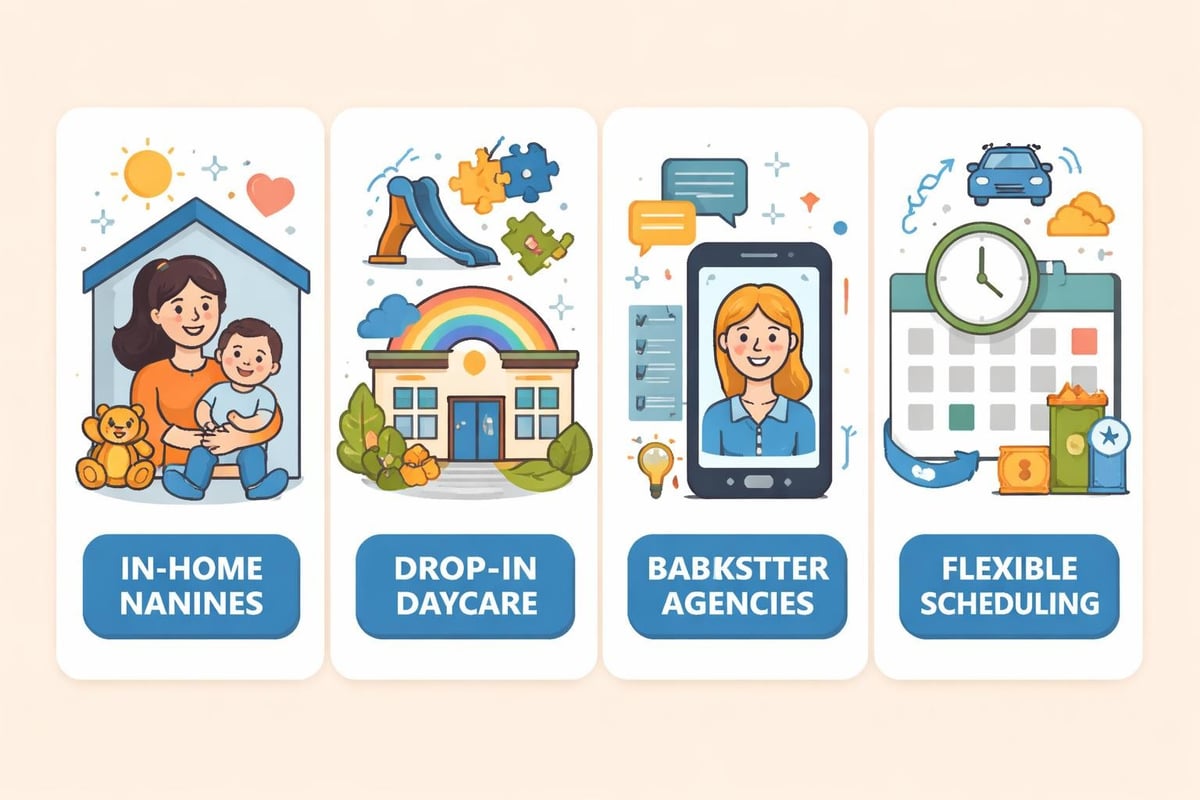
Exploring Childcare for a Day Options
The landscape of temporary childcare has expanded significantly, offering families more choices than ever before. Each option comes with distinct advantages, cost structures, and availability considerations.
Temporary Nanny Services
Temporary nanny services connect families with professional caregivers for short-term assignments. These services typically maintain rosters of vetted, experienced nannies available for single-day placements. Temporary nanny services often provide caregivers who can work anywhere from one to fifty days, making them ideal for both planned and emergency situations.
Advantages of temporary nannies:
- One-on-one attention for your child
- Care provided in your home environment
- Flexibility with scheduling and specific requirements
- Consistency if you need the same provider for multiple occasions
Most agencies conduct background checks, verify references, and ensure their nannies have appropriate certifications in CPR and first aid. Rates typically range from $20 to $30 per hour, depending on your location, the number of children, and any additional responsibilities.
Drop-In Childcare Centers
Drop-in care centers offer flexible scheduling without requiring long-term enrollment commitments. These facilities allow parents to purchase care by the day or even by the hour, making them perfect for childcare for a day needs.
Some centers, like those offering flexible scheduling options, provide programs where families can purchase days in advance and use them as needed. This model works exceptionally well for parents with unpredictable schedules or those who only occasionally need care.
| Feature | Drop-In Centers | Traditional Daycare |
|---|---|---|
| Commitment Required | None or minimal | Monthly/annual enrollment |
| Advance Notice | Often same-day | Usually weeks in advance |
| Cost Structure | Pay-per-use | Fixed monthly fees |
| Social Interaction | High (group setting) | High (group setting) |
| Personalized Attention | Moderate (staff-to-child ratios) | Moderate (staff-to-child ratios) |
Babysitter Agencies and Networks
Professional babysitter agencies maintain databases of qualified caregivers available for short-term assignments. Unlike temporary nanny services that focus on longer placements, babysitter agencies often specialize in shorter time frames, including date nights and emergency backup care.
These agencies handle the vetting process, verify credentials, and often provide backup options if a scheduled sitter becomes unavailable. Their services offer peace of mind through professional oversight and accountability.
Home-Based Childcare Providers
Home-based childcare providers, like Step by Step Care, sometimes accept children for occasional or single-day care, especially if they have availability in their licensed capacity. This option combines the benefits of small group settings with the warmth of a home environment.
Home-based providers often offer more personalized attention than larger centers and may have more flexibility in their scheduling. Building a relationship with a quality home-based provider for occasional care can also position you well if your needs change and you require more regular care in the future.
Finding and Vetting Quality Providers
Securing safe, reliable childcare for a day requires due diligence, even for temporary arrangements. Your child's safety and wellbeing should never be compromised, regardless of the care duration.
Essential Screening Steps
When evaluating any childcare provider, certain non-negotiables should guide your decision-making process.
Minimum requirements include:
- Current background checks and clearances
- Valid CPR and first aid certifications
- Verifiable references from previous families
- Appropriate licensing or registration (for centers and home-based providers)
- Clear communication about policies, rates, and expectations
Request documentation of these qualifications before committing to any provider. Reputable services will readily provide this information and may even make it available on their websites.
Interview Questions That Matter
Whether you're speaking with an agency representative or directly with a caregiver, asking the right questions helps you assess fit and competence.
Key questions to ask:
- What is your experience with children in my child's age group?
- How do you handle common behavioral challenges?
- What activities do you typically plan for children during care hours?
- How do you communicate with parents during the day?
- What is your policy for sick children or emergencies?
- Can you accommodate specific dietary needs or restrictions?
Pay attention not just to the answers but to how they're delivered. You want caregivers who demonstrate patience, enthusiasm, and clear communication skills.

Trial Runs and Transitions
Whenever possible, arrange a brief meeting between your child and the provider before the actual care day. This introduction helps your child feel more comfortable and allows you to observe the interaction firsthand.
For younger children especially, transitions can be challenging. Share information about your child's routine, preferences, and any comfort items that help with separation. Learning about temporary care solutions can help you prepare for successful handoffs.
Cost Considerations for Single-Day Care
Understanding the financial aspects of childcare for a day helps you budget appropriately and avoid surprises. Pricing varies widely based on your location, the type of care you choose, and your specific requirements.
Typical Rate Structures
Different providers use different pricing models, and knowing what to expect helps you compare options accurately.
| Provider Type | Typical Rate Range | Additional Fees |
|---|---|---|
| Temporary Nanny (in-home) | $20-30/hour | Agency placement fees ($50-150) |
| Drop-In Center | $15-25/hour or $75-150/day | Registration fees, activity fees |
| Babysitter Agency | $18-28/hour | Membership fees, booking fees |
| Home-Based Provider | $40-100/day | May require registration |
Rates in urban areas tend to run higher than those in suburban or rural locations. Additional children typically add $2-5 per hour to the base rate for in-home care.
Hidden Costs to Consider
Beyond the advertised hourly or daily rates, factor in potential additional expenses. Some agencies charge placement fees for matching you with a caregiver. Others require membership fees that grant access to their provider network.
Last-minute or emergency bookings often carry premium charges, sometimes 20-50% above standard rates. Planning ahead whenever possible helps you avoid these surcharges.
Maximizing Value
Getting the most from your childcare investment involves more than finding the lowest rate. Quality care that keeps your child safe, engaged, and happy provides value that transcends dollar amounts.
Consider purchasing multi-day packages if a provider offers them, even if you don't need all the days immediately. Many drop-in centers and agencies offer discounted rates when you pre-purchase blocks of time.
Preparing Your Child for One-Day Care
Even when childcare for a day is a one-time occurrence, preparation helps ensure a positive experience for everyone involved. Children thrive on predictability, and you can create structure even within temporary arrangements.
Age-Appropriate Preparation
Tailor your preparation approach to your child's developmental stage. Toddlers need simple explanations and familiar comfort items, while school-age children can understand more detailed explanations and may even help prepare.
For younger children (ages 1-3):
- Keep explanations simple and positive
- Provide favorite toys or blankets
- Maintain regular routines as much as possible
- Allow extra time for drop-off transitions
For preschoolers (ages 3-5):
- Explain where you'll be and when you'll return
- Read books about new experiences or going to daycare
- Visit the location beforehand if possible
- Involve them in packing their bag for the day
For school-age children (ages 6+):
- Have an honest conversation about the plan
- Address any concerns or questions they raise
- Discuss activities they might enjoy during care
- Ensure they know how to contact you if needed
What to Pack
Sending your child prepared for the day makes transitions smoother and helps caregivers meet their needs effectively.
Essential items include:
- Diapers, wipes, and changes of clothes (for younger children)
- Snacks and lunch, labeled with your child's name
- Any medications with clear instructions
- Comfort items like blankets or stuffed animals
- Contact information and emergency numbers
- Schedule information about naps, meals, and routines

Emergency and Last-Minute Solutions
Life doesn't always provide advance notice. Emergency backup care services exist specifically for these situations, offering vetted caregivers on short notice.
Building Your Emergency Network
The best time to prepare for emergency childcare needs is before you actually need them. Creating a backup plan now saves stress later.
Strategies for emergency preparedness:
- Register with one or two backup care services in advance
- Exchange information with other trusted parents for reciprocal help
- Identify drop-in centers near your home and workplace
- Keep a list of qualified teenage or college-age babysitters
- Maintain an updated information sheet about your child's needs
Some employers offer emergency backup care as a benefit, often through partnerships with national providers. Check with your human resources department about available options.
Same-Day Booking Tips
When you need childcare for a day on short notice, acting quickly and being flexible increases your chances of success.
Start by contacting services that specialize in last-minute placements. Be upfront about your timeline and specific needs. Flexibility with your requirements, such as location or exact hours, can open up additional options.
Short-term care providers who focus on flexible solutions often maintain capacity specifically for emergency situations. Their business models are designed around quick placements, making them ideal for urgent needs.
Special Considerations and Unique Situations
Not all childcare for a day situations are straightforward. Special circumstances require additional consideration and may limit your available options.
Care for Children with Special Needs
Children with disabilities or special healthcare needs require caregivers with specific training and experience. Specialized temporary childcare services offer caregivers trained to work with children who have various needs, from physical disabilities to behavioral challenges.
When discussing your child's needs with potential providers, be specific and detailed. Share information about therapies, medications, mobility aids, communication methods, and behavioral strategies that work well.
Sick Child Care
Most childcare facilities have illness policies that exclude children with fevers, contagious conditions, or other symptoms. This creates a particular challenge when you need childcare for a day but your child isn't feeling well.
Some specialized services focus specifically on sick child care, providing caregivers in your home when your child can't attend regular care settings. These services cost more but solve a critical problem for working parents.
Overnight and Extended Hour Care
Occasionally, childcare for a day extends beyond typical daytime hours. Night shifts, travel, or special events may require overnight care or coverage during evening and early morning hours.
Temporary nanny services often provide caregivers willing to work overnight shifts. Be prepared for premium rates, as overnight care typically costs 1.5 to 2 times the daytime hourly rate. Providing a separate room where the caregiver can rest during the night is standard practice.
Making the Most of One-Day Care Experiences
Even temporary care arrangements can be positive, enriching experiences for your child when approached thoughtfully.
Setting Expectations
Clear communication with your provider ensures everyone starts on the same page. Provide written information about your child's routine, preferences, and any specific instructions.
Share your contact information and your preferred communication method. Some parents appreciate regular text updates, while others prefer to be contacted only if issues arise. Communicate your preference upfront.
Following Up
After the care day concludes, take a few minutes to connect with the provider. Ask about your child's day, any challenges that arose, and what activities they enjoyed. This conversation helps you assess whether you'd use this provider again and gives you talking points to discuss with your child.
Observe your child's reaction to the experience. Most children adapt well to temporary care, but their feedback helps you refine your approach for future occasions.
Building Relationships for Future Needs
Even if you only need childcare for a day occasionally, developing ongoing relationships with quality providers benefits your family long-term.
Staying Connected
When you find a great temporary caregiver or facility, maintain the connection. Send a thank-you note or email after the care day. If you know you'll need occasional care going forward, ask about preferred booking methods or how to request the same caregiver again.
Some families establish regular relationships with temporary providers, scheduling them for one day weekly or monthly even if it's not always needed. This approach ensures availability when you do need care and builds familiarity for your child.
Exploring Ongoing Options
Sometimes what starts as a need for occasional care evolves into something more regular. If you find yourself needing childcare for a day multiple times per month, exploring more permanent arrangements might make financial and practical sense.
Home-based providers often offer part-time enrollment options that provide more consistency than drop-in arrangements while maintaining flexibility. Learning more about quality home-based care can help you understand what ongoing relationships with providers might look like.
Regional Considerations and Resources
Childcare availability and costs vary significantly by location. Urban areas typically offer more diverse options but at higher price points. Suburban and rural families may have fewer choices but often benefit from lower rates and tighter-knit communities of providers.
Finding Local Providers
Start your search by asking for recommendations from friends, neighbors, and coworkers. Personal referrals often lead to the most reliable providers. Your pediatrician's office may also maintain lists of recommended childcare services.
Online search can help you identify licensed facilities and registered home-based providers in your area. State licensing databases provide information about provider credentials, inspection results, and any complaints or violations.
Community bulletin boards, both physical and virtual (like neighborhood Facebook groups), often feature posts from families seeking to share information about quality providers.
Understanding State Regulations
Each state maintains its own regulations governing childcare providers. Licensing requirements, staff-to-child ratios, background check procedures, and inspection frequencies all vary by location.
Familiarize yourself with your state's basic requirements so you can verify that providers meet minimum standards. While licensing doesn't guarantee quality, it does ensure basic safety and operational standards are met.
Finding quality childcare for a day doesn't have to be stressful when you understand your options and know what to look for in a provider. Whether you need occasional care, emergency backup, or regular one-day arrangements, reliable solutions exist to meet your family's unique needs. Step by Step Care understands that families require flexibility and quality, offering home-based childcare that can accommodate varying schedules while providing the nurturing, safe environment your child deserves. Contact us to learn more about how we can support your family's childcare needs, whether you need care for a day or are looking for a more regular arrangement.


