

Childcare by the Day: Flexible Solutions for Families
Modern families face constantly changing schedules, irregular work hours, and unpredictable childcare needs that traditional five-day-a-week programs cannot always accommodate. Childcare by the day has emerged as a practical solution for parents who need quality care without committing to full-time enrollment. This flexible approach allows families to purchase childcare services on an as-needed basis, whether that means one day per week, sporadic coverage, or temporary care during transitional periods. Understanding how daily childcare arrangements work, what to look for in providers, and how to navigate the regulatory landscape can help parents make informed decisions for their children's wellbeing.
Understanding the Childcare by the Day Model
Childcare by the day represents a shift from traditional enrollment models toward more flexible, family-centered scheduling. This arrangement allows parents to pay for only the days they actually need care rather than committing to a weekly or monthly contract.
The model works particularly well for families with variable schedules, including freelancers, shift workers, and parents with seasonal employment. Unlike traditional programs that require consistent attendance, daily childcare accommodates irregular patterns while still providing children with structured, nurturing environments.
Who Benefits from Daily Childcare Arrangements
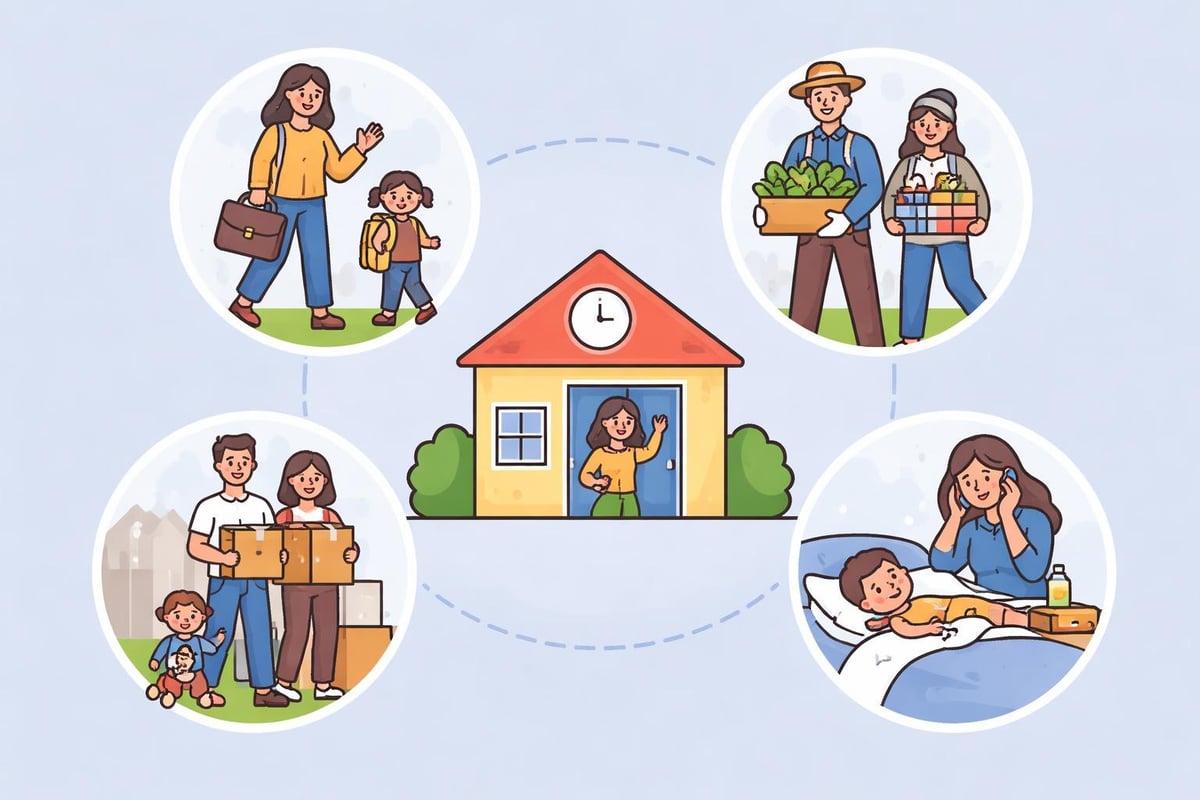
Several family types find particular value in childcare by the day options:
- Part-time workers who need care only two or three days weekly
- Families with rotating schedules where parents alternate childcare responsibilities
- Seasonal workers requiring temporary coverage during busy periods
- Parents transitioning between jobs who need short-term solutions
- Families using multiple care arrangements who need occasional backup support
This flexibility has contributed to significant growth in the childcare sector. According to daycare industry statistics, the market continues expanding as more families seek alternatives to traditional full-time programs.
Licensing and Regulatory Considerations
Quality childcare by the day programs must meet the same rigorous standards as traditional centers. Parents should verify that any provider offering daily services maintains proper licensing and follows state-specific regulations.
Child care licensing requirements ensure providers meet health and safety standards regardless of whether children attend full-time or occasionally. These regulations cover facility standards, staff qualifications, child-to-caregiver ratios, and safety protocols.
State-Specific Requirements
Licensing requirements vary considerably across states, making it essential for parents to understand local regulations. Some jurisdictions have specific provisions for drop-in or flexible care arrangements, while others apply standard licensing rules regardless of attendance patterns.
Key regulatory areas include:
- Background checks and staff qualifications for all caregivers
- Facility safety inspections covering indoor and outdoor spaces
- Health and sanitation protocols including illness policies
- Staff-to-child ratios that may vary by age group
- Emergency preparedness plans and evacuation procedures
The comprehensive guide on drop-in daycare licensing provides state-by-state information updated for 2026, helping parents understand specific requirements in their area.
Verification and Compliance
Before enrolling in any childcare by the day program, parents should take specific verification steps. Request to see current licensing documentation and ask about the most recent inspection results. Regulated child care standards provide baseline expectations that all legitimate programs should meet or exceed.
Reputable providers like Step by Step Care maintain transparent communication about their licensing status and readily share compliance information with prospective families.
Cost Structures and Payment Models
Understanding the financial aspects of childcare by the day helps families budget effectively while accessing the flexibility they need. Pricing structures vary significantly based on location, provider type, and services included.
| Payment Model | Description | Best For | Typical Cost Range |
|---|---|---|---|
| Single Day Rate | Fixed price per attendance day | Occasional needs | $40-$75 per day |
| Punch Card System | Pre-purchase multiple days at discount | Regular part-time use | $35-$65 per day |
| Monthly Flexible | Set number of days used any time that month | Predictable but variable schedules | $300-$900 monthly |
| Drop-In Hourly | Hourly rate with minimum requirements | Last-minute needs | $12-$20 per hour |
Comparing Value Across Options
While childcare by the day typically costs more per day than full-time enrollment, it provides significant value for families who don't need five-day coverage. A family needing care only two days weekly might pay $320 monthly for daily arrangements versus $800 for unnecessary full-time enrollment.
Consider these factors when evaluating costs:
- Registration or membership fees that provide access to daily scheduling
- Advance booking requirements that may offer lower rates
- Cancellation policies and whether fees apply for unused reserved days
- Additional costs for meals, activities, or supplies
- Sibling discounts if multiple children attend
Financial planning becomes easier when parents understand the complete cost structure upfront. Many programs offer transparent pricing information and can project monthly costs based on anticipated attendance patterns.
Quality Indicators in Flexible Childcare Programs
Not all childcare by the day programs maintain the same quality standards. Parents should evaluate several key indicators to ensure their children receive excellent care regardless of attendance frequency.
Educational Programming and Curriculum
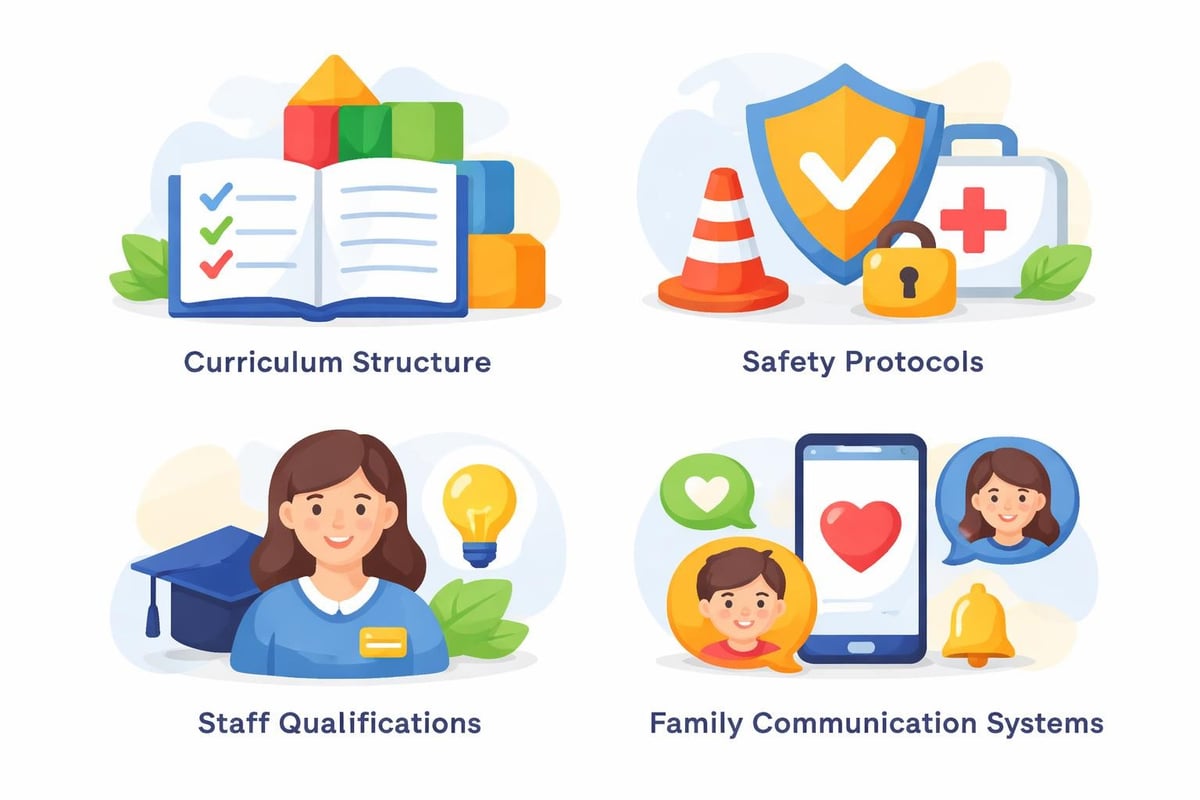
High-quality programs implement structured curricula even for children who attend irregularly. Look for providers who:
- Offer age-appropriate learning activities that children can engage with regardless of attendance pattern
- Maintain developmental tracking for each child, even those attending part-time
- Provide communication systems keeping parents informed about daily activities and milestones
- Create inclusive environments where occasional attendees feel welcomed and integrated
The best programs recognize that children need consistency in care quality, not necessarily in schedule. They adapt their approach to accommodate varying attendance while maintaining educational standards.
Staff Consistency and Training
Staff turnover significantly impacts care quality. Even in flexible programs, children benefit from seeing familiar faces and building relationships with consistent caregivers.
Evaluate staff quality through these measures:
- Caregiver qualifications including relevant education and certifications
- Ongoing professional development demonstrating commitment to excellence
- Low staff turnover rates indicating positive work environment
- Appropriate staff-to-child ratios maintained even during variable attendance
- Emergency training including CPR, first aid, and crisis management
Daycare safety standards vary by state but provide important benchmarks for evaluating provider quality and compliance.
Health and Safety Protocols
Childcare by the day programs face unique health challenges because children from various households come together irregularly, potentially increasing exposure to illnesses. Strong health policies protect all children while accommodating the flexibility families need.
Illness and Exclusion Policies
Clear illness policies balance operational needs with public health considerations. Providers should communicate specific guidelines about:
- Symptom-based exclusion criteria specifying when children must stay home
- Return-to-care requirements after illness, including fever-free periods
- Medication administration policies and staff training requirements
- Parent notification procedures when exposure to contagious conditions occurs
Research on daycare illness policies demonstrates how thoughtful protocols can reduce disease transmission while maintaining program accessibility. Parents using childcare by the day should understand these policies before enrollment to avoid conflicts when children develop minor illnesses.
Facility Safety and Maintenance
Physical environment safety requires consistent attention regardless of how many days children attend. Quality programs maintain:
| Safety Category | Key Requirements | Inspection Frequency |
|---|---|---|
| Indoor Environment | Secure furniture, outlet covers, age-appropriate toys | Daily visual checks |
| Outdoor Spaces | Proper surfacing, maintained equipment, secure fencing | Weekly inspections |
| Sanitation | Regular cleaning, sanitizing toys, bathroom protocols | Multiple times daily |
| Emergency Equipment | Functioning smoke detectors, accessible fire extinguishers, first aid supplies | Monthly testing |
Understanding state childcare health licensing requirements helps parents evaluate whether providers meet minimum safety standards and identify programs that exceed baseline requirements.
Scheduling Systems and Reservation Processes
Effective childcare by the day programs implement organized scheduling systems that balance flexibility with operational needs. Understanding how reservation processes work helps families secure care when needed.
Booking Methods and Advance Notice
Different providers use various systems for managing daily attendance:
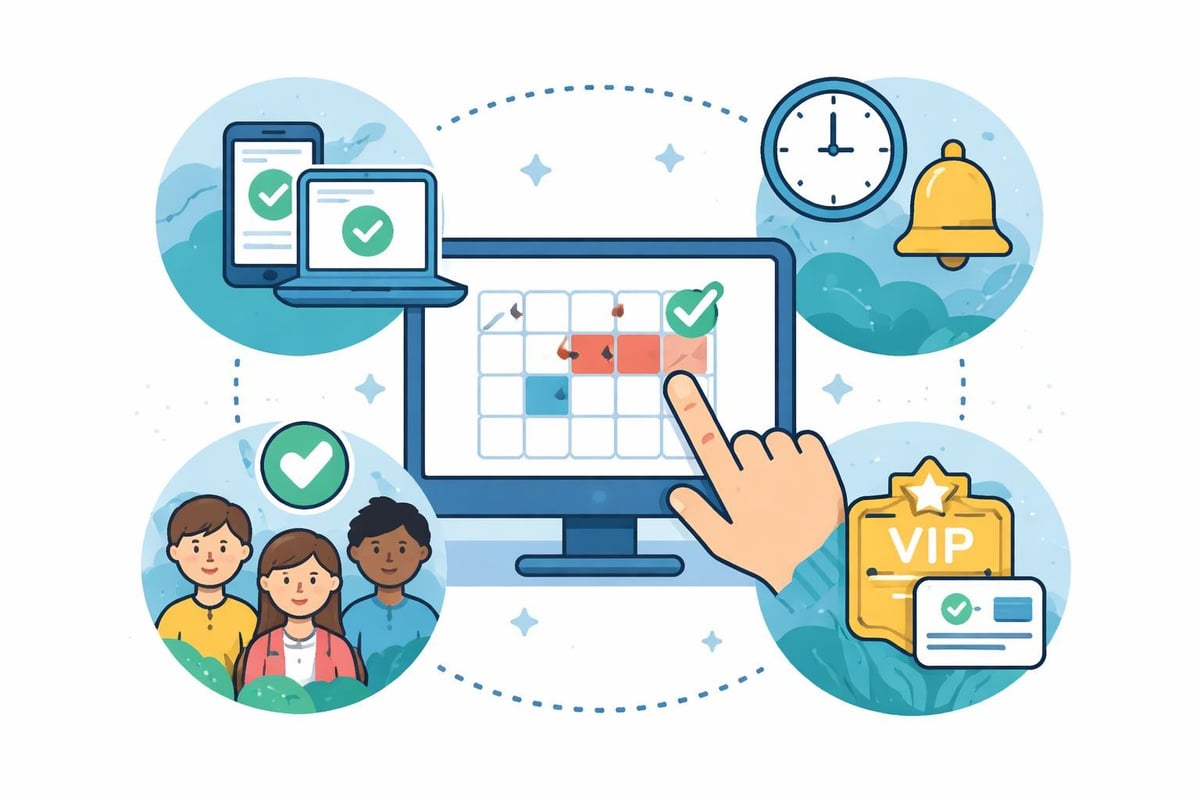
- Online scheduling platforms allowing parents to book, modify, and cancel through apps or websites
- Rolling reservation windows opening specific numbers of days in advance
- Priority booking for members or families who pre-purchase day packages
- Waitlist systems for popular time slots or high-demand days
Most quality programs require at least 24-48 hours advance notice for reservations, though some accommodate same-day requests when space permits. Clear communication about scheduling requirements prevents frustration and ensures families can access care when needed.
Capacity Management
Programs must balance flexible access with maintaining appropriate ratios and manageable group sizes. This means childcare by the day services may have limitations during peak periods or may guarantee spots to families who commit to regular schedules.
Ask potential providers about:
- Maximum daily capacity and how it's managed across age groups
- Guaranteed versus first-come availability for different membership levels
- Blackout dates or high-demand periods with restricted access
- Cancellation deadlines and whether late cancellations incur charges
- Weather-related policies for unexpected closures
Building Consistency Within Flexible Arrangements
While childcare by the day provides scheduling flexibility, children still benefit from routine and predictability. Parents can create consistency even within irregular attendance patterns.
Establishing Routines Across Care Settings
Children thrive when they experience similar structures across different environments. Families using childcare by the day can support their children by:
- Maintaining consistent morning routines on care days to ease transitions
- Communicating with providers about home routines, preferences, and special needs
- Using visual schedules helping children understand which days they attend care
- Creating goodbye rituals that provide comfort during drop-off regardless of frequency
- Reviewing daily activities together to reinforce learning and maintain connection
Programs like those offered at Step by Step Care locations understand the importance of consistency and work with families to create familiar, welcoming environments even for children with variable schedules.
Supporting Social Development
Parents sometimes worry that irregular attendance might hinder children's social development. Quality programs address this by:
- Facilitating introductions and helping occasional attendees connect with peers
- Creating inclusive activities where children can participate meaningfully regardless of attendance frequency
- Maintaining small group sizes that feel manageable for all children
- Training staff to support social integration for children with varying schedules
- Communicating with parents about social interactions and friendships developing at care
Transitioning to or From Daily Care
Many families use childcare by the day as a stepping stone rather than a permanent arrangement. Understanding how to navigate transitions helps children adjust smoothly.
Moving from Full-Time to Flexible Care
Families might transition to childcare by the day when circumstances change, such as a parent reducing work hours or children starting school programs. This shift requires:
- Gradual schedule reduction rather than abrupt changes when possible
- Clear communication with children about new routines and expectations
- Maintaining connections with favorite caregivers and friends
- Establishing new home routines for non-care days
- Monitoring adjustment and providing extra support during the transition
Increasing Attendance Over Time
Conversely, some families begin with occasional care and gradually increase attendance. Starting with childcare by the day allows families to:
- Test provider fit before committing to full-time enrollment
- Help children adjust gradually to group care environments
- Build trust with caregivers and understand program culture
- Assess whether the location and logistics work for family needs
- Maintain flexibility during trial periods
Quality providers accommodate these transitions and may offer pathways from daily arrangements to more traditional enrollment when families' needs change.
Combining Care Arrangements
Many modern families piece together childcare from multiple sources, using childcare by the day as one component within a broader care strategy.
Common Combination Approaches
Families successfully combine daily childcare with:
- Grandparent or relative care on certain days with professional care filling gaps
- Preschool or Pre-K programs that operate limited hours, using daily care for before/after coverage
- Parent schedules where each parent provides care on specific days
- Nanny shares supplemented with occasional center-based care for socialization
- Home-based care augmented with periodic group care experiences
This mixed approach provides children with varied experiences while giving families the specific support they need. The key is ensuring all care providers communicate about the child's needs, routines, and developmental progress.
Coordination and Communication
Successfully managing multiple care arrangements requires organizational systems:
| Organization Tool | Purpose | Best Practices |
|---|---|---|
| Shared Calendar | Track which care arrangement each day | Color-code providers, include pickup/dropoff times |
| Communication Log | Share information across caregivers | Note sleep patterns, meals, behaviors, milestones |
| Emergency Contacts | Ensure all providers have current information | Update quarterly or when changes occur |
| Medical Information | Provide allergies, medications, doctor info | Keep copies with each care provider |
Parents should inform all caregivers about the mixed arrangement so providers understand they're part of a broader care team rather than the sole childcare source.
Making the Decision
Choosing childcare by the day requires honest assessment of family needs, careful provider evaluation, and realistic expectations about both benefits and limitations.
Assessment Questions
Before committing to daily childcare arrangements, consider:
- How predictable are our childcare needs from week to week?
- Can we plan attendance far enough in advance to meet booking requirements?
- Does our budget accommodate per-day rates versus full-time discounted pricing?
- Will our child adapt well to potentially varying peer groups and caregivers?
- Do available providers meet our quality standards and licensing requirements?
Honest answers help families determine whether childcare by the day truly fits their situation or whether alternative arrangements might serve them better.
Provider Evaluation Checklist
When visiting potential childcare by the day programs, evaluate these essential elements:
- Current, valid licensing displayed and verifiable through state agencies
- Clean, safe, age-appropriate environment meeting licensing standards
- Qualified staff demonstrating warmth, competence, and professionalism
- Clear communication about policies, procedures, and expectations
- Organized scheduling system with transparent availability
- Reasonable ratios maintained even during variable attendance
- Educational programming appropriate for the ages served
- Positive interactions observed between staff and children
- Transparent pricing without hidden fees or surprise charges
- Responsive communication when parents have questions or concerns
Taking time to thoroughly evaluate options ensures families select childcare by the day arrangements that truly meet their needs while providing children with safe, nurturing, educational experiences.
Childcare by the day offers modern families the flexibility they need while ensuring children receive quality care and early learning experiences. By understanding licensing requirements, evaluating quality indicators, and selecting providers who accommodate variable schedules while maintaining high standards, parents can confidently create childcare solutions that work for their unique situations. Step by Step Care understands that every family's needs are different and provides flexible, high-quality childcare options designed to support children's development while respecting the realities of modern family life.


