

Best Daycares Near Me: Complete 2026 Guide
Finding the best daycares near me has become one of the most important decisions modern parents face. With more families needing dual incomes and quality early childhood education becoming increasingly essential, selecting the right childcare environment can shape your child's developmental foundation. Whether you're returning to work after parental leave or seeking enrichment opportunities for your little one, understanding how to evaluate local daycare options ensures you make an informed choice that benefits both your family and your child's future.
Understanding Different Types of Childcare Options
Before searching for the best daycares near me, parents should understand the distinct childcare models available in 2026. Each type offers unique benefits and considerations that align with different family needs.
Home-Based Childcare Programs
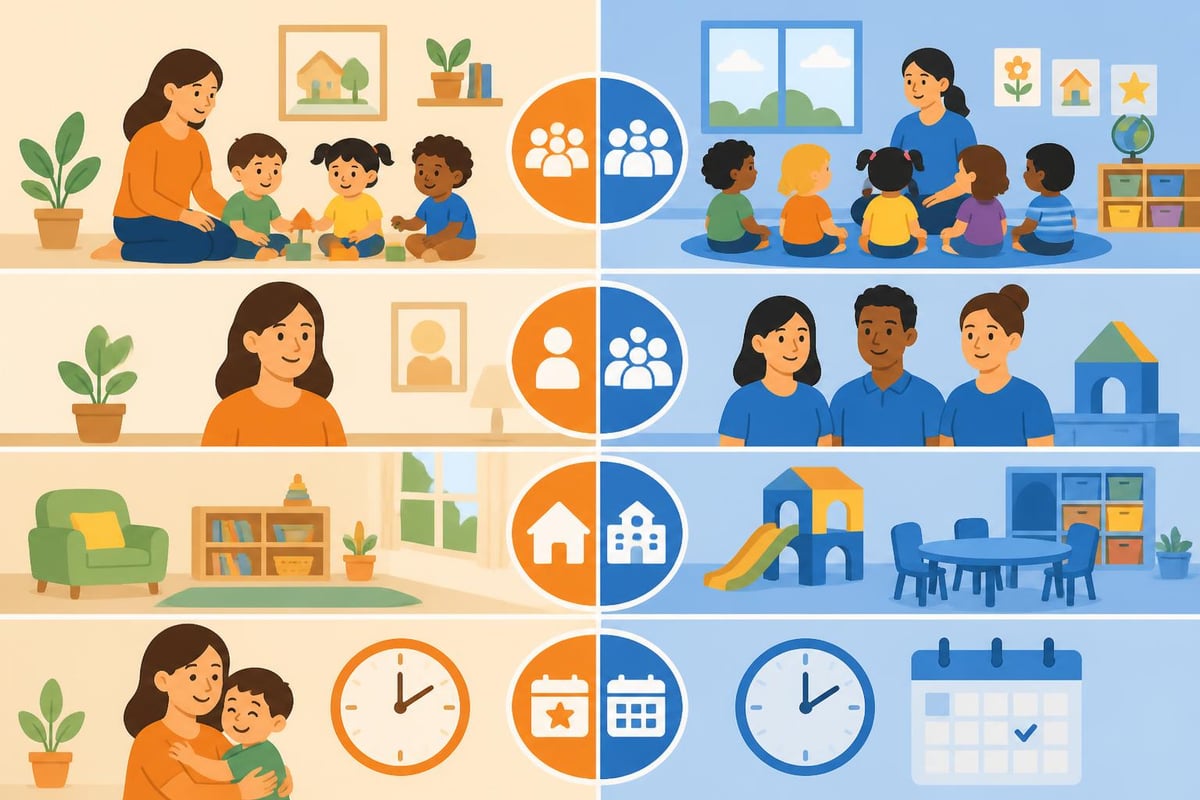
Home-based childcare, sometimes called family daycare, operates from a caregiver's residence rather than a commercial facility. These programs typically serve smaller groups of children, creating intimate learning environments with mixed-age groupings. The homelike setting often feels less institutional, which can ease transition anxiety for younger children.
Key characteristics of home childcare include:
- Smaller child-to-provider ratios (usually 3-6 children)
- Multi-age groupings that promote peer learning
- Flexible scheduling options
- Lower costs compared to center-based care
- Personalized attention and family-like atmosphere
Many parents appreciate the continuity home-based programs provide, as children often stay with the same caregiver for several years. This consistency builds strong attachment relationships that support emotional development.
Center-Based Daycare Facilities
Center-based facilities operate in commercial spaces specifically designed for childcare. These programs employ multiple staff members, maintain age-segregated classrooms, and typically follow structured curricula aligned with state early learning standards.
| Feature | Home-Based | Center-Based |
|---|---|---|
| Group Size | 3-8 children | 12-24+ children |
| Staff | 1-2 providers | Multiple teachers |
| Hours | Often flexible | Fixed schedules |
| Cost | Generally lower | Generally higher |
| Regulation | State licensing varies | Comprehensive licensing |
| Curriculum | Provider-directed | Standardized programs |
Centers offer advantages like backup staffing when teachers are absent, specialized facilities including age-appropriate playgrounds, and programs developed by early childhood education specialists. However, these benefits come at a premium price point.
Essential Factors When Evaluating the Best Daycares Near Me
Identifying quality childcare requires systematic evaluation across multiple dimensions. Parents should prioritize safety, educational programming, and caregiver qualifications when comparing local options.
Safety and Licensing Standards
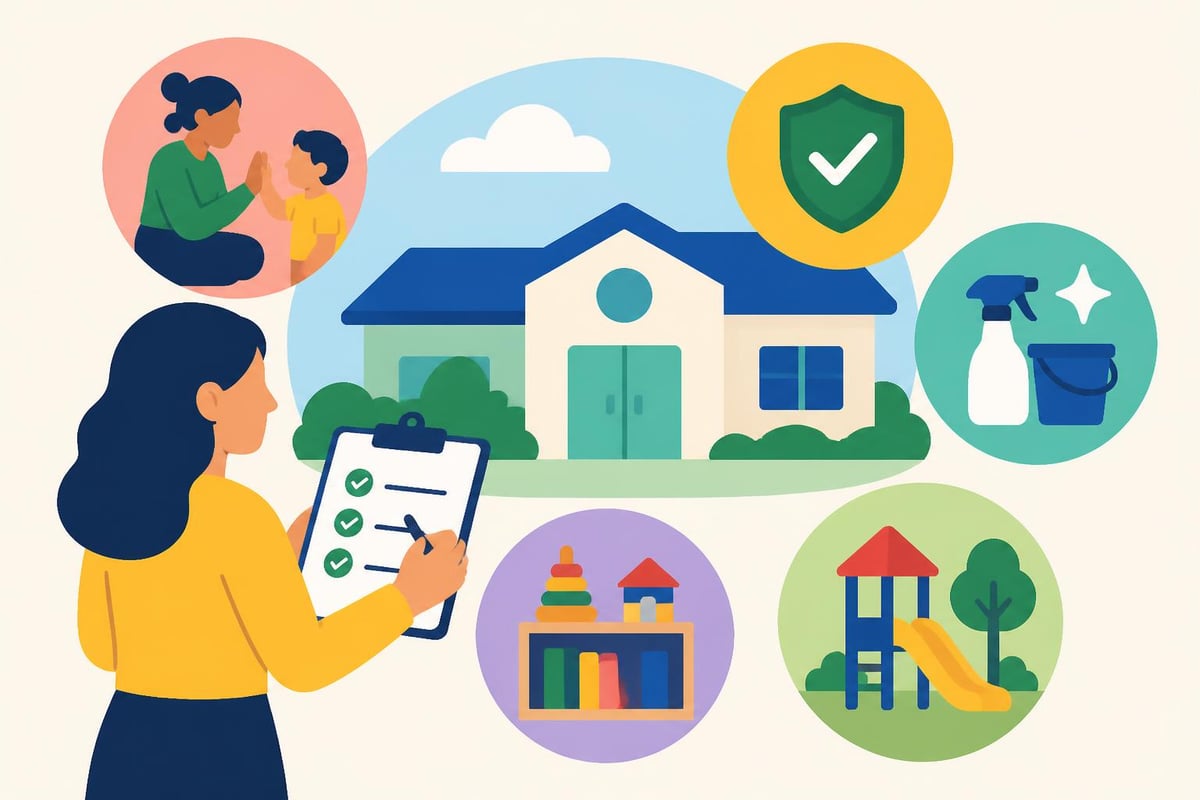
Safety serves as the non-negotiable foundation of quality childcare. Every facility you consider should maintain current state licensing and demonstrate compliance with health and safety regulations. Choosing quality childcare involves understanding local licensing requirements and verifying providers meet or exceed minimum standards.
Essential safety elements to verify:
- Current licensing and inspection reports
- Safe sleep practices for infants
- Secure entry systems and visitor policies
- Emergency preparedness plans
- Clean, hazard-free environments
- Proper adult-to-child ratios
Request to review recent inspection reports and ask about any violations or corrective actions. Quality providers welcome transparency about their compliance records.
Caregiver Qualifications and Experience
The people caring for your child matter more than facilities or curriculum. Research consistently shows that caregiver education, training, and stability directly impact child outcomes. When searching for the best daycares near me, investigate the background and credentials of everyone who will interact with your child.
Look for providers with formal education in early childhood development, current CPR and first aid certification, and ongoing professional development. Experienced caregivers understand developmental milestones and can adapt their approach to individual children's needs.
Staff turnover deserves attention too. High turnover disrupts relationships and indicates potential workplace issues. Ask about average staff tenure and what the program does to support employee satisfaction.
Critical Questions to Ask During Daycare Visits
Armed with basic knowledge about childcare types and quality indicators, parents need specific questions that reveal how programs actually operate day-to-day. KLA Schools identifies 28 essential questions covering crucial topics that help parents make informed decisions.
Daily Operations and Curriculum
Understanding how providers structure each day helps parents envision their child's experience. Ask about typical schedules, balancing structured activities with free play, outdoor time, meals, and rest periods.
Questions about daily programming:
- What does a typical day look like for my child's age group?
- How much time do children spend outdoors?
- What curriculum or educational approach do you follow?
- How do you handle different learning styles and abilities?
- What's your screen time policy?
- How do you incorporate physical activity and movement?
Quality programs balance child-directed play with teacher-guided activities, recognizing that young children learn through exploration and hands-on experiences. Be wary of programs emphasizing worksheets or extended screen time for young children.
Communication and Parent Involvement
Strong parent-provider partnerships support children's success across home and care settings. Evaluate how programs keep families informed and involved in their child's daily experiences and developmental progress.
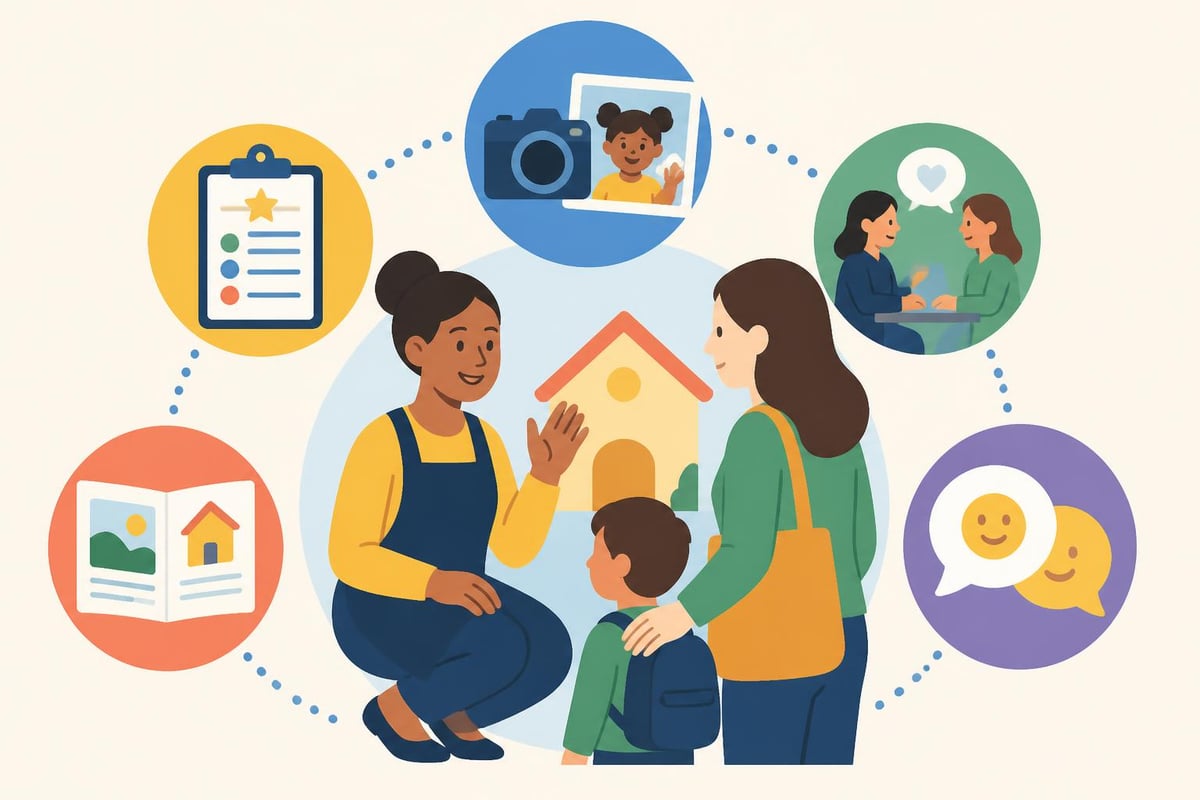
Programs should provide daily updates about your child's activities, meals, naps, and significant moments. Many providers now use apps that share photos and real-time updates throughout the day. Additionally, regular formal conferences allow deeper discussions about developmental progress and goals.
Ask about volunteer opportunities, family events, and policies regarding classroom visits. Programs confident in their quality welcome parent involvement rather than restricting access.
Exploring Home Daycare as a Best Daycares Near Me Option
Home-based childcare represents a significant portion of the childcare landscape, offering distinct advantages that appeal to many families. In-home daycare options provide alternatives to traditional center-based care that deserve serious consideration.
Benefits of Home-Based Childcare Settings
The intimate scale of home daycare creates opportunities unavailable in larger centers. Mixed-age groupings allow younger children to learn from older peers while older children develop nurturing skills by helping younger ones. This family-style grouping mirrors sibling relationships and builds social-emotional competencies.
Home providers often offer greater scheduling flexibility, accommodating non-traditional work hours or part-time arrangements that centers may not support. This flexibility proves invaluable for parents with irregular schedules or those needing occasional rather than full-time care.
The homelike environment itself benefits children transitioning from family care. Familiar household routines, smaller group sizes, and consistent caregiver relationships ease separation anxiety and help children feel secure. Many children thrive in these quieter, less stimulating environments compared to busy centers.
Evaluating Quality in Home Daycare Programs
While home childcare offers clear benefits, parents must carefully evaluate quality since these programs operate with less oversight than centers. Step by Step Care demonstrates how quality home childcare combines professional standards with a nurturing home environment.
Verify licensing status and understand what regulations apply in your state. Some states have minimal requirements for small home programs, while others mandate comprehensive standards regardless of setting.
| Quality Indicator | What to Look For |
|---|---|
| Environment | Clean, organized, child-proofed, adequate space |
| Materials | Age-appropriate toys, books, art supplies |
| Provider Training | ECE credentials, ongoing professional development |
| Curriculum | Planned activities, learning goals, developmental focus |
| Ratios | Compliance with state requirements, manageable group |
| References | Positive feedback from current and former families |
Request references from current and past families. Speaking with other parents provides invaluable insights about daily operations, communication style, and how the provider handles challenges.
Using Online Resources to Find the Best Daycares Near Me
Technology has transformed how parents search for childcare, with platforms offering searchable databases, reviews, and detailed provider information. Care.com’s daycare finder allows parents to compare local options, read reviews from other families, and contact providers directly.
Maximizing Online Search Tools
Start your search by identifying all licensed providers within your desired radius. Most states maintain searchable databases of licensed childcare programs, including inspection reports and violation histories. Cross-reference this official information with parent review platforms for a complete picture.
When reading online reviews, look for patterns rather than isolated incidents. Consistent feedback about communication, cleanliness, or educational quality carries more weight than one-time complaints. Pay attention to how providers respond to negative reviews, as their responses reveal professionalism and problem-solving approaches.
Effective online search strategies:
- Use state licensing databases for official records
- Read multiple review platforms for balanced perspectives
- Check facility websites and social media for current information
- Join local parent Facebook groups for recommendations
- Schedule virtual tours when available
Many programs now offer virtual tours, allowing preliminary screening before investing time in on-site visits. While virtual tours cannot replace in-person evaluation, they efficiently narrow your options.
Scheduling and Conducting In-Person Visits
Once you've identified promising candidates through online research, schedule in-person visits to experience each program firsthand. Visit during operational hours when you can observe normal activities and interactions rather than special events or quiet times.
What to Observe During Your Visit
Your senses provide valuable information during site visits. Notice how the space smells (should be clean, not overwhelmingly chemical or unpleasant), sounds (children should sound engaged and happy, not chaotic or eerily quiet), and looks (organized clutter versus dangerous disorder).
Watch how caregivers interact with children. Quality providers get down at children's eye level, speak respectfully, and demonstrate warmth while maintaining appropriate boundaries. Caregivers should actively engage with children rather than supervising passively from a distance.
Observe children's behavior and engagement. Happy, engaged children moving purposefully between activities suggest quality programming. Conversely, bored children wandering aimlessly or excessive screen time raises concerns about educational quality.
Pay attention to how caregivers handle discipline or challenging behaviors. Appropriate approaches teach children rather than simply punishing them, using redirection, natural consequences, and problem-solving discussions rather than shaming or time-outs.
Understanding Costs and Financial Assistance
Childcare represents one of the largest expenses for families with young children, often exceeding housing costs in some regions. Understanding the full cost picture and available assistance programs helps families make sustainable choices when selecting the best daycares near me.
Typical Pricing Structures in 2026
Childcare costs vary dramatically based on location, program type, and child age. Urban centers typically charge more than suburban or rural programs, and infant care costs more than preschool care due to lower ratio requirements.
Home-based programs generally cost 20-40% less than center-based care, making them attractive options for budget-conscious families. However, lower cost shouldn't be the only consideration, as quality matters more than price in supporting child development.
Common fee structures include:
- Full-time monthly rates (most common)
- Part-time or hourly rates
- Registration or enrollment fees
- Supply fees for diapers, wipes, or materials
- Late pickup fees
- Activity or field trip charges
Request a complete fee schedule in writing, including all potential charges beyond base tuition. Understanding the total cost prevents surprises and allows accurate budget planning.
Financial Assistance Options
Many families qualify for childcare subsidies or tax benefits that reduce out-of-pocket expenses. Research state childcare assistance programs, which provide subsidies to eligible working families. Income requirements vary by state, and some programs maintain waiting lists during high-demand periods.
The federal Child and Dependent Care Tax Credit allows families to claim qualifying childcare expenses on tax returns. While not direct assistance, this credit reduces tax liability, providing meaningful savings for working families.
Some employers offer Dependent Care Flexible Spending Accounts (FSAs), allowing pre-tax dollars to pay childcare expenses. Contributing the maximum annual amount can generate significant tax savings while reducing payroll deductions throughout the year.
Making Your Final Decision
After researching options, conducting visits, and gathering information, parents face the challenging task of making a final selection. Trust your instincts while also weighing objective quality indicators.
Trusting Your Parental Instincts
Parents often know intuitively whether a program feels right for their child and family. If something feels off during visits or conversations, even if you can't identify specific concerns, honor that hesitation. Your comfort level matters because you need confidence that your child is safe and thriving while you're at work.
Consider how providers respond to your questions and concerns. Quality programs welcome questions and provide thoughtful, detailed responses. Defensiveness or vague answers suggest potential issues worth investigating further.
Think about alignment between your parenting values and the program's philosophy. If you prioritize outdoor play and nature exploration, a program emphasizing academic worksheets might not suit your family despite high quality in other areas.
Creating a Transition Plan
Once you've selected a provider, work together to create a gradual transition plan that helps your child adjust to the new environment. Most programs offer shortened first days or a phase-in schedule where parents stay initially then gradually increase separation time.
Learning more about Step by Step Care’s approach shows how quality home childcare providers support smooth transitions through individualized adjustment plans that honor each child's unique needs and timeline.
Maintain open communication during the initial weeks, asking about your child's adjustment and sharing observations from home. Some regression in behavior at home is normal as children process new experiences and routines.
Beyond the Initial Search
Finding the best daycares near me doesn't end once enrollment begins. Ongoing evaluation ensures the program continues meeting your child's evolving needs and maintains quality standards over time.
Staying Engaged and Informed
Maintain regular communication with your child's caregivers, asking specific questions about daily activities and developmental progress. Beyond pickup conversations, attend parent conferences and program events that provide insights into classroom dynamics and educational approaches.
Monitor your child's response to care through their behavior, enthusiasm about attending, and developmental progress. Happy children typically transition smoothly between home and care, share stories about friends and activities, and demonstrate age-appropriate skill development.
Stay informed about licensing status by periodically checking state databases for inspection reports. While one minor violation doesn't necessarily indicate problems, patterns of serious violations warrant discussion with providers or consideration of alternative arrangements.
Signs of quality childcare over time:
- Strong relationships between your child and caregivers
- Consistent communication about daily activities and progress
- Clean, well-maintained environments
- Low staff turnover
- Age-appropriate developmental progress
- Positive parent community
Don't hesitate to raise concerns or ask questions when situations arise that trouble you. Quality providers view parent feedback as valuable information that helps them improve services and address issues before they escalate.
Regional Considerations for Finding Quality Care
Geographic location significantly impacts childcare availability, quality, and cost. Urban areas typically offer more options but at premium prices, while rural communities may have limited choices requiring longer commutes or waiting lists.
Research your specific area's childcare landscape using local resources. Some regions maintain Quality Rating and Improvement Systems (QRIS) that evaluate and rate programs using standardized criteria. These ratings help parents compare quality across different providers.
Licensing requirements and enforcement vary by state, affecting minimum quality standards. Familiarize yourself with your state's requirements to understand baseline expectations and identify programs exceeding minimum standards.
Consider commute logistics when selecting providers. Convenient location relative to your home and workplace reduces stress and allows quick response if your child becomes ill or emergencies arise. However, don't sacrifice quality for convenience alone.
Viewing galleries of quality childcare environments helps parents visualize what age-appropriate, well-organized spaces look like, setting realistic expectations for their own search.
Selecting quality childcare requires research, careful evaluation, and trust in your parental instincts to identify environments where your child will thrive. By understanding different program types, asking critical questions, and observing interactions during visits, parents can confidently choose care that supports their child's development while meeting family needs. Step by Step Care provides the nurturing home-based environment and professional expertise that families seek when searching for the best daycares near me, offering personalized attention in a safe, enriching setting. Contact us today to schedule a visit and discover how our approach to early childhood education can benefit your family.


