

Best Daycare for Infants Near Me: Your 2026 Guide
Finding the best daycare for infants near me requires careful research, planning, and a deep understanding of what quality infant care truly means. As more families navigate the challenge of balancing work and childcare in 2026, choosing the right environment for your baby becomes one of the most important decisions you'll make. The infant stage is critical for development, attachment, and learning, making it essential to find a nurturing, safe, and stimulating environment where your little one can thrive.
Understanding Infant Daycare Options in Your Area
When searching for the best daycare for infants near me, parents quickly discover that not all childcare facilities are created equal. The landscape includes several distinct types of care settings, each with unique characteristics and benefits.
Types of Infant Care Facilities
Center-Based Daycare facilities offer structured environments with multiple caregivers, age-appropriate classrooms, and established curricula. These centers typically serve larger numbers of children and maintain consistent hours throughout the year.
Home-Based Childcare provides a more intimate setting where caregivers operate licensed programs from their homes. These environments often feel more family-like and offer flexible arrangements with lower child-to-caregiver ratios.
Family Daycare Networks connect parents with vetted home providers who meet specific quality standards while offering the warmth of a home environment.
The choice between these options depends on your family's specific needs, your infant's temperament, and your priorities regarding structure, flexibility, and environment.

Essential Safety Standards and Licensing Requirements
Safety should be your top priority when evaluating the best daycare for infants near me. Every state maintains specific licensing requirements that facilities must meet to operate legally.
Critical Safety Checkpoints
- Current Licensing and Accreditation: Verify that any facility holds proper state licensing and consider those with additional accreditation from organizations like NAEYC
- Background Checks: All staff members should undergo comprehensive background checks and fingerprinting
- CPR and First Aid Certification: Caregivers must maintain current certifications in infant CPR and first aid
- Safe Sleep Practices: Facilities should follow AAP guidelines for infant sleep safety, including back-sleeping positions and clear cribs
- Cleanliness Protocols: Look for rigorous cleaning schedules and sanitization procedures, especially for toys and feeding areas
Choosing quality childcare involves understanding these baseline requirements and ensuring facilities exceed minimum standards. Don't hesitate to ask for documentation of licenses, inspection reports, and staff certifications during your visits.
Health and Wellness Policies
| Policy Area | What to Verify | Why It Matters |
|---|---|---|
| Illness Guidelines | Clear sick child policies with fever thresholds | Protects all children from contagious illnesses |
| Immunization Records | Required and up-to-date vaccinations | Creates healthy community environment |
| Medication Administration | Trained staff and documentation protocols | Ensures proper care for children with special needs |
| Emergency Procedures | Written plans for medical emergencies | Provides rapid response when needed |
Evaluating Caregiver Qualifications and Ratios
The quality of caregivers directly impacts your infant's experience and development. When searching for the best daycare for infants near me, pay close attention to staff credentials and the caregiver-to-infant ratio.
Staff Experience and Training
Quality infant care requires specialized knowledge. Look for caregivers with:
- Early Childhood Education Credentials: Degrees or certificates in early childhood development or related fields
- Infant-Specific Training: Specialized coursework in infant development, feeding, and care
- Ongoing Professional Development: Regular participation in workshops and continuing education
- Longevity at the Facility: Low staff turnover indicates satisfied employees and consistency for children
Home-based providers often bring unique advantages, including more individualized attention and consistent primary caregivers who build deep bonds with infants over time.
Optimal Ratio Standards
The caregiver-to-infant ratio dramatically affects the quality of care your baby receives. Most states require one caregiver for every four infants, but the best programs often exceed this standard. Smaller ratios mean more holding time, responsive feeding, and individualized attention to your baby's unique needs and rhythms.
Expert advice on daycare for infants emphasizes that these ratios become especially important during feeding times, diaper changes, and when infants need comfort or sleep assistance.
Assessing the Physical Environment and Curriculum
The space where your infant spends their day matters tremendously for their safety, comfort, and development. When touring facilities in your search for the best daycare for infants near me, carefully observe the physical setup and daily programming.
Physical Space Considerations
An ideal infant care environment features:
- Safe, Baby-Proofed Areas: Covered outlets, secured furniture, gated stairs, and no small choking hazards
- Clean, Comfortable Spaces: Separate areas for sleeping, playing, and diapering with proper ventilation
- Age-Appropriate Toys and Materials: Developmentally suitable items that encourage exploration and learning
- Natural Light and Fresh Air: Windows, outdoor access, and well-lit rooms
- Temperature Control: Properly heated and cooled spaces appropriate for infants
The gallery of quality childcare environments can provide inspiration for what to look for during your facility tours.

Developmentally Appropriate Programming
Even infants benefit from thoughtful daily routines and activities. Quality programs incorporate:
Tummy Time Sessions to build core strength and motor skills
Sensory Exploration through textures, sounds, and safe objects to mouth
Language Development via songs, stories, and constant verbal interaction
Responsive Feeding that respects individual schedules and preferences
Outdoor Experiences when weather permits, exposing babies to nature
The curriculum should be flexible enough to honor each infant's unique schedule while providing structure and enrichment throughout the day.
Communication Systems and Parent Partnership
Strong communication between caregivers and parents creates essential continuity of care for infants. The best daycare for infants near me will prioritize transparent, regular communication.
Daily Communication Methods
| Method | Frequency | Information Shared |
|---|---|---|
| Daily Reports | End of each day | Feeding times, diaper changes, sleep duration, activities, mood |
| Photo Updates | Throughout the day | Visual documentation of baby's experiences |
| Face-to-Face Check-ins | Drop-off and pick-up | Immediate concerns, special needs, developmental milestones |
| Parent-Teacher Conferences | Quarterly | Comprehensive development reviews and goal-setting |
Modern facilities often use apps that provide real-time updates, allowing you to stay connected with your baby throughout the workday. This transparency builds trust and helps parents feel confident in their childcare choice.
Partnership Approach
Quality providers view parents as partners in their child's care. They should:
- Welcome questions and concerns without defensiveness
- Respect your parenting choices regarding feeding, sleep training, and routines
- Share observations about your baby's development and behavior
- Collaborate on transitions and challenges
- Celebrate milestones together
Important signs of a great daycare include this collaborative spirit that honors parents as the primary experts on their own children.
Nutrition and Feeding Practices
Feeding represents one of the most intimate and important aspects of infant care. When evaluating the best daycare for infants near me, examine how facilities handle nutrition.
Feeding Policies and Flexibility
Breast Milk Handling: Quality programs accommodate breastfeeding mothers by properly storing and warming breast milk, maintaining chain of custody, and supporting pumping mothers who wish to nurse on-site.
Formula Preparation: Staff should follow precise measurements and sterilization procedures, using the specific formula brands parents provide.
Feeding Schedules: The best programs feed infants on demand or according to individual schedules rather than forcing all babies into the same routine.
Introduction of Solids: Providers should only introduce new foods with explicit parent permission and carefully track any reactions.
Special Dietary Needs
Quality facilities accommodate:
- Allergies and sensitivities with clear labeling systems
- Cultural or religious dietary requirements
- Medical feeding needs including special formulas or feeding schedules
- Documentation of all foods consumed for tracking and allergy monitoring
Location, Hours, and Practical Considerations
While quality matters most, practical factors significantly impact your daily life and stress levels. Finding the best daycare for infants near me involves balancing excellence with logistics.
Geographic Convenience
Consider facilities that are:
- Close to your home for easier sick-day pickups and emergencies
- Near your workplace for nursing visits or quick check-ins
- On your regular commute route to minimize additional travel time
- In safe neighborhoods with adequate parking
Top-rated daycares near me can help narrow your search to quality options in convenient locations.
Operating Hours and Flexibility
Working parents need childcare that aligns with their schedules. Evaluate:
- Opening and closing times that accommodate your work hours with buffer time
- Holiday and closure policies including professional development days
- Sick child policies and backup care options
- Late pickup policies and associated fees
- Part-time options if you only need care certain days
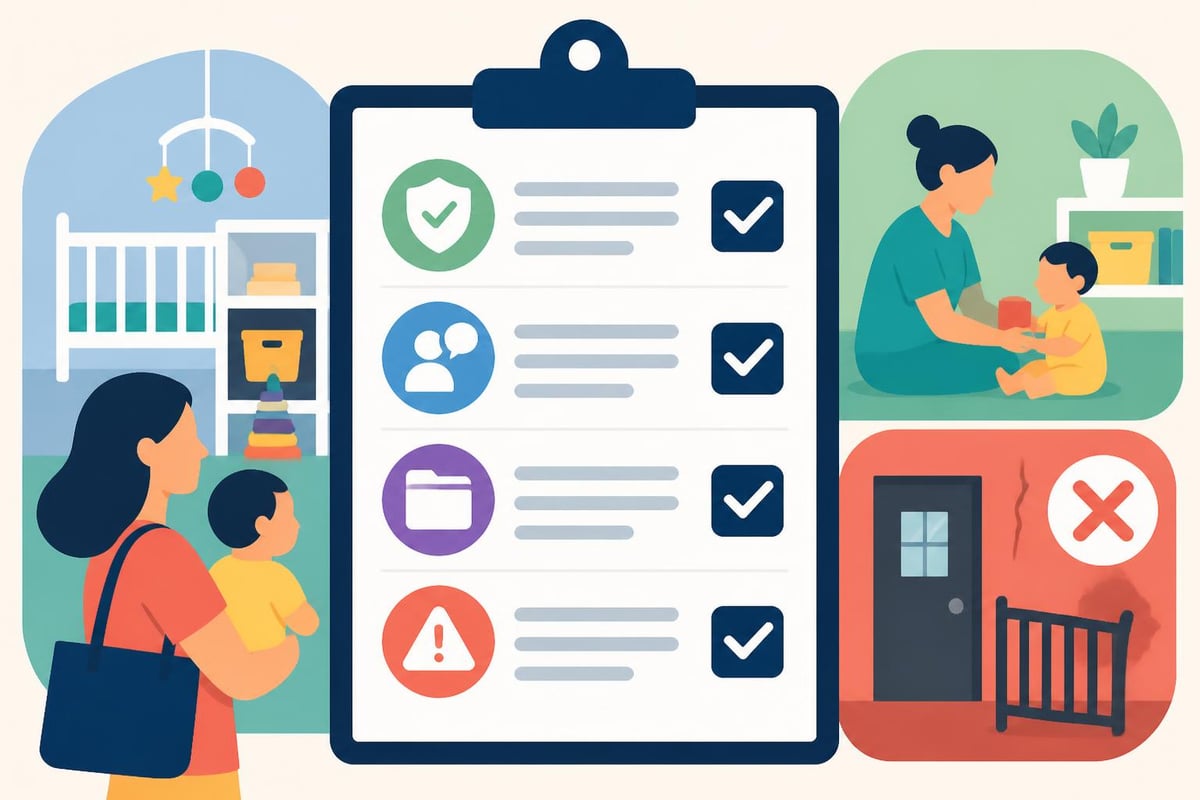
Cost Analysis and Value Assessment
Infant care represents a significant financial investment for families. Understanding pricing structures helps you find the best daycare for infants near me within your budget while maintaining quality standards.
Typical Cost Components
Base Tuition: Monthly or weekly fees for full-time or part-time care
Registration Fees: One-time enrollment charges, often non-refundable
Supply Fees: Costs for diapers, wipes, food, or other consumables
Activity Fees: Charges for special programs or materials
Late Pickup Penalties: Per-minute fees for tardy parents
Comparing Value vs. Price
The cheapest option isn't always the best value. Consider the total picture:
| Factor | Lower-Cost Facilities | Higher-Cost Facilities |
|---|---|---|
| Caregiver Ratios | Often meet minimums | Frequently exceed standards |
| Staff Qualifications | Basic requirements | Advanced degrees, certifications |
| Curriculum Depth | Limited structured activities | Comprehensive developmental programs |
| Communication Tools | Basic daily reports | Digital apps, photos, video |
| Facility Quality | Adequate, functional | Enhanced amenities, outdoor spaces |
How to find the best daycare for your child includes financial planning tips that help families afford quality care through employer benefits, tax credits, and flexible spending accounts.
Red Flags and Warning Signs
Knowing what to avoid is as important as knowing what to seek when searching for the best daycare for infants near me. Certain warning signs should immediately raise concerns.
Immediate Disqualifiers
- Unlicensed or expired licensing status
- Unwillingness to allow unannounced visits after enrollment
- Dirty facilities with strong odors or visible neglect
- Stressed, unhappy, or inattentive caregivers
- Babies left crying for extended periods without attention
- Resistance to answering questions or providing references
- Lack of written policies and procedures
- No emergency preparedness plans
Subtle Concerns
High Staff Turnover: Frequent caregiver changes disrupt infant attachment and indicate workplace problems.
Vague Answers: Providers who can't clearly explain their philosophy, daily routines, or emergency procedures may lack proper training.
Rigid Policies: Inflexibility regarding feeding schedules, comfort items, or parent communication suggests a center-focused rather than child-focused approach.
Poor Communication: Difficulty reaching directors, unreturned calls, or minimal daily reports indicate potential ongoing frustration.
Trust your instincts. Finding childcare for your baby should feel right emotionally as well as logically.
Making the Final Decision
After researching and touring multiple facilities in your quest for the best daycare for infants near me, you'll need to synthesize all the information and make your choice.
The Visit and Interview Process
Schedule visits to your top three to five options. During each tour:
- Observe caregiver-infant interactions closely
- Watch how staff handle transitions, crying, and feeding
- Note cleanliness, organization, and safety measures
- Ask about staff qualifications and turnover rates
- Request references from current parents of infants
- Review all written policies carefully
- Discuss your specific needs and concerns
Trial Periods and Transitions
Many quality programs offer:
- Trial days where you can observe your baby's adjustment
- Gradual transition schedules starting with short visits before full days
- Parent orientation sessions explaining policies and expectations
- Adjustment period check-ins to address concerns as they arise
The about us page of quality providers often explains their philosophy on transitions and parent partnerships, giving insight into their values.
Questions Every Parent Should Ask
Come prepared with specific questions that reveal how facilities truly operate. Essential inquiries include:
About Daily Care:
- What does a typical day look like for infants?
- How do you handle naptime and ensure safe sleep?
- What's your diapering schedule and procedure?
- How do you support different feeding methods and schedules?
About Staff:
- What are the qualifications of infant caregivers?
- What's your staff retention rate?
- How do you assign primary caregivers to babies?
- What ongoing training does staff receive?
About Communication:
- How will you update me about my baby's day?
- What's the protocol for emergencies or illness?
- When can I call to check on my baby?
- How do you handle parental concerns?
About Development:
- What developmental activities do you provide for infants?
- How do you track and share milestones?
- Do you have experience with special needs or developmental delays?
Choosing a daycare center involves asking these difficult questions and carefully evaluating the answers for completeness and confidence.
The Role of Home-Based Care in Infant Development
While center-based facilities receive much attention, home-based childcare offers distinct advantages for infants that deserve consideration when searching for the best daycare for infants near me.
Benefits of Home Childcare Settings
Smaller Group Sizes: Fewer children mean more individualized attention, less exposure to illness, and quieter environments conducive to infant sleep and comfort.
Consistent Primary Caregiver: Unlike centers where staff rotate, home providers often care for the same children daily, building deep attachment relationships.
Flexible, Family-Like Atmosphere: Home settings can more easily accommodate individual schedules, preferences, and family routines.
Mixed-Age Interactions: Older children in home settings often help care for babies, providing social interaction and modeling behaviors.
Homelike Environment: Familiar household settings with kitchens, living rooms, and bedrooms can feel more comfortable for infants than institutional spaces.
The daycare services in Springfield VA exemplify how home-based programs combine professional standards with the warmth of a home environment.
Quality Standards in Home Settings
Licensed home childcare providers must meet the same safety, health, and educational standards as larger centers. The best programs offer:
- Dedicated childcare spaces separate from family living areas
- Professional liability insurance and business licenses
- Regular inspections and compliance with state regulations
- Structured curricula appropriate for mixed-age groups
- Professional development and continuing education
Finding the best daycare for infants near me requires thorough research, multiple visits, and careful consideration of safety, quality, and fit with your family's values. The right environment will provide nurturing care, developmental support, and strong communication that gives you peace of mind while you're apart from your baby. If you're searching for a home-based childcare option that combines professional standards with the warmth of a family setting, Step by Step Care offers individualized attention in a safe, loving environment where your infant can thrive. Contact us today to schedule a visit and see how we can support your family's childcare needs.


