

Best Rated Daycares Near Me: Complete Parent’s Guide 2026
Finding quality childcare is one of the most important decisions parents make. When you search for the "best rated daycares near me," you're looking for more than just convenient location. You need a safe, nurturing environment where your child will thrive developmentally, socially, and emotionally. This comprehensive guide walks you through everything you need to know about identifying, evaluating, and selecting top-rated daycare options in your area, whether you're considering traditional centers or home-based care programs.
Understanding Daycare Rating Systems
Before diving into your search for the best rated daycares near me, it's essential to understand how facilities earn their ratings and what these evaluations actually measure.
State Licensing and Quality Rating Systems
Every state maintains licensing standards for childcare facilities, but these requirements vary significantly across the country. Many states have implemented Quality Rating and Improvement Systems (QRIS) that go beyond basic licensing to assess educational programming, staff qualifications, and learning environments.
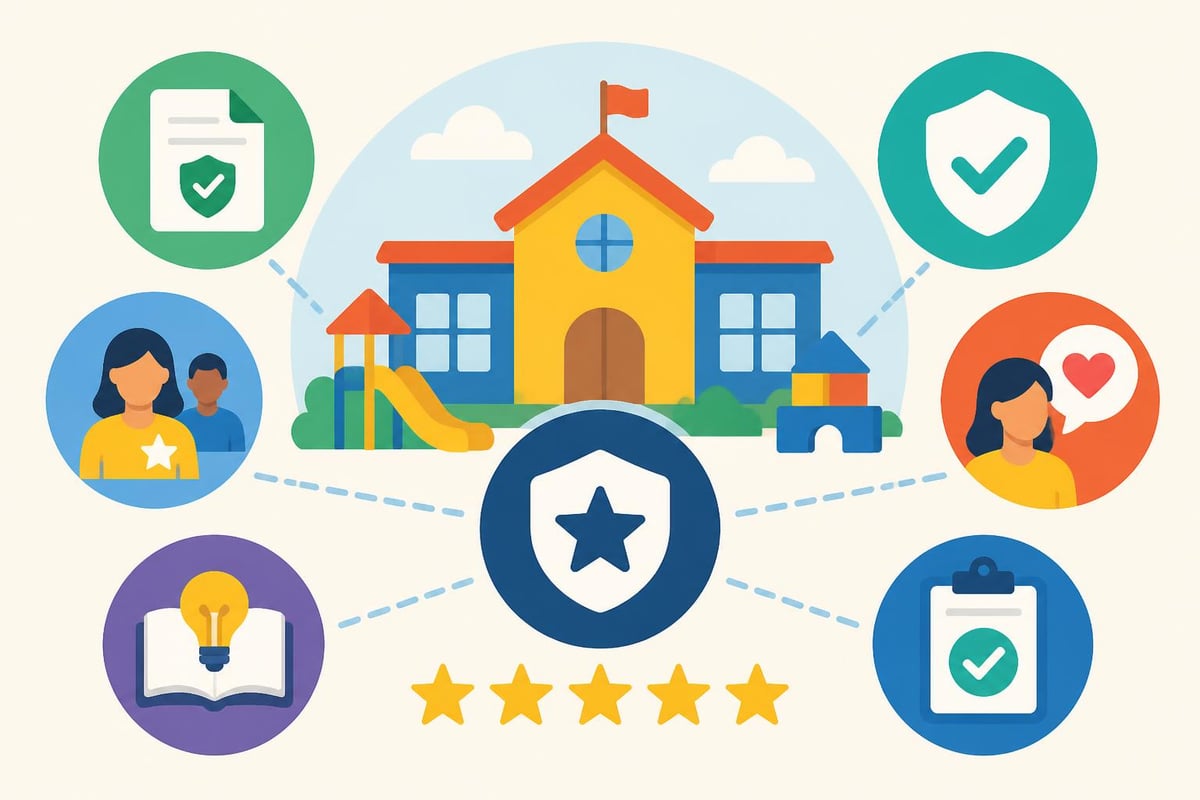
Key rating factors typically include:
- Staff-to-child ratios and group sizes
- Provider education and ongoing training
- Health and safety compliance
- Curriculum and learning activities
- Parent engagement practices
- Physical environment quality
Some rating systems use star levels (1-5 stars), while others employ letter grades or numerical scores. Understanding your state's specific system helps you interpret what ratings truly mean. Resources like ChildCare.gov’s quality child care guidance provide comprehensive information about what constitutes quality care.
Third-Party Review Platforms
Beyond official state ratings, several independent platforms collect parent reviews and inspection data. These resources aggregate information from multiple sources, giving you a more complete picture of facility performance.
| Platform Type | Information Provided | Best Used For |
|---|---|---|
| State databases | Official licensing status, violations, inspection reports | Verifying compliance and safety records |
| Review sites | Parent testimonials, ratings, experiences | Understanding day-to-day operations |
| Inspection aggregators | Compiled government data, safety grades | Quick comparison of multiple facilities |
| Social media groups | Local recommendations, recent experiences | Finding newly opened or lesser-known options |
How to Search for the Best Rated Daycares Near Me
Your search strategy significantly impacts the quality of options you discover. A systematic approach ensures you don't miss excellent programs that might not appear in the first few search results.
Starting Your Research
Begin with multiple search methods to cast a wide net. While online searches provide convenience, some outstanding home-based programs may have limited digital presence.
Effective search channels include:
- State childcare referral agencies (free service in most states)
- Online directories with inspection records
- Local parenting groups and community forums
- Workplace childcare resources or employee benefits programs
- Recommendations from pediatricians, neighbors, and colleagues
When you're specifically looking for daycare options in Springfield VA or your local area, combining online research with personal referrals yields the best results. Many exceptional providers rely primarily on word-of-mouth rather than paid advertising.
Filtering Your Options
Once you've compiled an initial list of 8-12 facilities, begin narrowing based on your non-negotiable requirements.
Essential filtering criteria:
- Location and commute: Maximum distance from home or work
- Hours of operation: Compatibility with your work schedule
- Age requirements: Infant care, toddler programs, or preschool
- Cost and payment options: Alignment with your budget
- Philosophy and approach: Montessori, play-based, academic readiness
- Special needs accommodation: If applicable to your child
This filtering process typically reduces your list to 4-6 serious contenders worth investigating further. At this stage, you're ready to dig deeper into specific quality indicators.
Essential Quality Indicators to Evaluate
Not all highly-rated daycares excel in the same areas. Understanding which quality markers matter most for your family helps you prioritize during facility comparisons.
Staff Qualifications and Stability
The people caring for your child matter more than any facility amenity. Exceptional staff members create exceptional programs.
Look for providers where caregivers have formal education in early childhood development, not just basic certifications. High staff turnover disrupts children's routines and attachment formation, so ask about average tenure and retention rates. Programs like Step by Step Care often emphasize their team's qualifications and stability as core strengths.
Critical staff-related questions:
- What percentage of staff have degrees in early childhood education?
- What is your average staff retention period?
- How frequently do you conduct background checks?
- What ongoing training do teachers receive annually?
- How do you handle substitute coverage for absent staff?
Safety Protocols and Health Practices
When searching for the best rated daycares near me, safety should be your first priority. Excellent facilities maintain rigorous protocols that go beyond minimum licensing requirements.
Tour the space looking for visible safety measures: outlet covers, secured cabinets, age-appropriate toys, gated stairs, and proper storage of cleaning supplies. Check that outdoor play areas have adequate fencing, impact-absorbing surfaces under climbing equipment, and shade coverage.
Health practices matter year-round but especially during cold and flu season. Quality programs maintain detailed illness policies, conduct regular sanitization, and require up-to-date immunizations. Daycare safety grades and inspection reports provide objective data about compliance with health regulations.

Comparing Daycare Centers vs. Home-Based Care
The best rated daycares near me might include both traditional centers and home childcare programs. Each model offers distinct advantages depending on your priorities.
Traditional Daycare Centers
Centers typically provide structured environments with separate classrooms for different age groups, specialized teachers, and extensive facilities.
Advantages of daycare centers:
- Consistent backup staffing if teachers are sick
- More structured curriculum and age-specific activities
- Larger peer groups for socialization
- Often more regulated with frequent inspections
- Separate spaces for different activities (art room, gym, outdoor area)
Potential drawbacks:
- Higher costs due to facility overhead
- Larger group sizes may mean less individual attention
- Greater exposure to common illnesses
- Less flexibility with pickup/drop-off times
Home-Based Daycare Programs
Home childcare offers intimate settings where providers care for smaller groups in residential environments. According to Babylist’s guide to in-home daycare, these programs can provide exceptional care with the right provider.
Benefits of home daycare:
- Smaller group sizes allow more individualized attention
- Mixed-age groupings mirror family structures
- Often more affordable than centers
- Greater schedule flexibility
- Consistent caregiver builds strong attachment
- Home-like environment feels comfortable for young children
Considerations:
- No backup if provider is sick or on vacation
- Limited peer interaction with same-age children
- May have less structured curriculum
- Varies more widely in quality and professionalism
| Feature | Daycare Centers | Home-Based Care |
|---|---|---|
| Group size | 8-20+ children per room | 4-8 children total |
| Cost | $800-$2,000/month | $600-$1,400/month |
| Backup coverage | Built-in substitutes | Often none |
| Flexibility | Strict schedules | Often negotiable |
| Socialization | Many same-age peers | Mixed-age groups |
Conducting Effective Facility Visits
Online research only takes you so far. Visiting your top candidates in person reveals details that ratings and reviews cannot capture.
Scheduling Strategic Tours
Request visits during active program hours, not naptime or after pickup. You want to observe normal operations, staff interactions, and children's engagement levels. Morning visits (9-11 AM) typically showcase curriculum activities and circle time.
Bring a prepared list of questions but stay observant. Sometimes what you notice matters more than scripted answers. Watch how teachers redirect challenging behaviors, whether they get down to children's eye level, and if they seem genuinely engaged or merely supervising.
What to Observe During Your Visit
Positive indicators include:
- Children appear happy and engaged: They're actively playing, not wandering aimlessly or upset
- Clean, organized spaces: Age-appropriate toys are accessible and well-maintained
- Warm teacher-child interactions: Staff speak respectfully, listen attentively, and respond to needs
- Balanced schedule: Mix of active play, quiet time, outdoor activities, and structured learning
- Transparent communication: Director answers questions directly and provides documentation readily
Red flags to watch for:
- Children left in cribs or playpens for extended periods
- Teachers spending excessive time on phones or talking among themselves
- Harsh discipline or raised voices
- Inadequate supervision during transitions
- Defensive responses to reasonable questions
- Facility feels chaotic or disorganized
Many parents find it helpful to visit facilities multiple times before deciding. Care.com’s expert advice on finding the best daycare emphasizes the importance of trusting your instincts during tours.

Understanding Reviews and Reputation
When researching the best rated daycares near me, parent reviews provide valuable insights but require careful interpretation.
Reading Between the Lines
Not all five-star reviews indicate excellence, and not all critical reviews signal problems. Look for patterns across multiple reviews rather than focusing on individual experiences.
What patterns reveal quality:
- Consistent mentions of specific staff members by name (indicates stability)
- Detailed descriptions of communication practices
- Examples of how facility handled challenges or problems
- Comments about children's developmental progress
- References to specific curriculum elements or activities
Treat with skepticism:
- Extremely brief reviews with no specific details
- Reviews that only mention price or location
- Complaints about policies clearly stated upfront
- Single negative reviews among dozens of positive ones
- Reviews that seem overly promotional or generic
Balancing Official Ratings with Parent Feedback
A facility with perfect inspection records but consistently poor parent reviews deserves scrutiny. Conversely, a program with glowing testimonials but licensing violations requires serious questions about those specific issues.
The best rated daycares near me typically demonstrate both strong official compliance and positive parent experiences. Resources like top-rated daycares in your area can help you identify programs that excel across multiple evaluation criteria.
Questions to Ask Providers
Prepare comprehensive questions before tours to ensure you gather consistent information across all facilities you visit.
Operational Questions
- What is your current enrollment and typical waiting list timeline?
- How do you handle transitions between age groups?
- What is your policy on sick children and notification procedures?
- How do you communicate daily with parents about their child's activities?
- What meals and snacks do you provide, and can you accommodate allergies?
Educational Approach Questions
Understanding the curriculum helps ensure alignment with your educational values. Babylist’s guide to choosing a daycare center emphasizes the importance of educational philosophy in your decision.
- What curriculum framework do you follow?
- How do you assess developmental milestones?
- What does a typical daily schedule look like for my child's age group?
- How much outdoor time do children receive daily?
- What preparation do you provide for kindergarten readiness?
Practical Considerations
- What is your exact fee structure, including registration, supplies, and late fees?
- How far in advance must I notify you of absences?
- Do you offer part-time enrollment options?
- What is your closure schedule for holidays and professional development days?
- How do you handle weather-related closures?
Making Your Final Decision
After visiting facilities and collecting information, you'll need to weigh various factors to select the best option for your family.
Creating a Decision Matrix
Organize your findings to compare options objectively. Assign weights to criteria based on your priorities.
| Criteria | Weight | Option A | Option B | Option C |
|---|---|---|---|---|
| Safety/cleanliness | 25% | 9/10 | 8/10 | 10/10 |
| Staff quality | 25% | 8/10 | 10/10 | 7/10 |
| Cost | 20% | 6/10 | 8/10 | 9/10 |
| Location | 15% | 10/10 | 7/10 | 6/10 |
| Curriculum | 15% | 7/10 | 9/10 | 8/10 |
This structured approach prevents one impressive feature from overshadowing important concerns in other areas.
Trusting Your Instincts
While data and ratings matter, your gut feeling carries weight. If something feels off during your visit, even if you can't articulate exactly what, consider it seriously. Parents often report they "just knew" when they found the right fit.
Conversely, don't talk yourself out of a program that feels right just because it lacks certain amenities. A caring, qualified provider in a simple setting often delivers better outcomes than an impressive facility with less engaged staff.
Starting the Enrollment Process
Once you've selected your top choice, act quickly. The best rated daycares near me typically maintain waiting lists, especially for infant spots.
Securing Your Spot
Most programs require registration fees and deposits to hold your space. Understand the refund policy if your circumstances change before your start date.
Typical enrollment requirements include:
- Completed application with emergency contacts
- Child's immunization records
- Physical examination from pediatrician
- Deposit (often one week's tuition)
- Registration or enrollment fee
- Signed contract outlining policies
Preparing for Transition
Starting daycare represents a significant change for both you and your child. Quality providers offer gradual transition periods where you might stay for part of the first few visits.
Ask about their specific transition process and any items you should bring from home to help your child feel comfortable. Some programs allow comfort objects like blankets or stuffed animals during the adjustment period.
Monitoring Ongoing Quality
Finding the best rated daycares near me doesn't end when you enroll. Continuous monitoring ensures the quality you selected remains consistent.
Signs of Continued Excellence
- Regular communication about your child's activities and development
- Consistent staffing with familiar faces
- Ongoing curriculum updates and fresh activities
- Proactive problem-solving when issues arise
- Willingness to accommodate reasonable requests
When to Reconsider Your Choice
Even excellent programs can change. Staff turnover, ownership transitions, or policy changes might alter the quality that initially attracted you.
Warning signs that warrant reevaluation:
- Your child consistently resists going to daycare
- Unexplained injuries or frequent illness beyond normal exposure
- Communication becomes inconsistent or defensive
- Staff changes result in unfamiliar faces weekly
- Standards you observed during tours seem to have slipped
Don't hesitate to explore other options if circumstances change or quality declines. Your child's wellbeing justifies switching providers if necessary.
Special Considerations for Different Age Groups
Searching for the best rated daycares near me requires different priorities depending on your child's age.
Infant Care Specifics
Infants need more individualized attention and have specific safety requirements. Look for programs with experience in infant development and lower ratios. Care.com’s guide to daycare for infants provides age-specific guidance.
Critical infant care elements:
- Ratios of 1:3 or 1:4 maximum
- Safe sleep practices following AAP guidelines
- Bottle feeding protocols that match home routines
- Dedicated infant spaces separated from older children
- Experience with developmental milestones and tummy time
Toddler Program Features
Toddlers need environments that support growing independence while maintaining appropriate boundaries and structure.
Look for programs offering sensory activities, emerging language support, potty training partnerships, and safe climbing/gross motor equipment. The best programs balance structure with flexibility as toddlers navigate this developmental stage.
Preschool Readiness
Older children benefit from programs emphasizing pre-literacy skills, social-emotional development, and kindergarten preparation.
Quality preschool programs incorporate letter recognition, number concepts, problem-solving activities, and cooperative play. They should also develop independence skills like following multi-step directions and managing personal belongings.
Finding the best rated daycares near me requires thorough research, careful observation, and trust in your parental instincts. By evaluating safety standards, staff qualifications, curriculum quality, and facility reputation, you can confidently select a program where your child will thrive. Whether you choose a traditional center or home-based care, the right environment provides the foundation for healthy development and learning. If you're looking for quality home childcare that prioritizes individual attention and developmental growth, Step by Step Care offers a nurturing environment where children receive personalized care from experienced professionals. Contact us to schedule a visit and see how we can support your family's childcare needs.


