

Daycare Houses: Complete Guide for Parents in 2026
Choosing the right childcare setting for your children represents one of the most important decisions families make. While large commercial centers receive significant attention, daycare houses offer a unique alternative that blends professional early education with the warmth and familiarity of a home environment. These intimate settings provide children with personalized attention, smaller group sizes, and a nurturing atmosphere that many parents find ideal for their little ones. Understanding what makes daycare houses special, how they operate, and what to look for can help you make the best choice for your family's needs.
What Makes Daycare Houses Different From Commercial Centers
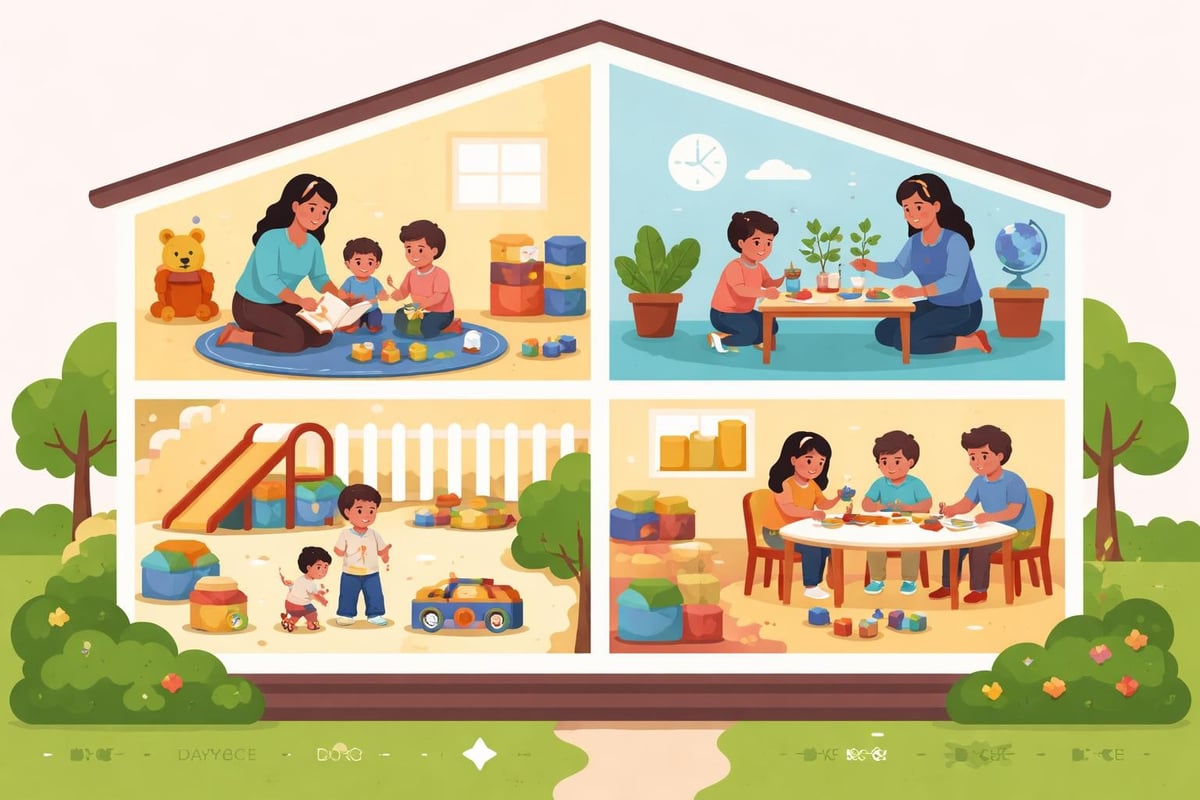
Daycare houses operate from residential properties rather than dedicated commercial buildings. This fundamental difference shapes every aspect of the care experience. The home setting creates an environment where children feel comfortable and secure, often resembling the familiarity of their own homes.
These residential childcare settings typically serve smaller groups of children compared to traditional centers. While a commercial facility might accommodate 50 to 100 children across multiple classrooms, daycare houses usually care for 6 to 12 children depending on state regulations and provider licensing.
Key Characteristics of Home-Based Care
The intimate nature of daycare houses creates several distinct advantages:
- Lower child-to-provider ratios enabling more individualized attention
- Mixed-age groupings that encourage sibling-like relationships and peer learning
- Residential comfort with cozy spaces and home-style furnishings
- Flexible scheduling options often tailored to family needs
- Consistent caregivers reducing transitions and building strong bonds
Provider qualifications vary by state, but many home daycare operators bring extensive experience and genuine passion for early childhood education. Understanding state-specific daycare regulations and licensing standards helps parents evaluate whether a provider meets all legal requirements.
Safety Standards and Licensing Requirements
Safety represents the top priority for any childcare arrangement. Daycare houses must meet rigorous standards to ensure children remain protected throughout the day. Every state maintains specific licensing requirements that home-based providers must satisfy before opening their doors.
The licensing process typically includes comprehensive background checks for all household members over 18, home safety inspections, and verification of provider training in CPR, first aid, and child development. These measures ensure that daycare safety standards protect children in home environments just as thoroughly as in commercial centers.
Essential Safety Measures
Home daycare providers implement multiple safety protocols throughout their properties:
| Safety Category | Requirements | Inspection Points |
|---|---|---|
| Structural | Smoke detectors, carbon monoxide alarms, fire extinguishers | Working condition, proper placement |
| Environmental | Childproofing, secure storage for hazardous materials | Cabinet locks, stair gates, outlet covers |
| Outdoor Space | Fenced play areas, age-appropriate equipment | Secure boundaries, equipment maintenance |
| Emergency Planning | Evacuation routes, emergency contact systems | Posted procedures, regular drills |
State regulations specify maximum capacity based on the provider's home size, available space, and staff-to-child ratios. Providers must maintain detailed records of attendance, health information, and incident reports. Regular inspections verify ongoing compliance with all safety requirements.
Parents should look for signs of a safe daycare environment during their initial visits. The physical environment should appear clean, organized, and free from obvious hazards. Providers should readily share their licensing documentation and inspection reports.
Regulatory Framework and Compliance
Understanding how daycare houses operate within the regulatory landscape helps parents make informed decisions. Each state maintains its own licensing system, creating variations in requirements, capacity limits, and operational standards.
State Licensing Tiers
Many states use tiered licensing systems that categorize home daycares by size and scope:
- Registered or small family homes (typically 6 children or fewer)
- Licensed family homes (usually 7-12 children)
- Group family homes (13+ children with additional staff)
The Rhode Island home daycare requirements and licensing process provides an example of how states structure their regulatory frameworks. Each tier requires different staff qualifications, square footage minimums, and safety provisions.
Providers must renew their licenses periodically and complete ongoing training hours annually. These continuing education requirements keep caregivers current on best practices in early childhood development, safety protocols, and age-appropriate curriculum planning. For families considering in-home childcare, reviewing the provider's training credentials and professional development history offers valuable insights.
Benefits of Choosing a Home-Based Setting
Daycare houses offer distinct advantages that appeal to many families seeking personalized, nurturing care environments. The residential setting creates unique opportunities for child development and family engagement.
Personalized attention stands out as perhaps the greatest benefit. With smaller group sizes, providers can tailor activities to individual children's interests, developmental stages, and learning styles. This customization proves difficult in larger centers where standardized schedules and group activities dominate the daily routine.
Developmental Advantages
Children in home-based settings often experience:
- Stronger attachment relationships with consistent caregivers
- Enhanced social-emotional development through mixed-age interactions
- More opportunities for self-directed play and exploration
- Greater flexibility in daily routines matching individual needs
- Exposure to real-life activities like cooking, gardening, and household tasks
The mixed-age grouping common in daycare houses creates a family-like environment where older children develop leadership skills and younger ones learn through observation and modeling. This dynamic mirrors sibling relationships and encourages cooperation across developmental stages.
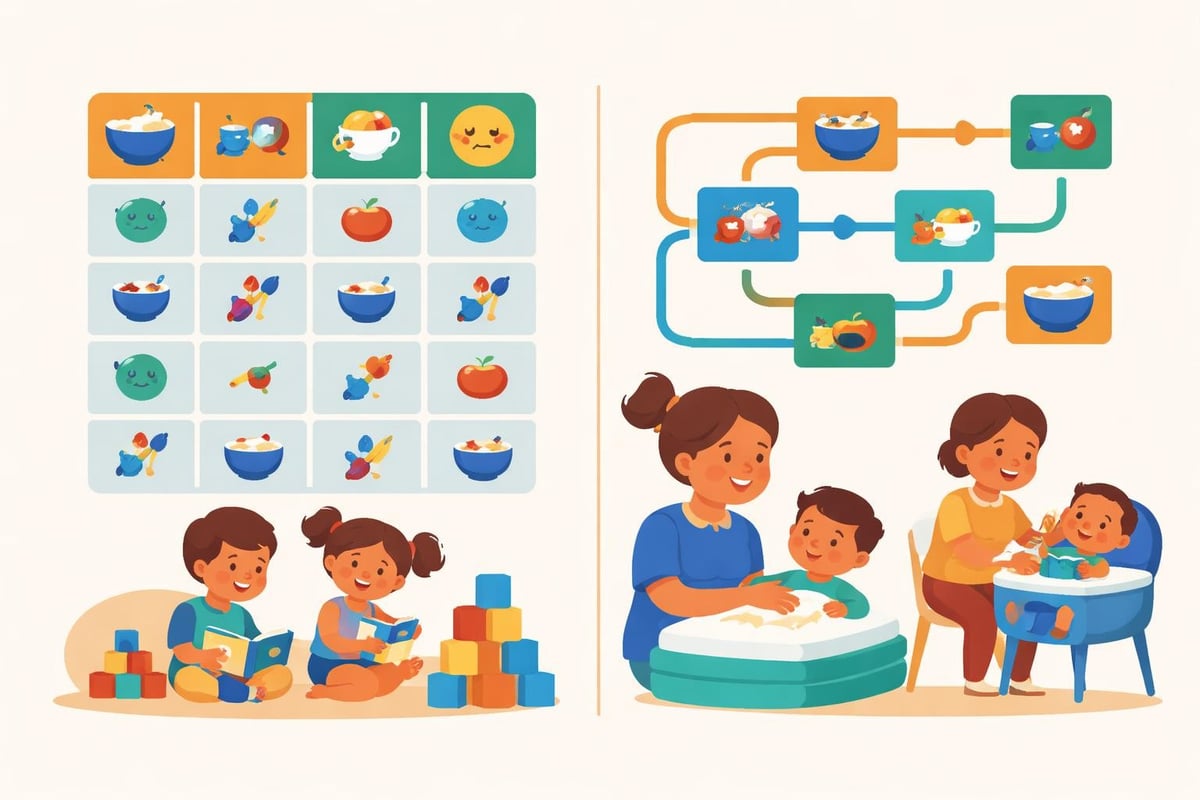
Many providers incorporate home-style learning experiences that connect to everyday life. Children might help prepare snacks, participate in gardening, or engage in creative projects using household materials. These practical activities build life skills while supporting cognitive and motor development.
Evaluating Quality in Daycare Houses
Selecting the right home daycare requires careful evaluation of multiple factors beyond basic licensing compliance. Quality indicators help parents distinguish exceptional providers from adequate ones.
Start by scheduling visits to multiple daycare houses in your area. Observing the environment during operational hours reveals how providers interact with children, manage routines, and maintain their spaces. Pay attention to the warmth and responsiveness of caregiver-child interactions.
Quality Assessment Checklist
Parents should evaluate these critical areas:
- Provider qualifications: Education, certifications, years of experience
- Learning environment: Age-appropriate materials, organized spaces, outdoor access
- Communication practices: Daily updates, parent conferences, transparency
- Health and nutrition: Meal quality, allergy accommodations, cleanliness
- Curriculum approach: Structured learning vs. play-based philosophy
Ask providers about their educational philosophy and daily schedules. Request to see sample menus, activity plans, and parent handbooks. Quality providers eagerly share this information and welcome parent involvement.
References from current and former families provide invaluable perspectives. Speaking with other parents reveals the provider's consistency, reliability, and how they handle challenges. Many families share their experiences through parent reviews, offering honest feedback about their childcare experiences.
Accreditation and Professional Standards
While licensing ensures minimum safety and operational standards, accreditation demonstrates commitment to excellence. Several organizations offer voluntary accreditation programs specifically designed for home-based childcare providers.
Child safety standards accreditation evaluates programs against comprehensive quality benchmarks. Accredited providers undergo rigorous assessment of their curriculum, learning environments, staff qualifications, and family engagement practices.
Benefits of Accreditation
Accredited daycare houses typically demonstrate:
| Accreditation Feature | Provider Impact | Family Benefit |
|---|---|---|
| Quality Standards | Continuous improvement culture | Higher education quality |
| Professional Development | Enhanced teaching skills | Better developmental outcomes |
| Assessment Tools | Data-driven program planning | Individualized learning plans |
| Family Partnerships | Structured communication systems | Stronger home-school connection |
Accreditation requires significant investment of time and resources, signaling the provider's professional dedication. While non-accredited programs can still deliver excellent care, accreditation offers an objective quality verification system.
Space Design and Learning Environments
The physical environment in daycare houses plays a crucial role in supporting child development. Providers must thoughtfully adapt residential spaces to meet young children's educational and safety needs while maintaining home-like comfort.
Successful home daycares designate specific areas for different activities. Separate zones for active play, quiet reading, creative arts, and meals help children transition between activities and understand behavioral expectations for each space.
Safety modifications transform residential properties into child-appropriate environments without eliminating the home's character. Providers install safety gates, secure heavy furniture, cover electrical outlets, and ensure all cleaning supplies and medications remain locked away. Understanding safety and emergency planning requirements helps providers create comprehensive safety protocols.
Indoor and Outdoor Considerations
Effective space planning addresses both interior and exterior environments:
- Indoor learning zones: Designated areas with age-appropriate materials and furniture
- Safe outdoor access: Fenced yards with appropriate play equipment and surfaces
- Storage solutions: Organized systems keeping materials accessible yet tidy
- Flexible configurations: Adaptable spaces supporting various group sizes and activities
Outdoor play areas require particular attention. Providers must ensure fencing provides complete enclosure, playground equipment meets safety standards for intended age groups, and surfaces beneath climbing structures provide adequate cushioning. Many states specify minimum outdoor space requirements per child.
Starting Your Own Home Daycare
For individuals passionate about early childhood education, opening a daycare house offers a fulfilling career path. The process requires careful planning, regulatory compliance, and business preparation.
Research your state's specific requirements as the first step. Requirements vary significantly, with some states mandating minimum square footage, specific room configurations, or separate outdoor play spaces. The ultimate checklist for starting an in-home daycare provides comprehensive guidance for prospective providers.
Startup Steps
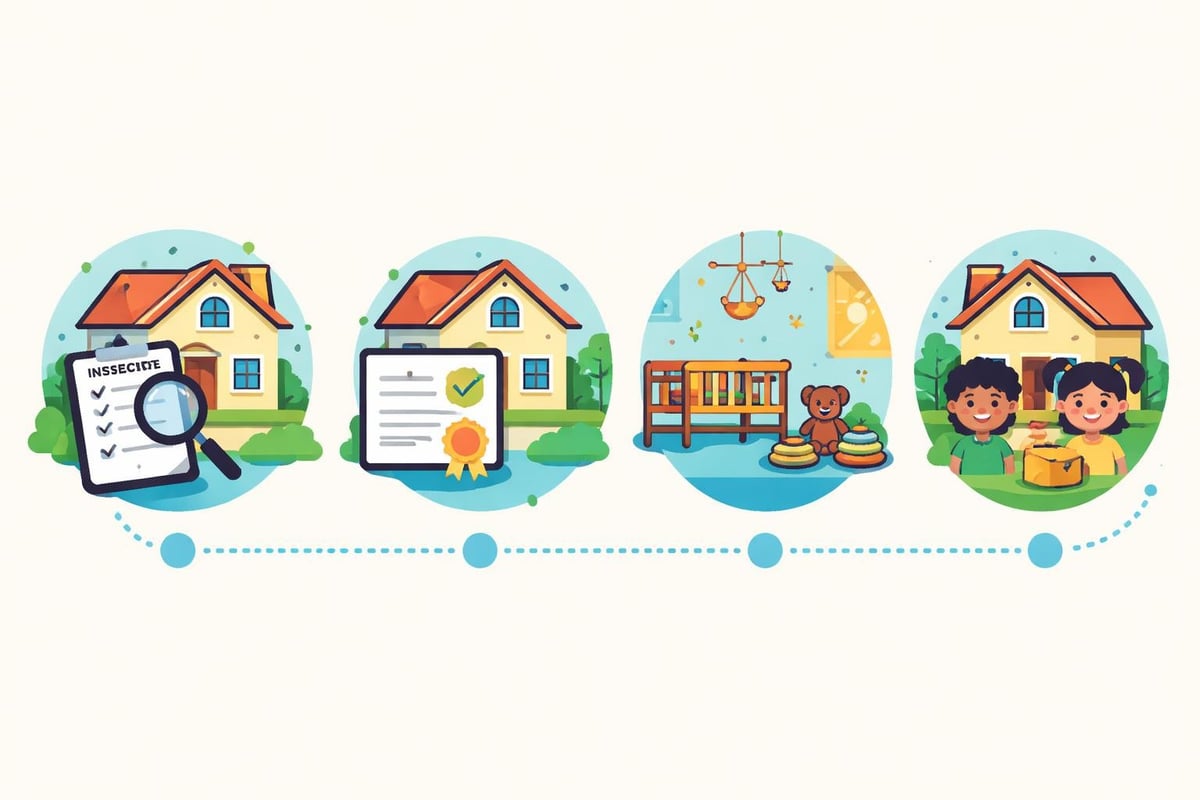
- Research state licensing requirements and application procedures
- Evaluate your home's suitability for childcare operations
- Complete required training in CPR, first aid, and child development
- Childproof and prepare your space according to safety standards
- Develop policies and procedures for operations, discipline, and communication
- Apply for licensing and undergo home inspection
- Establish business systems for enrollment, billing, and record-keeping
- Market your services to local families
Financial planning proves essential for sustainable operations. Calculate startup costs including safety equipment, educational materials, insurance, licensing fees, and marketing expenses. Determine your pricing structure based on local market rates, your qualifications, and the services you'll provide.
Many successful providers invest in professional development beyond minimum requirements. Advanced training in specific educational philosophies like Montessori or Reggio Emilia can differentiate your program. Understanding how families value early childhood education services helps providers design competitive, high-quality programs.
Cost Considerations and Financial Planning
Understanding the financial aspects of daycare houses helps both parents and providers make informed decisions. Home-based care typically costs less than commercial centers while still maintaining quality standards.
Pricing Factors
Several elements influence home daycare rates:
- Geographic location: Urban areas generally command higher prices than rural regions
- Provider qualifications: Advanced degrees or specialized certifications often justify premium pricing
- Program features: Extended hours, organic meals, or enrichment activities increase value
- Age of children: Infant care requires lower ratios and typically costs more
- Schedule flexibility: Part-time, drop-in, or non-traditional hours may carry different rates
Parents should budget for registration fees, supply fees, and potential rate increases as children age. Most providers require deposits and advance payment schedules. Families exploring early childhood education payment options can research subsidy programs, employer childcare benefits, and tax advantages.
For providers, sustainable pricing must cover operating expenses including food, supplies, insurance, utilities, property maintenance, continuing education, and reasonable compensation for professional services. Many home daycare operators undervalue their services initially, creating unsustainable business models.
Building Strong Provider-Family Partnerships
Successful daycare houses thrive on collaborative relationships between providers and families. Open communication, mutual respect, and shared commitment to children's wellbeing create foundations for positive partnerships.
Quality providers establish clear communication channels from the start. Daily reports share information about meals, naps, activities, and developmental observations. Regular parent conferences provide opportunities for deeper discussions about progress, concerns, and goals.
Communication Best Practices
Effective provider-family partnerships include:
- Daily updates through conversation, written notes, or digital apps
- Open-door policies welcoming parent visits and involvement
- Regular conferences discussing developmental progress
- Transparent policies clearly documented in parent handbooks
- Responsive problem-solving addressing concerns promptly and professionally
Parents contribute to successful partnerships by respecting provider policies, maintaining open communication, and supporting consistent routines between home and daycare. Viewing providers as professional partners rather than service vendors elevates the relationship quality.
Many families appreciate opportunities to participate in their child's care experience. Providers might invite parents to share cultural traditions, read to children, or contribute special skills. This involvement strengthens the home-daycare connection while enriching children's experiences. Checking out testimonials from other families can provide insight into how providers build these relationships.
Health and Nutrition in Home Settings
Daycare houses approach meals and nutrition differently than commercial centers. Home-based providers often prepare fresh, home-style meals rather than relying on catered services or pre-packaged options.
Quality providers accommodate dietary restrictions, allergies, and cultural food preferences. They communicate with families about nutritional approaches and welcome input on meal planning. Many home daycares take pride in serving wholesome, homemade meals that introduce children to diverse foods in comfortable settings.
Nutrition Standards
Home daycare providers should maintain:
| Nutrition Element | Best Practice | Family Communication |
|---|---|---|
| Meal Planning | Balanced, age-appropriate menus | Weekly menu sharing |
| Allergy Management | Clear protocols, separate preparation areas | Detailed intake forms |
| Feeding Practices | Family-style meals, positive food relationships | Daily meal reports |
| Food Safety | Proper storage, preparation, temperature control | Certification display |
Health monitoring represents another critical responsibility. Providers should maintain clear illness policies defining when children must stay home and return-to-care requirements. Regular health checks throughout the day help identify emerging concerns early.
Understanding how home daycares structure their daily schedules including meal times, rest periods, and activities helps families evaluate whether a program aligns with their values and their child's needs.
The Future of Home-Based Childcare
Daycare houses continue evolving to meet changing family needs and incorporate emerging best practices. The 2026 childcare landscape reflects increased recognition of home-based care as a valuable, professional option within the broader early education system.
Technology integration has enhanced communication and documentation without sacrificing the personal touch that defines home-based care. Providers use apps for daily reporting, digital portfolios documenting learning, and streamlined billing systems. These tools increase efficiency while maintaining the warm, personal relationships families value.
Professional development opportunities have expanded significantly. Home daycare providers now access specialized training, networking groups, and quality improvement initiatives previously available primarily to center-based staff. This support elevates the entire field and improves outcomes for children.
Recognition of home-based care's unique benefits has grown among families, policymakers, and early education professionals. Quality daycare houses offer personalized attention, developmental appropriateness, and family partnerships that complement the services commercial centers provide. Understanding the full spectrum of options, including exploring contact information for local providers, empowers families to make choices aligned with their values and children's needs.
Daycare houses provide intimate, nurturing environments where children thrive through personalized attention and home-like comfort. By understanding safety standards, licensing requirements, and quality indicators, families can confidently select home-based care that supports their children's development. Step by Step Care offers professional home childcare services combining warmth, expertise, and commitment to early education excellence-contact us today to discover how we can support your family's childcare needs.


