

Highest Rated Daycares Near Me: Complete 2026 Guide
Finding quality childcare is one of the most important decisions you'll make as a parent. When searching for the highest rated daycares near me, you're not just looking for convenience. You're seeking a nurturing environment where your child will thrive, develop essential skills, and receive the attention they deserve. This comprehensive guide will walk you through everything you need to know about identifying, evaluating, and selecting top-rated childcare options in your area. Whether you're considering traditional daycare centers or exploring home-based childcare alternatives, understanding what separates excellent care from average options will empower you to make the best choice for your family.
Understanding What Makes Daycares Highly Rated
The highest rated daycares near me don't achieve their status by accident. Multiple factors contribute to exceptional childcare ratings, and understanding these elements helps you evaluate facilities more effectively.
State licensing and compliance form the foundation of any reputable childcare program. Licensed facilities undergo regular inspections, maintain specific child-to-staff ratios, and follow established safety protocols. State inspection data provides transparent ratings based on compliance history, giving parents objective information about facility safety records.
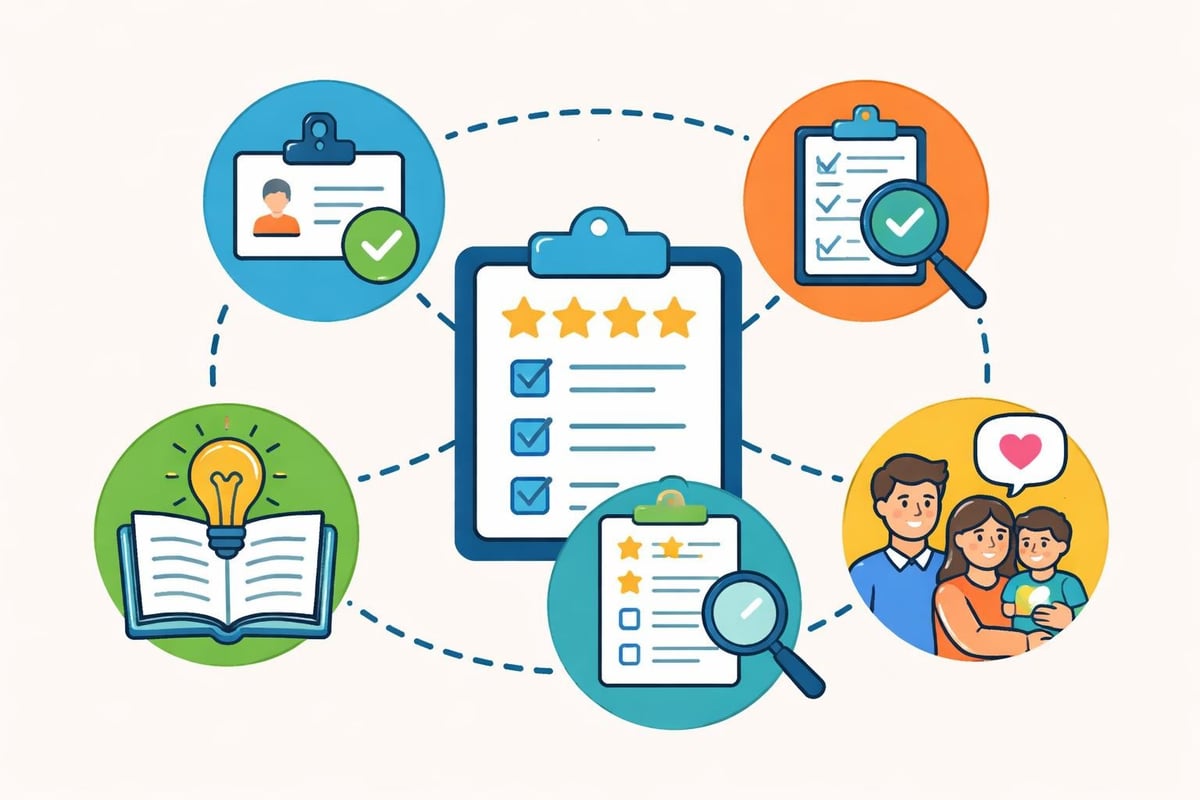
Key Rating Criteria Parents Should Know
When evaluating childcare options, several critical factors determine overall quality:
- Staff qualifications and ongoing training requirements
- Safety protocols and emergency preparedness plans
- Educational curriculum and developmental activities
- Cleanliness and facility maintenance standards
- Parent communication and involvement opportunities
- Staff turnover rates and consistency of care
Professional credentials matter significantly in quality childcare. Caregivers with early childhood education backgrounds bring specialized knowledge about child development, age-appropriate activities, and behavioral guidance techniques.
| Rating Factor | What to Look For | Why It Matters |
|---|---|---|
| Licensing Status | Current, unrestricted license | Legal compliance and baseline safety |
| Staff Credentials | ECE degrees or certifications | Professional expertise in child development |
| Child-to-Staff Ratio | Meets or exceeds state requirements | Individual attention and supervision |
| Safety Inspections | Recent passing grades | Risk prevention and hazard management |
| Parent Reviews | Consistent positive feedback | Real-world experience validation |
How to Research the Highest Rated Daycares Near Me
Your search strategy determines the quality of options you'll discover. Start with multiple information sources to build a comprehensive picture of available childcare providers.
Online Research Strategies
Begin with specialized childcare directories that compile ratings, reviews, and inspection data. These platforms aggregate information from state agencies, parent reviews, and facility details in one accessible location. When researching home-based childcare options, look for providers who maintain the same professional standards as larger centers.
State regulatory websites publish inspection reports, violation histories, and licensing status for all registered childcare facilities. This public information reveals compliance patterns and safety concerns that might not appear in marketing materials.
Google reviews and social media offer unfiltered parent perspectives. Pay attention to recurring themes in feedback, both positive and negative. A single complaint might be an isolated incident, but patterns indicate systemic issues or consistent strengths.
Questions to Ask During Your Search
When contacting potential childcare providers, gather specific information:
- What are your current enrollment availability and wait list timelines?
- What credentials and training do your caregivers possess?
- How do you handle discipline and behavioral guidance?
- What is your sick child policy and medication administration protocol?
- How frequently do you communicate with parents about daily activities?
- What curriculum or educational approach guides your programming?
Professional childcare providers welcome these questions and provide detailed, transparent answers. Hesitation or vague responses should raise concerns.
Evaluating Safety Standards and Compliance
Safety represents the non-negotiable foundation of quality childcare. When searching for the highest rated daycares near me, thorough safety evaluation protects your child and provides peace of mind.
Physical Environment Safety
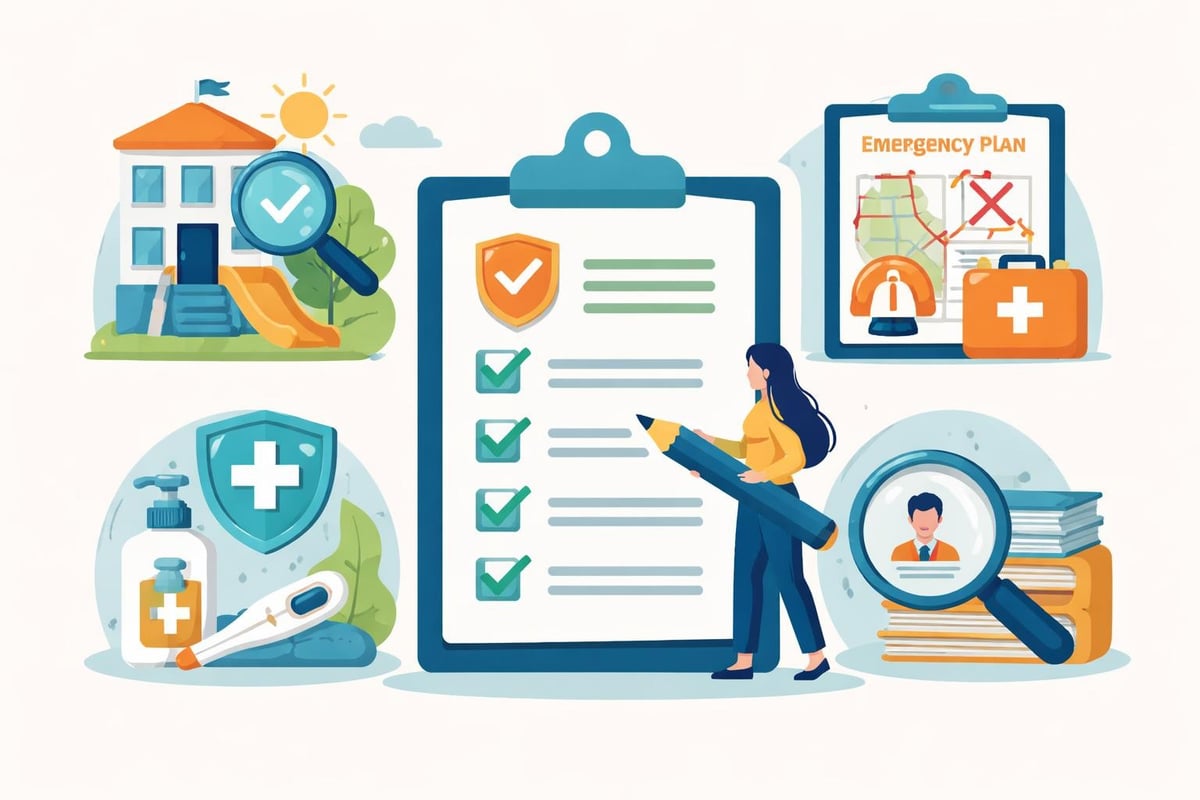
Inspect the facility with a critical eye during tours. Look beyond attractive decorations to assess functional safety features:
- Secure entry systems controlling visitor access
- Properly maintained outdoor play equipment with appropriate surfacing
- Childproofed electrical outlets and secured cabinets
- Age-appropriate furniture and materials
- Clear emergency exits with unobstructed paths
- Fire extinguishers and smoke detectors in working order
The comprehensive daycare selection checklist covers additional safety considerations that complement visual inspections.
Emergency Preparedness and Health Protocols
Quality childcare facilities maintain detailed emergency response plans. Ask providers about their procedures for:
- Medical emergencies and injury response
- Natural disasters and evacuation protocols
- Lost or missing child procedures
- Lockdown and security threat responses
Health policies matter equally. Understanding how providers handle illness prevention, sanitation, and medication administration protects all enrolled children. Quality programs maintain strict handwashing protocols, daily cleaning schedules, and clear guidelines for excluding sick children.
Understanding Different Types of Highly Rated Childcare
The highest rated daycares near me include various childcare models, each offering distinct advantages. Understanding these differences helps match your family's needs with appropriate options.
Traditional Daycare Centers
Large daycare centers typically serve multiple age groups in separate classrooms. These facilities offer structured environments with specialized spaces for different activities.
Advantages include:
- Consistent backup coverage when staff members are absent
- Specialized facilities like age-appropriate playgrounds
- Structured curriculum with planned educational activities
- Multiple caregivers providing diverse interaction experiences
Centers generally maintain business-like operations with set hours, policies, and procedures that provide predictability for working parents.
Home-Based Family Childcare
Family childcare providers operate licensed programs in residential settings. These smaller programs create intimate environments resembling home life. In-home childcare offers several unique benefits worth considering.
Home-based care typically features:
- Mixed-age groups promoting sibling-like relationships
- Flexible scheduling accommodating non-traditional work hours
- Personalized attention with lower child-to-provider ratios
- Consistent primary caregiver building strong attachment bonds
- Home-like environment easing transition from parental care
Quality home childcare providers maintain professional standards identical to centers, including licensing, safety protocols, and educational programming. Step by Step Care exemplifies how home-based programs deliver exceptional early childhood experiences in nurturing settings.
| Feature | Daycare Centers | Home-Based Care |
|---|---|---|
| Group Size | 15-100+ children | 6-12 children typically |
| Environment | Commercial facility | Residential home setting |
| Age Groups | Separated by age | Mixed-age groupings |
| Hours | Fixed business hours | Often more flexible |
| Activities | Structured programming | Blend of structured and informal |
| Cost | Generally higher | Often more affordable |
Assessing Educational Quality and Curriculum
Beyond basic care and supervision, the highest rated daycares near me provide rich learning environments supporting child development across multiple domains.
Developmental Approach and Philosophy
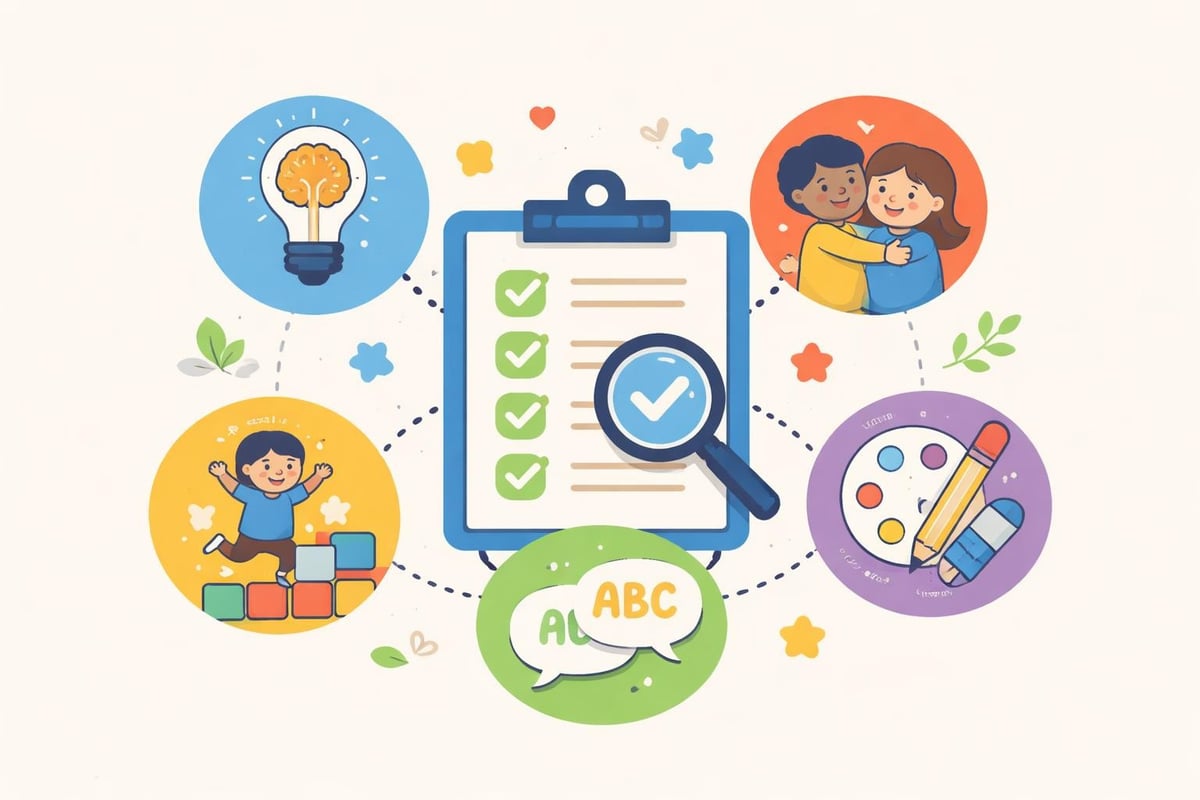
Quality programs articulate clear educational philosophies guiding daily activities. Common approaches include:
- Play-based learning emphasizing child-directed exploration
- Montessori methods focusing on independence and hands-on materials
- Reggio Emilia approach valuing creativity and project-based learning
- HighScope curriculum balancing teacher guidance with child initiative
Understanding the qualifications for early childhood education that staff members possess helps evaluate whether programs deliver on their stated approaches.
Age-Appropriate Activities and Learning Goals
Observe how programs structure daily schedules. Quality childcare balances different activity types:
- Free play allowing creativity and social skill development
- Structured activities teaching specific concepts and skills
- Outdoor time promoting physical development and nature exploration
- Quiet periods for rest, stories, and calming activities
- Meal times as social learning opportunities
Reviewing daycare daily schedules provides insight into how programs organize time and prioritize various developmental domains.
Ask about individualized attention to each child's developmental progress. Quality programs track milestones, communicate observations to parents, and adjust activities supporting individual growth.
Reading and Interpreting Parent Reviews
Parent testimonials provide invaluable insider perspectives when searching for the highest rated daycares near me. Learning to read reviews critically separates genuine insights from outlier experiences.
Identifying Meaningful Feedback Patterns
Look for consistency across multiple reviews rather than focusing on individual comments. When numerous parents mention the same strengths or concerns, those observations likely reflect actual program characteristics.
Pay attention to specific examples rather than vague praise. Reviews mentioning "Ms. Sarah helped my daughter overcome separation anxiety through patient daily routines" provide more useful information than "great teachers."
Red Flags in Reviews and Responses
Certain warning signs in parent feedback deserve serious consideration:
- Multiple mentions of unsafe conditions or supervision gaps
- Staff turnover so frequent parents don't recognize caregivers
- Poor communication leaving parents uninformed about incidents
- Unexplained injuries or inadequate incident documentation
- Unresolved cleanliness or maintenance issues
How providers respond to negative reviews reveals their professionalism and accountability. Quality programs acknowledge concerns, explain improvements, and demonstrate commitment to continuous enhancement.
Visiting parent review pages from prospective providers shows how satisfied families describe their actual experiences beyond marketing claims.
Conducting Effective Facility Tours
Virtual research narrows options, but in-person tours provide irreplaceable assessment opportunities when searching for the highest rated daycares near me.
What to Observe During Visits
Arrive during active program hours rather than nap time or before children arrive. Observe actual operations:
- How caregivers interact with children during activities
- Whether children appear engaged, happy, and comfortable
- How staff manage conflicts or behavioral challenges
- Cleanliness and organization throughout the facility
- Caregiver-to-child ratios during various activities
Notice subtle details like whether caregivers get down to children's eye level during conversations or remain standing while directing activities from above.
Questions That Reveal Program Quality
Strategic questions during tours uncover information beyond prepared presentations:
- "Can you walk me through what a typical Tuesday looks like?"
- "How do you handle the transition when children move to new classrooms?"
- "What professional development have staff members completed recently?"
- "How do you involve parents beyond drop-off and pickup?"
- "What happens when my child struggles with specific skills or behaviors?"
Guidance on choosing daycare emphasizes asking open-ended questions that encourage detailed responses rather than yes/no answers.
Trust your instincts during visits. If something feels wrong despite positive reviews or impressive credentials, that discomfort deserves consideration. Similarly, when a program feels immediately welcoming and aligned with your values, that positive impression matters.
Financial Considerations and Value Assessment
Cost significantly impacts childcare decisions, but the highest rated daycares near me balance quality with affordability rather than simply offering the lowest prices.
Understanding Childcare Pricing Structures
Childcare costs vary based on multiple factors:
- Geographic location and local market rates
- Child's age (infant care typically costs more)
- Full-time versus part-time enrollment
- Program type (centers versus home-based care)
- Additional services like meals or extended hours
Request detailed pricing information including:
- Base tuition rates for your child's age group
- Registration fees and deposits
- Supply fees or activity costs
- Late pickup charges and policies
- Holiday closures and payment expectations
- Sibling discounts if applicable
Financial planning considerations help families budget for quality childcare while managing other financial obligations.
Evaluating Cost Versus Quality
The most expensive option isn't automatically the best, nor should cost alone determine your choice. Assess value by comparing what you receive for tuition paid:
| Cost Factor | Questions to Consider |
|---|---|
| Staff qualifications | Do caregivers have relevant education and training? |
| Curriculum quality | Are learning activities intentional and developmental? |
| Facility condition | Is the environment well-maintained and appropriate? |
| Included services | What meals, supplies, or extras are provided? |
| Communication | How often do you receive updates and progress reports? |
Some families discover that slightly higher tuition at quality programs reduces other costs like purchasing educational materials at home or managing frequent illness from poorly sanitized facilities.
Making Your Final Decision
After researching, touring, and evaluating options, synthesizing information into a confident decision completes your search for the highest rated daycares near me.
Creating a Comparison Framework
Develop a structured evaluation tool helping you compare programs objectively. Rate each facility on criteria most important to your family:
- Safety and licensing compliance (non-negotiable factors)
- Educational quality and developmental approach
- Caregiver qualifications and experience
- Communication and parent involvement
- Convenience factors like location and hours
- Cost and overall value
- Your child's comfort and engagement during visits
Assign weights to different factors based on your priorities. Some families prioritize educational philosophy above all else, while others value flexibility and convenient location most highly.
Trusting the Process
Remember that selecting the right childcare involves both objective assessment and subjective compatibility. The technically perfect program that doesn't feel right for your family won't provide the peace of mind you need.
Start your enrollment process early. Quality programs often maintain wait lists, and securing a spot requires advance planning. Some families join wait lists during pregnancy to ensure availability when childcare becomes necessary.
Consider starting with part-time enrollment if your situation allows. This gradual transition helps you evaluate whether a program truly meets your expectations before committing to full-time care.
Maintaining Ongoing Communication and Evaluation
Your relationship with childcare providers doesn't end after enrollment. Continuing to assess quality and maintain open communication ensures your child receives consistent, excellent care.
Building Strong Provider Partnerships
Establish regular communication patterns from the beginning. Quality childcare programs welcome parent involvement and encourage:
- Daily informal conversations during drop-off and pickup
- Scheduled conferences discussing developmental progress
- Email or app updates about activities and milestones
- Parent participation in special events or activities
- Transparent discussion of concerns or questions
Share information about your child's temperament, interests, and home life that helps caregivers provide personalized attention. The more providers understand your child, the better they can support individual needs.
Recognizing When to Reconsider
Even carefully chosen childcare may not work long-term. Watch for signs that a program no longer meets your needs:
- Your child consistently resists attending or seems unhappy
- Communication deteriorates or concerns go unaddressed
- Staff turnover disrupts continuity of care
- Program changes don't align with your values
- Your family's needs evolve beyond current offerings
Don't hesitate to make changes when necessary. Your child's wellbeing justifies transitioning to more appropriate care, even after investing time building relationships.
Finding the highest rated daycares near me requires thorough research, careful evaluation, and trust in your parental instincts. By understanding what makes childcare programs truly excellent and systematically assessing your options, you can identify environments where your child will flourish. Whether you choose a traditional center or prefer the intimate setting of home-based care, prioritizing safety, educational quality, and strong caregiver relationships ensures your child receives the nurturing foundation they deserve. If you're exploring childcare options that combine professional expertise with the warmth of a home environment, Step by Step Care offers the quality, safety, and personalized attention that make all the difference in your child's early years.


