

Step by Step Daycare: Complete Guide for Parents
Choosing the right childcare environment represents one of the most important decisions parents make during their child's early years. A step by step daycare approach provides families with a structured framework for evaluating providers, understanding daily routines, and ensuring children receive age-appropriate care that supports their developmental journey. This comprehensive guide walks you through everything you need to know about selecting and understanding quality home-based childcare programs that prioritize individual attention, developmental milestones, and nurturing environments where young children can thrive.
Understanding the Step by Step Daycare Philosophy
The step by step daycare methodology centers on progressive, developmentally appropriate care that adapts to each child's unique growth trajectory. Rather than implementing one-size-fits-all programs, this approach recognizes that children develop at different rates and require individualized attention to reach their full potential.
Core principles include:
- Recognizing individual developmental timelines
- Creating age-specific learning environments
- Building consistent daily routines that provide security
- Fostering social-emotional growth alongside cognitive development
- Maintaining strong parent-provider communication channels
Developmental Stages and Tailored Care
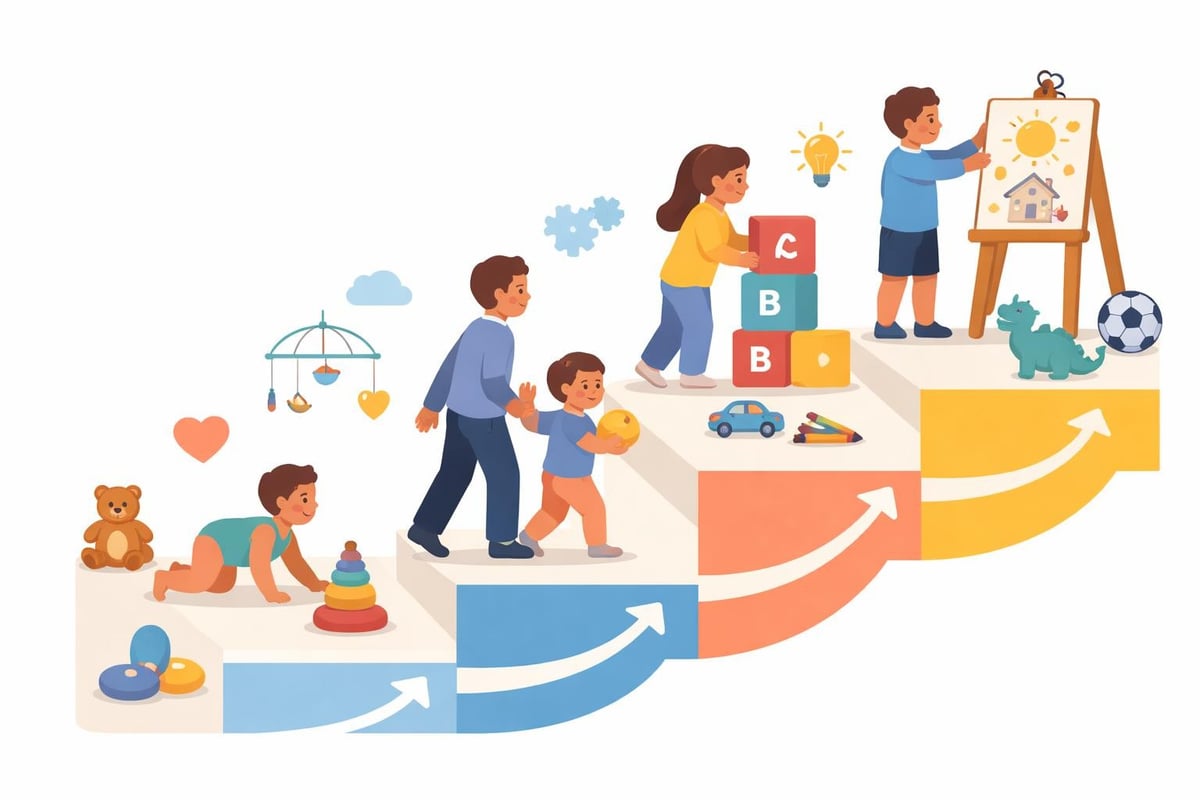
Quality in-home childcare programs structure their curricula around key developmental phases. Infants require different stimulation and care than toddlers, while preschoolers benefit from more structured educational activities. Understanding these distinctions helps parents evaluate whether a provider truly offers step by step daycare services or simply groups children together without age-appropriate planning.
| Age Group | Key Focus Areas | Typical Activities |
|---|---|---|
| 0-12 months | Sensory exploration, bonding, motor skills | Tummy time, music exposure, tactile play |
| 12-24 months | Language development, walking, independence | Story time, outdoor exploration, simple art |
| 2-3 years | Social skills, potty training, vocabulary | Parallel play, creative expression, routine building |
| 3-5 years | Pre-literacy, cooperation, self-regulation | Group projects, early math concepts, problem-solving |
Selecting the Right Step by Step Daycare Provider
Finding a provider who genuinely implements progressive, individualized care requires thorough research and careful evaluation. Parents should begin their search several months before care is needed, allowing adequate time to visit facilities, check references, and observe interactions between caregivers and children.
Essential Evaluation Criteria
When touring potential daycare options, focus on both tangible elements like safety features and intangible qualities such as caregiver warmth and responsiveness. The Office of Child Care provides valuable resources about federal childcare standards and quality benchmarks that can inform your evaluation process.
Key factors to assess:
- Licensing and credentials – Verify current state licensing, background checks, and relevant childcare certifications
- Staff qualifications – Review education levels, years of experience, and ongoing professional development
- Child-to-caregiver ratios – Ensure ratios meet or exceed state requirements for each age group
- Health and safety protocols – Examine emergency procedures, illness policies, and facility cleanliness
- Educational philosophy – Confirm alignment with your family's values and developmental priorities
Questions to Ask During Tours
Prepare specific questions that reveal how a provider implements their step by step daycare approach. Generic responses suggest surface-level planning, while detailed answers demonstrate thoughtful curriculum design and genuine commitment to individualized care.
Ask about daily schedules, how transitions between activities are handled, methods for addressing behavioral challenges, and strategies for communicating developmental progress to families. Review parent testimonials to understand other families' experiences with the provider's communication style and responsiveness.
Daily Structure in Step by Step Daycare Programs
Consistency forms the foundation of effective early childhood education. A well-designed daycare daily schedule balances structured activities with free play, quiet time with energetic movement, and individual attention with group learning experiences.
Sample Daily Framework
While specific timing varies based on age groups and program philosophy, quality step by step daycare providers maintain predictable routines that help children feel secure and develop self-regulation skills.
Morning session (7:00 AM – 12:00 PM):
- Arrival and greeting time with individual check-ins
- Breakfast or morning snack in a family-style setting
- Circle time featuring songs, calendar, and weather discussion
- Planned educational activities focused on weekly themes
- Outdoor play supporting gross motor development
- Mid-morning snack and bathroom routines
Afternoon session (12:00 PM – 6:00 PM):
- Lunch followed by quiet time or nap period
- Afternoon activities incorporating art, music, or dramatic play
- Small group instruction targeting specific skills
- Second outdoor play period when weather permits
- Afternoon snack and individual or free play
- Preparation for departure and parent communication

Adapting Schedules for Different Ages
Infant care requires exceptional flexibility since feeding and sleeping patterns vary significantly between individual babies. A true step by step daycare approach for the youngest children prioritizes responsive care over rigid schedules. You can explore detailed infant daycare daily schedule examples to understand how quality providers balance structure with flexibility for this age group.
Toddlers benefit from more predictable routines while still needing accommodation for individual nap schedules and developmental readiness for various activities. Preschoolers typically follow consistent schedules that prepare them for eventual kindergarten transitions.
Educational Components and Learning Objectives
Progressive childcare extends far beyond basic supervision. Quality programs incorporate intentional learning experiences that build foundational skills across multiple developmental domains. When evaluating a step by step daycare provider, examine how they integrate education into daily activities rather than treating it as separate from play.
Curriculum Design Elements
Effective early childhood curricula blend teacher-directed instruction with child-initiated exploration. Thematic units lasting one to two weeks provide coherent learning experiences while allowing flexibility to follow children's interests and questions.
Essential curriculum components:
- Literacy development – Story time, alphabet recognition, phonemic awareness, pre-writing skills
- Mathematical thinking – Counting, sorting, patterns, spatial relationships, measurement concepts
- Scientific inquiry – Observations, predictions, experiments, nature exploration
- Creative expression – Open-ended art projects, music and movement, dramatic play scenarios
- Social-emotional learning – Friendship skills, emotion identification, conflict resolution, empathy building
Many families wonder about how to open a daycare center themselves, which highlights the growing recognition of quality early education's importance.
Assessment and Documentation
Reputable providers systematically observe and document children's progress across developmental domains. This information informs activity planning and provides valuable insights during parent conferences. Ask prospective providers how they track milestones, what assessment tools they use, and how frequently they share developmental updates with families.
Building Strong Parent-Provider Partnerships
Successful step by step daycare experiences depend heavily on collaborative relationships between families and caregivers. Open communication, mutual respect, and shared commitment to children's wellbeing create the foundation for these partnerships.
Communication Methods and Frequency
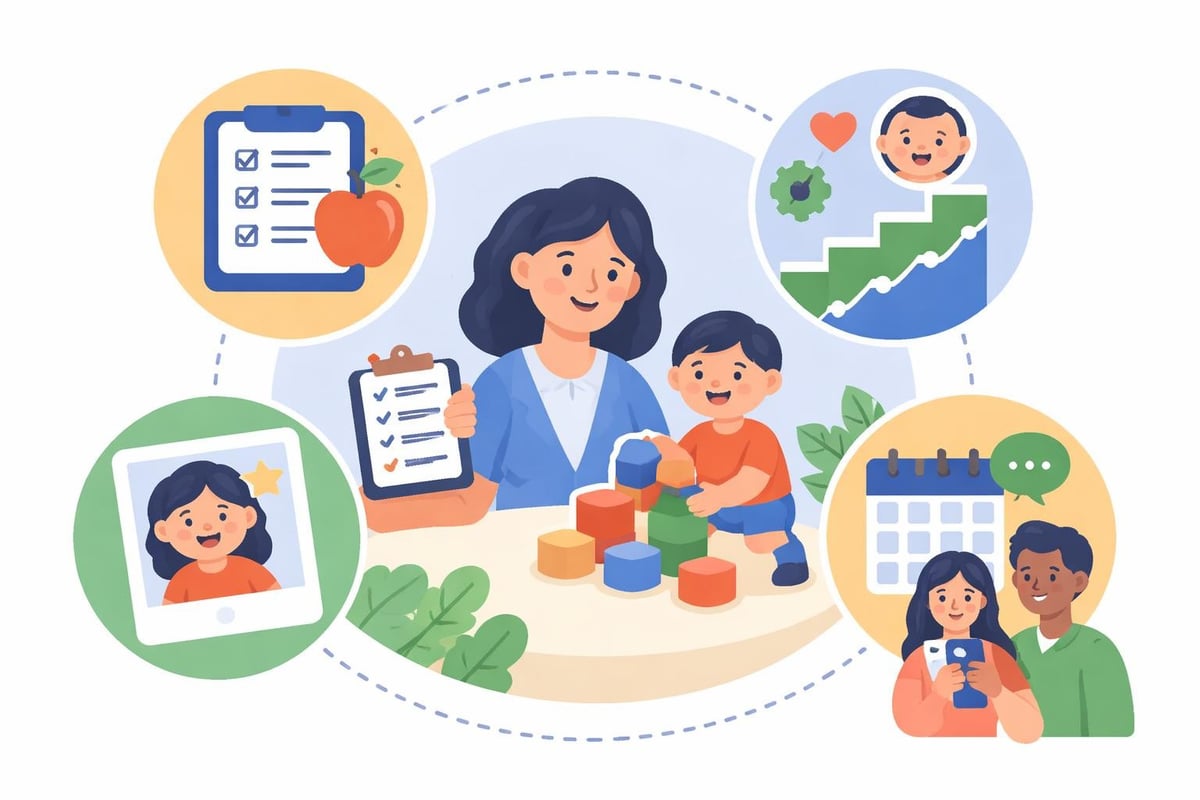
Modern childcare programs utilize various tools to keep parents connected throughout the day. Daily reports, photo sharing, milestone updates, and real-time messaging apps help bridge the gap when families and children are apart.
| Communication Type | Frequency | Purpose |
|---|---|---|
| Daily reports | Each pickup | Share meals, naps, activities, mood, milestones |
| Photos/videos | 2-3 times weekly | Document learning experiences and social interactions |
| Formal conferences | Quarterly | Review developmental progress and set goals |
| Informal check-ins | As needed | Address concerns, ask questions, share updates |
| Newsletters | Monthly | Announce upcoming themes, events, policy changes |
Supporting Consistency Between Home and Daycare
Children thrive when expectations, routines, and behavioral approaches remain relatively consistent across environments. Share information about your child's preferences, challenges, and home routines with your provider. Likewise, implement strategies that work well in the daycare setting at home to reinforce learning and behavioral expectations.
Explore services offered by quality providers to understand how they support this home-daycare connection through family engagement activities and parent education opportunities.
Health, Safety, and Nutrition Standards
Non-negotiable health and safety protocols protect children and provide peace of mind for families. When evaluating step by step daycare options, carefully review policies related to illness, emergency procedures, medication administration, and food safety.
Illness Policies and Prevention
Clear guidelines about when children should stay home prevent the spread of contagious illnesses while balancing parents' work obligations. Quality providers maintain written illness policies covering fever thresholds, symptom-specific exclusions, and return-to-care requirements.
Standard prevention practices include:
- Frequent handwashing by children and staff
- Regular sanitization of toys and surfaces
- Proper diaper changing procedures with designated areas
- Exclusion of visibly ill children until symptom-free
- Communication with all families when communicable diseases are identified
Nutrition and Meal Planning
Young children require nutrient-dense foods offered at regular intervals to support their rapid growth and development. Step by step daycare providers should offer balanced meals and snacks that meet USDA guidelines while accommodating allergies, cultural preferences, and family dietary choices.
Ask about meal preparation methods, whether menus are posted in advance, how food allergies are managed, and whether providers can accommodate special diets. Family-style dining, where children serve themselves with assistance, builds independence and exposes them to diverse foods in low-pressure settings.
Preparing Your Child for Step by Step Daycare
Transitions to new care environments affect children differently based on temperament, age, and previous experiences with separation. Thoughtful preparation helps ease this adjustment and sets the stage for positive daycare experiences. Visit the gallery of quality providers to help your child visualize their new environment before their first day.
Gradual Transition Strategies
Whenever possible, implement a phase-in approach where children spend progressively longer periods at daycare before full-time enrollment begins. This gradual transition allows children to build relationships with caregivers and become familiar with routines while maintaining the security of parental presence.
- Initial visit – Tour the facility together, meet caregivers, explore play areas
- Short stay with parent – Spend 30-60 minutes engaging in activities together
- Brief separation – Leave for 15-30 minutes while child plays
- Half-day attendance – Drop off for morning or afternoon session
- Full-day enrollment – Begin regular schedule with confidence
Age-Specific Preparation Tips
Infants and young toddlers may show separation anxiety through crying or clinging behavior. Consistent, loving goodbyes without prolonged departures help children learn that parents always return. Older toddlers and preschoolers benefit from conversations about what to expect, books about starting daycare, and opportunities to choose special items like lunch boxes or backpacks.
Financial Considerations and Payment Options
Childcare represents a significant investment for most families. Understanding costs, payment structures, and available financial assistance helps families plan budgets and explore all available options for making quality care affordable. Research shows that families increasingly seek information about how to pay for early childhood education through various funding sources.
Understanding Fee Structures
Step by step daycare providers typically charge weekly or monthly rates that may vary based on children's ages, enrollment status (full-time versus part-time), and included services. Younger children often cost more due to required lower child-to-caregiver ratios.
Common fee components:
- Base tuition covering standard care hours
- Registration or enrollment fees (annual or one-time)
- Supply fees for materials, diapers, meals
- Late pickup charges for parents beyond contracted hours
- Activity fees for special programs or field trips
Financial Assistance Programs
Multiple funding sources help families afford quality childcare. State subsidy programs assist income-eligible families, while employer-sponsored benefits like flexible spending accounts allow pre-tax payment for dependent care expenses. Tax credits at federal and sometimes state levels provide additional financial relief during tax season.
Contact your state's childcare resource and referral agency to learn about available assistance programs and application processes. These agencies also provide free information about licensed providers in your area.
Recognizing Quality Indicators and Red Flags
Not all childcare programs deliver the individualized, developmentally appropriate care that defines true step by step daycare. Developing the ability to recognize both excellence indicators and concerning practices protects children and ensures families invest in genuinely beneficial care environments.
Positive Signs of Quality
When visiting providers, observe how caregivers interact with children throughout your tour, not just during structured presentations. Authentic warmth, patience during challenging moments, and genuine engagement signal quality care that continues when parents aren't present.
Excellence indicators include:
- Children appear happy, engaged, and comfortable with caregivers
- Age-appropriate materials are accessible and well-maintained
- Caregivers get down to children's eye level during conversations
- Positive guidance techniques replace punitive discipline
- Outdoor spaces offer varied equipment and natural elements
- Posted credentials, licenses, and inspection results are current
Warning Signs to Investigate
Some concerns warrant immediate attention while others deserve clarification before making judgments. Trust your instincts when something feels wrong, and don't hesitate to ask direct questions about policies or practices that concern you.
Red flags include caregivers who seem overwhelmed or disconnected, environments that appear chaotic without purposeful activity, excessive screen time for young children, reluctance to answer questions or allow unscheduled visits, and high staff turnover rates. Learn more about us at quality providers to understand their philosophy and stability.
Ongoing Evaluation and Communication
Selecting a step by step daycare provider isn't a one-time decision. Continuous evaluation ensures the care remains high-quality and continues meeting your child's evolving needs as they grow and develop new capabilities.
Regular Check-In Points
Schedule periodic reviews of your childcare arrangement beyond formal parent-teacher conferences. These intentional conversations create opportunities to address small concerns before they become significant issues and ensure alignment between your family's needs and the provider's services.
Monthly reflection questions:
- Does my child seem happy about attending daycare?
- Am I receiving adequate communication about daily activities and development?
- Are developmental milestones being appropriately supported?
- Do I feel comfortable approaching caregivers with questions or concerns?
- Has anything changed that might require adjustments to our arrangement?
When to Consider Making Changes
Sometimes transitions to new providers become necessary despite initial good fits. Significant life changes, developmental shifts, or concerning patterns in care quality all justify reevaluation. Trust that choosing what's best for your child, even when difficult, demonstrates strong parenting.
Valid reasons for changing providers include consistent communication breakdowns, developmental regression or behavioral changes coinciding with daycare attendance, repeated safety concerns, philosophical misalignment as your understanding of your child deepens, or simply outgrowing a program designed for younger children. If you need to explore new options, contact us at quality providers to discuss availability and fit for your family's needs.
Selecting quality childcare requires careful research, thoughtful evaluation, and ongoing communication with providers. Understanding what defines true step by step daycare helps parents make informed decisions that support their children's developmental journey during these formative years. Step by Step Care offers individualized, home-based childcare where children receive the attention, structure, and nurturing environment they need to thrive. Contact us today to learn how our programs can support your family's unique needs and help your child reach important developmental milestones in a loving, educational setting.


