

Qualifications for Early Childhood Education in 2026
The field of early childhood education continues to evolve as research demonstrates the critical importance of quality care and education during a child's formative years. Whether you're considering a career in home-based childcare or exploring opportunities in formal educational settings, understanding the qualifications for early childhood education is essential for anyone planning to work with children from birth through age eight. These requirements vary significantly by state, setting, and role, but they all share a common goal: ensuring children receive developmentally appropriate care from qualified professionals.
Understanding the Educational Foundation
The qualifications for early childhood education begin with a solid educational foundation that combines theoretical knowledge with practical experience. Most states now require at least some formal education beyond high school for anyone working professionally with young children.
Minimum Education Requirements
Entry-level positions in early childhood education typically require at minimum a high school diploma or equivalent. However, the landscape has shifted dramatically in recent years, with many states and employers now preferring candidates with additional credentials.
Common educational pathways include:
- Child Development Associate (CDA) credential
- Certificate programs in early childhood education (6-12 months)
- Associate degree in Early Childhood Education (2 years)
- Bachelor's degree in Early Childhood Education (4 years)
- Master's degree for specialized roles or leadership positions
The Child Development Associate credential serves as a foundational qualification that many professionals pursue first. This credential requires 120 hours of formal education and 480 hours of experience working with children, making it accessible for those transitioning into the field.
State-Specific Requirements
Each state maintains its own set of regulations governing who can work in early childhood settings. For example, Delaware’s educator requirements for those working with children from birth through second grade include multiple certification pathways depending on the specific role and setting.
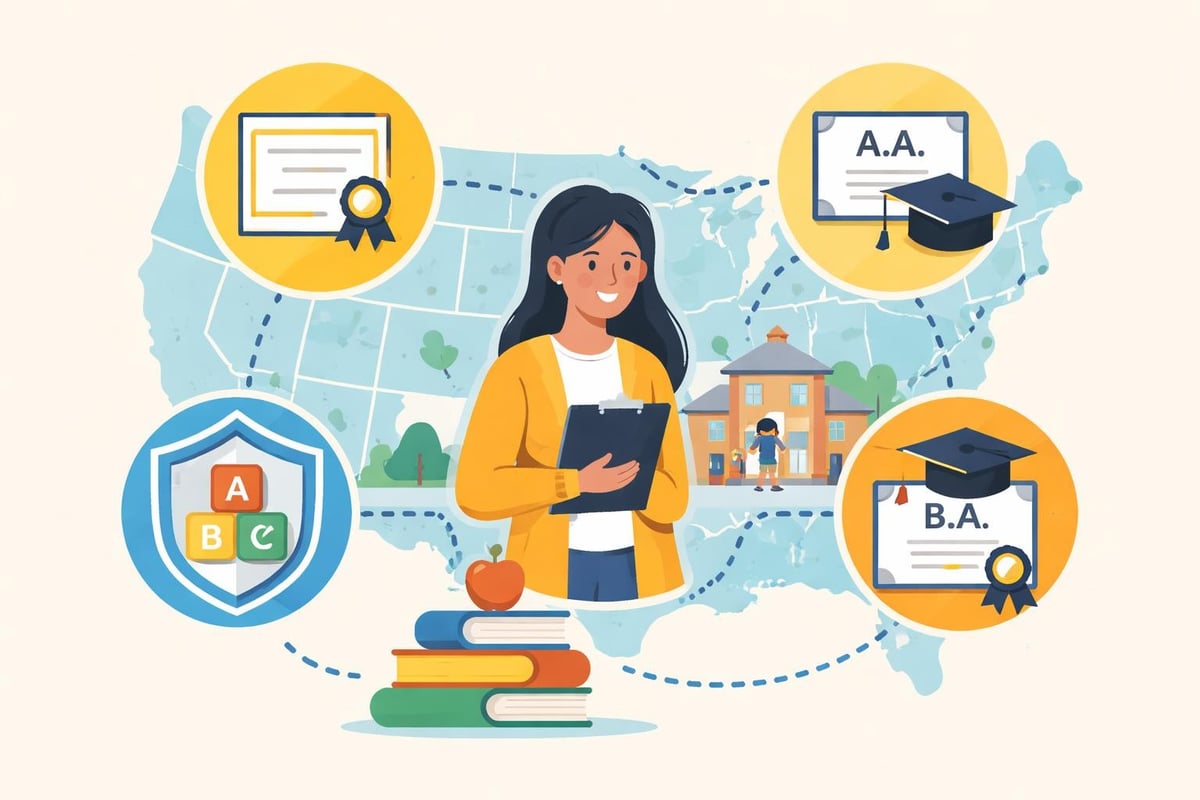
| Credential Level | Typical Education | Experience Required | Settings Where Accepted |
|---|---|---|---|
| Entry Level | High School + Training | 0-6 months | Assistant positions, some home care |
| CDA | 120 hours + Portfolio | 480 hours | Most childcare centers, home care |
| Associate Degree | 2-year degree | Varies by state | Centers, preschools, home care |
| Bachelor's Degree | 4-year degree | Student teaching | Public schools, head start, centers |
| Master's Degree | Graduate study | 1+ years | Administration, specialized programs |
Those operating in-home childcare settings face different requirements than center-based educators. While formal degree requirements may be less stringent for home-based providers in some states, licensing still requires completing specific training hours, health and safety certifications, and ongoing professional development.
Core Competencies and Certification Areas
Beyond formal degrees, the qualifications for early childhood education encompass specific competencies and specialized certifications that ensure providers can meet children's diverse needs.
Essential Knowledge Domains
Early childhood professionals must demonstrate competency across multiple domains. These include child development and learning, family and community engagement, assessment and observation, and creating inclusive learning environments.
Required competency areas typically include:
- Child growth and development (birth through age 8)
- Health, safety, and nutrition standards
- Curriculum planning and implementation
- Positive guidance and behavior management
- Family engagement and communication
- Cultural competency and inclusive practices
- Assessment and documentation
Many states require documentation of coursework or training in each domain. Pennsylvania’s early childhood education program demonstrates how these competencies integrate into formal diploma programs, ensuring graduates possess comprehensive knowledge across all essential areas.
Specialized Certifications
Beyond basic qualifications, many early childhood educators pursue specialized certifications to enhance their expertise and career opportunities. First aid and CPR certification stands as a universal requirement across virtually all settings and states, with most licensing bodies requiring current certification at all times.
Additional valuable certifications include:
- Infant and toddler specialist credentials
- Inclusion and special education endorsements
- Montessori certification
- Bilingual education credentials
- Director or administrator qualifications
Licensing and Registration Requirements
The path to obtaining proper credentials involves navigating state-specific licensing and registration processes that vary considerably across the country.
Home-Based Provider Licensing
For those establishing home childcare businesses, licensing requirements typically include background checks, home safety inspections, minimum training hours, and ongoing professional development. The specific number of training hours required before opening and annually thereafter differs by state, ranging from 10 to 40 hours initially and 12 to 30 hours per year for renewal.
Home providers must also meet health and safety standards that cover everything from emergency preparedness to safe sleep practices. Many states now require specialized training in topics like sudden infant death syndrome (SIDS) prevention, child abuse recognition and reporting, and medication administration.
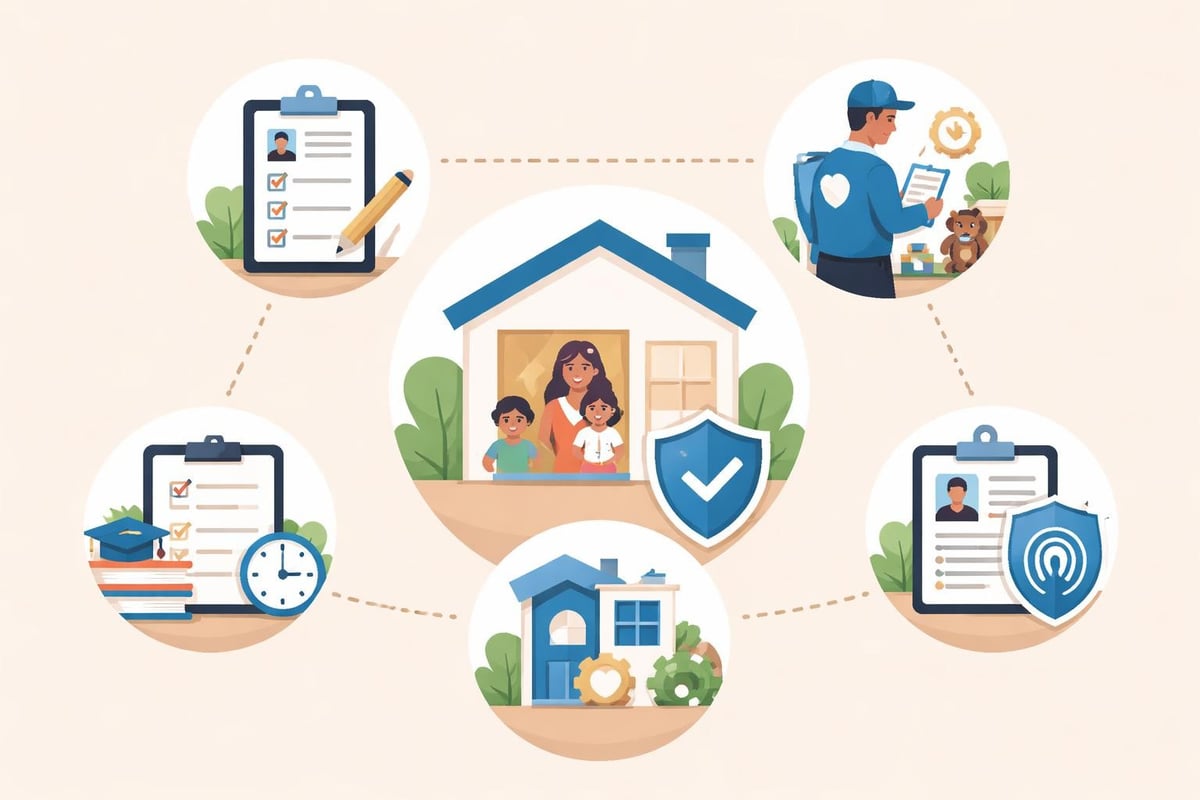
Understanding these requirements helps aspiring providers plan their pathway into home childcare effectively. Facilities like Step by Step Care maintain all necessary credentials and exceed minimum requirements to provide families with peace of mind.
Center-Based Credentialing
Center-based early childhood educators face different credentialing pathways depending on their roles. Lead teachers generally need higher qualifications than assistant teachers, while directors and administrators require additional credentials focused on business management and leadership.
| Position | Minimum Education | Additional Requirements | Typical Timeline |
|---|---|---|---|
| Assistant Teacher | High school diploma | 6-12 training hours | Entry level |
| Teacher | CDA or Associate degree | State certification | 1-2 years |
| Lead Teacher | Bachelor's preferred | Teaching license (some states) | 4+ years |
| Director | Bachelor's or higher | Management training | 5+ years |
Professional Development Pathways
The qualifications for early childhood education extend beyond initial credentials to include continuous professional growth throughout one's career.
Ongoing Education Requirements
Most states mandate ongoing professional development for license renewal. These requirements ensure educators stay current with research-based best practices and emerging trends in child development. Annual training hours typically range from 12 to 24 hours, with specific topics required in many jurisdictions.
Common required training topics include:
- Child development updates
- Health and safety refreshers
- Curriculum innovations
- Technology in early learning
- Trauma-informed care approaches
- Social-emotional development
Professional development can take many forms, from online courses and webinars to in-person workshops and conferences. Many educators pursue additional coursework through community colleges or universities while working, gradually advancing their credentials from CDA to associate degree to bachelor's degree over time.
Career Advancement Opportunities
Advanced qualifications open doors to leadership roles and specialized positions. Those who begin with basic certifications can strategically plan their educational pathway to align with career goals. For instance, Purdue’s licensure program provides a comprehensive checklist that helps aspiring educators understand the full scope of requirements for state certification.
The transition from classroom teacher to program director typically requires both advanced education and demonstrated experience. Most states require directors to hold at least a bachelor's degree plus additional training in business management, supervision, and program administration.
Academic Degree Programs and Coursework
For those pursuing formal degrees, understanding typical program requirements helps in planning your educational journey effectively.
Associate Degree Programs
Two-year associate degree programs in early childhood education provide comprehensive preparation for working directly with young children. These programs typically require 60-70 credit hours combining general education courses with specialized early childhood coursework.
Core courses usually cover child development theories, curriculum design, assessment methods, and family partnerships. Many programs include practicum experiences where students work directly with children under supervision, applying theoretical knowledge in real-world settings.
Bachelor's Degree Requirements
Four-year degree programs delve deeper into research, theory, and specialized applications. The University of Illinois program exemplifies the rigor expected in bachelor's programs, with specific admission requirements and recommended coursework for transfer students.
Bachelor's programs typically include:
- Advanced child development and psychology courses
- Curriculum development and instructional methods
- Assessment and evaluation techniques
- Diversity and inclusion studies
- Research methods and evidence-based practices
- Student teaching or extended practicum (typically one semester)

Graduates with bachelor's degrees qualify for positions in public school pre-K programs, which increasingly require the same credentials as elementary teachers. They also command higher salaries and have greater career advancement opportunities than those with only certificates or associate degrees.
Alternative Pathways and Credentials
Not everyone follows a traditional educational pathway into early childhood education. Several alternative routes exist for those transitioning from other careers or seeking flexible options.
Career Changers and Non-Traditional Students
Many successful early childhood educators begin their careers in other fields before discovering their passion for working with young children. Alternative certification programs cater to these career changers, offering accelerated pathways that build on existing education and life experience.
Post-baccalaureate certificate programs allow those with bachelor's degrees in other fields to earn early childhood credentials in as little as one year. These intensive programs focus exclusively on early childhood content and methods, often including evening and weekend classes to accommodate working adults.
Online and Hybrid Learning Options
The expansion of online education has made pursuing qualifications for early childhood education more accessible than ever. Many accredited institutions now offer CDA preparation, associate degrees, and even bachelor's degrees partially or entirely online.
Benefits of online programs include:
- Flexibility for working professionals
- Access to programs regardless of geographic location
- Self-paced learning options
- Often lower costs than traditional programs
However, all programs still require hands-on practicum experiences with children, which students complete at approved sites in their local areas. This ensures that online learners gain the same practical experience as traditional students.
Navigating Requirements in Different Settings
The specific qualifications needed depend heavily on the type of early childhood setting where you plan to work.
Public School Pre-K Programs
Public school systems typically hold early childhood educators to the same standards as elementary teachers. This means a bachelor's degree in early childhood education plus state teaching certification. Understanding early childhood teaching careers helps prospective educators grasp the full scope of opportunities across different settings.
Many states have specific birth-through-grade-three certifications that prepare teachers for both pre-K and early elementary grades. These certifications require student teaching experiences across the age range and passing scores on content area examinations.
Private Centers and Programs
Private childcare centers and preschools have more flexibility in setting their own requirements, though they must still meet state licensing minimums. High-quality programs often exceed minimum requirements, preferring to hire staff with associate or bachelor's degrees even when not legally required.
Head Start programs, federally funded early childhood programs serving low-income families, have specific credential requirements. At least fifty percent of teachers must hold associate degrees or higher in early childhood education or related fields, with lead teachers increasingly expected to have bachelor's degrees.
Home-Based Childcare Settings
Home childcare providers operate under different regulations than center-based programs. While some states require minimal formal education for licensed home providers, successful providers often pursue credentials voluntarily to enhance their professional knowledge and marketability to families. Understanding how much providers earn in early childhood education can help when planning your investment in credentials.
Home providers who maintain current certifications and pursue ongoing education demonstrate their commitment to quality care. This professional approach helps attract families seeking high-quality, developmentally appropriate care for their children.
Planning Your Credential Journey
Successfully navigating the qualifications for early childhood education requires strategic planning and understanding of your long-term career goals.
Creating Your Educational Roadmap
Start by researching specific requirements in your state and for your desired work setting. Contact your state's childcare licensing office to obtain current regulations and approved training providers. Many states provide clear guidance documents outlining pathways for different roles and settings.
Steps for planning your credential journey:
- Identify your target role and setting
- Research state and local requirements
- Assess your current education and experience
- Choose appropriate certification or degree program
- Create a timeline with milestones
- Budget for tuition, fees, and related costs
- Explore financial aid and scholarship opportunities
Consider starting with entry-level credentials like the CDA if you're new to the field. This allows you to begin working while pursuing higher credentials, providing both income and valuable experience. Many employers offer tuition assistance for continuing education, making it more feasible to advance your qualifications while working.
Financial Considerations and Support
Pursuing qualifications for early childhood education involves financial investment, but numerous funding sources exist. Federal financial aid, including Pell Grants and student loans, supports eligible students in associate and bachelor's degree programs. Many states offer scholarships specifically for early childhood education students, particularly those committed to working in underserved communities.
Employer tuition assistance programs provide another valuable resource. Many childcare centers and school districts offer partial or full tuition reimbursement for staff pursuing relevant degrees or certifications. This creates a win-win situation where employees advance their credentials while employers develop highly qualified teams.
Maintaining Credentials and Professional Standing
Earning qualifications marks the beginning, not the end, of professional development in early childhood education.
Renewal and Continuing Education
Most credentials require periodic renewal, typically every one to five years depending on the type of credential and state requirements. Renewal processes generally involve documenting completion of required continuing education hours and paying renewal fees.
Staying organized with training documentation becomes essential. Maintain a professional portfolio containing certificates, transcripts, and training completion records. Many states now offer online registry systems where educators can track their professional development hours and credentials electronically.
Professional memberships in organizations like the National Association for the Education of Young Children (NAEYC) provide access to high-quality professional development opportunities. These organizations offer webinars, conferences, publications, and networking opportunities that help educators stay current with best practices.
Ethics and Professional Standards
Beyond formal credentials, early childhood professionals must adhere to ethical standards and codes of conduct. NAEYC's Code of Ethical Conduct provides guidance on professional responsibilities to children, families, colleagues, and community.
Understanding and practicing these ethical principles demonstrates professionalism and commitment to the field. This includes maintaining confidentiality, treating all children and families with respect, engaging in continuous improvement, and advocating for policies that support children and families.
Pursuing the proper qualifications for early childhood education represents an investment in both your career and the children you'll serve. Whether you're just beginning your journey or advancing existing credentials, understanding the full scope of requirements helps you make informed decisions about your professional pathway. Step by Step Care maintains highly qualified, dedicated professionals who understand that credentials matter because children deserve the very best care and education during their critical early years. Contact us to learn how our commitment to professional excellence translates into exceptional care for your family.


