

Best Start Daycare: Finding Quality Early Care in 2026
Choosing the right childcare environment represents one of the most important decisions parents make during their child's early years. A best start daycare program provides more than just supervision-it creates the foundation for social, emotional, and cognitive development that shapes lifelong learning patterns. With increasing demand for quality childcare in 2026, understanding what distinguishes exceptional programs from average ones helps families make informed choices that align with their values and their child's developmental needs.
Understanding What Makes a Best Start Daycare Program
Quality childcare encompasses multiple dimensions that work together to create an enriching environment. The best start daycare options focus on comprehensive child development rather than simple custodial care.
Core Components of Exceptional Early Childcare
Outstanding daycare programs share several fundamental characteristics that support healthy child development. These elements create the framework for learning, growth, and positive early experiences.
Staff qualifications and training stand as the cornerstone of any quality program. Educators with formal early childhood education credentials understand developmental milestones, age-appropriate activities, and effective communication strategies. Stanford Medicine Children’s Health emphasizes staff qualifications as a critical factor when evaluating childcare options.
The physical environment matters tremendously. Safe, clean spaces with age-appropriate toys, books, and learning materials encourage exploration and discovery. Best start daycare facilities maintain organized areas for different activities-quiet reading corners, creative play zones, and outdoor spaces for physical development.

Child-to-Staff Ratios and Group Sizes
Appropriate ratios ensure each child receives adequate attention and supervision. Research consistently shows that lower ratios correlate with better developmental outcomes and fewer behavioral issues.
| Age Group | Recommended Ratio | Maximum Group Size |
|---|---|---|
| Infants (0-12 months) | 1:3 or 1:4 | 6-8 children |
| Toddlers (12-24 months) | 1:4 or 1:5 | 8-10 children |
| Two-year-olds | 1:6 or 1:7 | 12-14 children |
| Preschoolers (3-5 years) | 1:8 or 1:10 | 16-20 children |
Smaller groups create calmer environments where children feel secure and caregivers can respond promptly to individual needs. Home-based childcare settings naturally offer intimate group sizes that foster close relationships and personalized attention, which is why many families explore in-home childcare options as a best start daycare solution.
When to Start Your Daycare Search
Timing significantly impacts your ability to secure placement in your preferred program. Competition for quality childcare has intensified across the country, making early planning essential.
Optimal Timeline for Enrollment
Most experts recommend beginning your search 9-12 months before you need care. Getting on daycare waiting lists early increases your chances of securing a spot, especially in high-demand areas.
- During pregnancy: Research options and visit top programs
- 6-9 months before needed start date: Submit applications to multiple programs
- 3-6 months before: Confirm placement and complete enrollment paperwork
- 1-3 months before: Plan transition and visit with your child
Some families join waiting lists even before their baby is born, particularly in urban areas where demand exceeds supply. This proactive approach gives parents breathing room to evaluate options thoroughly rather than accepting whatever becomes available last minute.
Considering Your Child's Developmental Readiness
While logistics often drive timing decisions, considering your child's developmental stage ensures a smoother transition. Research on optimal daycare starting age reveals that children adapt to new environments differently based on their individual temperament and developmental progress.
Most children show readiness signs between 6-18 months, including:
- Established feeding and sleeping routines
- Comfort with separation for short periods
- Interest in social interaction with peers
- Physical mobility appropriate for group settings
- Responsiveness to basic instructions
Parents should balance practical needs with developmental considerations when choosing a start date. Quality programs like those offered through experienced providers work collaboratively with families to ensure smooth transitions at any age.
Evaluating Program Philosophy and Curriculum
The educational approach shapes daily experiences and long-term outcomes. Understanding different philosophies helps parents identify programs aligned with their priorities.
Common Early Childhood Educational Approaches
Best start daycare programs typically follow established educational frameworks or blend multiple approaches to create comprehensive curriculum.
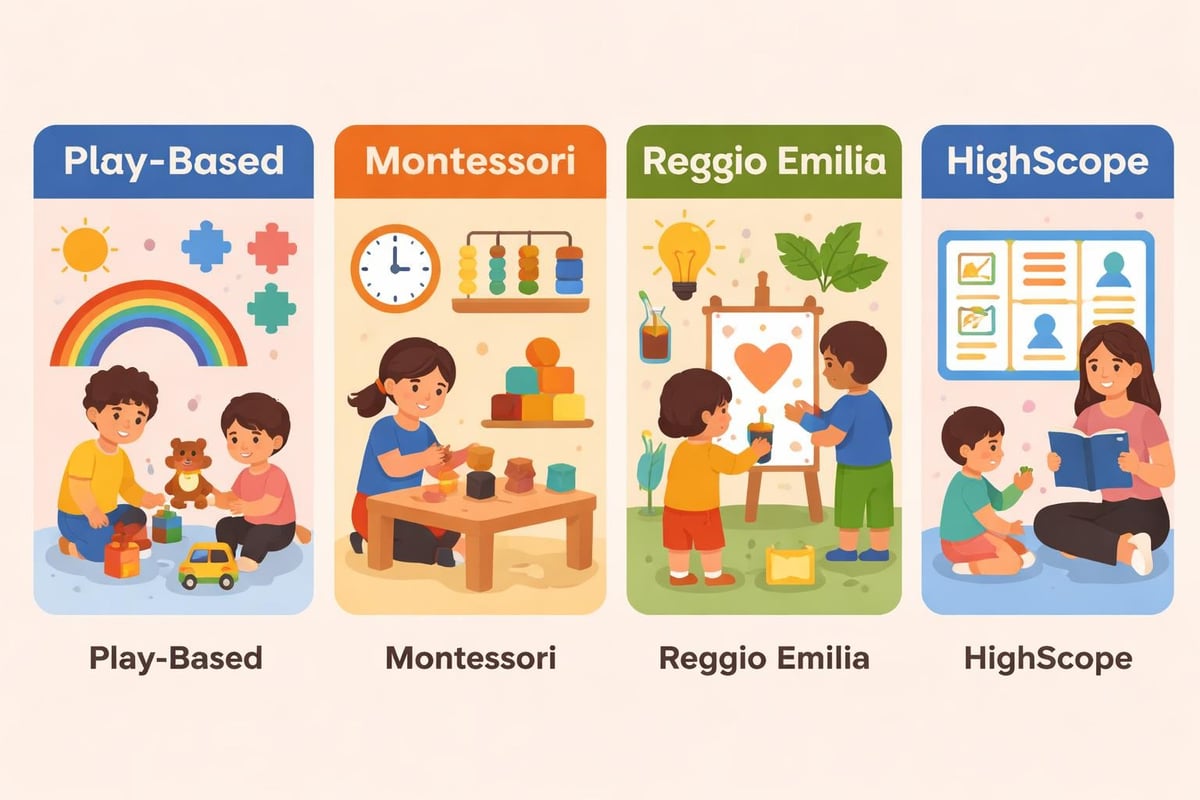
Play-based learning emphasizes child-directed exploration where children learn through hands-on experiences. This approach builds problem-solving skills, creativity, and social competence through structured and unstructured play opportunities.
Montessori methods focus on self-directed activity, hands-on learning, and collaborative play. Children make creative choices while teachers guide the learning process, fostering independence and concentration.
Reggio Emilia philosophy views children as capable learners who construct knowledge through relationships, exploration, and creative expression. This approach emphasizes project-based learning and documentation of children's work.
HighScope methodology follows a plan-do-review structure where children make choices about activities, engage in those activities, and then reflect on their experiences with teachers.
Home-based programs often blend these approaches, creating flexible environments responsive to individual children's learning styles and interests. Families can learn more about different daycare daily schedules that reflect various philosophical approaches.
Daily Structure and Learning Activities
Quality programs balance structured activities with free play, ensuring children experience diverse learning opportunities throughout the day. A typical best start daycare schedule includes:
- Circle time for social learning and language development
- Outdoor play for gross motor skill development
- Creative activities including art, music, and movement
- Quiet time for rest or independent reading
- Snack and meal times that teach nutrition and social skills
- Small group activities targeting specific developmental areas
The best programs document children's progress through observations, photos, and work samples, sharing this information regularly with families. This communication helps parents understand their child's growth and reinforces learning at home.
Safety and Health Standards in Quality Daycare
Comprehensive safety measures distinguish exceptional programs from mediocre ones. Parents should investigate both visible safety features and written policies that protect children's wellbeing.
Physical Safety Measures
Thorough childproofing creates secure environments where children can explore confidently. Essential safety features include:
- Secured gates and fences around outdoor play areas
- Outlet covers and corner guards throughout facilities
- Age-appropriate furniture sized for children
- Properly stored cleaning supplies and medications
- Emergency exits clearly marked and accessible
- Working smoke detectors and fire extinguishers
- Secured cabinets containing hazardous materials
Best start daycare providers conduct regular safety audits and maintain detailed inspection records. Many states require annual licensing inspections that verify compliance with safety regulations, though standards vary by location.
Health Protocols and Illness Policies
Clear health policies protect both individual children and the entire group from preventable illness. Quality programs establish specific guidelines about:
- Immunization requirements: Documentation of age-appropriate vaccinations
- Illness exclusion criteria: When sick children must stay home
- Medication administration: Procedures for giving prescribed medications
- Allergy management: Plans for children with food or environmental allergies
- Hygiene practices: Regular handwashing and sanitization schedules
Parents should review these policies during tours and ask how programs communicate with families about illness outbreaks or health concerns. Understanding expectations prevents misunderstandings when children inevitably experience minor illnesses.
The Role of Communication and Parental Involvement
Strong partnerships between caregivers and families enhance children's experiences and support consistent development across settings. The best start daycare programs prioritize transparent, frequent communication.
Daily Communication Methods
Modern technology enables real-time updates that help parents stay connected throughout the day. Common communication tools include:
| Method | Frequency | Information Shared |
|---|---|---|
| Daily reports | End of each day | Meals, naps, activities, diaper changes |
| Photos and videos | Throughout the day | Activity participation, milestones |
| Parent apps | Real-time | Instant messages, announcements |
| Monthly newsletters | Monthly | Curriculum themes, upcoming events |
| Parent-teacher conferences | Quarterly | Development progress, goals |
Programs that embrace multiple communication channels demonstrate commitment to partnership with families. Parents can review testimonials from other families to understand how different providers approach communication and relationship building.
Opportunities for Family Engagement
Beyond daily updates, quality programs create opportunities for families to participate directly in the childcare community. These might include:
- Volunteer opportunities during special events or field trips
- Family workshops on child development topics
- Social gatherings that build community among families
- Input opportunities for policy decisions or curriculum planning
- Family resource libraries with parenting books and materials
When families feel welcomed and valued as partners, children benefit from consistent messaging and stronger support systems spanning home and childcare environments.

Cost Considerations and Financial Planning
Understanding the full financial picture helps families budget appropriately and identify available assistance programs. Childcare represents a significant household expense that requires careful planning.
Typical Pricing Structures
Best start daycare programs use various pricing models based on factors including location, program type, and services offered. Average costs in 2026 vary considerably by region and setting.
Full-time care typically costs between $800-$2,500 monthly, with infant care commanding premium rates due to lower ratios. Part-time arrangements may offer flexibility for families needing fewer hours, though hourly rates often exceed full-time per-hour costs.
Home-based childcare generally costs 15-30% less than center-based care while maintaining quality standards. Families exploring home daycare options often discover more personalized attention at accessible price points.
Additional fees to anticipate include:
- Registration or enrollment deposits
- Annual supply fees
- Late pickup charges
- Optional enrichment activities
- Meal programs or special dietary accommodations
Financial Assistance Options
Several programs help families afford quality childcare. Understanding early childhood education funding opens pathways to accessible care.
Parents should investigate:
- Employer childcare benefits: Pre-tax dependent care accounts or direct subsidies
- State subsidy programs: Income-based assistance for eligible families
- Federal tax credits: Child and Dependent Care Credit on annual tax returns
- Sliding scale tuition: Programs adjusting fees based on family income
- Sibling discounts: Reduced rates for multiple children from one family
Planning ahead allows families to maximize available assistance and make informed decisions balancing quality with affordability.
Red Flags and Warning Signs to Avoid
While most childcare providers operate with children's best interests at heart, recognizing concerning patterns protects families from problematic situations.
Facility and Operational Concerns
Certain observations during tours or interactions should prompt additional questions or reconsideration:
- Unlicensed or unwilling to share licensing information
- Defensive responses to reasonable questions about policies
- Dirty or disorganized facilities with safety hazards
- Insufficient supervision with children left unattended
- High staff turnover indicating systemic problems
- Reluctance to allow unscheduled visits after enrollment
- Vague or inconsistent answers about curriculum or daily routines
Trust your instincts when something feels wrong. The best start daycare providers welcome questions, maintain transparent operations, and demonstrate genuine enthusiasm about their programs.
Staff Behavior and Interaction Patterns
Observing how caregivers interact with children reveals program culture and values. Warning signs include:
- Harsh tone or impatient responses to children's needs
- Excessive screen time or passive supervision
- Ignoring children's distress or conflicts
- Minimal engagement during activities
- Inappropriate discipline methods
- Lack of warmth or positive interactions
Quality caregivers demonstrate patience, enthusiasm, and genuine affection for the children in their care. Parents can learn about specific team members and their qualifications by exploring provider team pages when researching options.
Making the Final Decision
After researching, touring, and evaluating multiple programs, families must synthesize information and trust their judgment. No program is perfect, but the best choice aligns with your family's priorities and your child's needs.
Creating Your Comparison Framework
Systematically comparing programs prevents decision paralysis and ensures objective evaluation. Develop a scoring system based on your priorities:
| Program Name | Staff Qualifications | Safety/Cleanliness | Philosophy Match | Communication | Cost | Overall Score |
|---|---|---|---|---|---|---|
| Program A | 9/10 | 8/10 | 7/10 | 9/10 | 6/10 | 39/50 |
| Program B | 8/10 | 9/10 | 9/10 | 8/10 | 7/10 | 41/50 |
| Program C | 7/10 | 8/10 | 8/10 | 7/10 | 9/10 | 39/50 |
Weight categories differently based on what matters most to your family. Some prioritize cost while others emphasize educational philosophy or location convenience.
Trial Periods and Transition Planning
Many best start daycare programs offer trial days or gradual transition schedules that ease children into new routines. Take advantage of these opportunities to:
- Observe your child's response to caregivers and environment
- Identify any unexpected concerns before committing long-term
- Build familiarity gradually, reducing separation anxiety
- Establish communication patterns with providers
- Adjust your own schedule to accommodate drop-off and pickup
A thoughtful transition benefits everyone involved. Providers who offer flexible onboarding demonstrate understanding of children's emotional needs and family dynamics.
Understanding Licensing and Accreditation
Regulatory oversight provides baseline quality assurance, though requirements vary significantly by state and program type. Families should understand the difference between licensing and voluntary accreditation.
State Licensing Requirements
All regulated childcare programs must meet minimum standards for safety, health, and staff qualifications. These requirements typically address:
- Background checks for all staff and household members
- Facility inspections for safety hazards
- Minimum staff training hours
- Maximum group sizes and ratios
- Emergency preparedness plans
- Nutrition and food safety standards
Licensed programs undergo periodic inspections, with reports typically available through state childcare licensing agencies. Parents should always verify current licensing status and review recent inspection results before enrolling.
Voluntary Quality Accreditation
Beyond basic licensing, some programs pursue accreditation through national organizations demonstrating commitment to excellence. Major accrediting bodies include:
- NAEYC (National Association for the Education of Young Children)
- NAFCC (National Association for Family Child Care)
- NECPA (National Early Childhood Program Accreditation)
Accredited programs meet rigorous standards exceeding minimum licensing requirements. The process involves self-study, external validation, and ongoing quality improvement, signaling dedication to continuous enhancement.
While accreditation indicates quality, non-accredited programs may also provide excellent care. Consider accreditation as one factor among many when evaluating best start daycare options. Visiting the facility, observing interactions, and checking references often reveal more than credentials alone.
Building Long-Term Childcare Relationships
Once enrolled, nurturing positive relationships with caregivers enhances your child's experience and creates a supportive community. Successful partnerships require ongoing effort from both families and providers.
Maintaining Open Communication
Regular dialogue prevents small concerns from escalating into significant problems. Effective communication strategies include:
- Sharing relevant information about home routines or family changes
- Asking specific questions rather than general inquiries
- Providing feedback constructively and respectfully
- Acknowledging positive experiences and expressing appreciation
- Addressing concerns promptly and directly
The best start daycare providers value parental input and view families as essential partners in children's development. When mutual respect guides interactions, everyone benefits from collaborative relationships.
Supporting Your Child's Adjustment
Children adapt to new childcare situations at different paces. Supporting smooth transitions involves:
- Maintaining consistent drop-off routines
- Staying positive about the daycare experience
- Validating children's feelings while encouraging resilience
- Creating connection rituals like special goodbye waves
- Sharing daycare experiences through conversation at home
Parents might explore their chosen provider's photo galleries to see daily activities and discuss them with children, reinforcing positive associations with the childcare environment.
Trust develops gradually as children experience responsive care and families witness consistent quality. Patience during initial adjustment periods typically yields long-term comfort and confidence for everyone involved.
Finding the right childcare environment requires thoughtful evaluation of multiple factors, from safety standards and educational philosophy to communication practices and cost considerations. The best start daycare programs prioritize comprehensive child development, maintain transparent operations, and welcome families as active partners in children's early learning journeys. If you're seeking quality home-based childcare that combines personalized attention with professional expertise, Step by Step Care offers the nurturing environment where your child can thrive during these foundational years.


