

Childcare Near Home: Your 2026 Guide to Local Options
Finding quality childcare near home has become one of the most important decisions modern families face in 2026. With work-life balance considerations, commute times, and the desire to stay connected to your local community, the location of your child's care matters more than ever. Parents today are increasingly recognizing that proximity to home offers unique advantages that extend beyond simple convenience, creating opportunities for deeper family integration and emergency accessibility.
Understanding Your Childcare Near Home Options
When exploring care options in your immediate area, you'll discover several distinct types of arrangements, each offering unique benefits. Understanding what are my child care options can help you make an informed decision that aligns with your family's needs.
Home-Based Childcare Settings
Family childcare homes represent one of the most popular choices for families seeking childcare near home. These settings typically operate in a provider's residence, creating a warm, home-like environment where children receive personalized attention in smaller groups.
Benefits of home-based care include:
- Lower child-to-provider ratios
- Mixed-age group interactions
- Familiar neighborhood setting
- Flexible scheduling options
- More affordable pricing structures
In-home childcare environments often feel like an extension of your own family, which helps children transition more smoothly between home and care settings. This familiarity reduces stress for both parents and children.
Center-Based Programs
Childcare centers near your residence provide structured environments with multiple classrooms, age-separated groups, and comprehensive curricula. These facilities typically employ multiple staff members and offer extensive educational programming.
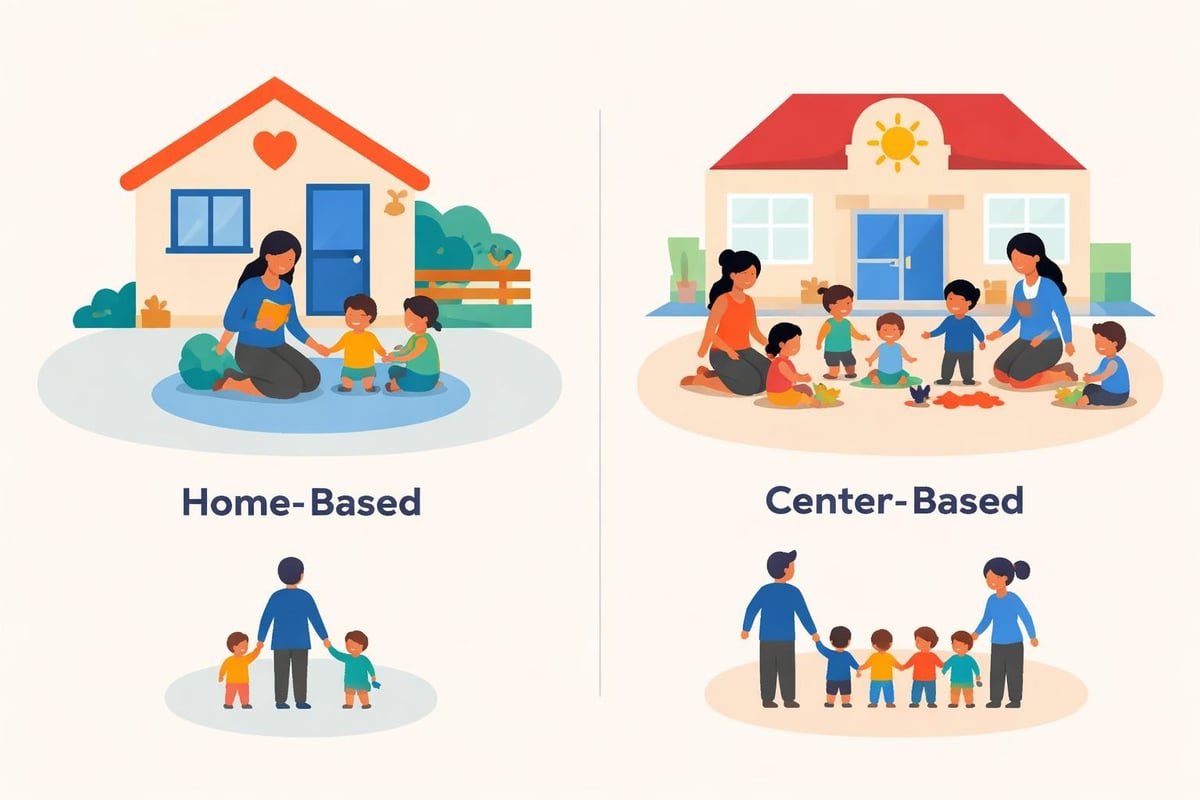
| Feature | Home-Based Care | Center-Based Care |
|---|---|---|
| Group Size | 4-8 children | 12-20+ children |
| Environment | Residential home | Commercial facility |
| Schedule | More flexible | Structured hours |
| Cost | Generally lower | Generally higher |
| Licensing | State-regulated | State-regulated |
The Benefits of Choosing Childcare Near Home
Selecting a provider close to your residence offers advantages that ripple through your entire family's daily routine. The proximity factor alone transforms how you manage unexpected situations and routine transitions.
Emergency Accessibility and Peace of Mind
When your child's care is minutes from home, you can respond quickly to illness, accidents, or other urgent situations. This accessibility reduces parental anxiety significantly.
Parents consistently report feeling more connected to their children's daily experiences when the care setting is nearby. You can easily drop in, attend special events, and build relationships with other local families who use the same provider.
Community Integration and Relationships
Choosing childcare near home strengthens your family's connection to your neighborhood. Children develop friendships with peers who live nearby, creating playdate opportunities and lasting relationships beyond care hours.
Community benefits include:
- Building relationships with neighborhood families
- Supporting local small businesses and providers
- Creating a sense of belonging for your child
- Easier coordination of carpools and activities
- Familiarity with local parks and resources
Daycare in Northern Virginia options demonstrate how regional providers create tight-knit communities that extend well beyond the care environment itself.
Simplified Daily Logistics
The practical advantages of nearby childcare cannot be overstated. Shorter commutes mean more family time, reduced fuel costs, and less stress during morning and evening transitions.
When evaluating whether to choose childcare near home or work, many families discover that home proximity offers superior flexibility for managing unexpected schedule changes and family emergencies.
What to Look for in Childcare Near Home
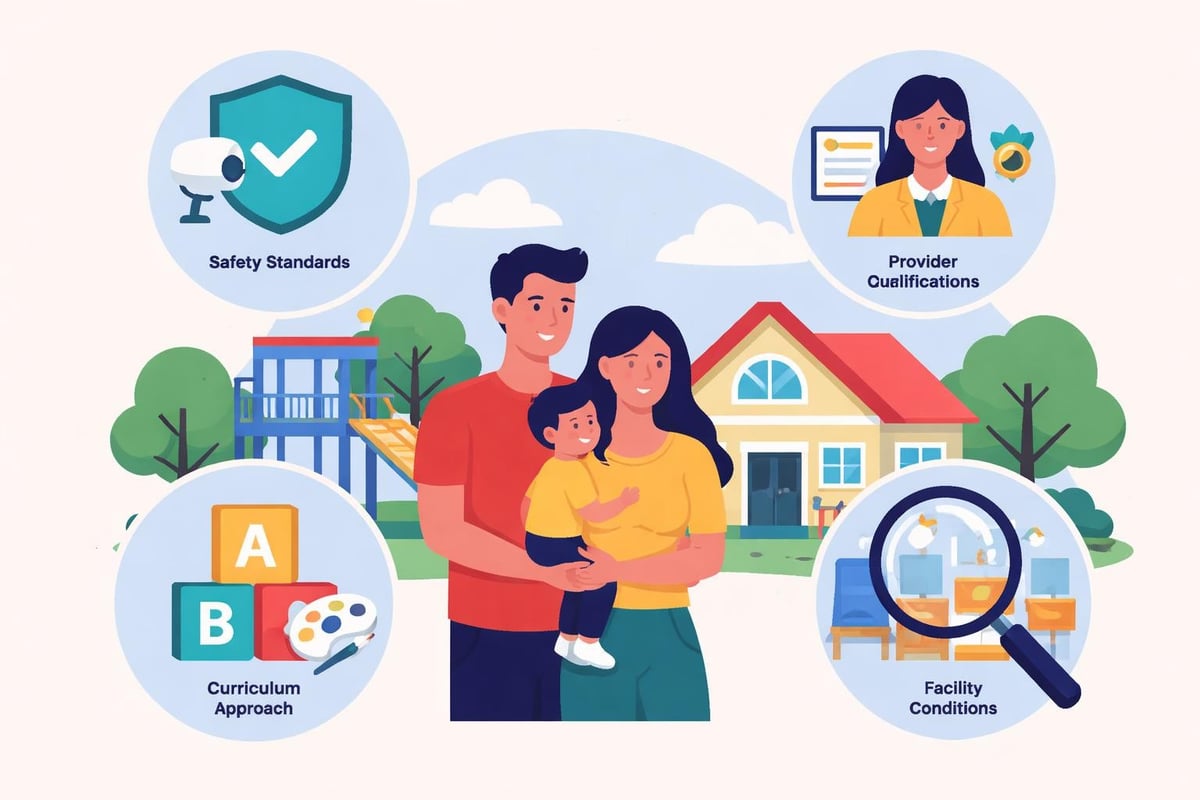
Not all nearby options are created equal. Your evaluation process should balance convenience with quality indicators that ensure your child receives excellent care.
Licensing and Safety Standards
Every childcare provider operating near your home should maintain current state licensing. This certification ensures the facility meets minimum safety standards, background check requirements, and operational guidelines.
Verification steps include:
- Requesting license numbers and expiration dates
- Checking with your state licensing agency
- Reviewing inspection reports
- Confirming liability insurance coverage
- Verifying CPR and first aid certification
The guidance on choosing quality childcare emphasizes that licensed providers near home offer accountability and oversight that protect your family.
Provider Experience and Philosophy
Understanding your potential provider's educational background, years of experience, and childcare philosophy helps determine whether their approach aligns with your parenting values.
During your initial consultation, ask about:
- Educational credentials and continuing training
- Years providing childcare services
- Discipline and behavior management approaches
- Daily schedule and activity planning
- Communication methods with families
- How they handle developmental milestones
Step by Step Care providers exemplify the importance of experienced, dedicated professionals who view childcare as a calling rather than just a job.
Environment and Curriculum Quality
The physical space and educational programming your child experiences daily shape their development significantly. A thoughtful infant daycare daily schedule demonstrates how structure and flexibility can coexist in quality programs.
| Quality Indicator | What to Observe | Questions to Ask |
|---|---|---|
| Physical Space | Cleanliness, organization, safety features | How often is deep cleaning performed? |
| Learning Materials | Age-appropriate toys, books, supplies | How are materials rotated and updated? |
| Outdoor Access | Safe play areas, equipment condition | What's the daily outdoor time policy? |
| Meal Planning | Nutritious options, allergen awareness | Can you accommodate dietary restrictions? |
How to Search for Childcare Near Home Effectively
Finding the right provider requires a systematic approach that combines online research, personal visits, and community recommendations.
Starting Your Search Process
Begin by identifying all licensed providers within your desired radius. Most states maintain searchable databases that allow you to filter by location, provider type, and capacity.
- Search state licensing databases for your zip code
- Request recommendations from neighbors and local parent groups
- Check online review platforms and community forums
- Contact local resource and referral agencies
- Visit provider websites and social media pages
The NYC guide to choosing a childcare program offers a framework that applies to any location when searching for quality care.
Conducting Thorough Facility Visits
Schedule visits at different times of day to observe how the provider interacts with children during various activities. Morning visits show arrival routines and morning activities, while afternoon visits reveal naptime procedures and late-day engagement.
What to observe during visits:
- How providers interact with children emotionally and verbally
- Children's engagement levels and apparent comfort
- Cleanliness and organization throughout the day
- Safety measures in practice, not just on paper
- Communication between staff members
- How transitions between activities are managed
Asking the Right Questions
Your question list should cover operational details, emergency procedures, and daily routines. The comprehensive guide to choosing childcare suggests preparing at least 20-30 questions before your visit.
Don't hesitate to ask difficult questions about discipline, staff turnover, illness policies, and backup care arrangements. Quality providers welcome thorough questioning as evidence of engaged parenting.
Evaluating Cost and Value for Childcare Near Home
Understanding the full financial picture helps you budget appropriately while recognizing that quality care represents an investment in your child's development.
Pricing Structures and Payment Options
Home-based childcare typically costs less than center-based programs, though pricing varies significantly by region, provider experience, and services included. In 2026, families should expect to invest between $800 and $2,000 monthly for full-time care, depending on location and program quality.
Most providers near your home offer several payment arrangements:
- Weekly or bi-weekly payment schedules
- Discounts for multiple children from the same family
- Part-time or drop-in rate options
- Flexible spending account compatibility
- Sliding scale fees based on income
Understanding how to pay for early childhood education can help you identify financial assistance programs and tax benefits that offset care costs.
Hidden Costs to Consider
Beyond base tuition, factor in additional expenses that affect your total childcare investment. Registration fees, supply costs, field trip charges, and late pickup fees can add hundreds of dollars annually.
| Expense Category | Typical Annual Cost | Notes |
|---|---|---|
| Registration/Enrollment | $50-$200 | One-time or annual |
| Supply Fees | $100-$300 | May include diapers, wipes |
| Activity/Field Trips | $50-$200 | Optional but encouraged |
| Late Pickup Penalties | $0-$500 | Avoidable with planning |
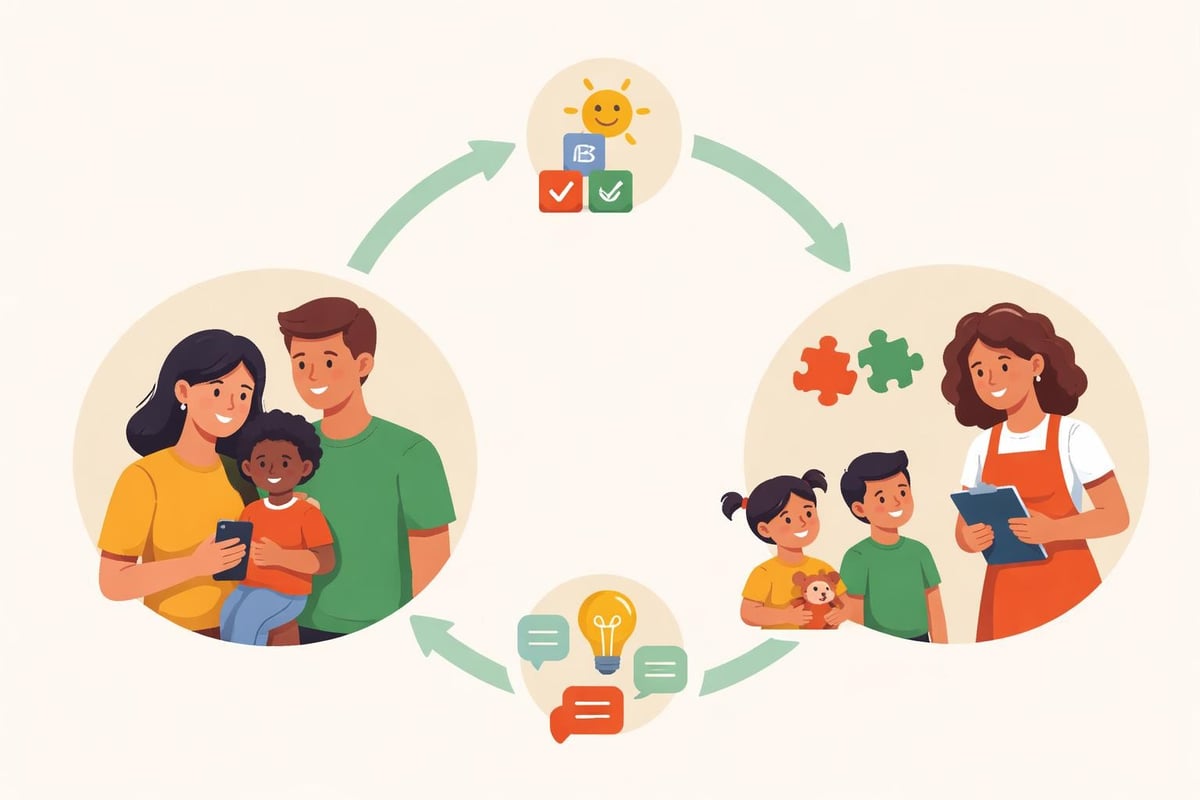
Building a Strong Relationship with Your Childcare Provider
Once you've selected childcare near home, nurturing a positive partnership with your provider ensures the best outcomes for your child.
Communication Best Practices
Daily communication creates transparency and builds trust between families and providers. Most quality programs offer multiple communication channels including daily reports, photo sharing apps, and regular conferences.
Establish expectations early regarding:
- Preferred contact methods and response times
- Information you want shared daily versus weekly
- How concerns should be addressed
- Scheduled update meetings or conferences
- Emergency communication protocols
Supporting Your Child's Transition
The adjustment period to new childcare varies by child's age and temperament. Supporting this transition requires patience, consistency, and collaboration with your provider.
Transition support strategies:
- Visit the setting together several times before the first day
- Maintain consistent drop-off and pickup routines
- Keep goodbyes brief but warm
- Share your child's preferences and comfort items with the provider
- Trust the provider's experience with transitions
- Remain positive and confident when discussing childcare at home
Making the Final Decision About Childcare Near Home
After researching, visiting, and evaluating multiple options, trust your instincts while weighing objective quality indicators. The guidance on choosing the right kind of childcare reminds parents that both head and heart matter in this decision.
Creating Your Decision Framework
Develop a scoring system that weighs factors according to your family's priorities. Some families prioritize educational curriculum, while others value flexibility or cost considerations most heavily.
Consider creating a comparison spreadsheet that includes:
- Overall quality rating (1-10 scale)
- Monthly cost and value assessment
- Distance from home in minutes
- Availability and waitlist status
- Provider credentials and experience
- Facility condition and safety features
- Your gut feeling and comfort level
Understanding Waitlists and Timing
Quality childcare near home often maintains waitlists, particularly for infant care. In 2026, securing a spot may require planning six to twelve months ahead of your needed start date.
Don't let waitlist placement deter you from pursuing your top choice. Many families secure temporary arrangements while waiting for their preferred provider to have availability.
Red Flags to Watch for When Choosing Childcare Near Home
Certain warning signs should give you pause, regardless of how conveniently located a provider might be.
Immediate concerns that warrant looking elsewhere:
- Reluctance to allow unannounced visits
- Inability to provide current licensing documentation
- Dirty or unsafe physical conditions
- High staff turnover mentioned by current families
- Vague answers about curriculum or daily activities
- No clear illness or emergency policies
- Uncomfortable feeling during your visit
Trust your parental instincts. If something feels wrong, continue your search even if you can't identify a specific problem.
Preparing for Your Childcare Near Home Start Date
Once you've committed to a provider, thorough preparation ensures a smooth beginning for everyone involved.
Documentation and Paperwork
Providers require extensive paperwork before your child's first day. Complete these forms promptly to avoid delays:
- Enrollment contracts and emergency contact forms
- Medical records and immunization documentation
- Dietary restriction and allergy information
- Permission forms for activities and outings
- Payment authorization and schedule agreements
Supply Preparation
Your provider will specify what items your child needs on-site. Creating an organized daycare daily schedule helps ensure you remember everything needed for successful days.
Typical supply lists include:
- Change of clothes appropriate for the season
- Diapers, wipes, and creams for younger children
- Comfort items like blankets or stuffed animals
- Labeled bottles, pacifiers, or sippy cups
- Weather-appropriate outerwear
- Any required medications with authorization forms
Finding quality childcare near home requires research, patience, and careful evaluation, but the investment pays dividends through convenience, community connection, and peace of mind. When you choose a provider close to your residence, you're not just selecting a care arrangement but integrating support into your neighborhood and daily life. Step by Step Care understands that families need more than just supervision; they need partners who share their commitment to nurturing development in a safe, engaging environment. Reach out today to discover how home-based care can transform your family's childcare experience while keeping you connected to your community.


