

Good Start Daycare: Building Foundations for Success
Choosing the right childcare environment for your little one represents one of the most important decisions you'll make as a parent. A good start daycare program sets the foundation for your child's future learning, social development, and overall well-being. Understanding what separates exceptional early childhood education from basic childcare helps parents make informed choices that benefit their children for years to come. Whether you're exploring home-based care or larger facilities, knowing the essential elements of quality programs empowers you to find the perfect match for your family's needs.
What Defines a Good Start Daycare Program
A good start daycare goes beyond simple supervision and babysitting. Quality programs integrate developmentally appropriate practices that support children's growth across multiple domains. These domains include cognitive development, physical skills, social-emotional learning, and language acquisition.
The hallmark of exceptional early childhood education lies in intentional teaching practices. Educators at quality programs don't simply watch children play-they actively facilitate learning through carefully planned activities and spontaneous teachable moments. This approach aligns with research-based best practices for school readiness that emphasize play-based learning and child-centered instruction.
Core Components of Quality Early Education
Several essential elements work together to create effective learning environments:
- Trained and responsive caregivers who understand child development
- Safe, stimulating physical environments with age-appropriate materials
- Structured daily routines that provide predictability and security
- Family engagement and open communication with parents
- Health and nutrition focus supporting overall wellness
- Cultural responsiveness honoring diverse backgrounds and traditions
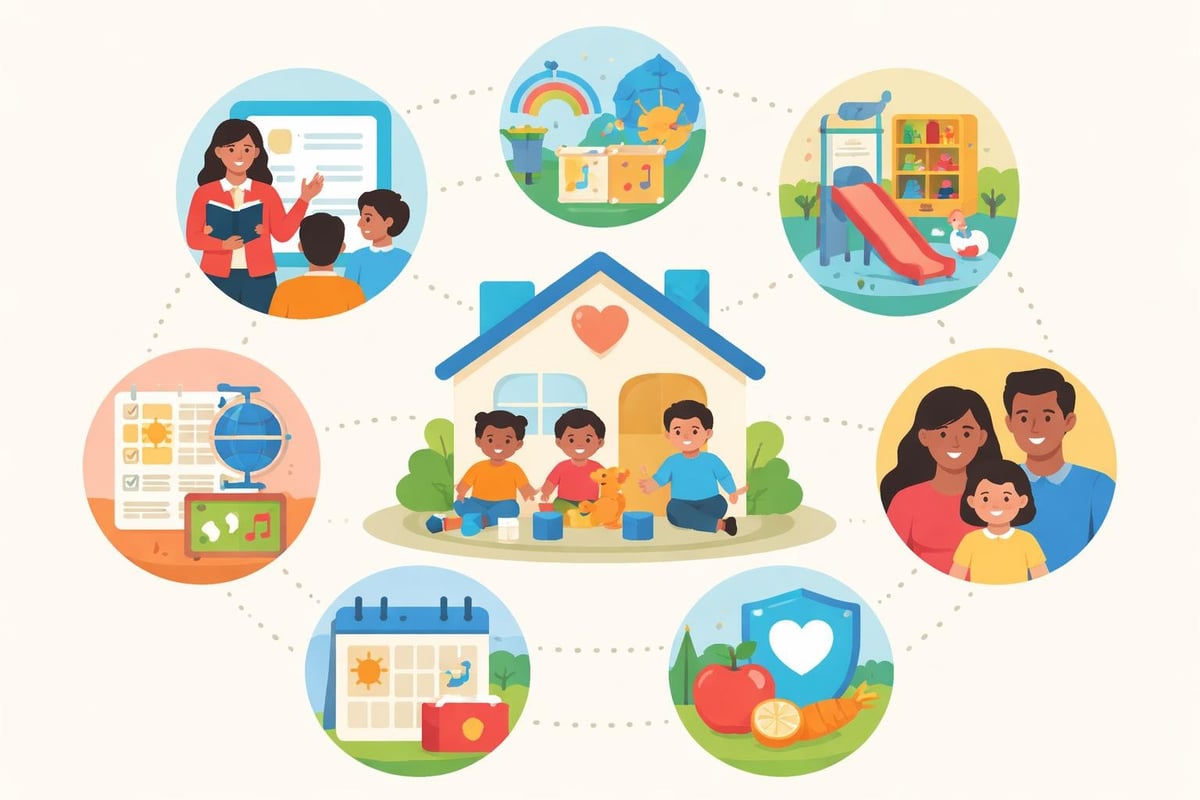
Programs that excel in these areas create environments where children thrive emotionally, socially, and academically. The CDC emphasizes the critical role of early care settings in promoting children's health through proper nutrition, physical activity, and healthy habits.
Curriculum Approaches in Quality Programs
A good start daycare implements curriculum frameworks that balance structure with flexibility. The most effective approaches recognize that young children learn best through active exploration and play.
Play-Based Learning Foundations
Play serves as the primary vehicle for learning in early childhood. Through play, children develop problem-solving skills, creativity, and social competence. Quality programs incorporate various play types:
| Play Type | Learning Benefits | Example Activities |
|---|---|---|
| Dramatic Play | Social skills, language, imagination | Kitchen center, dress-up, puppets |
| Constructive Play | Spatial reasoning, planning, fine motor | Blocks, LEGO, building materials |
| Physical Play | Gross motor, coordination, health | Outdoor time, dance, obstacle courses |
| Sensory Play | Scientific thinking, exploration | Sand, water, playdough, art materials |
Effective teaching strategies for early childhood education incorporate multi-sensory instruction that engages children through sight, sound, touch, and movement. This approach recognizes diverse learning styles and developmental timelines.
Daily Structure and Routine
While play-based learning provides flexibility, children benefit from predictable daily structures. A well-designed daycare daily schedule balances active and quiet times, group and individual activities, and indoor and outdoor experiences.
Quality programs typically include:
- Morning arrival and greeting establishing positive connections
- Circle time building community and calendar skills
- Learning centers allowing child-directed exploration
- Outdoor play promoting physical development
- Snack and mealtimes teaching nutrition and social skills
- Rest periods supporting physical and emotional regulation
- Afternoon activities reinforcing morning concepts
- Departure routines transitioning smoothly to home
This structured approach provides security while allowing room for spontaneous learning opportunities. Home-based programs offering in-home childcare often excel at creating intimate, flexible schedules tailored to small groups.
The Role of Caregiver-Child Relationships
The quality of interactions between caregivers and children fundamentally shapes developmental outcomes. A good start daycare prioritizes warm, responsive relationships built on trust and respect.
Research consistently shows that positive teacher-child interactions serve as the strongest predictor of school success. Children who experience nurturing relationships with caregivers develop secure attachments, emotional regulation skills, and confidence in exploring their environment.
Building Secure Attachments
Young children need consistent, responsive care to form secure attachments. Quality caregivers:
- Respond promptly to children's physical and emotional needs
- Use warm, encouraging language that builds self-esteem
- Maintain consistent routines that create predictability
- Recognize individual temperaments and adapt their approach
- Partner with families to ensure continuity of care
These practices prove especially important for infants and toddlers. Programs specializing in infant care understand that individualized attention supports healthy brain development during critical early months.
Communication and Language Development
Caregivers in quality programs engage children in rich conversations throughout the day. They ask open-ended questions, expand on children's utterances, and introduce new vocabulary in meaningful contexts.
Language-rich environments feature:
- Frequent read-alouds with engaging books
- Songs, rhymes, and fingerplays
- Back-and-forth conversations during routines
- Labels and print throughout the environment
- Storytelling and narrative development
This emphasis on communication builds foundational literacy skills that support later reading success. Quality programs recognize that language development occurs naturally through genuine interactions, not worksheets or rote memorization.
Health, Safety, and Nutrition Standards
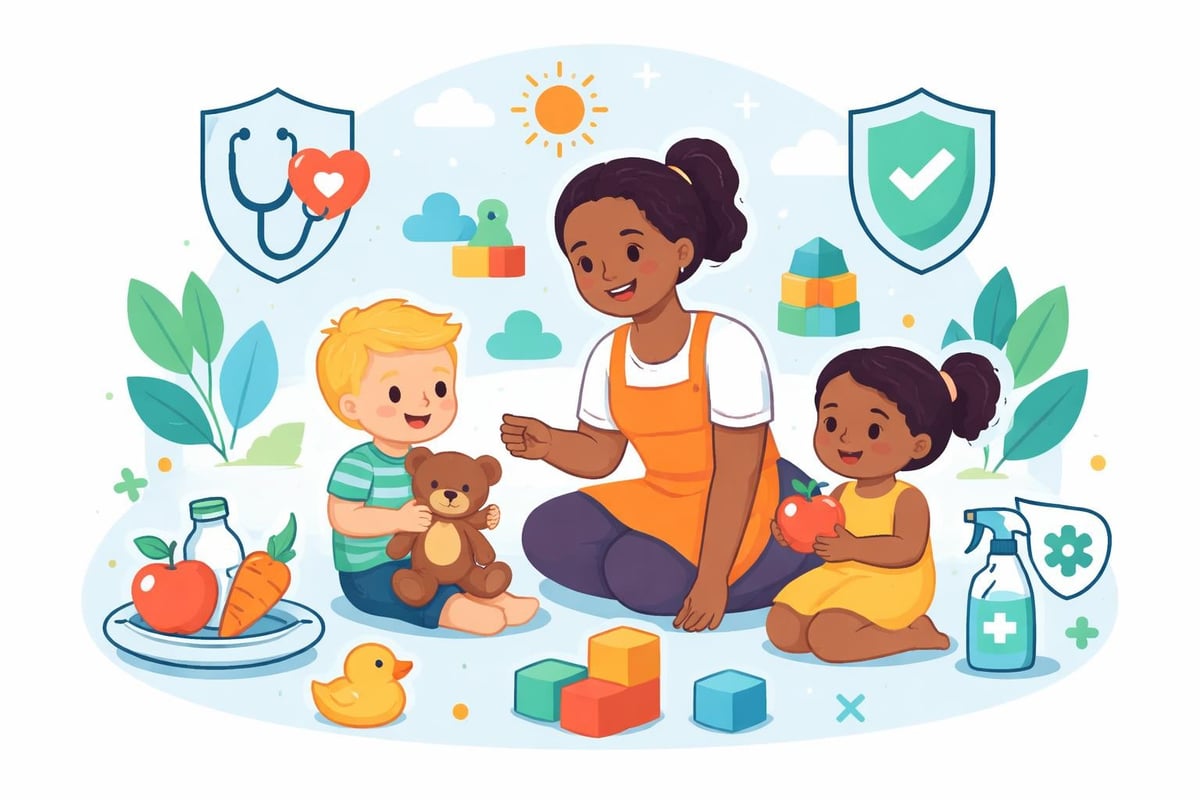
A good start daycare maintains rigorous health and safety protocols protecting children's physical well-being. These standards encompass facility maintenance, emergency preparedness, illness policies, and nutritional practices.
Creating Safe Environments
Physical safety requires constant vigilance and proactive planning. Quality programs conduct regular safety audits addressing:
- Secure entry systems preventing unauthorized access
- Age-appropriate furniture and equipment
- Covered electrical outlets and secured cabinets
- Clean, sanitized toys and surfaces
- Proper storage of hazardous materials
- Emergency evacuation plans and drills
Beyond physical safety, emotional safety matters equally. Children need environments free from bullying, harsh discipline, and negative interactions. Quality caregivers create inclusive spaces where all children feel valued and respected.
Nutritional Practices and Healthy Habits
Proper nutrition supports brain development, physical growth, and learning capacity. Good start daycare programs serve balanced meals and snacks meeting USDA guidelines for young children.
| Meal Component | Requirements | Examples |
|---|---|---|
| Fruits/Vegetables | 2-3 servings daily | Fresh berries, carrot sticks, apple slices |
| Whole Grains | At least 50% of grains | Whole wheat bread, brown rice, oatmeal |
| Protein | Varied sources | Beans, chicken, eggs, cheese |
| Dairy | Age-appropriate portions | Milk, yogurt, cheese |
| Limited Sugar | Minimal added sugars | Water instead of juice, fruit for dessert |
Programs also teach healthy habits through hand washing routines, tooth brushing after meals, and discussions about nutritious foods. These early experiences establish lifelong wellness patterns.
School Readiness and Kindergarten Preparation
A good start daycare prepares children for successful transitions to formal schooling. This preparation extends beyond academic skills to encompass social-emotional readiness, self-regulation, and independence.
Academic Foundations
Quality preschool programs introduce pre-literacy and numeracy concepts through playful, engaging activities. Children develop:
- Letter recognition through alphabet games and environmental print
- Phonological awareness via rhyming, syllable clapping, and sound isolation
- Number sense counting objects, comparing quantities, recognizing numerals
- Shape and pattern recognition through puzzles, blocks, and art
- Scientific thinking observing nature, conducting simple experiments
These skills emerge naturally when embedded in meaningful play rather than through formal instruction. Programs following developmentally appropriate practices recognize that pushing academic content too early can undermine children's natural curiosity and love of learning.
Social-Emotional Competencies
Kindergarten readiness depends heavily on social-emotional skills. Children need to:
- Separate from parents without excessive distress
- Follow directions and participate in group activities
- Regulate emotions when frustrated or disappointed
- Share materials and take turns with peers
- Resolve conflicts using words instead of aggression
- Attend to tasks for age-appropriate periods
Quality programs explicitly teach these skills through modeling, coaching, and structured activities. When children struggle, caregivers provide individualized support rather than punishment.
Family Partnerships and Communication
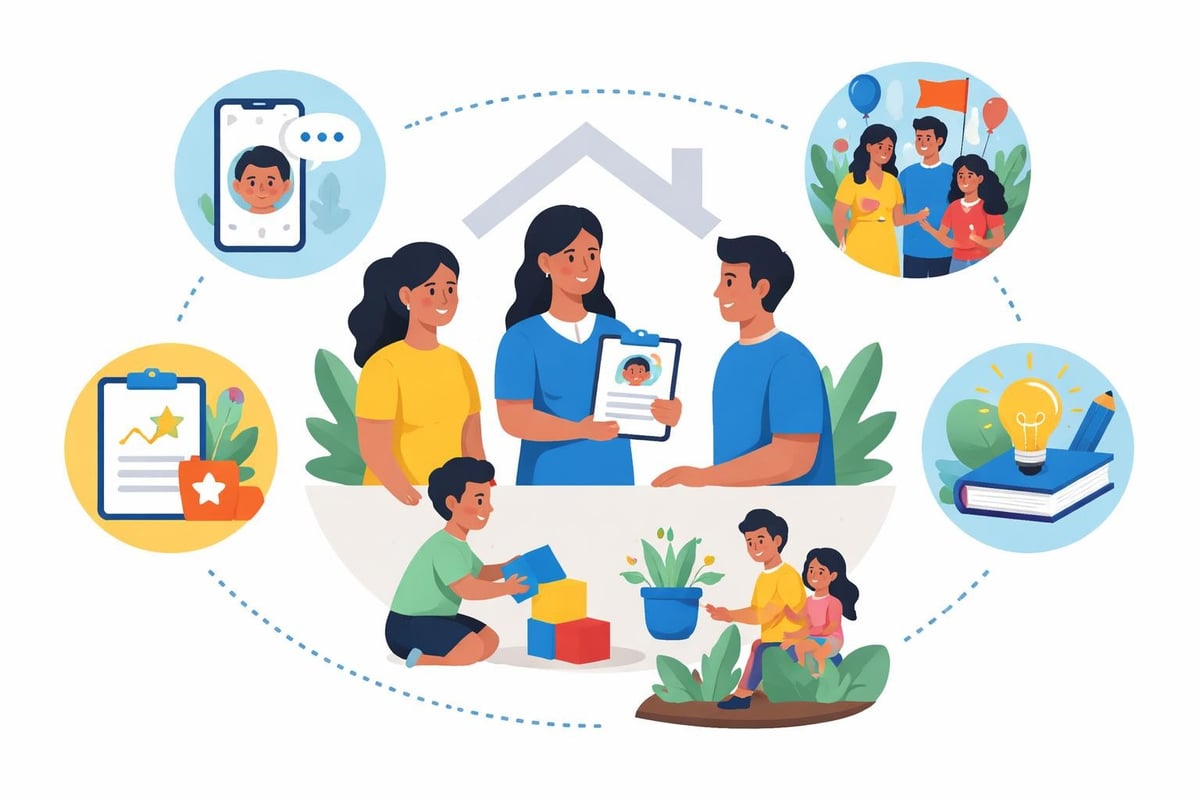
Effective early childhood programs recognize parents as children's first and most important teachers. A good start daycare establishes strong family partnerships built on mutual respect and regular communication.
Daily Communication Practices
Quality programs keep families informed about their children's experiences through:
- Daily reports documenting meals, naps, activities, and milestones
- Photos and videos capturing special moments
- Verbal conversations during pickup and drop-off
- Digital platforms enabling real-time updates
- Weekly newsletters highlighting upcoming themes and events
This ongoing communication helps parents feel connected to their children's daycare experiences. It also ensures consistency between home and childcare environments.
Family Engagement Opportunities
Beyond daily updates, quality programs invite family participation through:
- Parent-teacher conferences discussing developmental progress
- Family events celebrating cultures and traditions
- Volunteer opportunities in classrooms
- Parent education workshops on child development topics
- Family resource libraries with lending materials
Parents exploring childcare options can review parent reviews to understand how programs support family partnerships. Testimonials from current families provide valuable insights into communication practices and caregiver responsiveness.
Choosing the Right Program for Your Family
Selecting a good start daycare requires careful research and consideration of your family's unique needs. Start by identifying your priorities regarding location, hours, philosophy, and program type.
Key Questions for Prospective Programs
When touring facilities or contacting providers, ask about:
- Caregiver qualifications including education and experience
- Child-to-adult ratios and group sizes
- Curriculum approach and daily schedules
- Discipline policies and behavior management strategies
- Health and safety procedures including illness protocols
- Communication methods with families
- Staff turnover rates indicating program stability
Observe how caregivers interact with children during your visit. Look for warm, responsive relationships and engaged, happy children.
Home-Based versus Center-Based Care
Both home daycare and center-based programs offer advantages. Home-based settings typically provide:
- Smaller group sizes with mixed-age groups
- More flexible scheduling options
- Home-like environments with familiar routines
- Often lower costs than larger centers
- Intimate relationships with one primary caregiver
For families seeking personalized attention in nurturing environments, exploring quality home childcare options may provide the ideal solution. Home providers often develop deep bonds with children and families, creating extended support networks.
Cultural Responsiveness and Inclusion
A good start daycare celebrates diversity and creates inclusive environments where all children and families feel welcomed. Programs demonstrate cultural responsiveness through materials, curriculum, and daily practices.
Embracing Diverse Backgrounds
Quality programs:
- Display books, posters, and materials reflecting diverse cultures
- Celebrate various holidays and traditions
- Incorporate multiple languages in songs and activities
- Serve foods representing different cultural traditions
- Welcome family participation in sharing cultural practices
This approach helps all children develop positive cultural identities while learning to appreciate differences. Children gain early exposure to diversity, building foundations for respect and empathy.
Supporting Children with Special Needs
Inclusive programs accommodate children with developmental delays, disabilities, or special health needs. Quality providers collaborate with families and specialists to implement individualized support strategies ensuring full participation.
Inclusive practices benefit all children by:
- Teaching acceptance and understanding of differences
- Providing varied learning materials and approaches
- Building patience and helping behaviors
- Creating flexible environments meeting diverse needs
Programs committed to inclusion demonstrate adaptability and genuine care for every child's success.
The Long-Term Impact of Quality Early Education
Research consistently demonstrates that participation in quality early childhood programs produces lasting benefits. Children who attend a good start daycare show:
- Stronger academic skills through elementary school and beyond
- Better social-emotional competencies including self-regulation
- Higher graduation rates and college attendance
- Reduced special education placements due to early intervention
- Lower rates of grade retention because of solid foundational skills
These outcomes result from the combined effects of responsive caregiving, developmentally appropriate curriculum, and family engagement. The early years represent a critical window for brain development when experiences profoundly shape neural pathways.
Investment in Future Success
Quality early education represents an investment yielding substantial returns. Beyond individual child outcomes, communities benefit through:
- Reduced need for remedial education services
- Lower juvenile delinquency rates
- Increased workforce participation among parents
- Stronger economic productivity over generations
Understanding the value of early childhood education helps families prioritize quality care even when facing budget constraints. Many programs offer sliding fee scales, subsidies, or payment plans making quality care accessible.
Professional Development and Program Quality
Behind every good start daycare stands a team of dedicated, well-trained professionals committed to continuous improvement. Quality programs invest in ongoing staff development ensuring caregivers stay current with best practices.
Training and Credentials
Quality programs employ caregivers with:
- Early childhood education degrees or credentials
- First aid and CPR certification updated regularly
- Specialized training in areas like infant care, behavior guidance, or inclusion
- Professional development hours each year
- Membership in professional organizations promoting excellence
This foundation of knowledge enables caregivers to make informed decisions supporting children's development. Well-trained providers recognize developmental milestones, identify concerns early, and implement evidence-based teaching strategies.
Continuous Quality Improvement
The best programs regularly evaluate their practices and seek ways to enhance quality. They:
- Collect feedback from families through surveys and conversations
- Conduct self-assessments using quality rating tools
- Participate in professional learning communities with other providers
- Stay informed about research and emerging best practices
- Adapt curriculum based on children's changing interests and needs
This commitment to excellence ensures programs remain responsive to children's needs and aligned with current understanding of child development.
Finding a good start daycare that aligns with your family's values and meets your child's developmental needs sets the stage for lifelong learning success. The essential elements-qualified caregivers, developmentally appropriate practices, family partnerships, and safe environments-combine to create programs where children flourish. When you're ready to explore quality home-based childcare options that prioritize nurturing relationships and individualized attention, Step by Step Care provides the warm, educational environment your child deserves to thrive during these foundational years.


