

Springfield Daycare: A Comprehensive 2026 Guide for Parents
Finding the right childcare solution represents one of the most significant decisions parents face in their child's early years. When searching for springfield daycare options, families encounter numerous choices, each offering different philosophies, environments, and approaches to early childhood development. Whether you're seeking traditional center-based care or exploring home-based alternatives, understanding what makes quality childcare exceptional helps you make an informed decision that aligns with your family's values and your child's unique needs.
Understanding Springfield Daycare Options in 2026
The landscape of early childhood education has evolved significantly over the past several years. Parents exploring springfield daycare facilities today find a diverse marketplace that includes large institutional centers, faith-based programs, specialized educational academies, and intimate home childcare settings.
Traditional Daycare Centers
Large daycare centers typically serve multiple age groups in separate classrooms, offering structured programming with licensed teachers. These facilities often feature extensive resources, including dedicated play areas, specialized equipment, and comprehensive curricula. Finding the right childcare in Springfield requires understanding what each type of facility offers and how it matches your expectations.
Many centers provide:
- Age-specific curriculum development
- Multiple caregivers per classroom
- Extended operating hours
- Formal enrollment procedures
- Regular developmental assessments
Home-Based Childcare Programs
Home childcare represents a growing segment of the early education market, offering intimate settings where children receive personalized attention. These programs operate from licensed providers' homes, creating family-like environments with mixed-age groupings. In-home childcare provides benefits that larger centers cannot always replicate, including smaller group sizes, consistent caregiver relationships, and flexible scheduling.
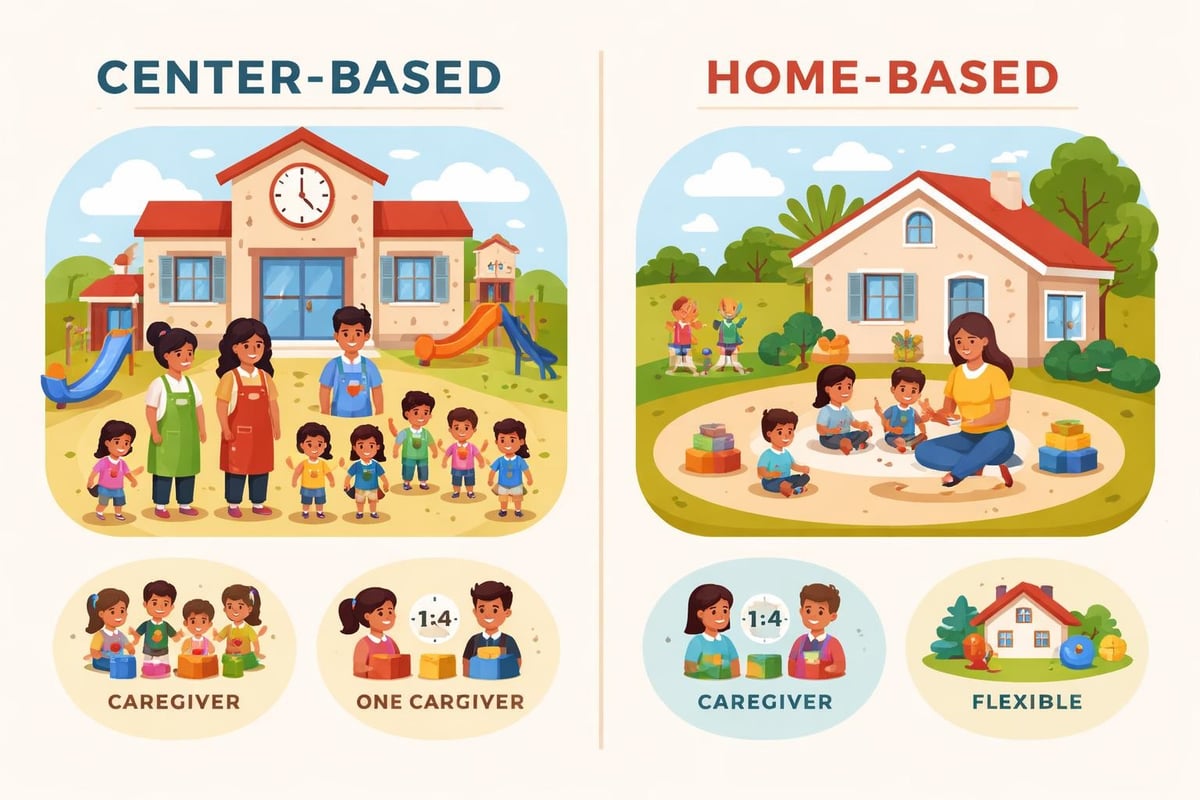
Home-based programs excel in several areas:
- Lower child-to-provider ratios
- Consistent primary caregiver relationships
- Home-like atmosphere reducing transition stress
- Flexible pick-up and drop-off times
- Multi-age socialization opportunities
What to Look for in Quality Springfield Daycare
Evaluating childcare quality requires examining multiple factors beyond basic licensing requirements. Springfield daycare facilities should demonstrate commitment to safety, education, and developmental appropriateness.
Safety and Health Protocols
Safety remains the foundation of quality childcare. In 2026, leading providers implement comprehensive protocols that exceed minimum regulatory standards. Health and safety measures have become increasingly sophisticated, incorporating lessons learned from recent public health challenges.
| Safety Category | Essential Elements | Questions to Ask |
|---|---|---|
| Facility Security | Controlled access, visitor logs, emergency exits | How do you manage entry? What's your emergency evacuation plan? |
| Health Monitoring | Daily health checks, illness policies, medication administration | How do you handle sick children? What are your exclusion policies? |
| Sanitation | Cleaning schedules, disinfection protocols, handwashing stations | How often are toys cleaned? What products do you use? |
| Staff Training | CPR/First Aid certification, background checks, ongoing education | What certifications do caregivers maintain? How often is training updated? |
Educational Philosophy and Curriculum
Understanding a provider's educational approach helps determine whether their methods align with your parenting philosophy. Some springfield daycare programs emphasize play-based learning, while others incorporate formal academic preparation. Still others follow specific methodologies like Montessori, Reggio Emilia, or Waldorf approaches.
Curriculum quality indicators include:
- Developmentally appropriate activities designed for specific age groups
- Balance between structured and free play allowing child-directed exploration
- Incorporation of early literacy and numeracy through natural, engaging experiences
- Social-emotional learning opportunities teaching cooperation, empathy, and self-regulation
- Creative expression through art, music, and movement
When visiting facilities, observe how teachers interact with children. Quality providers engage children in meaningful conversation, ask open-ended questions, and demonstrate genuine interest in children's thoughts and discoveries. Our blog explores various educational approaches and how they benefit different learning styles.
Staff Qualifications and Stability
The people caring for your child matter more than any facility feature. Research consistently shows that caregiver qualifications and low staff turnover correlate strongly with positive child outcomes.
Essential qualifications include:
- Early childhood education credentials or degrees
- Ongoing professional development participation
- Experience working with specific age groups
- Understanding of child development milestones
- Communication skills with both children and parents
High staff turnover disrupts children's attachment security and educational continuity. Ask about retention rates and what the program does to support staff satisfaction and professional growth.
Navigating Springfield Daycare Costs and Availability
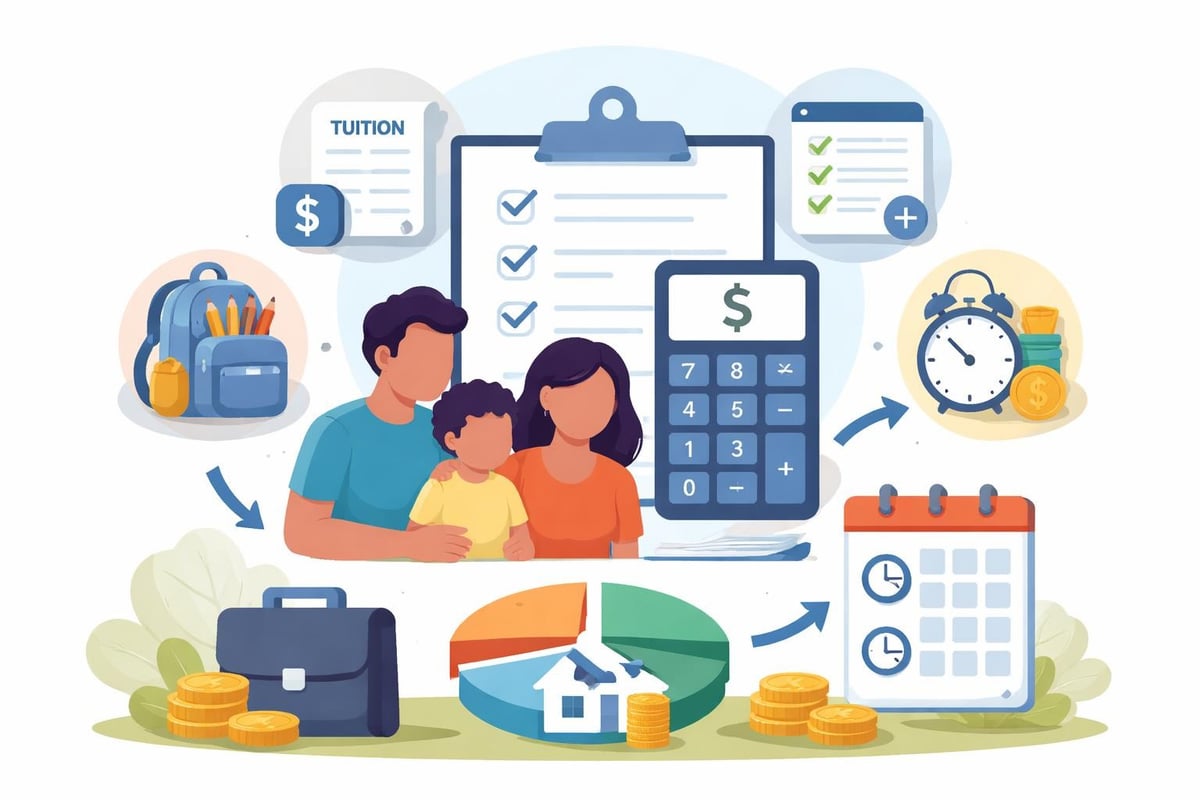
Childcare represents a significant family expense. Understanding pricing structures and what factors influence costs helps families budget appropriately and identify value.
Cost Considerations
Springfield daycare costs vary widely based on location, program type, child age, and services provided. Infant care typically commands premium pricing due to required lower ratios. As children age into toddler and preschool groups, costs generally decrease.
Typical cost factors:
- Age of child – Younger children require more intensive care
- Full-time versus part-time enrollment – Many programs offer schedule flexibility
- Program type – Centers, home-based care, and specialized programs price differently
- Location – Urban areas typically cost more than suburban or rural settings
- Additional services – Meals, transportation, extended hours, or specialized instruction
Parents should inquire about all fees, including registration, materials, field trips, and late pick-up charges. Understanding the complete financial picture prevents surprises. Resources like daycare cost information for Springfield, IL provide market benchmarking data.
Availability Challenges
Finding openings in quality programs remains challenging in many Springfield communities. Community planning initiatives work to address childcare shortages, but parents often face waitlists.
Strategies for securing spots:
- Begin your search early, ideally during pregnancy or at least six months before needed
- Apply to multiple programs to increase options
- Maintain communication with preferred providers about waitlist status
- Consider flexible start dates if possible
- Explore backup care arrangements while waiting
Making Your Springfield Daycare Decision
Choosing childcare involves both logical evaluation and emotional comfort. The best springfield daycare for one family may not suit another due to different priorities, schedules, and child temperaments.
The Selection Process
Create a systematic approach to comparing options:
| Step | Action Items | Timeline |
|---|---|---|
| Research | Compile list of potential providers, read reviews, check licensing | 3-4 months before need |
| Initial Contact | Phone or email to verify openings, costs, basic information | 2-3 months before need |
| Tours | Schedule visits, observe classrooms, meet staff | 2-3 months before need |
| Follow-up | Check references, review contracts, ask additional questions | 1-2 months before need |
| Decision | Compare notes, discuss with partner, make selection | 1 month before need |
| Enrollment | Complete paperwork, pay deposits, prepare for start | 2-4 weeks before start |
During tours, bring a childcare selection checklist to ensure you evaluate all important factors consistently across providers.
Questions to Ask During Tours
Prepare thoughtful questions that reveal how programs operate:
- What does a typical day look like for my child's age group?
- How do you handle discipline and challenging behaviors?
- What's your policy on screen time and technology?
- How do you communicate with parents about daily activities and concerns?
- What happens during illness or when my child seems upset?
- How do you support children's individual interests and learning paces?
- What opportunities exist for parent involvement and participation?
Pay attention not just to answers but to how staff respond. Knowledgeable, enthusiastic providers who speak specifically about their practices demonstrate professionalism and expertise.
Red Flags to Watch For
Certain warning signs should give parents pause:
- Reluctance to allow unscheduled visits or observations
- Insufficient supervision or high child-to-caregiver ratios
- Unsafe physical environments with hazards or poor maintenance
- Stressed, unhappy, or disengaged staff members
- Children appearing bored, upset, or unsupervised
- Lack of clear policies or inconsistent rule enforcement
- Poor communication or defensive responses to questions
Trust your instincts. If something feels wrong during a visit, explore other options. Your comfort and confidence in your child's care provider significantly impacts your family's wellbeing. Resources like parent reviews help identify what other families value in their childcare experiences.
Special Considerations for Different Age Groups
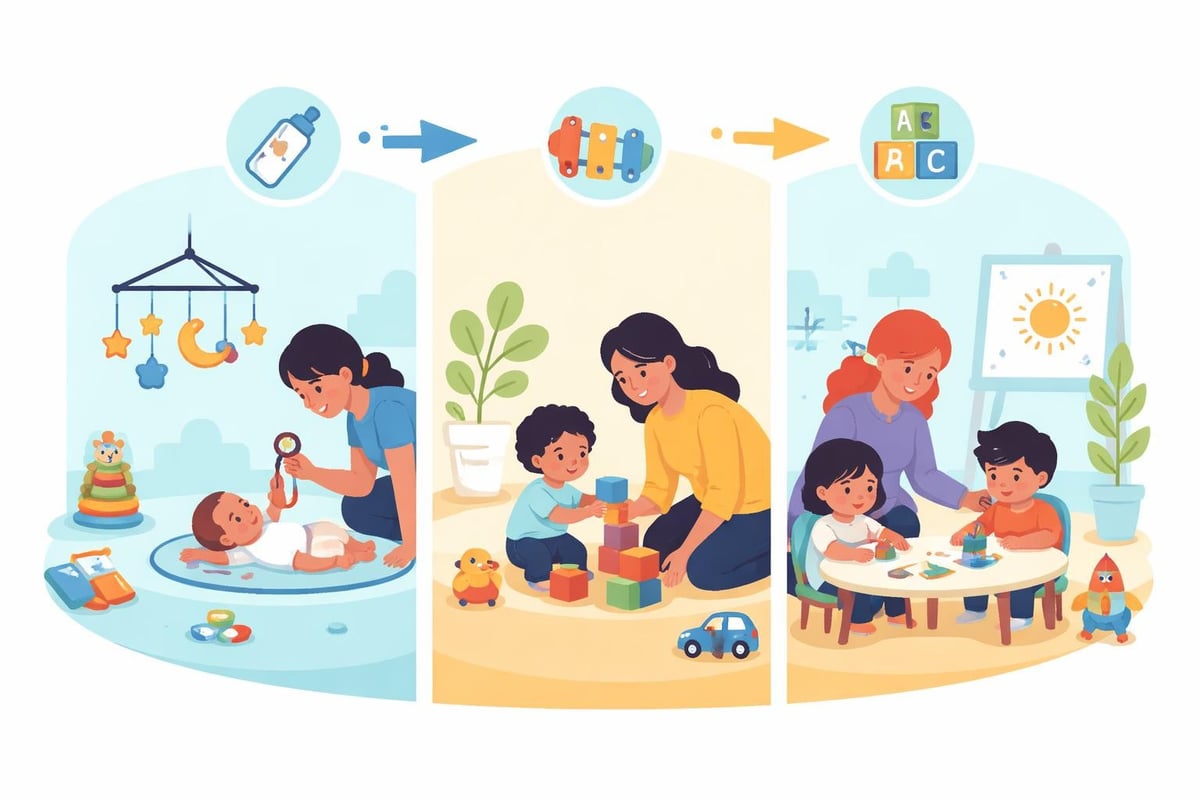
Children's needs change dramatically from infancy through preschool years. Quality springfield daycare programs adapt their approaches based on developmental stages.
Infant Care Essentials
Babies require responsive, nurturing care from consistent caregivers. Infant programs should maintain low ratios, typically one caregiver for every three to four babies.
Critical infant care elements:
- Respect for individual sleep and feeding schedules
- Gentle, responsive interactions supporting attachment
- Safe sleep practices following current guidelines
- Tummy time and motor skill development activities
- Communication logs detailing feedings, diaper changes, and moods
Understanding infant daycare daily schedules helps parents know what to expect and how programs structure their day.
Toddler Program Features
Toddlers need safe spaces for exploration, language development support, and guidance navigating big emotions. Programs serving this age group balance freedom with necessary boundaries.
Effective toddler care includes:
- Opportunities for active play and sensory exploration
- Simple routines providing security and predictability
- Language-rich environments with books, songs, and conversation
- Patience with developing independence and autonomy
- Positive guidance techniques supporting emotional regulation
Preschool Readiness
Three- to five-year-olds benefit from programs emphasizing school readiness skills while maintaining playful, engaging approaches. Quality preschool programs develop academic foundations alongside social competencies.
Preschool program strengths:
- Pre-literacy activities including letter recognition and phonemic awareness
- Mathematical thinking through counting, patterns, and problem-solving
- Scientific exploration encouraging observation and questioning
- Cooperative play developing friendship and teamwork skills
- Fine motor practice preparing for writing and self-care tasks
The Home Childcare Advantage
While researching springfield daycare options, don't overlook home-based providers. These programs offer distinctive benefits particularly valuable for infants, toddlers, and families seeking personalized care.
Personalized Attention and Flexibility
Home childcare providers typically serve smaller groups, allowing deeper relationships with each child. This intimacy supports individualized learning and care that responds to each child's unique temperament, interests, and pace.
Flexibility represents another significant advantage. Home providers often accommodate non-traditional schedules, provide care during minor illnesses, and adapt to family circumstances more readily than larger institutions. Services from home-based programs can be tailored to meet specific family needs.
Family-Like Environment
Children in home childcare experience mixed-age groupings similar to family structures. Younger children learn from older peers, while older children develop leadership and nurturing skills. This natural mentoring creates rich social learning opportunities.
The home environment itself offers benefits:
- Familiar, comfortable settings reducing stress
- Real-life learning experiences like cooking, gardening, and household tasks
- Outdoor access for nature exploration
- Flexible spaces accommodating various activities
- Homelike routines including family-style meals
Cost Effectiveness
Home childcare often costs less than center-based care while maintaining quality. Lower overhead allows providers to offer competitive pricing without sacrificing program quality or caregiver compensation.
Building Strong Provider Partnerships
Once you've selected a springfield daycare program, nurturing a positive relationship with your provider supports your child's success and your peace of mind.
Communication Best Practices
Establish clear communication channels from the beginning:
- Discuss preferred methods and frequency for updates
- Share relevant information about your child's temperament, preferences, and needs
- Ask questions when confused or concerned
- Provide feedback on what's working and what could improve
- Attend parent meetings, conferences, and events when possible
Regular communication helps providers understand your expectations and allows you to stay connected to your child's daily experiences. Many programs now use apps or online platforms for real-time updates, photos, and messaging.
Supporting Transitions
Starting childcare represents a major transition for both children and parents. Ease adjustment by:
- Visiting the program together before the start date
- Maintaining consistent drop-off routines
- Keeping goodbyes brief and positive
- Trusting providers to comfort your child after departure
- Being patient with regression or behavior changes
Most children adapt within a few weeks, though some require longer adjustment periods. Consistent attendance helps establish new routines more quickly than sporadic scheduling. Understanding typical daycare daily schedules helps children know what to expect.
Handling Concerns and Conflicts
Issues occasionally arise in any childcare relationship. Address concerns promptly and professionally:
- Request private conversations rather than discussing issues during busy drop-off or pick-up times
- Focus on specific observations rather than general complaints
- Listen to provider perspectives and explanations
- Collaborate on solutions rather than demanding changes
- Follow up to ensure agreed-upon adjustments occur
Most concerns resolve through direct, respectful communication. If problems persist or you encounter serious safety issues, don't hesitate to seek alternative care.
Community Resources and Support
Springfield families have access to various resources supporting their childcare search and early education needs.
Childcare Referral Services
Professional referral agencies help match families with appropriate providers based on location, schedule, age, and preferences. These free services maintain databases of licensed programs and can expedite your search.
Comprehensive directories provide searchable databases allowing you to filter by specific criteria and compare multiple options efficiently.
Quality Rating Systems
Many states implement quality rating and improvement systems helping parents identify programs exceeding minimum licensing standards. These ratings consider factors like staff qualifications, curriculum quality, learning environments, and family engagement.
Look for programs participating in quality improvement initiatives, which demonstrate commitment to continuous enhancement.
Financial Assistance Programs
Childcare costs strain many family budgets. Investigate available assistance:
- State childcare subsidies for income-eligible families
- Employer-sponsored flexible spending accounts or dependent care benefits
- Tax credits for childcare expenses
- Sliding fee scales offered by some providers
- Scholarships or reduced rates for siblings
Exploring payment options for early childhood education helps families identify all available financial resources.
Community Initiatives
Local organizations work to expand childcare access and quality. Community planning projects identify gaps in service, advocate for increased funding, and support provider professional development. Staying informed about these efforts helps you understand the broader childcare landscape.
Recent developments like new program openings demonstrate community responsiveness to childcare needs. When new facilities open, they expand options for families previously facing limited choices.
Planning for Long-Term Childcare Success
Your childcare needs will evolve as your child grows. Thinking ahead helps ensure continuity and smooth transitions.
Considering Multi-Year Arrangements
Some families prefer staying with one provider from infancy through preschool, while others transition between programs as needs change. Each approach offers advantages:
Staying with one provider:
- Maintains consistent relationships and routines
- Deepens provider understanding of family values and child temperament
- Simplifies logistics and reduces transition stress
- Often includes sibling discounts
Transitioning between programs:
- Allows selection of age-specialized programs
- Provides exposure to different educational approaches
- May offer cost savings as children age
- Introduces new social groups and experiences
Backup Care Planning
Even with reliable primary childcare, circumstances occasionally require alternatives. Develop backup plans for:
- Provider illness or vacation closures
- Child illness exceeding program exclusion policies
- Weather emergencies or facility closures
- Work schedule changes requiring different hours
Options include trusted family members, backup care services, or informal arrangements with other parents from your program.
Monitoring Ongoing Quality
Don't assume quality remains constant after enrollment. Continue observing and evaluating:
- Your child's happiness and eagerness to attend
- Developmental progress and skill acquisition
- Provider communication and responsiveness
- Facility maintenance and safety
- Staff consistency and morale changes
Regular reassessment ensures your springfield daycare arrangement continues meeting your family's needs. If you notice concerning changes, address them promptly or consider alternatives.
Selecting quality childcare requires careful research, thoughtful evaluation, and trust in your parental instincts. The investment you make in finding the right springfield daycare pays dividends in your child's development, your work-life balance, and your family's overall wellbeing. When you're ready to explore personalized home childcare that prioritizes individual attention, flexible scheduling, and family-like warmth, Step by Step Care offers the nurturing environment where your child can thrive while you work with confidence and peace of mind.


