

My Second Home Daycare: A Parent’s Complete Guide
When parents search for quality childcare, they often seek more than just supervision. They want an environment where their children feel secure, loved, and stimulated. The concept of "my second home daycare" represents this ideal: a place that combines professional early childhood education with the warmth and familiarity of a home setting. For families considering home-based childcare options, understanding what distinguishes exceptional programs from average ones can make all the difference in their child's developmental journey.
Understanding the Home Daycare Model
Home daycare providers offer childcare services within a residential setting, creating an intimate atmosphere that larger institutional centers cannot replicate. This model has gained considerable momentum in recent years as parents recognize the benefits of smaller group sizes and individualized attention.
The Distinctive Characteristics
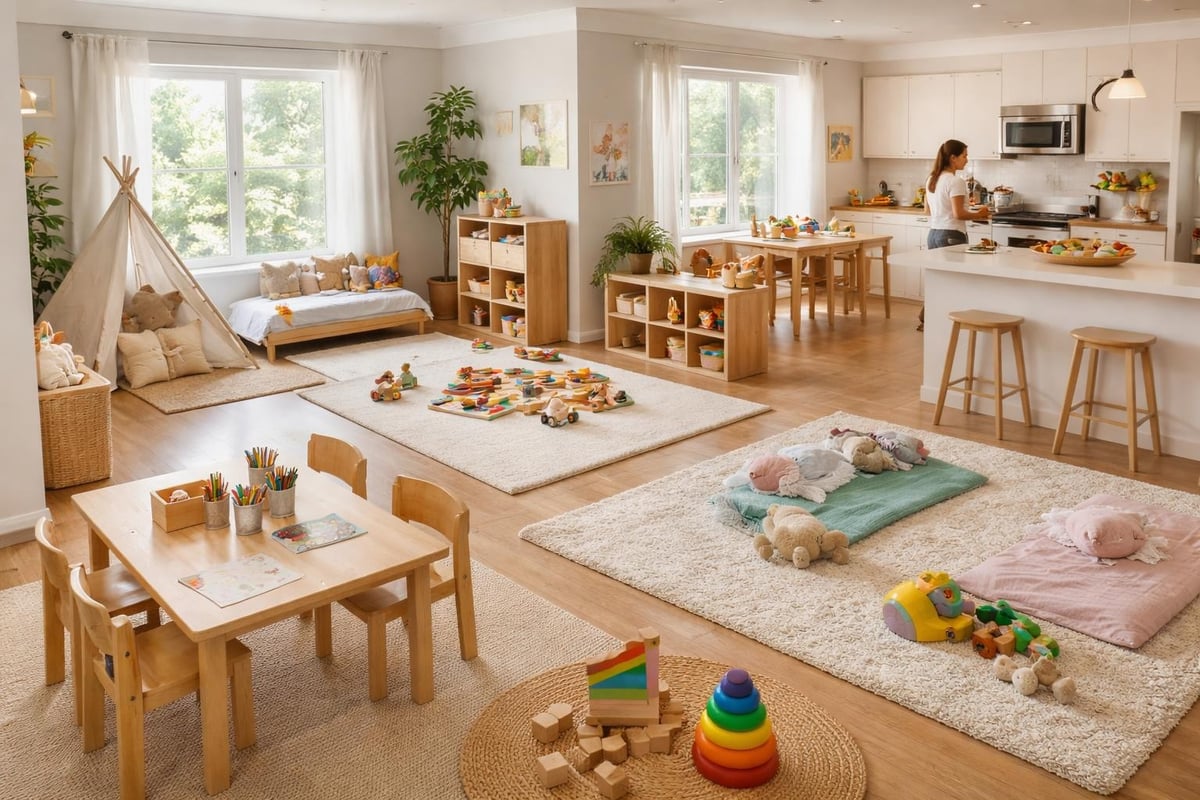
My second home daycare environments typically serve fewer children than traditional centers, often caring for groups of six to twelve children depending on state regulations. This smaller ratio allows providers to develop deeper relationships with each family and tailor activities to individual developmental needs.
Key advantages of home-based care include:
- Reduced exposure to illness due to smaller group sizes
- Flexible scheduling that accommodates non-traditional work hours
- Mixed-age groupings that encourage peer learning
- Consistent caregiver relationships that promote attachment security
- Home-cooked meals prepared with dietary restrictions in mind
The residential setting also provides unique learning opportunities. Children participate in everyday activities like gardening, cooking, and household tasks that teach practical life skills alongside traditional educational concepts.
Licensing and Regulatory Standards
Quality home daycare providers understand that child care licensing requirements establish crucial health and safety baselines. These regulations protect children and provide parents with confidence in their care choices.
State-Specific Requirements
Each state maintains distinct licensing standards for home-based childcare. Understanding when home daycares require licensing helps parents verify that their chosen provider operates legally and meets established safety protocols.
Licensing typically involves multiple components:
- Background checks for all household members over age eighteen
- Home safety inspections covering fire safety, hazardous materials storage, and emergency exits
- Training requirements in first aid, CPR, and child development
- Ongoing education to maintain current best practices
- Regular compliance monitoring through announced and unannounced visits
| Licensing Component | Purpose | Frequency |
|---|---|---|
| Background Checks | Ensure child safety | Initial + every 5 years |
| Home Inspections | Verify safety standards | Annual minimum |
| CPR/First Aid | Emergency preparedness | Renewal every 2 years |
| Continuing Education | Professional development | 15-20 hours annually |
My second home daycare providers who exceed minimum standards demonstrate their commitment to excellence. Look for providers who maintain current certifications, participate in quality rating systems, and pursue additional professional development beyond what regulations require.
Evaluating Quality Indicators
Selecting the right home daycare requires careful assessment beyond basic licensing compliance. Parents should examine multiple dimensions of care quality when making this important decision.
Physical Environment Assessment
The physical space tells you much about a provider's priorities and organizational skills. During your visit to any potential my second home daycare, observe how the environment supports various activities throughout the day.
Essential environmental features:
- Designated learning zones for literacy, math, science, and creative arts
- Age-appropriate toys and materials in good condition
- Outdoor play space with safe, well-maintained equipment
- Clean, organized storage that children can access independently
- Natural lighting and adequate ventilation
- Child-sized furniture that promotes independence
What makes a great daycare extends beyond physical space to include policies, communication practices, and the overall atmosphere families experience when entering the program.
Provider Qualifications and Experience
The individual caring for your child matters more than any other single factor. When evaluating my second home daycare options, investigate the provider's educational background, years of experience, and ongoing professional development.
Questions to ask include:
- What formal education or training in early childhood development do you have?
- How many years have you provided home-based childcare?
- What professional organizations or networks do you belong to?
- How do you stay current with best practices in early education?
- Can you provide references from current and former families?
Experienced providers can articulate their educational philosophy, explain their approach to challenging behaviors, and demonstrate knowledge of developmental milestones. They maintain organized records and communicate proactively with families about daily activities and progress.
Curriculum and Daily Programming
Quality home daycare programs implement intentional curriculum even within the casual home environment. My second home daycare providers plan activities that address all developmental domains while allowing flexibility for child-directed learning.
Structured Learning Opportunities
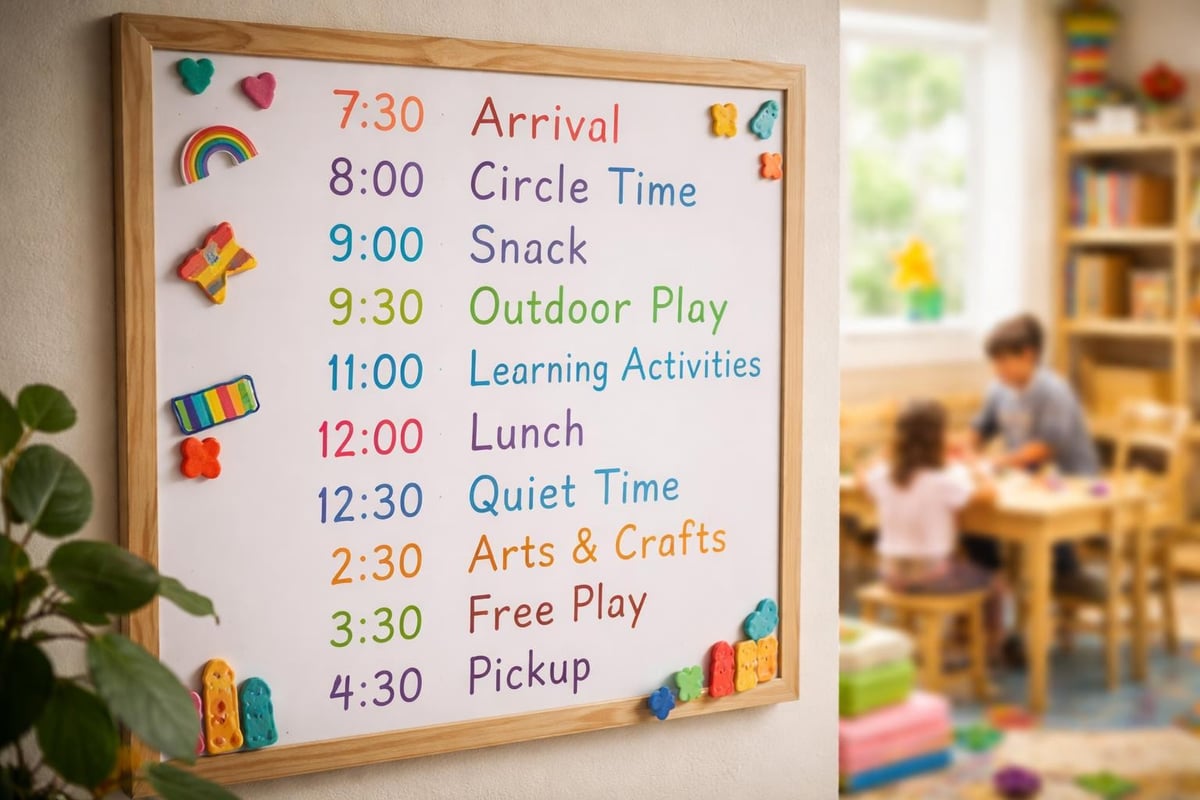
Effective programs balance teacher-directed activities with child-initiated exploration. A typical day includes:
- Circle time for group learning, songs, and calendar activities
- Literacy activities including read-alouds, storytelling, and emergent writing
- Math and science exploration through hands-on experiments and problem-solving
- Creative expression via art, music, and dramatic play
- Gross motor development during outdoor play and movement activities
- Fine motor practice through manipulatives, puzzles, and self-care tasks
The best providers document children's learning through observations, photos, and work samples. They share these insights with families regularly and use them to plan future activities that build on emerging interests and skills.
Social-Emotional Development Focus
My second home daycare settings excel at nurturing social-emotional competencies. The home environment naturally facilitates learning about emotions, conflict resolution, and relationship building.
| Social-Emotional Skill | Home Daycare Advantage | Example Activity |
|---|---|---|
| Emotional regulation | Consistent caregiver support | Feelings check-in during circle time |
| Empathy development | Mixed-age peer interactions | Older children helping younger ones |
| Conflict resolution | Small groups allow mediation | Guided problem-solving conversations |
| Self-help skills | Real-life practice opportunities | Setting table, dressing independently |
Health, Safety, and Nutrition Standards
Parents entrusting their children to any care setting must feel confident about health and safety practices. My second home daycare providers implement comprehensive protocols to protect the children in their care.
Daily Health Practices
Professional home daycare programs maintain strict health standards that include regular handwashing, sanitizing high-touch surfaces, and monitoring children for signs of illness. Clear sick child policies protect the entire group while supporting families during illness.
Standard health procedures include:
- Handwashing before meals, after toileting, and after outdoor play
- Daily health checks upon arrival
- Medication administration only with written parental consent and documentation
- Allergy management plans for children with special dietary needs
- Universal precautions when handling bodily fluids
Emergency Preparedness
Responsible providers maintain current CPR and first aid certifications and practice emergency procedures regularly. They keep emergency contact information accessible and have established protocols for various scenarios including fire, severe weather, and medical emergencies.
My second home daycare environments should have clearly marked emergency exits, functional smoke detectors, accessible fire extinguishers, and a well-stocked first aid kit. Providers should conduct monthly fire drills and document these practices.
Communication and Family Partnership
Strong parent-provider partnerships contribute significantly to children's success in childcare settings. My second home daycare programs that prioritize transparent, consistent communication create trust and alignment between home and care environments.
Daily Communication Methods
Technology has enhanced communication capabilities for home-based providers. Many now use apps or messaging platforms to share photos, activity updates, and developmental observations throughout the day.
Effective communication includes:
- Morning greetings that allow brief check-ins about the child's night or any concerns
- Daily reports covering meals, naps, toileting, and activities
- Photo documentation showing children engaged in learning experiences
- Weekly or monthly newsletters highlighting upcoming themes and requesting materials
- Scheduled conferences to discuss developmental progress and goals
Parents seeking quality in-home childcare should expect providers who welcome questions, respond promptly to concerns, and view families as partners in the child's education.

Financial Considerations and Policies
Understanding the business aspects of my second home daycare arrangements helps families budget appropriately and avoid misunderstandings. Professional providers maintain clear, written policies covering all financial matters.
Fee Structures and Payment Expectations
Home daycare rates vary based on geographic location, provider qualifications, and services offered. Most programs charge weekly or monthly tuition with additional fees for registration, supplies, or extended hours.
Common fee components:
- Base tuition (weekly or monthly)
- Registration or enrollment fees (annual)
- Supply fees for meals, activities, and materials
- Late pickup charges
- Absence policies and makeup day provisions
| Policy Area | Professional Standard | What to Verify |
|---|---|---|
| Payment schedule | Due weekly or monthly in advance | Accepted payment methods |
| Absence policy | Payment required for reserved spot | Vacation allowances for families |
| Late pickup fees | Graduated fee structure | Grace period if any |
| Termination notice | Two weeks minimum | Refund policy for unused tuition |
Professional providers supply written contracts detailing all policies before enrollment. They discuss fee increases annually with adequate notice and maintain consistent application of policies across all families.
Building Trust Through Transparency
The relationship between parents and their child's caregiver requires significant trust. My second home daycare providers earn this trust through consistent transparency in their operations, qualifications, and daily practices.
Open-Door Policies
Quality programs welcome parent visits and maintain open communication about their practices. While some providers request advance notice for extended visits to minimize disruption, parents should always feel welcome to drop by and observe their child's care environment.
Transparency extends to sharing information about licensing and regulatory requirements including inspection reports, certifications, and any compliance issues. Reputable providers display their license prominently and willingly discuss their regulatory status.
Handling Concerns and Conflicts
Professional relationships occasionally encounter challenges. How my second home daycare providers address concerns reveals their professionalism and commitment to quality care. Effective providers:
- Listen without becoming defensive when parents raise issues
- Respond promptly to questions or concerns
- Implement solutions collaboratively when problems arise
- Document agreements when policies or practices change
- Maintain confidentiality about family matters
Parents researching options can explore parent reviews to understand how current and former families experienced their provider's communication and problem-solving approaches.
Professional Development and Growth
Exceptional my second home daycare providers view themselves as early childhood professionals who continuously improve their knowledge and skills. This commitment to growth directly benefits the children in their care.
Continuing Education Opportunities
Beyond minimum licensing requirements, dedicated providers pursue additional training in specialized areas such as:
- Specific curriculum approaches (Montessori, Reggio Emilia, play-based learning)
- Supporting children with special needs or developmental delays
- Dual language development and culturally responsive practices
- Advanced behavior guidance strategies
- Business management for home-based childcare
Professional networks and associations provide resources for ongoing learning. Many states offer quality rating and improvement systems that recognize programs exceeding basic standards with higher ratings and additional support.
Business Operations Excellence
Running a successful daycare requires strong organizational and business management skills alongside early childhood expertise. Professional providers maintain organized records, implement efficient systems, and operate their programs as legitimate businesses.
This includes maintaining accurate attendance records, tracking child development systematically, managing enrollment and waitlists professionally, and handling financial matters with appropriate accounting practices.
Making Your Final Decision
After researching options and visiting potential providers, parents must synthesize information to make the best choice for their family. My second home daycare selection involves both objective criteria and subjective comfort level.
The Visit and Interview Process
Schedule visits to your top candidates and prepare questions in advance. Observe how the provider interacts with currently enrolled children, noting warmth, responsiveness, and engagement level. Watch how children respond to the provider and whether they appear happy and engaged.
Essential observations during your visit:
- Children's emotional state and engagement level
- Provider's interaction style and tone with children
- Cleanliness and organization of the space
- Safety features and emergency preparedness
- How the provider manages transitions and challenging behaviors
Trust your instincts about the environment and relationship. While credentials and references matter, your comfort level and confidence in the provider significantly impact your experience. For additional guidance, explore resources at Step by Step Care to understand what quality home-based childcare encompasses.
Transition and Adjustment Period
Once you select my second home daycare for your family, expect an adjustment period as your child adapts to the new environment. Quality providers support this transition through gradual enrollment schedules, welcoming family photos or comfort items, and maintaining consistent communication about how your child is settling in.
The first weeks may involve tears at drop-off or changes in behavior at home as children process new experiences. Professional providers anticipate these reactions and partner with families to ease the transition. They share specific examples of positive moments during the day and help parents understand typical adjustment timelines.
Long-Term Benefits of Quality Home Care
Research consistently demonstrates that quality early childhood experiences provide lasting benefits for children's development. My second home daycare programs that meet high standards contribute to school readiness, social competence, and positive learning dispositions.
The individualized attention possible in home settings allows providers to identify and address developmental concerns early, collaborate with families on intervention strategies, and celebrate each child's unique strengths and interests. These personalized approaches help children develop confidence, curiosity, and resilience that serve them throughout their educational journey.
Families who invest time in selecting quality care often develop relationships that extend beyond the childcare years. Many maintain connections with their providers and the families they met through the program long after their children transition to school settings. For comprehensive information about choosing the right childcare arrangement, visit resources like finding the best daycare for your child to support your decision-making process.
Selecting my second home daycare represents one of the most important decisions parents make for their young children. By evaluating licensing compliance, environmental quality, provider qualifications, and communication practices, families can identify programs that truly serve as nurturing second homes for their children. At Step by Step Care, we understand the profound responsibility of caring for young children in home-based settings and invite you to explore how our program creates the warm, educational environment your family deserves.


