

Family Day Childcare: A Complete 2026 Guide
Family day childcare represents a distinct early education model that brings together the warmth of a home environment with professional childcare standards. Unlike larger institutional settings, this type of care operates within a provider's residence, offering families an intimate alternative that prioritizes individualized attention and flexible scheduling. As parents navigate the complex landscape of early childhood education in 2026, understanding the unique characteristics and benefits of family day childcare becomes essential for making informed decisions about their children's developmental journey.
What Defines Family Day Childcare
Family day childcare operates as a licensed home-based program where providers care for small groups of children in their own residences. This model serves children from infancy through school age, typically maintaining lower child-to-provider ratios than traditional daycare centers.
Regulatory Framework and Licensing
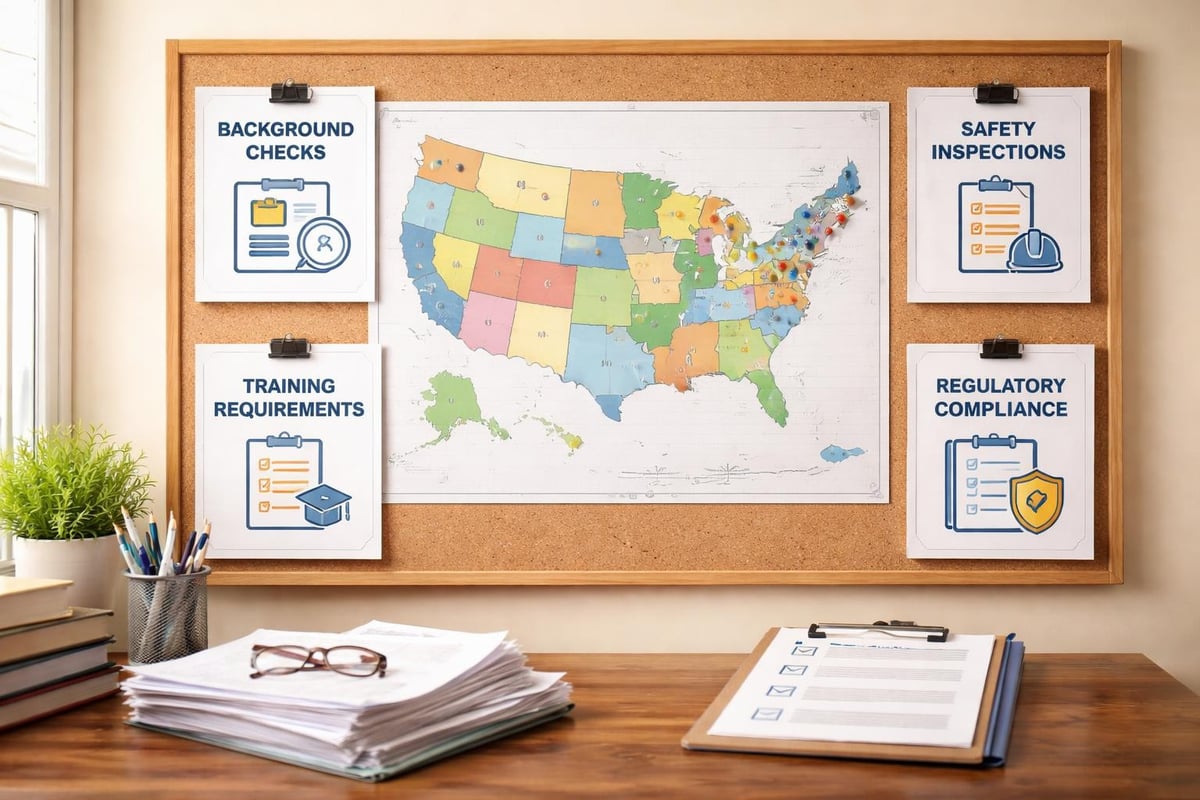
State regulations govern family day childcare operations with varying requirements across jurisdictions. Most states classify these programs into two categories: small family childcare homes serving up to six children and large or group family childcare homes accommodating seven to twelve children. The Connecticut Office of Early Childhood outlines specific statutes and regulations that demonstrate how states structure their licensing frameworks.
Key licensing components typically include:
- Background checks for all household members over 18
- Health and safety inspections of the home environment
- Minimum training requirements in early childhood education
- CPR and first aid certification
- Compliance with local zoning ordinances
The USDA provides guidance on licensing and approval requirements for providers participating in nutritional assistance programs, adding another layer of accountability.
Structural Differences from Center-Based Care
Family day childcare providers create educational spaces within residential settings, transforming living areas into safe, developmentally appropriate learning environments. This approach contrasts sharply with purpose-built childcare centers.
The intimate setting allows providers to maintain closer relationships with families, often resulting in stronger communication and trust. Research from the Center for Home-Based Child Care Research demonstrates how these settings impact both provider experiences and child outcomes through detailed longitudinal studies.
Advantages of the Family Day Childcare Model
The benefits of family day childcare extend across multiple dimensions, touching on developmental, practical, and emotional aspects of early childhood education.
Personalized Attention and Smaller Ratios
Lower child-to-provider ratios represent one of the most significant advantages. While center-based programs may have 10-15 children per classroom, family day childcare typically serves 6-12 children total, allowing for more individualized interaction.
| Program Type | Typical Ratio | Total Enrollment | Staff Members |
|---|---|---|---|
| Small Family Day Care | 1:6 or better | 4-6 children | 1 provider |
| Large Family Day Care | 1:10 or better | 7-12 children | 1-2 providers |
| Traditional Daycare Center | 1:8 to 1:15 | 50-100+ children | 6-15+ staff |
This personalized approach enables providers to tailor activities to individual learning styles and developmental stages. Providers can quickly identify when children need additional support or enrichment, adjusting their approach accordingly.
Mixed-Age Learning Opportunities
Unlike age-segregated classrooms common in centers, family day childcare naturally creates mixed-age groups. Younger children benefit from observing older peers, while older children develop leadership skills and empathy through helping younger ones.
Mixed-age benefits include:
- Enhanced social-emotional development through peer modeling
- Natural mentoring relationships between children
- Reduced transitions as children age within the same setting
- Sibling-like bonds that extend beyond typical peer relationships
Flexibility and Convenience
Family day childcare providers often offer scheduling flexibility that accommodates non-traditional work hours. Many providers work with families needing early drop-offs, late pick-ups, or occasional weekend care. This flexibility proves invaluable for parents with variable schedules or shift work.
The home-based nature also means children attend care in residential neighborhoods, potentially closer to families' homes than commercial centers. This proximity reduces commute times and creates opportunities for stronger community connections.
Quality Indicators in Family Day Childcare Programs
Identifying high-quality family day childcare requires examining specific markers that correlate with positive child outcomes and professional practices.
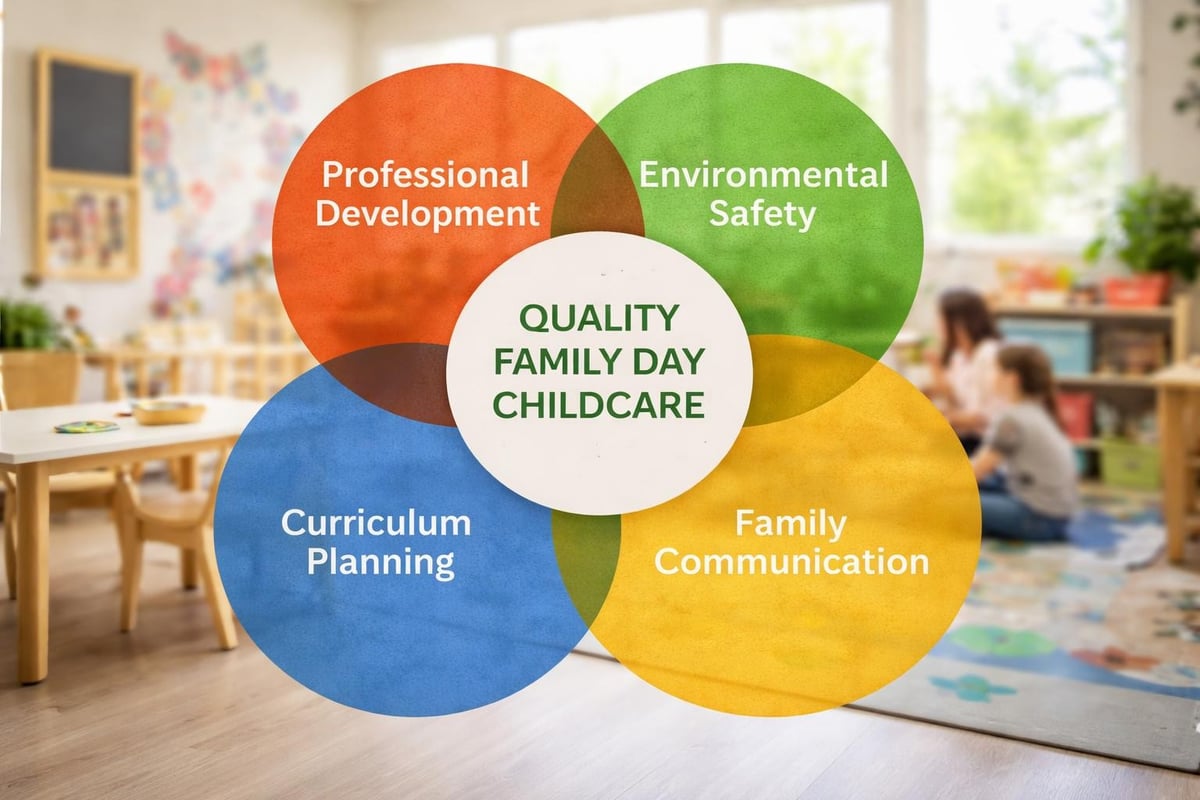
Professional Development and Training
Quality providers pursue ongoing education beyond minimum licensing requirements. They engage with professional development opportunities, attend workshops, and stay current with early childhood best practices.
Research establishing a theoretical basis for caregiving practices emphasizes how training and support networks directly impact the quality of family day care environments. Providers who invest in their professional growth create richer learning experiences for children.
Leading providers incorporate evidence-based curricula, developmental screenings, and intentional teaching strategies into their daily routines. They document children's progress, communicate regularly with families, and adjust programming based on observed needs.
Environmental Quality and Safety
The physical environment in family day childcare must balance residential comfort with safety requirements. Quality programs maintain clearly defined learning areas within the home while ensuring all spaces meet safety standards.
Essential environmental features include:
- Childproofed rooms with age-appropriate furniture and materials
- Designated outdoor play spaces with appropriate equipment
- Adequate storage for toys, supplies, and children's belongings
- Clean, well-maintained facilities with proper ventilation and lighting
- Emergency preparedness supplies and evacuation plans
Nutritional Standards and Meal Programs
Many family day childcare providers participate in the Child and Adult Care Food Program (CACFP), which provides reimbursement for nutritious meals and snacks. USDA research on CACFP participation reveals both the challenges and benefits providers experience when joining this program.
Participation demonstrates a commitment to nutritional standards and often indicates higher overall program quality. Providers following CACFP guidelines serve meals that meet specific nutritional requirements, introducing children to healthy eating patterns during critical developmental years.
Navigating Regulations and Compliance
Understanding regulatory requirements helps both providers and families ensure quality care. Family day childcare operates under state-specific regulations that address capacity, safety, health, and educational standards.
State-Specific Requirements
Each state maintains unique regulatory frameworks governing family day childcare operations. The Family Child Care Association of New York State provides access to regulations specific to that jurisdiction, illustrating the detailed nature of state oversight.
Common regulatory areas include:
- Maximum capacity based on home square footage
- Required supervision ratios by age group
- Mandatory reporting procedures for suspected abuse or neglect
- Record-keeping requirements for attendance, emergency contacts, and health information
- Inspection schedules and compliance monitoring
Providers must navigate these regulations while maintaining the home-like atmosphere that defines family day childcare. Successful providers integrate compliance seamlessly into their operations without compromising the warm, personal environment families seek.
Insurance and Liability Considerations
Family day childcare providers carry specialized business insurance covering liability, property damage, and professional risks. Standard homeowner's policies typically exclude commercial activities, making dedicated childcare insurance essential.
Quality providers maintain comprehensive coverage protecting both their businesses and the families they serve. This includes general liability insurance, professional liability coverage, and often vehicle insurance for transportation if offered.
The Economics of Family Day Childcare
Financial considerations shape both provider sustainability and family accessibility. Understanding the economic model helps stakeholders appreciate the value proposition of family day childcare.
Cost Comparison and Value
Family day childcare often costs less than center-based care while providing comparable or superior adult-to-child ratios. This cost efficiency stems from lower overhead expenses, as providers operate from existing residences rather than leasing commercial space.
| Cost Factor | Family Day Childcare | Center-Based Care |
|---|---|---|
| Average Monthly Tuition | $800-$1,200 | $1,000-$1,800 |
| Facility Overhead | Minimal | High |
| Staff-to-Child Ratio | 1:6 to 1:10 | 1:8 to 1:15 |
| Flexibility | High | Moderate |
Parents gain value through personalized attention, flexible scheduling, and often more inclusive services like meals and diapers. Many providers structure fees to minimize additional charges, simplifying budgeting for families.
For those seeking quality in-home childcare options, family day childcare presents an economically attractive choice that doesn't sacrifice educational quality.
Provider Compensation and Sustainability
Operating family day childcare as a viable business requires careful financial planning. Providers balance competitive pricing with sustainable income, managing expenses that include supplies, food, insurance, licensing fees, and continuing education.
Successful providers approach their work as professional entrepreneurs, implementing business systems for enrollment, billing, and communication. They invest in quality materials, maintain detailed records, and plan for both operational expenses and personal income needs.
Creating Meaningful Partnerships with Families
The relationship between family day childcare providers and parents extends beyond typical service-provider dynamics. These partnerships directly impact children's experiences and developmental outcomes.
Communication Strategies
Effective providers maintain consistent, transparent communication with families. Daily reports, regular conferences, and informal conversations create opportunities for information sharing and collaborative problem-solving.
Communication methods include:
- Daily written or digital summaries of activities, meals, and observations
- Scheduled parent-teacher conferences to discuss developmental progress
- Open-door policies encouraging parent visits and participation
- Shared documentation through photos, portfolios, and developmental assessments
This communication framework builds trust and ensures alignment between home and childcare environments. Parents appreciate insight into their children's daily experiences, while providers benefit from understanding family routines, preferences, and concerns.

Cultural Responsiveness and Inclusion
Quality family day childcare embraces the diversity of enrolled families, incorporating culturally responsive practices into daily programming. Providers who honor different languages, traditions, and family structures create welcoming environments where all children feel valued.
This responsiveness manifests through diverse learning materials, celebration of various cultural holidays, and sensitivity to different parenting philosophies. Providers working with multilingual families might incorporate children's home languages into activities, supporting bilingual development.
The research examining the ecology of family day care explores how interrelationships among family, childcare, and children shape experiences, emphasizing the importance of these cultural connections.
Professional Support Networks and Resources
Family day childcare providers benefit from connecting with professional communities that offer support, training, and advocacy. These networks combat the isolation that can accompany home-based work while elevating professional standards.
Association Membership and Advocacy
State and national family childcare associations provide valuable resources including legal guidance, insurance options, training opportunities, and networking events. Membership connects providers with peers facing similar challenges and celebrating comparable successes.
These organizations also engage in policy advocacy, working to improve regulations, increase funding for quality initiatives, and raise awareness about the value of family day childcare. Provider participation strengthens the collective voice of the profession.
Continuing Education Opportunities
Professional development opportunities specifically designed for family day childcare providers address unique aspects of home-based care. Training topics range from business management and marketing to advanced curriculum planning and special needs inclusion.
Many states require annual continuing education hours for license renewal, but quality providers exceed minimums. They pursue credentials like the Child Development Associate (CDA) or specialized certifications in areas such as infant-toddler development or nature-based education.
Technology Integration in Modern Family Day Childcare
Contemporary family day childcare increasingly incorporates technology to enhance operations, communication, and learning experiences. Strategic technology use supports rather than replaces the personal connections central to this care model.
Administrative Technology Tools
Management software designed for family childcare streamlines administrative tasks including enrollment, billing, attendance tracking, and parent communication. These platforms free providers from paperwork, allowing more time for direct interaction with children.
Digital tools also facilitate documentation of children's activities and development. Providers can quickly capture photos, record observations, and share updates with families through secure apps, creating rich developmental portfolios over time.
Educational Technology in Practice
While screen time remains limited in quality early childhood programs, thoughtful technology integration supports learning objectives. Interactive educational apps, digital storytelling tools, and virtual field trips supplement hands-on experiences when used judiciously.
Providers balance technology with traditional play-based learning, ensuring children develop digital literacy alongside essential physical, social, and creative skills. The home environment of family day childcare naturally promotes active, exploratory learning that technology enhances rather than dominates.
Selecting the Right Family Day Childcare Provider
Families researching childcare options benefit from systematic evaluation processes that assess both tangible credentials and intangible qualities. Making informed choices requires considering multiple factors beyond convenience and cost.
Evaluation Criteria
Begin with verification of licensing status through state regulatory agencies. Licensed providers meet minimum standards for safety, capacity, and operational practices, providing baseline assurance of program legitimacy.
Additional evaluation areas include:
- Provider qualifications, training, and experience
- Daily schedule and curriculum approach
- Discipline philosophy and behavioral guidance strategies
- Health and safety practices, including emergency procedures
- References from current and former families
Visiting prospective programs during operating hours reveals how providers interact with children, manage group dynamics, and structure the environment. Observe whether children appear engaged, comfortable, and happy.
Questions to Ask Prospective Providers
Prepare thoughtful questions addressing your family's priorities and concerns. Inquire about the provider's educational philosophy, typical daily routine, and approach to challenging behaviors.
Ask about policies regarding illness, vacation schedules, and contract terms. Understand expectations for parent involvement, communication frequency, and any additional fees beyond base tuition.
For families interested in exploring their options, reviewing parent reviews offers valuable insights into real experiences with quality providers.
The Role of Family Day Childcare in Early Childhood Systems
Family day childcare occupies an essential position within the broader early childhood education landscape. This care model serves families who might otherwise struggle to access quality early education due to cost, scheduling, or geographic barriers.
Serving Diverse Family Needs
The flexibility inherent in family day childcare makes it particularly valuable for families with non-traditional needs. Parents working evening shifts, weekends, or irregular schedules often find family day childcare providers more accommodating than centers with fixed hours.
Rural families may have limited access to center-based care due to geographic isolation. Family day childcare providers in these communities fill critical gaps, ensuring children receive quality early education regardless of location.
Workforce Development and Economic Impact
Family day childcare providers contribute to local economies as small business owners who employ occasional assistants, purchase supplies from community retailers, and often participate in nutritional assistance programs that inject federal funding into local food systems.
Their services also enable parent workforce participation. Reliable, affordable childcare allows parents to maintain employment, pursue education, or engage in job training, with ripple effects throughout communities.
Those interested in learning more about quality home-based care options can explore comprehensive information at Step by Step Care to understand how professional providers support family needs.
Future Trends Shaping Family Day Childcare
The family day childcare sector continues evolving in response to research findings, policy changes, and shifting family preferences. Understanding emerging trends helps stakeholders anticipate future developments and opportunities.
Increased Professionalization
The sector is experiencing a professionalization movement characterized by higher educational expectations, sophisticated business practices, and strengthened quality standards. More providers pursue formal credentials and engage with professional development opportunities that elevate practice quality.
This trend benefits children through improved learning experiences while enhancing provider satisfaction and sustainability. As the profession gains recognition and respect, it attracts committed individuals who view family day childcare as a career rather than temporary employment.
Policy and Funding Developments
Government investment in early childhood education increasingly recognizes family day childcare as essential infrastructure. Subsidy programs, quality improvement initiatives, and business support grants help providers enhance services while maintaining affordability for families.
Policy discussions in 2026 focus on strengthening family day childcare through initiatives like professional development funding, startup grants for new providers, and expanded food program participation. These investments acknowledge the sector's vital role in comprehensive early childhood systems.
Nature-Based and Specialized Programs
Differentiation through specialized program models represents a growing trend. Some providers emphasize nature-based learning, creating outdoor-focused curricula that leverage backyard spaces. Others specialize in serving specific age groups, children with special needs, or families seeking particular pedagogical approaches like Montessori or Reggio Emilia.
These specialized offerings expand family choice while allowing providers to align their programs with personal passions and expertise. The home-based setting accommodates diverse approaches more easily than standardized center models, fostering innovation and creativity.
Family day childcare offers families a distinctive early education option combining personalized attention, flexible scheduling, and home-like environments where children thrive. Understanding licensing requirements, quality indicators, and the unique benefits of this model empowers families to make confident childcare decisions. Whether you're seeking intimate care settings with exceptional adult-to-child ratios or flexible scheduling that accommodates your family's unique needs, professional home-based care provides a compelling alternative to traditional centers. Discover how Step by Step Care delivers the warmth and expertise that defines exceptional family day childcare, supporting your child's developmental journey in a nurturing, professional environment.


