

Early Childhood Education Phone Number: Contact Guide
Finding the right early childhood education phone number can make all the difference when you're searching for quality childcare for your little one. Whether you need to connect with state agencies, licensing departments, or local home childcare providers, having accurate contact information saves time and reduces stress during your search. Parents, guardians, and families seeking early education resources need direct access to the programs and services that will support their children's development during these crucial formative years.
Understanding Early Childhood Education Contact Systems
Early childhood education encompasses a wide range of programs and services, each with distinct contact channels. The early childhood education phone number you need depends on your specific situation and the type of information you're seeking.
State education agencies maintain comprehensive contact systems for licensing inquiries, program standards, and family support services. The Texas Education Agency provides extensive resources at their Austin headquarters, offering families a central point of contact for statewide early learning initiatives. Similarly, New Jersey’s Department of Education Early Childhood section provides leadership and resources through their dedicated phone line at 609-376-9077.
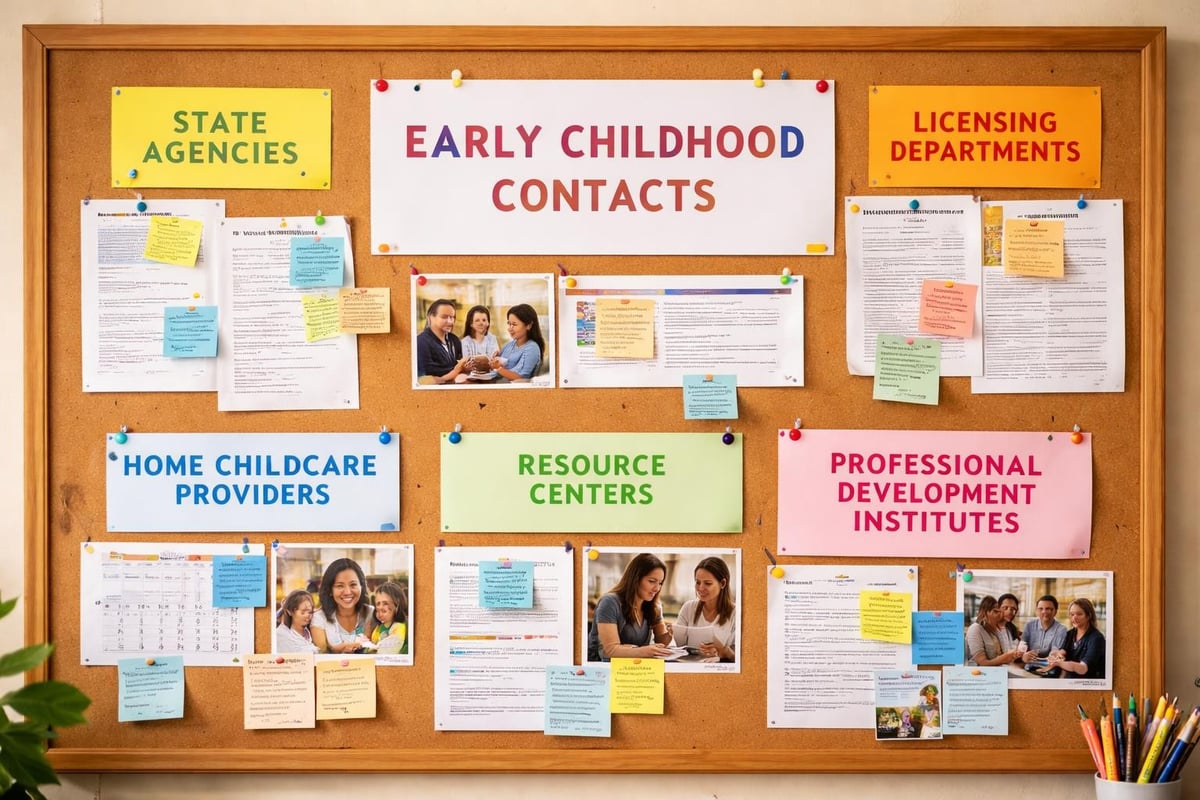
Primary Categories of Early Education Contacts
Different types of early childhood programs maintain separate contact systems based on their operational structure:
- State licensing departments for regulatory compliance and provider verification
- Home-based childcare providers offering personalized, small-group care
- Early learning resource centers providing family support and development services
- Professional development institutes supporting educator training and certification
- Head Start and PreK programs with enrollment and eligibility information
Finding the right contact requires understanding which category addresses your specific needs. A family researching in-home childcare options will need different phone numbers than someone pursuing early childhood educator certification.
State-by-State Early Childhood Phone Resources
Each state maintains dedicated phone systems for early childhood education services. Understanding your state's specific structure helps you reach the right department efficiently.
| State | Primary Agency | Main Phone | Key Services |
|---|---|---|---|
| Michigan | Dept. of Lifelong Education | 866-990-3227 | Child care licensing, family support |
| New Mexico | Early Childhood Education & Care | 800-832-1321 | Home Visiting, PreK, Head Start |
| Connecticut | Office of Early Childhood | 860-500-4412 | Licensing, developmental support |
| New York | Professional Development Institute | 646-664-8261 | Educator training, resources |
Michigan’s Department of Lifelong Education offers a comprehensive directory that includes specialized contacts for various early childhood services. The toll-free early childhood education phone number at 866-990-3227 connects families with child care licensing information and family support programs.
Regional Resource Centers
Many states establish regional centers to provide localized support. These centers maintain their own contact numbers, creating a network of accessible resources throughout each state.
The New Mexico Early Childhood Education & Care Department exemplifies this approach with their toll-free number 800-832-1321 serving families statewide. Their contact system includes specialized departments for home visiting programs, PreK enrollment, and Head Start coordination.
Regional centers typically offer:
- Enrollment assistance for early learning programs
- Referrals to licensed childcare providers in your area
- Information about subsidies and financial assistance
- Parent education and family engagement resources
- Developmental screening and support services
When calling a regional center, prepare specific questions about your location and childcare needs. This preparation helps staff direct you to the most appropriate local resources and programs.
Connecting with Local Childcare Providers
Beyond state agencies, families need direct contact with individual childcare programs. Home-based childcare providers like those at Step by Step Care maintain dedicated phone lines for enrollment inquiries and parent communication.
What to Ask When You Call
Making the most of your initial phone contact with a childcare provider requires preparation. Consider these essential questions:
- What age groups do you serve and what is your current availability?
- What are your operating hours and holiday schedules?
- What curriculum approach or educational philosophy guides your program?
- How do you handle communication with parents throughout the day?
- What licensing and certifications does your program maintain?
Quality home childcare providers will welcome these questions and provide detailed, transparent answers. During your conversation, assess how the provider communicates and whether they demonstrate genuine interest in your family's specific needs.
The Connecticut Office of Early Childhood at 860-500-4412 can help verify licensing status and provide background on registered providers in your area. This verification step adds an important layer of confidence when selecting a program.

Professional Development and Educator Resources
Early childhood educators and professionals seeking training opportunities need specialized contact information. Professional development institutes maintain separate phone systems focused on educator support.
The New York Early Childhood Professional Development Institute provides resources at 646-664-8261 for educators pursuing continuing education and professional advancement. These organizations support the workforce that delivers quality early learning experiences.
Academic Program Contacts
Universities offering early childhood education degrees maintain dedicated admissions and program information lines. The University of Florida’s Early Childhood programs can be reached at 352-392-0726 for academic inquiries and professional development opportunities.
Academic programs offer multiple contact points:
- Admissions offices for enrollment and prerequisite questions
- Academic advisors for course planning and degree requirements
- Field placement coordinators for practicum and student teaching
- Research centers for current studies and professional publications
Creating Your Early Childhood Contact List
Organizing relevant phone numbers before you need them streamlines your childcare search. Build a personalized contact list that includes both broad resources and specific providers.
| Contact Type | Purpose | Information Needed |
|---|---|---|
| State licensing | Verify provider credentials | Provider name, license number |
| Local providers | Enrollment and tours | Child's age, desired start date |
| Resource centers | Subsidy information | Income documentation, family size |
| Emergency contacts | Backup care options | Immediate availability needs |
Start by identifying your state's main early childhood education phone number through the department of education website. Then research local providers through online directories, community recommendations, and parent reviews from families with similar needs.
Organizing Contact Information Effectively
Keep detailed notes from each phone conversation, including the date, person you spoke with, and key information discussed. This documentation proves valuable when comparing multiple programs or following up on waitlist status.
Create a simple tracking system:
- Record the program name and main contact number
- Note any extension numbers for specific staff members
- Document hours when staff are available to take calls
- List alternative contact methods like email or text
- Track follow-up dates for callbacks or scheduled tours
Many families find success using a shared digital document that both parents can access and update as they gather information during their childcare search.
Specialized Early Childhood Services and Contacts
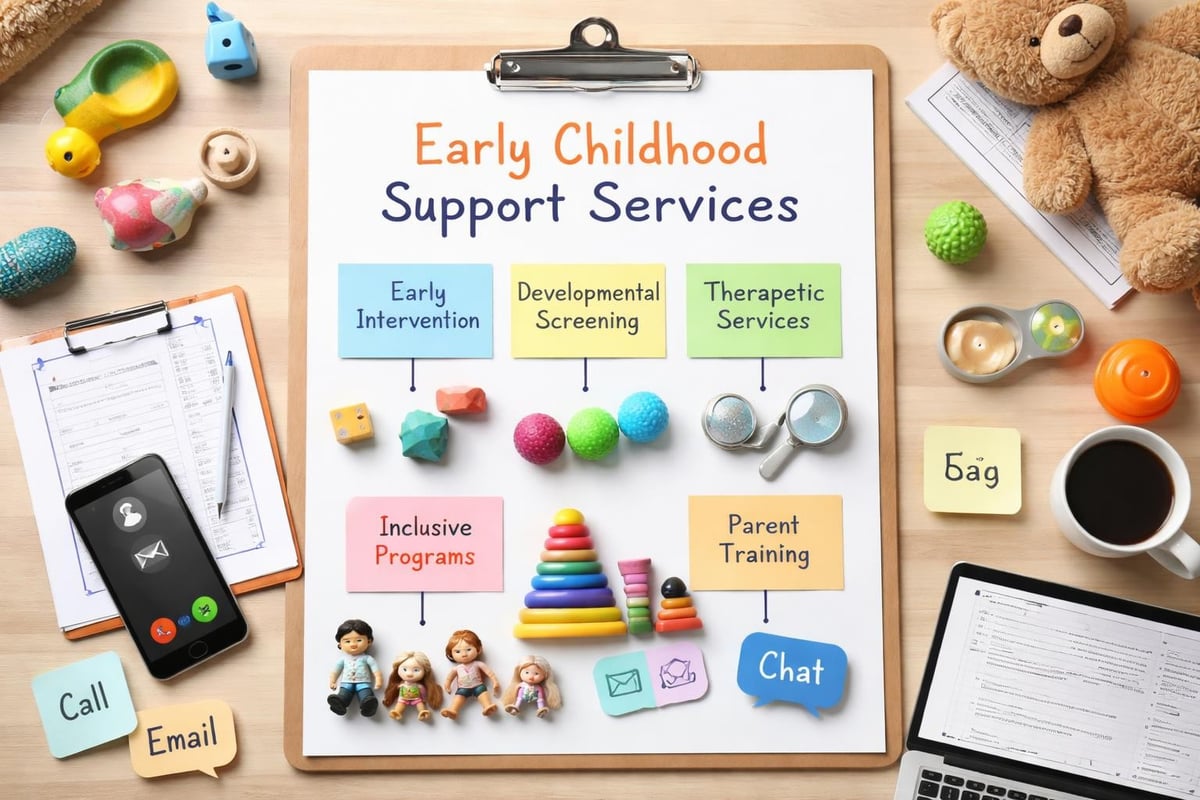
Beyond general childcare programs, specialized services maintain their own contact systems for families with specific needs. Early intervention programs, developmental support services, and therapeutic childcare options each require targeted phone inquiries.
Early Intervention and Special Services
Children with developmental delays or disabilities may need specialized early childhood programs. Contact your state's early intervention program directly to discuss eligibility and available services in your area.
Specialized services to research include:
- Speech and language therapy integration
- Occupational therapy within early learning settings
- Inclusive childcare programs with special education support
- Developmental screening and assessment services
- Parent training and support groups
State agencies typically maintain separate phone lines for special services. When calling, describe your child's specific needs and ask about programs designed to support children with similar profiles.
School District Early Childhood Programs
Public school districts increasingly offer early childhood programs separate from traditional kindergarten. These programs, including universal PreK and transitional kindergarten, maintain contact systems through district offices.
Fonwood Early Childhood Center in Houston demonstrates how individual schools provide dedicated early education contact at 713-633-0781. District-run programs often offer free or reduced-cost options based on income eligibility.
Navigating District Enrollment
District early childhood programs typically follow specific enrollment windows and residency requirements. Contact your local school district's early childhood department well before your desired start date to understand:
- Application deadlines and lottery systems
- Required documentation for enrollment
- Income eligibility criteria for subsidized programs
- Transportation availability and pickup locations
- Program hours and extended day options
Some districts maintain centralized enrollment phone numbers, while others direct families to contact individual school sites. Clarify the correct process during your initial inquiry to avoid missing important deadlines.
When to Call Versus Other Contact Methods
While having an early childhood education phone number provides direct access, not every inquiry requires a phone call. Understanding when to call versus using email or web forms improves efficiency for both families and providers.
Phone calls work best for:
- Urgent questions about immediate availability
- Complex situations requiring detailed discussion
- Scheduling tours and in-person visits
- Emergency care needs or last-minute changes
- Following up on submitted applications
Email communication suits detailed questions you want providers to answer at their convenience, while web forms often handle initial information requests and waitlist signups effectively.
Many home childcare programs now offer multiple contact channels, including text messaging for quick questions from enrolled families. Ask about preferred communication methods during your initial contact.
Building Relationships Through Initial Phone Contact
Your first phone conversation with a childcare provider sets the foundation for a potential long-term relationship. Approach these calls as collaborative conversations rather than interviews.
Quality providers appreciate when parents:
- Express genuine interest in their educational approach
- Ask thoughtful questions about daily routines and activities
- Inquire about how they handle challenging situations
- Share relevant information about their child's personality and needs
- Respect the provider's time while gathering necessary information
Listen carefully to how providers describe their programs. Enthusiasm, detailed knowledge of child development, and willingness to address concerns indicate professional commitment to quality care.
Take note of response times when leaving messages. Reliable programs return calls promptly and maintain professional communication standards. If you experience difficulty reaching a provider or receiving callbacks, consider it a data point in your evaluation process.
Emergency and After-Hours Contact Systems
Understanding how to reach childcare providers outside regular business hours matters for emergencies and unexpected situations. When evaluating programs, ask about their emergency contact protocols.
Most licensed programs maintain:
- Primary contact numbers monitored during program hours
- Emergency contact numbers for urgent situations outside business hours
- Clear policies about when to call versus when to wait
- Backup contacts if the primary provider is unavailable
- Systems for notifying families of unexpected closures
Home childcare providers typically provide their personal cell phone numbers to enrolled families, creating direct access when needed. This personal connection distinguishes home-based care from larger center-based programs with administrative phone trees.
Maintaining Contact Information Updates
Phone numbers and contact information change over time. Successful families establish systems for keeping their early childhood education contact list current and accessible.
Review your contact list quarterly and verify that:
- Main phone numbers still connect to correct departments
- Provider contacts remain accurate after staff changes
- Emergency contacts are current and tested
- New resources or programs have been added to your list
- Outdated or closed programs have been removed
Share updated contact information with partners, grandparents, or others who may need to reach your childcare program. The Step by Step Care team ensures families always have current contact details for seamless communication throughout their enrollment.
Finding and maintaining the right early childhood education phone number connects your family with the resources and programs that support your child's development. Whether you're researching state licensing requirements, exploring local options, or seeking specialized services, direct phone access simplifies your search and builds important relationships with providers. Step by Step Care welcomes your call to discuss how our home childcare program can meet your family's unique needs and provide the nurturing, educational environment where your child will thrive.


