

Tender Years Daycare: Building Foundations for Lifelong Learning
The first few years of a child's life represent a critical window for development, learning, and growth. During this transformative period, children develop foundational skills that shape their future academic success, social relationships, and emotional well-being. Tender years daycare programs recognize this crucial developmental stage and provide specialized care tailored to the unique needs of infants and toddlers. These early childhood education environments offer more than supervision-they create nurturing spaces where young children can explore, learn, and develop at their own pace while receiving individualized attention from trained caregivers.
Understanding the Tender Years Concept
Tender years daycare focuses specifically on children from infancy through approximately three years of age. This designation acknowledges that very young children require different care approaches compared to preschool-aged children.
The term "tender years" reflects both the vulnerability and the incredible potential present during this developmental stage. Babies and toddlers are experiencing rapid brain development, with neural connections forming at an astounding rate. Research from Zero to Three demonstrates that early experiences literally shape brain architecture, making the quality of care during this period essential for long-term outcomes.
Developmental Milestones in the Tender Years
During the first three years, children progress through distinct developmental stages:
- Infant stage (0-12 months): Sensory exploration, attachment formation, basic motor skills
- Early toddler stage (12-24 months): Language emergence, walking, independence seeking
- Toddler stage (24-36 months): Complex play, vocabulary expansion, social awareness
Each stage requires specific environmental supports and caregiver responses. A quality tender years daycare program adapts its approach to match these evolving needs, ensuring that activities, routines, and interactions align with each child's developmental readiness.

Creating Nurturing Environments for Infant Care
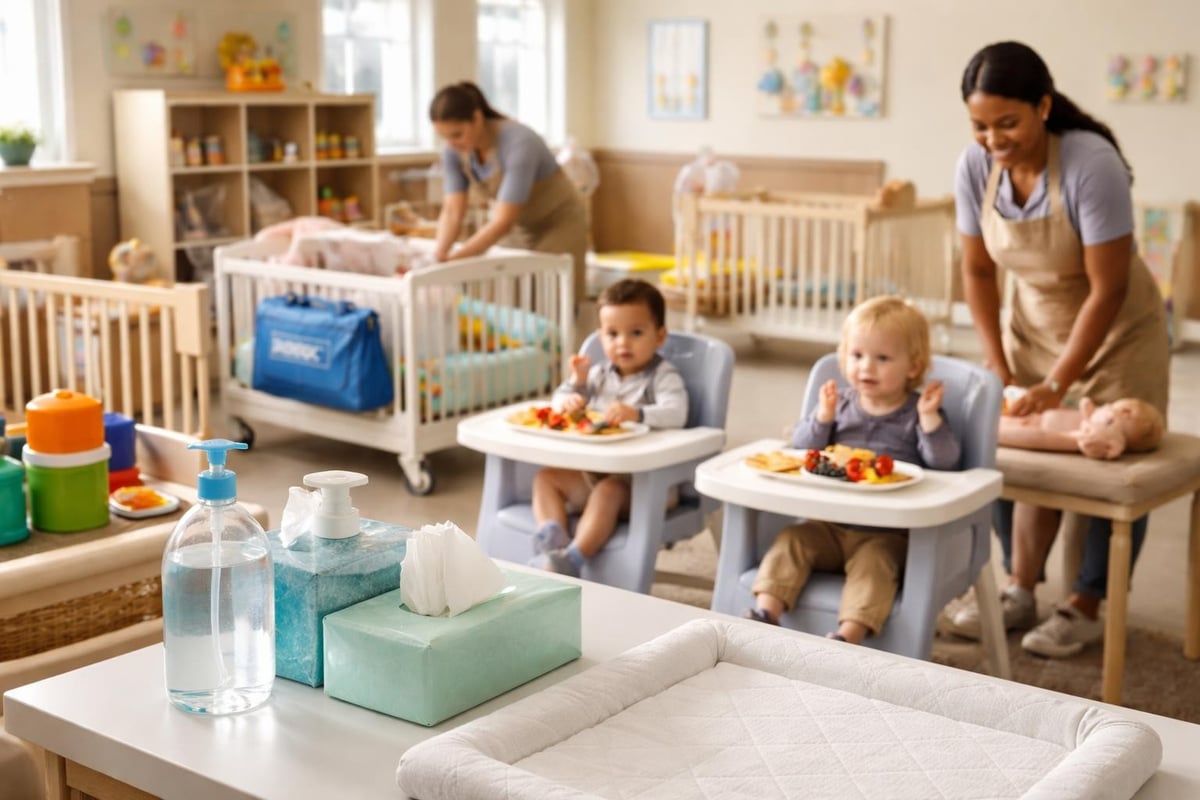
The physical environment in tender years daycare settings plays a crucial role in supporting healthy development. Unlike preschool classrooms with desks and structured activity centers, infant and toddler spaces prioritize safety, exploration, and comfort.
Essential Environmental Features
| Feature | Purpose | Implementation |
|---|---|---|
| Soft surfaces | Safe exploration and motor development | Cushioned flooring, age-appropriate climbing structures |
| Sensory stations | Cognitive stimulation | Texture boards, safe objects for mouthing, musical instruments |
| Quiet zones | Rest and regulation | Calming spaces away from active play areas |
| Age-separated areas | Developmental appropriateness | Distinct spaces for non-mobile infants and active toddlers |
Home-based tender years daycare programs often excel at creating intimate, homelike environments that reduce stress for very young children. The U.S. Department of Education’s early learning initiatives emphasize that smaller group sizes and consistent caregiving relationships contribute significantly to positive outcomes during the tender years.
At Step by Step Care, the home childcare setting provides these natural advantages, allowing children to develop in an environment that feels familiar and secure rather than institutional.
Caregiver Qualifications and Training Requirements
Professional competence matters enormously when caring for children during their tender years. Caregivers need specialized knowledge about infant and toddler development, health and safety protocols, and age-appropriate interaction strategies.
Core Competency Areas
Effective tender years daycare providers demonstrate expertise in:
- Developmental psychology: Understanding typical and atypical development patterns
- Health and safety: Infant CPR, safe sleep practices, nutrition for young children
- Attachment theory: Building secure relationships that support emotional regulation
- Communication: Interpreting pre-verbal cues and supporting language development
- Family partnerships: Collaborating with parents as primary caregivers
Many states require specific credentials for professionals working with infants and toddlers. Beyond minimum licensing requirements, the most effective programs seek caregivers with early childhood education degrees, Child Development Associate (CDA) credentials, or specialized infant-toddler certifications.
Ongoing professional development keeps caregivers current on best practices. The American Academy of Pediatrics provides guidance on health and developmental topics that inform quality care practices in tender years settings.
Daily Routines and Structured Flexibility
Tender years daycare programs balance structure with flexibility, recognizing that very young children need predictable routines but also require responsiveness to individual rhythms and needs.
Sample Daily Framework
Morning (7:00 AM – 11:00 AM)
- Arrival and individual greetings
- Free play and exploration
- Morning snack
- Outdoor time (weather permitting)
- Structured learning activities
Midday (11:00 AM – 2:00 PM)
- Lunch preparation and mealtime
- Quiet activities and story time
- Rest period (individualized based on sleep needs)
Afternoon (2:00 PM – 6:00 PM)
- Wake-up and transitional activities
- Afternoon snack
- Creative play or sensory experiences
- Outdoor exploration
- Departure preparations and family communication
This framework illustrates structured flexibility. While the sequence remains consistent, timing and specific activities adapt to children's current states, interests, and developmental needs.

Curriculum Approaches for Infant and Toddler Learning
Contrary to popular belief, curriculum exists even for the youngest children in tender years daycare. However, it looks dramatically different from preschool or elementary school curricula.
Play-Based Learning Foundations
Infant and toddler curriculum centers on:
- Sensory exploration: Providing diverse textures, sounds, and visual experiences
- Language immersion: Narrating activities, reading books, singing songs
- Motor skill development: Opportunities for reaching, grasping, crawling, climbing
- Social-emotional learning: Responsive caregiving, emotion naming, conflict mediation
- Cognitive stimulation: Cause-and-effect toys, simple problem-solving opportunities
These elements integrate naturally throughout the day rather than occurring in isolated lessons. When a caregiver describes the soft blanket during diaper changes, demonstrates how to stack cups, or helps two toddlers navigate sharing a toy, they're implementing curriculum.
Building Parent Partnerships in Tender Years Programs
Family engagement distinguishes exceptional tender years daycare from adequate care. Parents remain the primary influence in their children's lives, and effective programs position themselves as supportive partners rather than replacements.
Communication strategies that strengthen partnerships include:
- Daily reports documenting feedings, diaper changes, sleep, and activities
- Photo sharing that allows parents to see their child's experiences
- Regular conferences discussing developmental progress
- Two-way information flow about home routines and preferences
- Accessibility for questions and concerns
Families considering home childcare options often appreciate the close relationships that develop between providers and parents in smaller-scale settings. This intimacy facilitates the communication necessary for consistent care across home and daycare environments.
| Communication Method | Frequency | Purpose |
|---|---|---|
| Daily reports | Every pickup | Immediate needs and highlights |
| Photo sharing | 2-3 times weekly | Visual connection to child's day |
| Formal conferences | Quarterly | Developmental assessment |
| Informal conversations | As needed | Responsive to emerging topics |
Health, Safety, and Wellness Protocols
The vulnerability of infants and toddlers necessitates rigorous health and safety standards in tender years daycare settings. Providers must maintain vigilance across multiple dimensions.
Critical Safety Components
Physical safety measures protect children from environmental hazards:
- Outlet covers and cabinet locks
- Age-appropriate toys without choking hazards
- Safe sleep environments following current guidelines
- Proper supervision ratios
- Secure outdoor spaces
Health protocols prevent illness transmission and respond to medical needs:
- Handwashing procedures for staff and children
- Sanitization schedules for toys and surfaces
- Illness exclusion policies
- Medication administration procedures
- Emergency response plans
Nutritional wellness supports healthy growth:
- Age-appropriate meal planning
- Accommodation of allergies and dietary restrictions
- Family-style eating when developmentally appropriate
- Introduction of new foods in partnership with families
Families can review testimonials from other parents to understand how providers implement these standards in practice.
Socialization and Emotional Development Support
Even very young children benefit from peer interactions, though socialization looks different during the tender years compared to later childhood. Tender years daycare provides opportunities for early social learning in supervised, supportive contexts.
Age-Appropriate Social Experiences
Infants engage in parallel awareness, observing other babies and beginning to show interest in peers. Caregivers facilitate these early connections by positioning babies where they can see each other and narrating social observations.
Young toddlers demonstrate parallel play, playing near rather than with peers. Providers create spaces where multiple children can engage in similar activities side-by-side, building comfort with social proximity.
Older toddlers begin associative play, showing emerging cooperation and shared focus. Caregivers support these interactions while teaching early conflict resolution skills.
Emotional development receives equal attention. Tender years daycare providers serve as emotion coaches, helping children:
- Identify and name feelings
- Develop self-soothing strategies
- Build frustration tolerance
- Experience secure attachment relationships beyond family
These foundational social-emotional skills predict later school success more reliably than early academic abilities.
Transition Planning and Continuity of Care
Movement from tender years daycare to preschool represents a significant transition. Quality programs prepare children and families for this change through intentional transition planning.
Preparation strategies include:
- Gradually increasing independence expectations
- Introducing preschool-like routines in the final months
- Sharing developmental records with receiving programs
- Discussing family concerns and preferences
- Maintaining connections during the transition period
Some families choose providers who offer continuity from infancy through preschool years, allowing children to remain in familiar environments while naturally progressing to more advanced programming. Exploring the full range of services helps families understand long-term care options.
Selecting the Right Tender Years Daycare Program
Choosing care for infants and toddlers requires careful consideration of multiple factors beyond convenience and cost.
Essential Evaluation Criteria
When visiting potential tender years daycare programs, observe:
- Caregiver-child interactions (Are they warm, responsive, engaged?)
- Environmental quality (Is it clean, safe, stimulating without being overwhelming?)
- Daily schedules (Do they balance structure and flexibility?)
- Communication systems (How will you learn about your child's day?)
- Provider qualifications (What training and experience do caregivers have?)
- Group sizes and ratios (Are they appropriate for very young children?)
Schedule visits during operating hours to see the program in action. Notice how caregivers respond when children cry, need assistance, or show interest in activities. These real-time observations reveal more than promotional materials ever can.
Ask about caregiver consistency, as stable relationships matter enormously during the tender years. High staff turnover disrupts the secure attachments that support healthy development.
Families can connect with providers to ask specific questions about their approach to infant and toddler care.
Investment Value in Early Childhood Care
Quality tender years daycare represents a significant family investment, both financially and emotionally. Understanding the return on this investment helps families prioritize early care decisions.
Immediate benefits include:
- Reliable care that enables parental employment
- Developmental support from trained professionals
- Socialization opportunities
- Peace of mind regarding child safety and wellness
Long-term advantages extend far beyond the tender years themselves:
- Stronger school readiness skills
- Enhanced language development
- Better social-emotional regulation
- Reduced need for special education services
- Higher lifetime earnings potential
Research consistently demonstrates that investment in high-quality early childhood programs yields returns exceeding virtually any other educational intervention. The tender years establish trajectories that influence outcomes decades later.
Addressing Common Family Concerns
Parents considering tender years daycare often grapple with emotional and practical concerns. Acknowledging these worries and providing honest information helps families make confident decisions.
Attachment and Bonding
Many parents worry that daycare will interfere with parent-child bonding. Research indicates that quality care actually supports secure attachment by teaching emotional regulation and trust in responsive adults. Children can and do form multiple healthy attachments.
Illness Exposure
Increased illness during the first year of tender years daycare is common but typically decreases over time. This early exposure may actually strengthen immune systems and reduce illness later in childhood.
Developmental Delays
Some families fear missing developmental milestones while children are in care. Quality programs monitor development closely and communicate concerns promptly, often identifying issues earlier than parents might notice them.
Individual Attention
In group settings, even small ones, caregivers divide attention among multiple children. However, trained professionals skilled in infant and toddler care can meet individual needs effectively within group contexts, and mixed-age grouping allows for personalized pacing.
Viewing photo albums from daily activities can help families visualize how their child would experience the care environment.
Choosing tender years daycare represents one of the most important decisions families make during early parenthood. The right program provides nurturing relationships, developmentally appropriate experiences, and peace of mind during a critical growth period. Whether you're returning to work, seeking socialization opportunities for your child, or looking for professional support during the challenging infant and toddler years, quality early childhood care makes a measurable difference in both immediate daily life and long-term outcomes. Step by Step Care offers home-based childcare that combines the intimacy of a family setting with professional expertise in early childhood development, creating an ideal environment for children during their tender years.


