

Springfield Childcare: A Complete 2026 Guide for Parents
Finding quality care for your child represents one of the most important decisions you'll make as a parent. Springfield childcare options have evolved significantly in recent years, offering families diverse choices that range from large institutional centers to intimate home-based programs. Understanding the landscape of available services, costs, and what makes quality care stand out helps you make an informed decision that supports your child's development and fits your family's unique needs.
Understanding Springfield Childcare Options
The childcare ecosystem in Springfield includes multiple types of programs, each designed to serve different family needs and developmental stages. Parents today have access to traditional daycare centers, home-based childcare providers, preschool programs, and specialized early learning environments.
Home-based childcare has gained particular attention as families seek more personalized, family-like settings for their youngest children. These programs typically operate in residential settings with smaller group sizes, allowing caregivers to build deeper relationships with each child and family. The intimate nature of home childcare creates continuity and consistency that benefits children's emotional development.
Types of Programs Available
Springfield childcare encompasses several distinct categories:
- Infant care programs serving babies from six weeks to 18 months
- Toddler programs focused on children aged 18 months to three years
- Preschool programs preparing children ages three to five for kindergarten
- School-age care providing before and after-school supervision
- Drop-in and emergency care for families with non-traditional schedules
The Springfield YMCA provides a range of childcare programs that demonstrate the variety available in the community, from infant care through after-school activities.
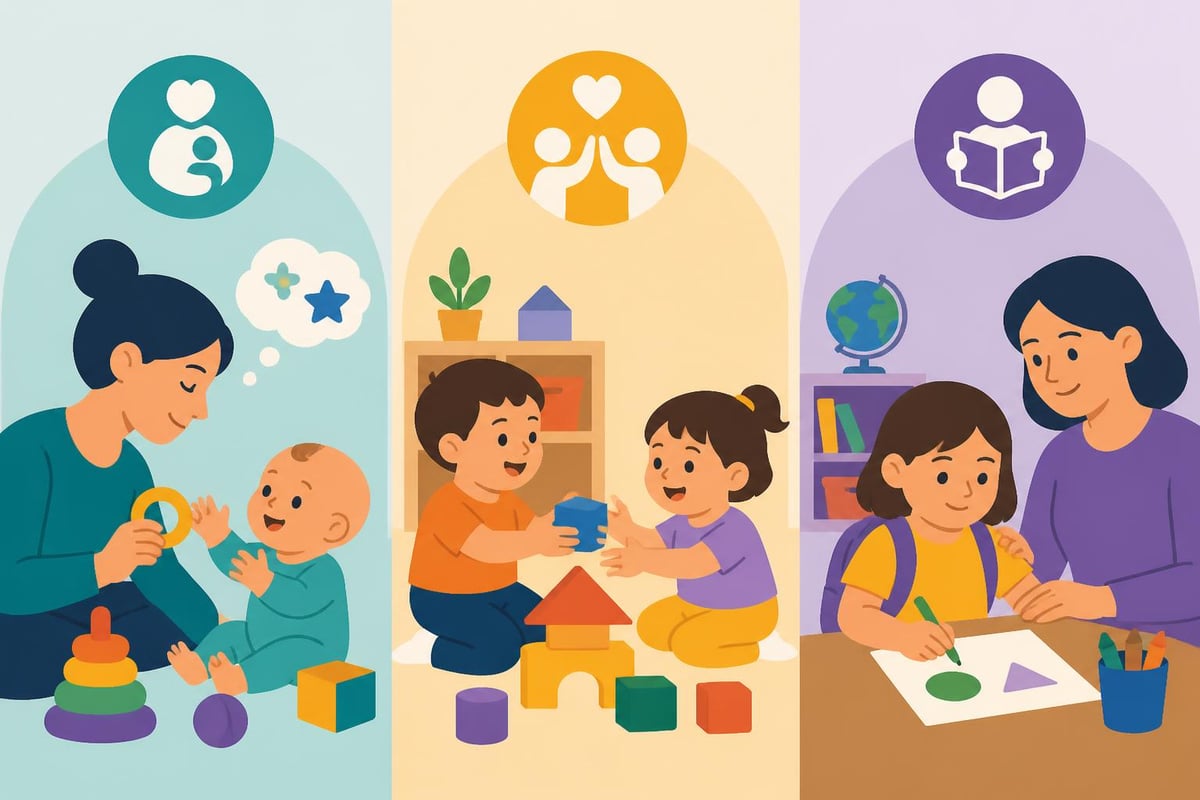
Each program type emphasizes different developmental milestones and learning objectives. Infant programs prioritize attachment, sensory exploration, and basic motor skill development. Toddler programs introduce early language skills, socialization, and independence. Preschool programs incorporate structured learning activities that build school readiness.
Cost Considerations for Springfield Childcare
Budget planning represents a critical component of the childcare selection process. Families need realistic expectations about expenses to make sustainable arrangements that don't create financial strain.
Average Costs and Pricing Structures
Springfield childcare costs vary based on several factors including the child's age, program type, and hours of care needed. Infant care typically costs more than care for older children due to the higher staff-to-child ratios required. According to daycare cost data for Springfield, MO, families can expect varying price points depending on the specific program and services included.
| Age Group | Weekly Cost Range | Monthly Average |
|---|---|---|
| Infants (0-12 months) | $180-$280 | $780-$1,210 |
| Toddlers (1-2 years) | $165-$250 | $715-$1,080 |
| Preschool (3-5 years) | $150-$230 | $650-$995 |
| School-age | $120-$180 | $520-$780 |
These figures represent general ranges, and actual costs depend on location within Springfield, program quality indicators, and included services such as meals, educational materials, and transportation.
Financial Assistance and Support
Many families qualify for childcare assistance programs that reduce out-of-pocket expenses. State subsidies, employer-sponsored childcare benefits, and tax credits can significantly offset costs. The Engage Springfield Dashboard provides comprehensive data on childcare costs and available community resources.
Some providers offer sliding scale fees based on family income, sibling discounts, or flexible payment plans. Investigating all available options before committing to a program ensures you access every benefit for which your family qualifies.
Quality Indicators in Springfield Childcare
Not all childcare programs offer the same level of quality or developmental support. Understanding what distinguishes exceptional care from adequate care empowers you to evaluate programs effectively.
Licensing and Accreditation
Licensed childcare providers meet minimum state safety and operational standards. However, accreditation from organizations like the National Association for the Education of Young Children (NAEYC) or the National Association for Family Child Care (NAFCC) indicates programs that exceed basic requirements.
Quality indicators include:
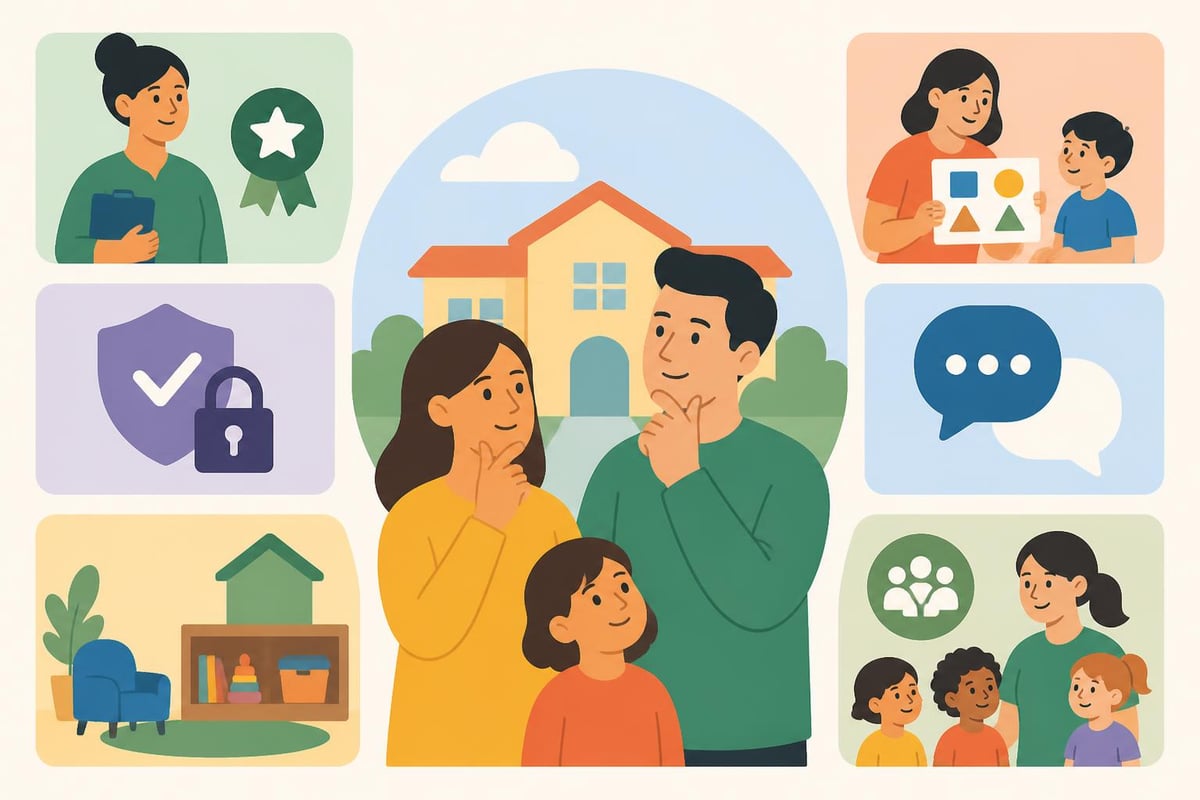
- Low child-to-caregiver ratios that allow individual attention
- Age-appropriate curriculum aligned with developmental stages
- Safe, clean, well-organized environments with designated learning areas
- Trained, experienced educators with ongoing professional development
- Strong communication systems keeping parents informed and involved
- Positive discipline approaches that teach rather than punish
Home-based programs often excel in creating family-like atmospheres where children receive individualized care. These settings naturally promote mixed-age interactions similar to sibling relationships, supporting social-emotional learning.
Caregiver Qualifications and Experience
The people caring for your child matter more than any other factor. Exceptional caregivers bring education, experience, and genuine passion for early childhood development. They understand child psychology, recognize developmental milestones, and adapt their approach to each child's unique temperament and needs.
Look for providers who engage in continuing education, stay current with best practices, and demonstrate cultural competency. The relationship between caregiver and child forms the foundation for all learning and growth during these critical early years.
Navigating the Selection Process
Choosing Springfield childcare requires systematic research and thoughtful evaluation. Starting your search early provides time to tour multiple programs, ask detailed questions, and make comparisons without time pressure.
Steps to Find the Right Fit
- Define your priorities including location, hours, philosophy, and budget
- Research available programs through community resources and recommendations
- Schedule tours at your top choices during regular operating hours
- Prepare questions about curriculum, policies, and daily routines
- Observe interactions between caregivers and children during visits
- Check references from current and former families
- Review contracts carefully before making commitments
Organizations like Foundations For Success Springfield offer guidance on early childhood development and can help parents understand what to look for in quality programs.
Questions to Ask During Tours
| Category | Key Questions |
|---|---|
| Daily Routine | What does a typical day look like? How much time is spent on different activities? |
| Communication | How do you keep parents informed? What's your policy on photos and updates? |
| Health & Safety | What are your sick child policies? How do you handle emergencies? |
| Curriculum | What learning approach do you follow? How do you support school readiness? |
| Transitions | How do you help children adjust? What's your process for addressing behavioral concerns? |
Trust your instincts during tours. The program that feels right for your family often is the right choice, even if it doesn't check every box on your list.
Home-Based vs. Center-Based Care
The decision between home childcare and center-based programs represents a significant crossroads for many families. Each model offers distinct advantages that appeal to different priorities and circumstances.
Benefits of Home-Based Springfield Childcare
Home childcare programs provide intimate, family-style environments where children experience consistent relationships with caregivers. These settings typically serve smaller groups, allowing for more individualized attention and flexible scheduling. Many home providers maintain the same children from infancy through school age, creating stability and continuity.
Additional advantages include:
- More flexible hours accommodating non-traditional work schedules
- Home-cooked meals tailored to dietary needs and preferences
- Mixed-age groupings that mirror family dynamics
- Lower illness transmission rates due to smaller group sizes
- Personalized approaches reflecting each child's learning style
For families seeking infant care programs, home-based options often provide the nurturing, attachment-focused care that supports healthy development during those crucial early months.
Center-Based Program Advantages
Large childcare centers offer different strengths, including specialized facilities with dedicated learning spaces, on-site support staff like directors and curriculum coordinators, and comprehensive programs with structured activities. Centers may provide more socialization opportunities with same-age peers and typically maintain consistent operations even when individual staff members are absent.
The choice between home and center care depends on your child's temperament, your family's schedule, and your priorities around group size and program structure. Some children thrive in the bustling activity of centers, while others flourish in quieter home environments.
Community Resources and Support Networks
Springfield childcare doesn't exist in isolation. Strong community organizations work to support families, improve access to quality care, and strengthen the overall childcare infrastructure.
Local Organizations Making a Difference
The Springfield Area Parent Child Center provides various services including childcare support, family education, and community resources. These organizations understand the challenges families face and offer practical assistance.
For families experiencing crisis situations, the Mini O’Beirne Crisis Nursery offers free, 24-hour emergency childcare services, providing a critical safety net that helps prevent child abuse and neglect.
Community planning efforts continue to address childcare challenges. According to Springfield’s childcare and early education planning initiative, local stakeholders are working together to improve access and affordability across the community.
Special Considerations for Working Families
Parents balancing careers with childcare responsibilities face unique scheduling and logistical challenges. Finding Springfield childcare that aligns with work commitments while supporting children's needs requires careful planning.
Coordinating Schedules and Transitions
Many families need care during non-traditional hours, including evenings, weekends, or rotating shifts. Home-based providers often offer greater flexibility than centers with fixed operating hours. Discussing schedule needs upfront ensures compatibility before enrollment.
Drop-off and pickup routines significantly impact daily stress levels. Choosing daycare in Springfield, VA near your home or workplace minimizes commute complications and allows for easier participation in program activities.
Building Strong Communication
Successful childcare arrangements depend on open, consistent communication between parents and caregivers. Daily updates about meals, naps, activities, and developmental observations help parents stay connected to their children's experiences. Many providers now use apps or digital platforms for sharing photos, notes, and important information.
Regular conferences provide opportunities to discuss developmental progress, address concerns, and align on approaches to learning and behavior. This partnership approach ensures consistency between home and childcare settings.

Preparing Your Child for Springfield Childcare
Starting childcare represents a major transition for children and parents alike. Thoughtful preparation eases adjustment and sets the stage for positive experiences.
Gradual Transitions and Adjustment Periods
Most quality programs recommend gradual transitions where children start with shorter visits that progressively lengthen. This approach allows children to become familiar with new environments, routines, and caregivers before parents leave for full days.
Strategies that support successful adjustment include:
- Visiting the program together before the start date
- Maintaining consistent goodbye routines that are brief and positive
- Bringing comfort items like special blankets or stuffed animals
- Establishing predictable pickup times and routines
- Staying calm and confident during drop-off
Children typically adjust within two to four weeks, though timelines vary based on age, temperament, and previous separation experiences. Ongoing communication with caregivers helps address any challenges that arise.
Evaluating and Monitoring Quality Over Time
Selecting Springfield childcare isn't a one-time decision. Regularly reassessing whether your current arrangement continues meeting your child's evolving needs ensures you maintain quality care throughout the early years.
Ongoing Assessment Indicators
Pay attention to your child's behavior, emotions, and development as indicators of program quality. Children in positive childcare environments typically show:
- Eagerness or contentment about going to childcare
- Positive relationships with caregivers and peers
- Developmental progress across domains
- Happy mood and healthy adjustment at home
- Stories and memories about daily activities
Concerning signs include persistent separation anxiety beyond the adjustment period, regression in behaviors, unexplained injuries, or reluctance to discuss childcare experiences. Address any concerns promptly with providers and trust your parental instincts about your child's wellbeing.
Making the Most of Your Childcare Partnership
The relationship between families and childcare providers functions best as a genuine partnership where both parties contribute to children's growth and wellbeing. Parents who engage actively with programs enhance outcomes for their children.
Active Participation Strategies
- Attend parent meetings, celebrations, and special events when possible
- Share information about your child's interests, fears, and home experiences
- Follow through on provider recommendations for consistency
- Volunteer for program activities or fundraising efforts
- Provide feedback both positive and constructive
Viewing your childcare provider as a partner in raising your child creates collaborative relationships that benefit everyone involved. Mutual respect and open communication form the foundation for these important connections.
For families interested in exploring various options, reviewing our gallery can provide insights into different program environments and approaches to care.
Staying Informed About Industry Developments
The childcare field continues evolving with new research on child development, innovative teaching approaches, and changing regulations. Staying informed helps you advocate for quality care and make educated decisions.
Reading resources like our blog keeps you updated on current topics, best practices, and local developments affecting Springfield childcare. Understanding broader trends empowers you to ask informed questions and recognize quality programs.
Organizations like Springfield CARES work to strengthen childcare systems, supporting both providers and families to improve overall community access to quality care.
Finding the right Springfield childcare requires research, careful evaluation, and trust in your parental instincts. Quality care supports your child's development while giving you confidence and peace of mind during working hours. Whether you choose center-based programs or prefer the intimate setting of home childcare, partnering with experienced, dedicated caregivers makes all the difference. Step by Step Care offers the personalized, nurturing environment where your child can thrive during these foundational years-reach out today to learn more about our home-based approach to early childhood education.


