

Creating a Safe and Nurturing Infant Home Environment
Creating a nurturing and safe infant home environment requires thoughtful planning, consistent attention to safety details, and a deep understanding of developmental needs during the first year of life. Whether you're a parent preparing your residence or a childcare provider setting up a professional space, establishing the right foundation ensures infants thrive physically, emotionally, and cognitively. The infant home setting plays a critical role in shaping early experiences, and understanding best practices for safety, routines, and developmental support helps caregivers provide exceptional care during these formative months.
Essential Safety Standards for Infant Care Spaces
Safety forms the cornerstone of any quality infant home environment. Before bringing a baby into any space, caregivers must conduct a comprehensive safety assessment that addresses multiple hazard categories.
Room-by-Room Safety Checklist
Every area where an infant spends time requires specific safety measures. Start with the nursery or primary care space by securing furniture to walls, ensuring cribs meet current safety standards, and removing all loose bedding, pillows, and stuffed animals that could pose suffocation risks.
Kitchen and feeding areas demand particular attention:
- Install safety locks on all cabinets containing cleaning supplies or sharp objects
- Use back burners when cooking and turn pot handles inward
- Secure the refrigerator and oven with childproof latches
- Keep high chairs away from counters and tables where infants might push off
- Store small items like magnets and batteries out of reach
Bathroom safety extends beyond the bathing process itself. Never leave an infant unattended near water, even for a moment. The infant safety guidelines from Rochester Medical Center emphasize that drowning can occur in just one to two inches of water, making constant supervision essential.
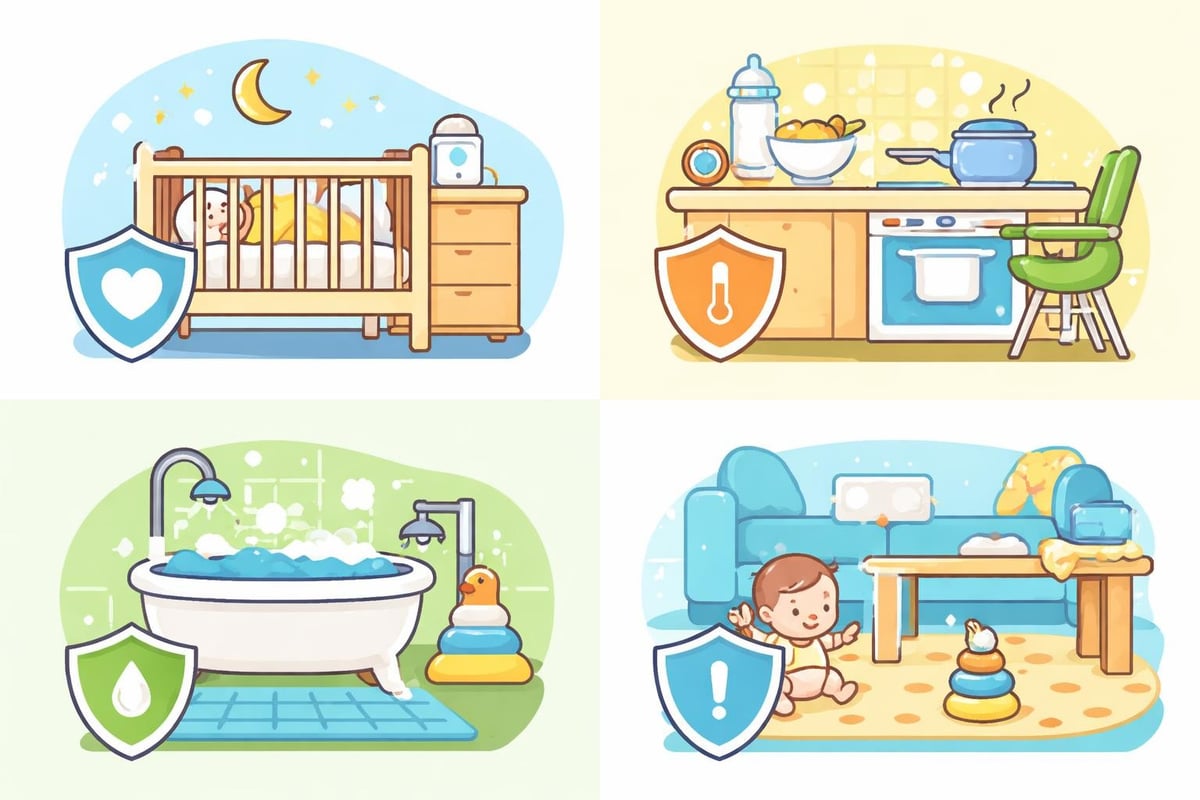
Living areas where infants spend awake time need soft, clean surfaces for floor play. Cover electrical outlets, secure cords behind furniture, and create boundaries around stairs with properly installed safety gates. Window blind cords should be shortened or eliminated entirely, as they present strangulation hazards.
Temperature and Air Quality Management
Maintaining appropriate environmental conditions supports infant health and comfort. Keep room temperatures between 68-72°F to prevent overheating during sleep while ensuring infants stay comfortably warm during awake periods.
| Environmental Factor | Recommended Range | Safety Consideration |
|---|---|---|
| Room Temperature | 68-72°F | Prevents SIDS risk from overheating |
| Humidity Level | 30-50% | Reduces respiratory irritation |
| Air Circulation | Moderate | Avoid direct drafts on infant |
| Lighting | Adjustable | Support natural sleep-wake cycles |
Air quality matters significantly for developing respiratory systems. Use fragrance-free cleaning products, maintain smoke-free environments, and ensure adequate ventilation without creating drafts directly on sleeping areas. Consider air purifiers in areas with environmental allergens, but position them away from cribs and play spaces.
Designing Developmentally Appropriate Infant Spaces
Beyond safety, the infant home environment should actively support developmental milestones. Understanding daily schedules for infant care helps structure spaces that accommodate changing needs throughout the day.
Creating Zones for Different Activities
Infants benefit from designated areas that support various activities. A sleep zone should remain dark, quiet, and temperature-controlled with minimal stimulation. Feeding areas need comfortable seating for caregivers, proper lighting for bottle preparation or nursing, and easy access to supplies.
Play spaces deserve particular attention as infants spend increasing time exploring their environment. Use clean, washable mats or carpets that provide cushioning for emerging motor skills. Position age-appropriate toys within reach but rotate them regularly to maintain interest and prevent overstimulation.
Essential elements for infant activity zones include:
- Tummy time areas with engaging, high-contrast visual materials
- Safe spaces for practicing rolling, sitting, and eventually crawling
- Sensory exploration stations with varied textures and sounds
- Calm-down corners with soft lighting and gentle stimulation
Supporting Motor Development Through Environment
The physical layout of an infant home directly influences motor skill development. For young infants, ensure plenty of supervised floor time on safe surfaces. Research on infant feeding and early development shows how physical environment and caregiving practices work together to support healthy growth.
As babies approach six months and begin showing signs of mobility, adjust the environment accordingly. Lower play materials to encourage reaching and grasping. Create safe pathways for early crawling attempts. Remove obstacles that could cause frustration while maintaining enough environmental interest to motivate movement.
Daily Care Routines in the Infant Home Setting
Consistency in daily routines provides security and helps infants develop healthy patterns for eating, sleeping, and activity. Professional childcare settings and family homes alike benefit from structured yet flexible schedules.
Feeding Schedules and Practices
Newborns typically feed every two to three hours, with this interval gradually extending as they grow. Whether bottle-feeding or supporting breastfeeding families, the infant home should have dedicated, comfortable feeding areas that minimize distractions and support bonding.
Key feeding environment considerations:
- Comfortable seating with good back support for caregivers
- Adequate lighting for nighttime feedings without full room brightness
- Easy access to feeding supplies, burp cloths, and cleaning materials
- Quiet atmosphere that reduces overstimulation during meals
- Proper refrigeration and preparation areas meeting health standards
Track feeding times, amounts, and any concerns about digestion or appetite. Home childcare providers particularly need detailed documentation systems to communicate effectively with parents about their infant's daily nutrition.
Sleep Safety and Schedule Development
Safe sleep practices remain non-negotiable in any infant home environment. Always place babies on their backs to sleep in cribs that meet current safety standards. The sleep surface should be firm with a tight-fitting sheet and absolutely no loose bedding, bumpers, or soft toys.
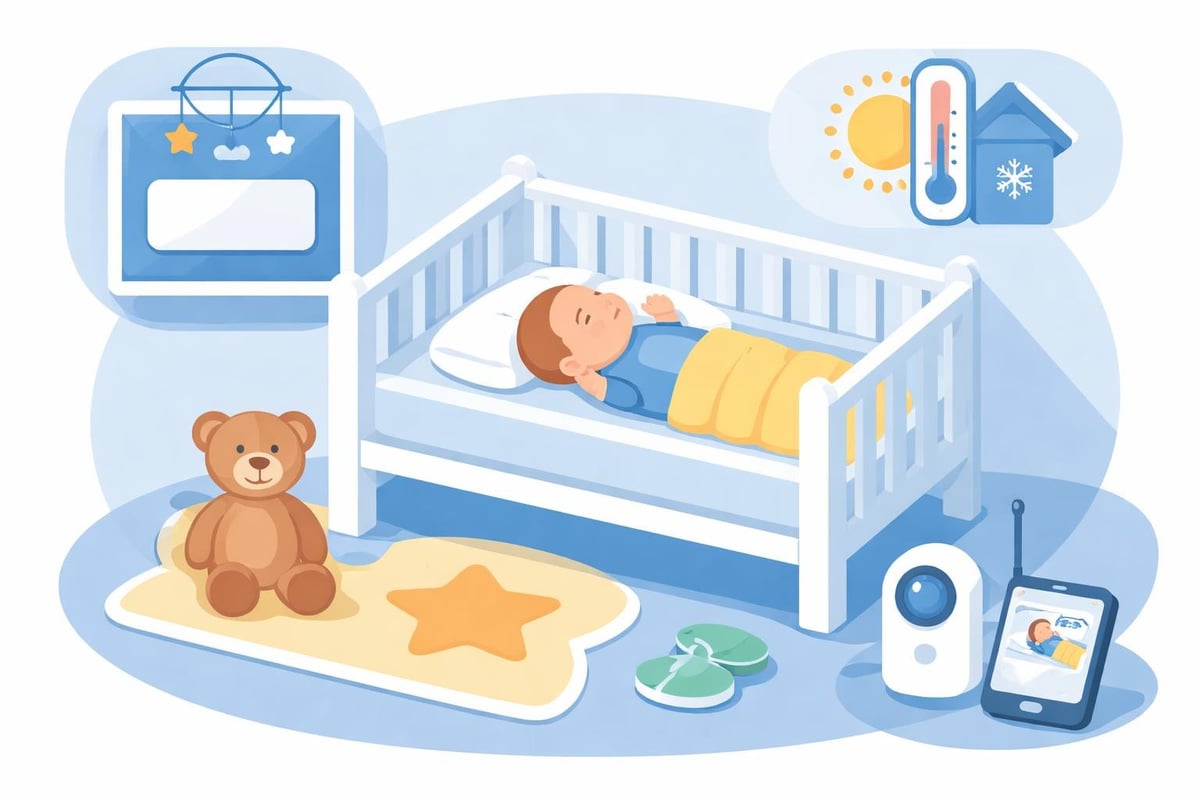
Newborns sleep 14-17 hours daily in multiple short periods, gradually consolidating into longer nighttime stretches. Support this natural progression by maintaining consistent bedtime routines, even for very young infants. Dim lights in the evening, keep nighttime interactions calm and brief, and help babies learn to differentiate day from night through environmental cues.
| Age Range | Typical Sleep Pattern | Environmental Support |
|---|---|---|
| 0-3 months | 14-17 hours, multiple periods | Dark room, white noise, consistent temperature |
| 3-6 months | 12-16 hours, longer stretches | Established bedtime routine, minimal nighttime stimulation |
| 6-12 months | 12-15 hours, 2-3 naps | Consistent schedule, comfort object if age-appropriate |
Health and Hygiene in Infant Care Environments
Maintaining exceptional cleanliness standards protects vulnerable immune systems while creating healthy spaces for growth and exploration. The infant home requires more frequent cleaning and disinfection than adult-only spaces.
Daily Cleaning Protocols
High-touch surfaces need daily attention with infant-safe cleaning products. Focus on changing tables, high chair trays, floor play areas, and any toys that enter babies' mouths. Comprehensive infant safety tips emphasize the importance of maintaining clean environments without exposing infants to harsh chemicals.
Wash bottles, nipples, and feeding equipment after each use with hot, soapy water or in the dishwasher. Sterilize these items regularly, especially for infants under three months or those with compromised immune systems. Keep separate cleaning supplies for food preparation areas and diaper changing stations to prevent cross-contamination.
Laundry in infant care settings accumulates quickly. Wash bedding, clothing, and soft toys in fragrance-free detergent using hot water when fabric allows. Change crib sheets at least twice weekly or immediately after any accidents. Bibs and burp cloths may need washing multiple times daily during active feeding periods.
Diaper Changing Best Practices
Establish a dedicated diaper changing area equipped with all necessary supplies within arm's reach but out of infant reach. Never leave a baby unattended on a changing surface, even for a second. Babyproofing recommendations include using safety straps on changing tables and keeping one hand on the baby at all times.
Complete diaper station setup includes:
- Changing pad with safety strap and washable cover
- Adequate supply of appropriately sized diapers
- Unscented wipes or warm washcloths
- Diaper cream and any prescribed ointments
- Hand sanitizer and soap for caregiver hygiene
- Sealed container for soiled diapers
- Change of clothes for common accidents
After each change, clean the changing surface with appropriate disinfectant and wash your hands thoroughly. Document diaper changes, noting any unusual appearance, frequency changes, or signs of diaper rash that might require attention.
Supporting Cognitive and Social-Emotional Development
The infant home environment shapes early brain development through daily interactions, sensory experiences, and emotional responsiveness. Creating spaces that encourage healthy attachment and cognitive growth requires intentional design and caregiver practices.
Language-Rich Environments
Even newborns benefit from hearing spoken language throughout their day. Narrate daily activities, read board books during calm periods, and engage in back-and-forth "conversations" when babies coo and babble. The infant home should include books appropriate for different developmental stages, from high-contrast images for newborns to simple story books for older infants.
Music also plays a valuable role in infant environments. Gentle lullabies support calming routines, while more upbeat songs can energize play periods. Avoid constant background noise, which can overstimulate and interfere with language processing. Instead, use music intentionally as part of specific activities or transitions.
Emotional Security and Attachment
Responsive caregiving forms the foundation of healthy emotional development. Promptly attending to infant cries, maintaining consistent caregivers when possible, and providing warm physical contact all support secure attachment formation. Quality daycare environments prioritize these relationship-based practices that help infants feel safe and valued.
Create opportunities for one-on-one interaction even in group care settings. During feeding, diapering, and play, focus fully on the individual infant rather than multitasking. Make eye contact, respond to vocalizations, and follow the baby's lead during interactions to build trust and communication skills.
Equipment and Supply Management
Properly selected and maintained equipment ensures both safety and developmental support in the infant home environment. Invest in quality items that meet current safety standards and replace anything that becomes damaged or recalled.
Essential Equipment Selection
Cribs represent the most critical equipment purchase, requiring adherence to current Consumer Product Safety Commission standards. Slats should be no more than 2⅜ inches apart, mattresses must fit snugly with no gaps, and drop-side cribs should never be used due to safety concerns. Essential baby safety practices emphasize choosing equipment that meets or exceeds current safety regulations.
High chairs need five-point harnesses, wide stable bases, and easy-to-clean surfaces. Position them away from walls or tables where infants might push off and tip. Always use safety straps and never leave infants unattended while seated.
Additional equipment considerations include:
- Properly installed car seats for transportation needs
- Age-appropriate swings or bouncer seats with safety restraints
- Play mats with adequate cushioning for floor activities
- Baby monitors with clear audio and optional video
- Properly sized gates for stairways and restricted areas
Toy Selection and Rotation
Choose toys appropriate for developmental stages, avoiding small parts that present choking hazards. For infants under one year, select items too large to fit through a toilet paper tube, which approximates the size of infant airways. Regularly inspect toys for damage, loose parts, or sharp edges that could cause injury.
Implement a toy rotation system to maintain infant interest without creating overwhelming clutter. Store toys in clean, covered containers when not in use. Wash plastic toys regularly in hot, soapy water or the dishwasher, and launder fabric toys according to care instructions.
Partnering with Families in Infant Care
When operating as a professional infant home childcare provider, effective communication with families creates partnerships that benefit everyone, especially the babies in your care. Understanding professional home childcare standards helps maintain these important relationships.
Daily Communication Systems
Establish reliable methods for sharing information about each infant's day. Many providers use daily reports documenting feeding times and amounts, diaper changes, sleep schedules, developmental observations, and special moments. Digital apps facilitate real-time updates, though some families prefer traditional written logs.
Share both routine information and noteworthy developments. Parents want to know about first smiles, new sounds, and emerging skills. They also need information about health concerns, changes in behavior, or any incidents that occurred during care. Transparency builds trust and helps families feel connected even while separated from their infants.
Supporting Consistency Between Home and Care Settings
Work with families to maintain similar routines, feeding schedules, and comfort techniques across environments. When infants experience consistent responses to their needs, they develop stronger security and adapt more easily to different settings. Discuss nap routines, feeding preferences, and soothing methods to ensure alignment.
Respect family cultural practices, dietary preferences, and parenting philosophies while maintaining safety standards. Injury prevention and safety measures remain non-negotiable, but many other aspects of infant care allow flexibility to honor family values and preferences.
Professional Development for Infant Care Providers
Providers operating an infant home childcare business must commit to ongoing learning about child development, safety updates, and best practices. The field of early childhood education continually evolves based on new research and updated safety standards.
Required Training and Certifications
Most states require specific certifications for home childcare providers, including CPR and first aid training specific to infants and children. Routine infant care protocols emphasize the importance of understanding developmental milestones, recognizing signs of illness, and knowing when to seek medical attention.
Additional valuable training includes:
- Safe sleep practices and SIDS prevention
- Infant nutrition and feeding best practices
- Recognizing developmental delays or concerns
- Communicable disease prevention and management
- Emergency preparedness specific to infant care
Maintain current knowledge about product recalls, updated safety guidelines, and emerging research on infant development. Subscribe to relevant newsletters, participate in professional organizations, and network with other infant care providers to share knowledge and resources.
Creating Professional Systems
Even in a home-based setting, maintain professional standards for documentation, scheduling, contracts, and health records. Clear policies about sick child care, vacation schedules, payment terms, and emergency procedures protect both providers and families.
Invest in liability insurance appropriate for infant care services. Keep meticulous records of all safety inspections, equipment maintenance, and training certifications. These professional practices distinguish quality infant home childcare from casual babysitting arrangements.
Emergency Preparedness in Infant Care Settings
Every infant home must have comprehensive emergency plans addressing various scenarios from natural disasters to medical emergencies. Preparation reduces panic and improves outcomes during crisis situations.
Medical Emergency Protocols
Post emergency contact numbers prominently, including poison control, local emergency services, and the nearest hospital emergency room. Maintain updated contact information for each infant's parents, backup contacts, and pediatrician. Keep authorization forms allowing emergency medical treatment readily accessible.
Stock a well-equipped first aid kit specifically designed for infant care. Include infant-appropriate fever reducers (with written parental permission), adhesive bandages, sterile gauze, medical tape, scissors, tweezers, thermometer, and cold packs. Check supplies quarterly and replace expired items promptly.
Essential emergency preparation steps:
- Practice emergency drills including evacuation routes
- Keep evacuation supplies including diapers, formula, and water
- Post evacuation maps and procedures visibly
- Maintain working flashlights and battery-powered radio
- Store emergency supplies in easily accessible locations
- Document all drills and update procedures as needed
Choking and Breathing Emergencies
Infant CPR training requires regular renewal, as guidelines and techniques periodically change. Practice these skills regularly to maintain proficiency. Understand the difference between coughing (which indicates partial airway obstruction requiring monitoring) and true choking requiring immediate intervention.
Create a feeding environment that minimizes choking risks. Always supervise during meals, ensure infants sit upright while eating, and introduce solid foods following appropriate developmental timelines. Never offer high-risk foods like whole grapes, hot dogs, or hard candy to infants.
Creating a safe, nurturing infant home environment requires commitment to safety standards, developmental knowledge, and responsive caregiving practices that support each baby's unique needs. Whether you're establishing a home-based childcare program or enhancing your family's space, these foundational elements ensure infants receive exceptional care during their critical first year. At Step by Step Care, we understand the importance of quality infant environments and partner with families to provide professional home childcare that prioritizes safety, development, and nurturing relationships. Contact us to learn how our experienced team can support your infant's growth and your family's needs.


