

Family Daycare Requirements: Complete 2026 Guide
Starting a family daycare is a rewarding way to serve your community while building a sustainable business. However, navigating the regulatory landscape requires understanding numerous requirements that vary by state and local jurisdiction. Whether you're launching a new home-based childcare program or ensuring your existing operation stays compliant, knowing what's expected can help you create a safe, nurturing environment for the children in your care. This comprehensive guide walks through the essential family daycare requirements you need to meet in 2026.
Understanding the Basics of Family Daycare Licensing
Family daycare licensing serves as the foundation for legal operation. Every state maintains its own licensing framework, but most follow similar principles designed to protect children's health and safety.
What Licensing Covers
Licensing standards for family child care homes establish minimum requirements that providers must meet. These regulations typically address:
- Physical environment safety standards
- Staff-to-child ratios
- Background check requirements
- Training and education mandates
- Health and sanitation protocols
- Emergency preparedness plans
The licensing process isn't just a one-time hurdle. Regular inspections and ongoing compliance monitoring ensure that family daycare requirements remain met throughout operation.
Types of Family Daycare Licenses
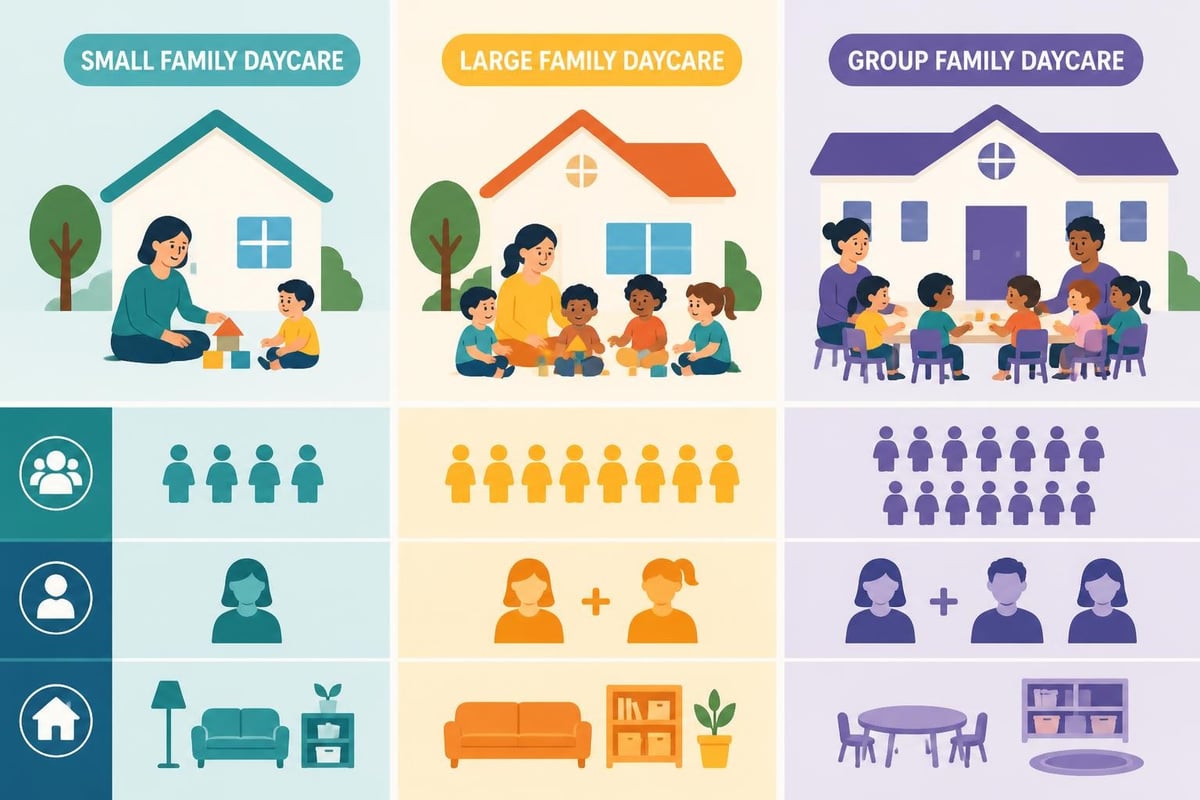
Most states offer different license categories based on capacity and services offered. A small family daycare might serve 6-8 children, while a large or group family daycare can accommodate 12-14 children with additional staff.
| License Type | Typical Capacity | Staff Requirements | Space Requirements |
|---|---|---|---|
| Small Family | 6-8 children | 1 primary provider | Dedicated play areas |
| Large Family | 9-12 children | 1 provider + assistant | Separate activity zones |
| Group Family | 13-14 children | 2-3 qualified staff | Commercial-grade space |
Understanding which license type fits your situation helps you prepare for the specific family daycare requirements that apply to your operation.
Physical Facility and Safety Standards
Your home becomes a regulated childcare facility once you obtain a license. This means meeting specific physical standards that protect children from hazards.
Space and Layout Requirements
Every licensed family daycare must provide adequate indoor and outdoor space for children to play, learn, and rest safely. Most states require a minimum of 35 square feet of indoor play space per child and 75 square feet of outdoor play space per child.
Critical facility elements include:
- Adequate lighting and ventilation in all areas used for childcare
- Safe, enclosed outdoor play areas with age-appropriate equipment
- Separate sleeping areas or designated rest spaces
- Accessible bathroom facilities with child-sized fixtures or step stools
- Kitchen areas that meet commercial food service standards if meals are prepared on-site
Your facility must undergo regular inspections to verify compliance with health and safety requirements. These inspections check everything from fire extinguisher placement to proper chemical storage.
Childproofing and Hazard Prevention
Family daycare requirements extend to every corner of your facility. Electrical outlets need covers, cabinets storing hazardous materials require locks, and stairs must have safety gates.
Windows above the first floor need guards to prevent falls. Water heaters must be set to 120°F or lower to prevent scalding. These details matter because inspectors will verify each one.
Staffing Qualifications and Training
The people caring for children represent the most important element of quality family daycare. Regulatory agencies recognize this through comprehensive staffing requirements.
Provider Qualifications
Primary caregivers must meet minimum age requirements (typically 18 or 21 years old) and educational standards. Many states now require:
- High school diploma or GED equivalent
- Minimum hours of early childhood education coursework
- CPR and first aid certification
- Specialized training in topics like child development and behavior guidance
- Annual continuing education hours to maintain licensure
Background checks form a non-negotiable part of family daycare requirements. Every adult living in or regularly present at the family daycare home must pass criminal background checks, including fingerprinting and child abuse registry searches.
Ongoing Training Mandates
Education doesn't stop after initial licensing. Understanding child care licensing requirements includes recognizing that providers must complete continuing education annually.
Common training topics include:
- Safe sleep practices for infants
- Recognizing and reporting child abuse
- Administering medication safely
- Managing food allergies and dietary restrictions
- Implementing developmentally appropriate practices
- Emergency response procedures
States typically require 12-24 hours of approved training annually. Tracking these hours and maintaining documentation helps you stay compliant during inspections.
Health and Safety Protocols
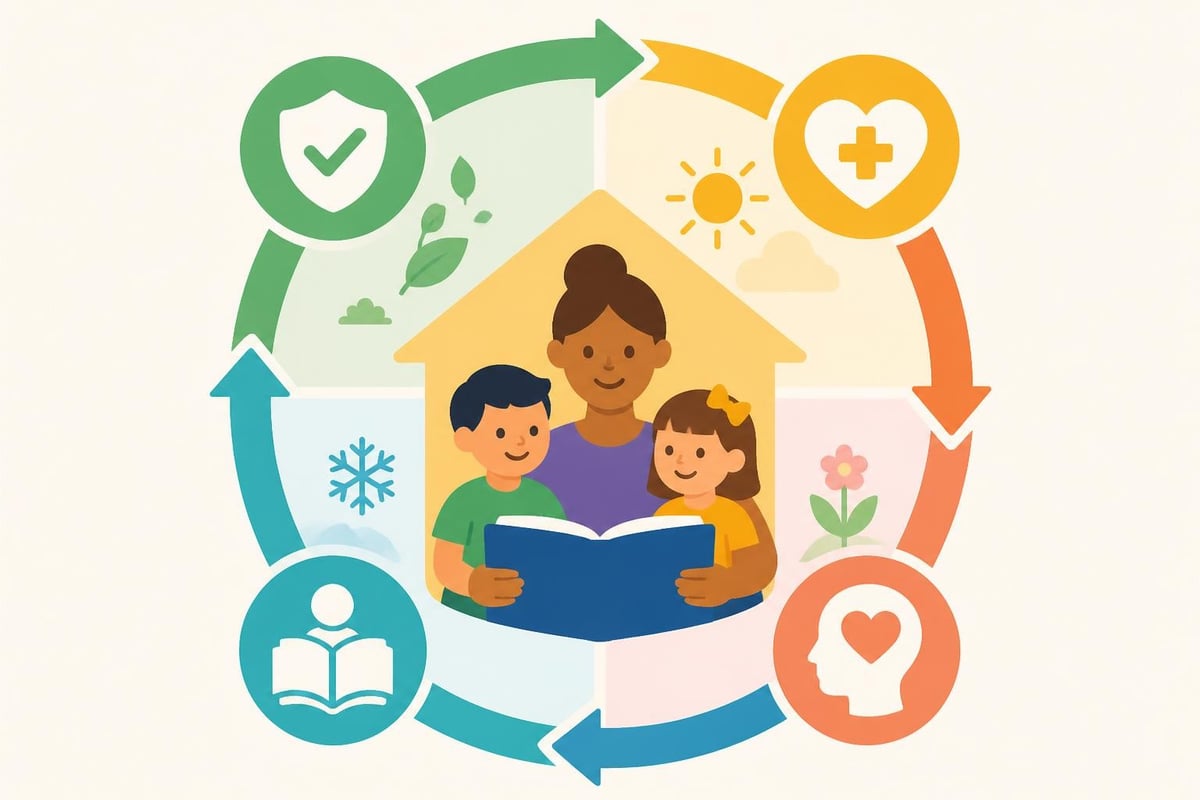
Comprehensive health and safety policies protect both children and providers. These family daycare requirements cover daily operations and emergency situations.
Daily Health Practices
Your program needs written policies addressing illness prevention, medication administration, and hygiene practices. Children arriving with fevers, contagious conditions, or communicable diseases must be excluded according to state guidelines.
Hand-washing protocols are mandatory before and after specific activities like eating, diapering, or handling bodily fluids. Your facility must maintain adequate supplies of soap, paper towels, and sanitizing products.
Immunization and Health Records
Every enrolled child must have current immunization records on file unless the family has a valid exemption. You'll also need emergency contact information, parental authorization forms, and documentation of any special health needs.
Medical emergency plans outline how you'll respond to injuries or sudden illnesses. This includes maintaining an appropriately stocked first aid kit and knowing when to call emergency services versus contacting parents.
Food Safety and Nutrition
If you provide meals or snacks, your kitchen must meet commercial food safety standards. Proper food storage, temperature control, and sanitation practices prevent foodborne illness.
Many states now require family daycare programs to follow the USDA Child and Adult Care Food Program (CACFP) nutritional guidelines. These standards specify serving sizes, food groups, and meal patterns that support children's healthy development.
Emergency Preparedness and Response
Natural disasters, fires, medical emergencies, and other crises require advance planning. Family daycare requirements mandate written emergency plans that address multiple scenarios.
Required Emergency Plans
Your emergency preparedness documentation must cover:
- Fire evacuation procedures with posted escape routes
- Severe weather protocols (tornadoes, hurricanes, earthquakes)
- Lockdown procedures for security threats
- Missing child protocols
- Medical emergency response steps
Practice drills help children and staff respond calmly during actual emergencies. Most states require monthly fire drills and quarterly severe weather drills, with documentation of each practice session.
Communication Systems
Emergency contact information must be current and accessible. Many providers now use digital systems to store parent contact details, authorized pickup lists, and medical information that can be accessed quickly during crises.
Regulated child care programs must have backup communication methods when power or internet service fails. This might include battery-powered radios, charged cell phones, or landline telephones.
Record Keeping and Documentation
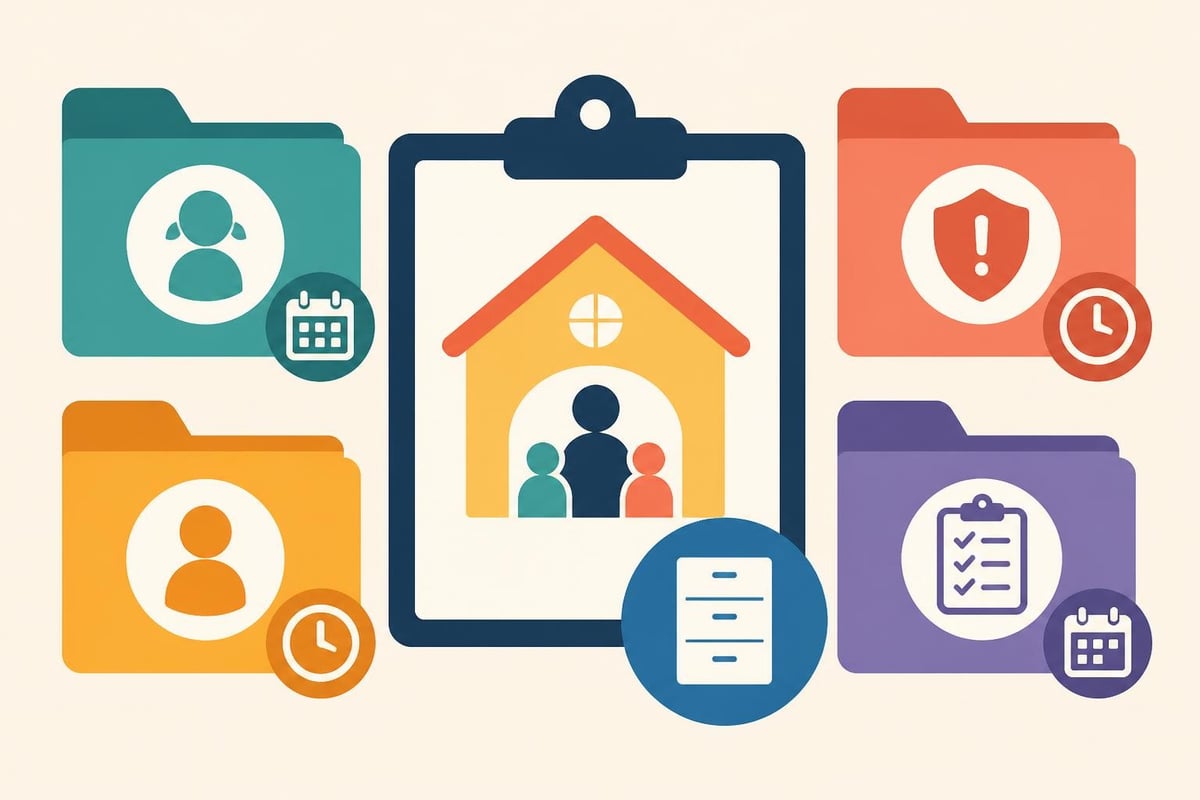
Thorough documentation demonstrates compliance with family daycare requirements and protects you legally. Your record-keeping system needs to capture multiple types of information.
Essential Records to Maintain
| Record Category | Retention Period | Key Contents |
|---|---|---|
| Child Files | 3-7 years after departure | Enrollment forms, health records, assessments |
| Staff Records | Duration of employment + 5 years | Qualifications, training certificates, evaluations |
| Attendance Logs | 3-5 years | Daily sign-in/out, arrival/departure times |
| Incident Reports | 5-7 years | Injuries, behavioral issues, unusual events |
| Inspection Reports | 5-10 years | Licensing visits, health inspections, fire marshal reviews |
Digital record-keeping systems offer advantages in organization and accessibility, but you must ensure data security and privacy compliance. Paper systems work but require substantial storage space and careful organization.
Daily Operational Logs
Beyond regulatory requirements, maintaining daily logs helps you track patterns, communicate with families, and demonstrate quality care. These logs might include meal times, nap schedules, diaper changes, activities completed, and notable behaviors or milestones.
Insurance and Business Requirements
Operating a family daycare involves more than meeting childcare regulations. You're running a business that needs proper insurance coverage and legal structure.
Required Insurance Coverage
Liability insurance protects you if a child is injured while in your care. Most states don't mandate specific coverage amounts, but licensing agencies often recommend minimum coverage of $300,000 to $1 million per occurrence.
Property insurance covers your facility and equipment. If you operate from your home, inform your homeowner's insurance company about your business use, as standard policies typically exclude commercial activities.
Additional coverage to consider:
- Vehicle insurance with business use rider if transporting children
- Workers' compensation if you employ staff
- Professional liability insurance
- Business interruption insurance
Business Licensing and Taxes
Beyond childcare licensing, you may need a general business license from your city or county. Operating as a sole proprietor, LLC, or corporation affects your tax obligations and liability protection.
The IRS provides special tax considerations for family daycare providers. You can deduct a portion of home expenses like mortgage interest, utilities, and repairs based on the space and time used for childcare. Specialized tax software or professional guidance helps maximize legitimate deductions while maintaining compliance.
Capacity Limits and Enrollment Management
Family daycare requirements strictly regulate how many children you can serve simultaneously. These limits protect both children and providers from overwhelming situations.
Understanding Capacity Calculations
Capacity limits aren't just total headcount. States calculate ratios based on children's ages, with infants requiring more intensive care than preschoolers.
A typical small family daycare might be limited to:
- 2 infants (birth to 12 months)
- 3 toddlers (12-24 months)
- 6 preschoolers (2-5 years)
- 8 school-age children (5+ years)
However, you can't serve the maximum in every category simultaneously. Total capacity might be capped at 6-8 children with no more than 2 under age 2.
Age-Mix Considerations
Carefully managing your age mix helps you meet ratios while maintaining quality care. Many providers choose to specialize in particular age groups rather than serving the full birth-through-school-age spectrum.
Before accepting new enrollments, calculate whether adding a child maintains compliance with both total capacity and age-specific ratios. This planning prevents situations where you must turn away families or exceed legal limits.
Curriculum and Programming Standards
While group family daycare requirements and licensing standards focus heavily on health and safety, many states now include educational programming expectations in family daycare requirements.
Developmentally Appropriate Activities
Your daily schedule should include structured activities that support children's cognitive, physical, social, and emotional development. This doesn't mean formal academics for toddlers, but rather age-appropriate experiences like:
- Free play with diverse materials
- Outdoor exploration and gross motor activities
- Circle time with stories, songs, and group activities
- Creative expression through art, music, and movement
- Quiet time for rest or independent activities
Documentation of your curriculum helps demonstrate that you're providing educational value beyond basic supervision. Many quality rating systems now factor curriculum planning into their assessments.
Screen Time Limitations
Most states now regulate screen time in licensed childcare settings. Children under 2 typically cannot have any screen exposure, while older children might be limited to 30 minutes of high-quality educational programming daily.
Your policies should address how you'll handle parent requests for screen time and what alternatives you offer when children need calming activities or transitions.
Parental Communication and Involvement
Strong family partnerships enhance children's experiences and help you meet family daycare requirements around parental notification and involvement.
Required Communications
Licensing regulations typically mandate that you inform parents about:
- Policy changes affecting their children
- Incidents or injuries that occur during care
- Illness exposures or outbreaks
- Staff changes
- Licensing inspection results
Beyond these minimums, daily communication helps families feel connected to their children's experiences. Whether through verbal reports at pickup, written daily sheets, or digital apps, keeping parents informed builds trust.
Parent Rights and Complaint Processes
Parents have the right to visit your facility during operating hours without prior notice. They can request copies of inspection reports and must receive written notice of licensing violations.
Your parent handbook should explain how families can raise concerns or file complaints, including contact information for your licensing agency. Understanding home daycare licensing requirements includes recognizing that transparency with families prevents minor issues from escalating.
Monitoring and Ongoing Compliance
Meeting family daycare requirements isn't a one-time achievement. Ongoing compliance requires vigilance, organization, and commitment to continuous improvement.
Inspection Processes
Licensing agencies conduct announced and unannounced inspections to verify compliance. Announced inspections typically occur annually, while unannounced visits happen randomly to observe typical operations.
Inspectors review your physical space, check required documentation, observe caregiver-child interactions, and verify that ratios and health practices meet standards. Serious violations can result in corrective action plans, provisional licensing, or closure in extreme cases.
Self-Assessment Tools
Regular self-audits help you identify and correct issues before inspectors visit. Create checklists based on your state's licensing standards and review them monthly. This proactive approach demonstrates your commitment to quality care.
Many resources about what’s needed to start a daycare include self-assessment tools that help you evaluate your compliance status and identify improvement opportunities.
Quality Rating and Improvement Systems
Beyond basic licensing, many states offer voluntary quality rating systems that recognize programs exceeding minimum standards. Participating in these systems can help you attract families, qualify for higher reimbursement rates, and continuously improve your program quality.
These ratings typically assess factors like staff education, curriculum quality, family engagement, and environmental rating scale scores. While not required, pursuing higher quality ratings demonstrates your commitment to excellence.
Understanding and meeting family daycare requirements creates the foundation for a successful, sustainable childcare program. From initial licensing through ongoing compliance, these standards protect children while helping you build a professional operation that serves your community effectively. If you're ready to explore quality home childcare options or want to learn more about programs that exceed regulatory minimums, Step by Step Care provides the nurturing environment and professional standards families deserve.


