

Family Daycare Provider: Complete 2026 Guide
Choosing the right childcare option for your family represents one of the most significant decisions parents face. Among the various childcare settings available in 2026, family daycare providers continue to offer a unique blend of personalized attention, home-based learning environments, and flexible care arrangements that many families find invaluable. Understanding what distinguishes this childcare model and how to select the right provider can make all the difference in your child's early development and your family's daily routine.
Understanding the Family Daycare Provider Model
A family daycare provider operates a licensed childcare business from their own home, creating an intimate learning environment that typically serves smaller groups of children compared to traditional daycare centers. This home-based model has evolved significantly over the past decade, incorporating professional early childhood education standards while maintaining the warmth and flexibility that families value.
Key characteristics of family daycare providers include:
- Small group sizes, typically ranging from 4 to 12 children depending on state regulations
- Mixed-age groupings that encourage peer learning and sibling-like relationships
- Home-based settings that provide familiar, comfortable environments
- Often more flexible hours to accommodate non-traditional work schedules
- Lower child-to-provider ratios compared to institutional centers
The intimate nature of this care model allows providers to develop deep relationships with each child and family. Unlike larger facilities where children may transition between multiple classrooms and teachers, a family daycare provider often cares for the same children from infancy through preschool years, creating continuity that supports secure attachment and consistent developmental support.
Licensing and Regulatory Requirements
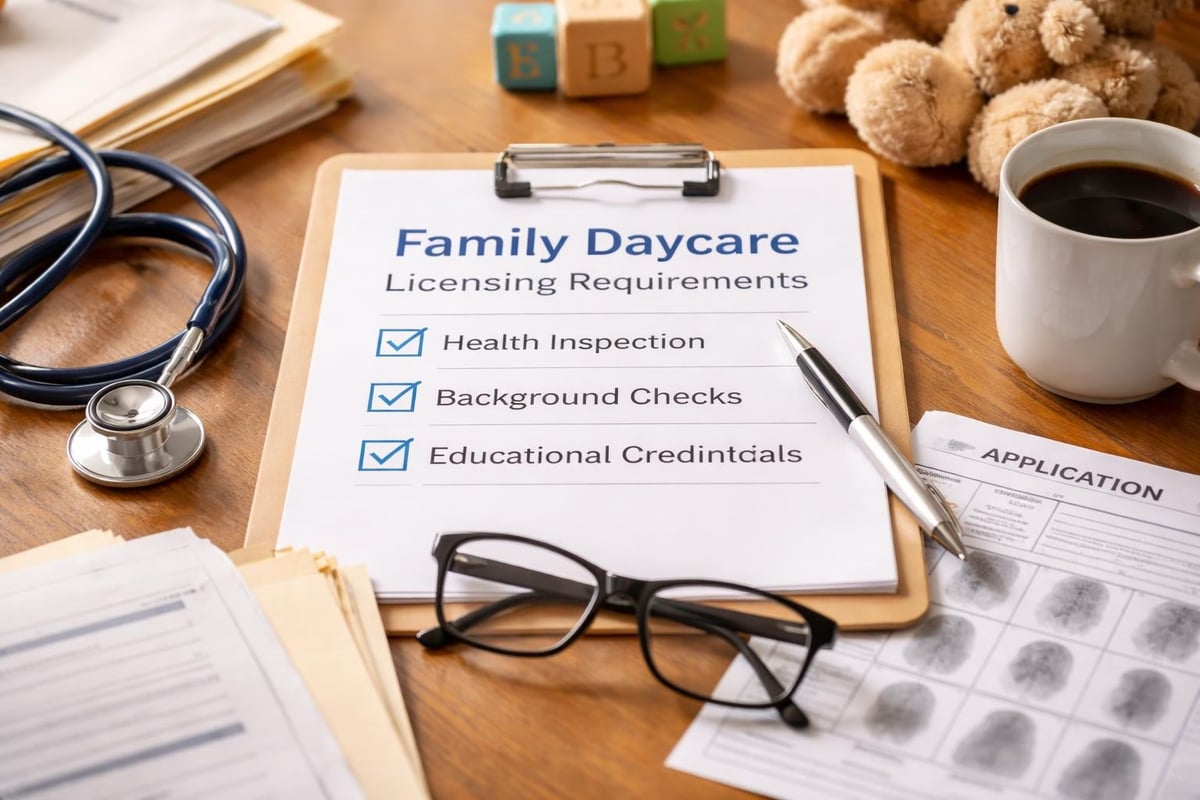
Every state maintains specific licensing requirements for family daycare providers, ensuring that home-based childcare meets established safety and quality standards. In 2026, these regulations have become increasingly comprehensive, reflecting the professionalization of the field and growing recognition of early childhood education's importance.
Essential Licensing Components
The Child Care Resource and Referral services in various states help families understand licensing requirements and verify provider credentials. Most states require family daycare providers to complete the following steps before opening:
- Background checks for all household members over age 18
- Home safety inspections covering fire safety, hazardous materials storage, and emergency preparedness
- Health and sanitation standards including food handling certifications
- Minimum training hours in early childhood development and first aid/CPR
- Ongoing professional development to maintain licensure
| Requirement Type | Typical Standard | Renewal Period |
|---|---|---|
| CPR/First Aid | Certification for all staff | Every 2 years |
| Background Check | State and federal clearance | Every 5 years |
| Fire Safety | Inspection and equipment | Annually |
| Training Hours | 15-20 hours continuing education | Annually |
| Health Inspection | Home environment review | Every 1-2 years |
Licensing also establishes maximum capacity limits based on the provider's home size, available outdoor space, and number of assistants. These regulations protect children while ensuring that family daycare providers can maintain the quality and attention that defines this care model.
Voluntary Accreditation Options
Beyond basic licensing, many family daycare providers pursue voluntary accreditation through organizations like the National Association for Family Child Care. This accreditation demonstrates commitment to higher standards in curriculum implementation, professional practices, and quality improvement.
Benefits of Choosing a Family Daycare Provider
Families increasingly recognize the distinct advantages that a family daycare provider offers compared to larger institutional settings. These benefits extend beyond convenience to encompass developmental, social, and practical considerations that align with many families' values and needs.
Personalized Attention and Curriculum
With smaller group sizes, a family daycare provider can tailor learning experiences to each child's developmental stage, interests, and learning style. This individualization proves particularly valuable for children with specific needs, those who thrive in quieter environments, or families seeking particular educational approaches.
The mixed-age grouping common in family daycare settings provides unique developmental benefits. Younger children learn through observation and interaction with older peers, while older children develop leadership skills and reinforce their own learning by helping younger ones. This structure mirrors natural family dynamics and promotes social-emotional growth that single-age classrooms cannot replicate.
Developmental advantages include:
- Customized learning activities matching individual readiness levels
- Flexible pacing that respects each child's developmental timeline
- Stronger provider-child relationships enabling responsive care
- Natural mentoring relationships between different age groups
Flexibility and Family Partnership
Many family daycare providers offer scheduling flexibility that institutional centers cannot match. This includes extended hours, occasional weekend care, and willingness to accommodate irregular work schedules that characterize many modern professions. The home-based nature also means providers often show greater flexibility during holidays, teacher planning days, and school breaks.
The partnership between parents and a family daycare provider tends to be more collaborative and communicative than relationships with larger centers. Daily face-to-face interactions facilitate ongoing dialogue about a child's progress, challenges, and changing needs. This partnership approach empowers parents as primary educators while leveraging the provider's professional expertise.
Selecting the Right Family Daycare Provider
Choosing a family daycare provider requires careful evaluation of multiple factors ranging from basic safety and licensing to philosophical alignment and interpersonal chemistry. Parents should approach this decision systematically while trusting their instincts about which environment feels right for their child.
Initial Research and Screening
Begin your search by consulting local resource and referral agencies that maintain databases of licensed providers in your area. These agencies can provide information about licensing status, any regulatory violations, and sometimes quality ratings that help you narrow your options.
The Administration for Children and Families resources offer valuable guidance on evaluating different care options and understanding what quality indicators to seek. When you're ready to explore in-home childcare options more thoroughly, create a structured evaluation process.
Essential screening questions include:
- What are your current hours of operation and holiday schedules?
- How many children do you currently serve, and what are their ages?
- What is your educational background and childcare experience?
- Can you provide references from current and former families?
- How do you handle illness, both for children and yourself?
- What is your backup care arrangement if you're unavailable?
On-Site Visits and Observations
Schedule visits during regular operating hours to observe the provider interacting with children in their care. This observation provides invaluable insight into the actual daily experience your child would have. The South Carolina guidance on choosing providers emphasizes the importance of multiple visits before making a final decision.
| Observation Area | What to Look For | Red Flags |
|---|---|---|
| Interaction Quality | Warm, responsive, age-appropriate communication | Harsh tone, ignoring children, excessive screen time |
| Environment Safety | Secured hazards, clean spaces, functioning equipment | Clutter, accessible cleaning products, broken toys |
| Learning Activities | Varied, engaging, developmentally appropriate | No structure, excessive television, limited materials |
| Child Behavior | Comfortable, engaged, happy expressions | Withdrawn behavior, excessive conflict, fear |
Pay attention to how children interact with the family daycare provider and whether they seem comfortable, happy, and engaged. Notice the variety of learning materials available and how the space is organized to support different types of play and learning.
Curriculum and Educational Philosophy
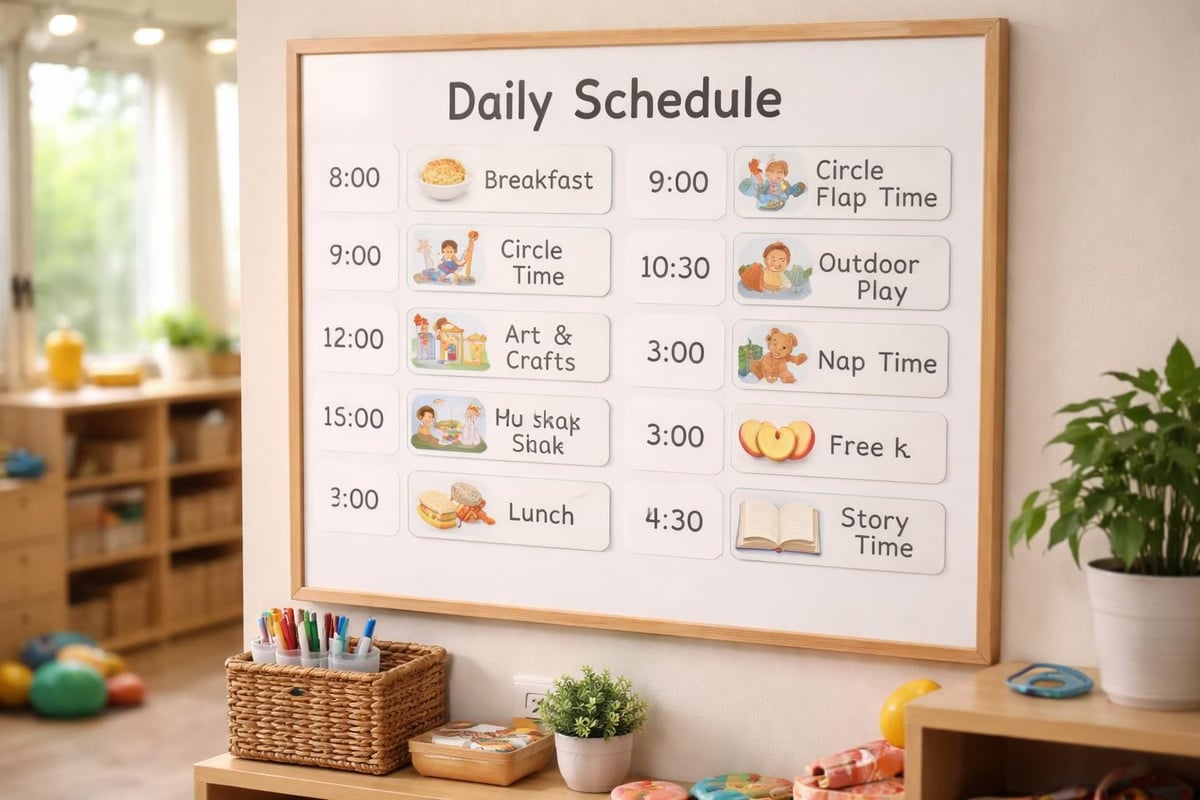
While a family daycare provider may not follow the same formal curriculum as larger centers, they should articulate a clear educational philosophy and approach to child development. Ask about typical daily schedules and how they balance structured learning, free play, outdoor time, and rest.
Understanding how providers approach discipline, screen time, nutrition, and parent communication helps ensure alignment with your family's values. Some providers incorporate specific methodologies like Montessori, play-based learning, or emergent curriculum, while others use an eclectic approach drawing from multiple philosophies.
Health, Safety, and Emergency Preparedness
A professional family daycare provider maintains rigorous health and safety protocols that protect children while supporting their developmental needs. These standards have evolved considerably, particularly following the 2020-2023 pandemic period, with enhanced emphasis on hygiene, illness prevention, and emergency readiness.
Daily Health and Safety Practices
Current best practices for family daycare providers include daily health checks upon arrival, frequent handwashing routines, regular sanitization of toys and surfaces, and clear illness policies that balance community health with family needs. Providers should maintain current CPR and first aid certifications and keep emergency supplies readily accessible.
Critical safety elements to verify:
- Secured outdoor play areas with age-appropriate, well-maintained equipment
- Proper storage of medications, cleaning supplies, and hazardous materials
- Working smoke detectors, carbon monoxide detectors, and fire extinguishers
- Written emergency evacuation plans and regular practice drills
- Current emergency contact information for all enrolled children
The Hawaii Department of Attorney General guidelines provide comprehensive safety checklists that families can use when evaluating providers. These resources help ensure no critical safety element is overlooked during your evaluation process.
Emergency Procedures and Communication
Ask potential providers about their emergency communication systems and how they would contact families during various scenarios. Many family daycare providers now use dedicated apps or text messaging systems that enable quick communication about schedule changes, health concerns, or emergencies.
Understanding backup plans proves essential. What happens if the provider becomes ill? Is there an approved substitute caregiver? How much notice do families receive if the provider needs to close unexpectedly? These practical considerations significantly impact family scheduling and require clear agreements upfront.
Building a Successful Partnership
Once you've selected a family daycare provider, the relationship's success depends on clear communication, mutual respect, and shared commitment to your child's wellbeing. The transition period deserves particular attention, as children adjust to new environments at different paces.
Transition and Adjustment Period
Most family daycare providers recommend a gradual transition with shorter initial visits that gradually extend to full days. This approach helps children build trust with their new caregiver and become familiar with routines before parents return to work. Discuss transition strategies during your initial conversations and remain flexible based on your child's response.
Expect some adjustment challenges, particularly with younger children or those new to group care. Separation anxiety, changes in sleep patterns, and temporary behavioral regression are normal responses that typically resolve within 2-4 weeks. Maintain consistent communication with your provider during this period to address concerns promptly.
Ongoing Communication and Feedback
Establish regular communication rhythms that work for both parties. Daily brief check-ins at pickup provide immediate updates, while periodic longer conversations allow for deeper discussions about developmental progress, emerging challenges, or program changes. Many providers also share photos, videos, or written summaries that help parents feel connected to their child's day.

The Family Enrichment Network resources emphasize that strong parent-provider partnerships benefit children through consistency between home and care environments. Share information about your child's interests, fears, achievements, and family changes that might affect behavior or needs.
Professional Development and Quality Improvement
The family daycare provider profession has become increasingly professionalized, with growing emphasis on continuing education, credential attainment, and participation in quality rating and improvement systems. These developments benefit families through enhanced care quality and evidence-based practices.
Credentials and Training
Many states now encourage or require family daycare providers to pursue the Child Development Associate (CDA) credential or higher education in early childhood education. These credentials demonstrate commitment to professional standards and provide providers with deeper understanding of child development, curriculum planning, and family engagement strategies.
Ask potential providers about their professional development activities, training hours completed annually, and areas where they're currently expanding their knowledge. Providers who actively pursue learning opportunities demonstrate commitment to excellence that translates into higher quality care.
Quality Rating Systems
Numerous states have implemented Quality Rating and Improvement Systems (QRIS) that assess and publicly report on childcare quality across various dimensions. These voluntary systems typically use star ratings or similar scales to help families compare options. While not all excellent family daycare providers participate in QRIS, those who do provide additional transparency about their practices.
The comprehensive resources from Florida’s Family Child Care Home Association help providers access professional development opportunities and connect with peer networks that support continuous improvement.
Cost Considerations and Financial Assistance
Understanding the full financial picture helps families make informed decisions about childcare arrangements. Family daycare provider rates vary significantly based on geographic location, provider qualifications, hours of operation, and the ages of children served.
Typical Pricing Structures
In 2026, family daycare providers typically charge between 15-30% less than commercial daycare centers in the same area, though this varies by region and provider credentials. Most providers charge weekly or monthly rates that may include meals, supplies, and activities, though some charge separately for these elements.
Common pricing considerations include:
- Infant care typically costs 20-40% more than preschool-age care
- Part-time arrangements may cost proportionally more per hour than full-time
- Registration fees, supply fees, or annual enrollment charges
- Additional costs for field trips, special activities, or extended hours
- Payment policies regarding holidays, sick days, and vacation closures
Always request detailed written fee schedules that clearly outline all costs, payment due dates, late pickup fees, and policies regarding payment during absences. This transparency prevents misunderstandings and helps families budget accurately.
Financial Assistance Options
Many families qualify for childcare subsidies or tax benefits that significantly reduce out-of-pocket costs. The Child and Dependent Care Tax Credit provides federal tax relief, while state-specific programs offer additional assistance based on income, family size, and employment status. Employers increasingly offer Dependent Care Flexible Spending Accounts (FSAs) that allow families to use pre-tax dollars for childcare expenses.
Contact your local Child Care Resource and Referral agency to explore subsidy programs available in your area. Many family daycare providers accept these subsidies, though some have waitlists or limits on subsidized enrollment to maintain financial stability.
Red Flags and Warning Signs
While most family daycare providers offer caring, safe environments, parents should remain alert to warning signs that indicate potential problems. Trust your instincts-if something feels wrong, investigate further or continue your search elsewhere.
Licensing and Compliance Concerns
Always verify that providers maintain current licensing and that their license displays no serious violations. Using the FamilyWise Services daycare checklist can help structure your evaluation and ensure you don't overlook critical factors.
Warning signs requiring immediate attention:
- Reluctance to provide references or allow unannounced visits
- Expired licenses, certifications, or background check clearances
- Unsafe physical environment with obvious hazards
- Inconsistent or evasive answers to direct questions
- High turnover of enrolled families without clear explanations
- Lack of written policies, contracts, or emergency procedures
Pay particular attention to how children already in care respond to the provider. Children should appear comfortable, engaged, and happy rather than fearful, withdrawn, or excessively clingy.
Communication and Professional Conduct
Professional family daycare providers maintain appropriate boundaries, communicate clearly and promptly, and handle conflicts constructively. Be wary of providers who resist questions, become defensive about policies, or fail to respond to concerns in timely fashion.
Contracts should be comprehensive, written clearly, and reviewed before enrollment. Never feel pressured to commit immediately-quality providers understand that families need time to evaluate options and make informed decisions.
The Future of Family Daycare
The family daycare provider model continues evolving to meet changing family needs while incorporating evidence-based practices from early childhood research. Technology integration, professional networks, and enhanced training opportunities are transforming how providers operate while maintaining the intimate, home-based character that defines this care model.
Many providers now use specialized childcare management software for attendance tracking, billing, parent communication, and developmental documentation. These tools professionalize operations while reducing administrative burden, allowing providers to focus more attention on direct child interaction and learning facilitation.
The growing recognition of early childhood education's importance has elevated family daycare providers from babysitters to recognized early childhood professionals. This shift benefits families through higher quality care, better-trained providers, and increased accountability through regulatory oversight and quality improvement systems.
Understanding how to start an in-home daycare yourself provides perspective on what quality providers invest in their businesses and the dedication required to succeed in this field. This knowledge helps families better appreciate the value that experienced, professional family daycare providers bring to their children's lives.
Selecting the right family daycare provider represents a significant investment in your child's development and your family's wellbeing. By systematically evaluating licensing status, safety standards, educational philosophy, and interpersonal fit, you can identify a provider who will nurture your child's growth during these critical early years. If you're seeking quality home-based childcare that combines professional standards with personalized attention, Step by Step Care offers experienced, licensed care in a nurturing environment designed to support each child's unique developmental journey.


