

Finding Excellent Daycares Near Me: Complete Guide
Finding excellent daycares near me requires more than a simple online search. Parents today face a critical decision that impacts their child's development, safety, and early learning experiences. The right childcare environment provides nurturing care, educational opportunities, and peace of mind while you're at work or managing other responsibilities. Understanding what separates exceptional daycares from average options helps you make an informed choice that serves your family's unique needs.
Understanding What Makes Daycares Excellent
Quality childcare encompasses multiple dimensions that work together to create an environment where children thrive. When searching for excellent daycares near me, parents should recognize that quality extends beyond clean facilities and friendly staff. The most impactful childcare settings integrate developmental best practices, safety protocols, and qualified caregivers into their daily operations.
Key Quality Indicators to Evaluate
The foundation of excellent childcare rests on specific, measurable characteristics that parents can observe and verify. Understanding child care quality rating systems helps parents interpret how different programs measure up against established standards.
Essential quality markers include:
- Low child-to-caregiver ratios that ensure individualized attention
- Age-appropriate curricula that support developmental milestones
- Qualified staff with early childhood education credentials
- Clean, safe environments that meet or exceed licensing requirements
- Strong communication practices between caregivers and families
- Structured daily routines balanced with free play opportunities
Different states and regions maintain their own quality standards. For example, New York’s QUALITYstarsNY framework provides comprehensive criteria that evaluate program quality across multiple domains.
The Home Daycare Advantage
Home-based childcare offers distinct benefits that appeal to many families seeking excellent daycares near me. These smaller-scale settings typically provide lower ratios, multi-age group interactions, and more flexible arrangements than larger centers. The intimate environment often mirrors a family setting, which can ease transitions for young children.
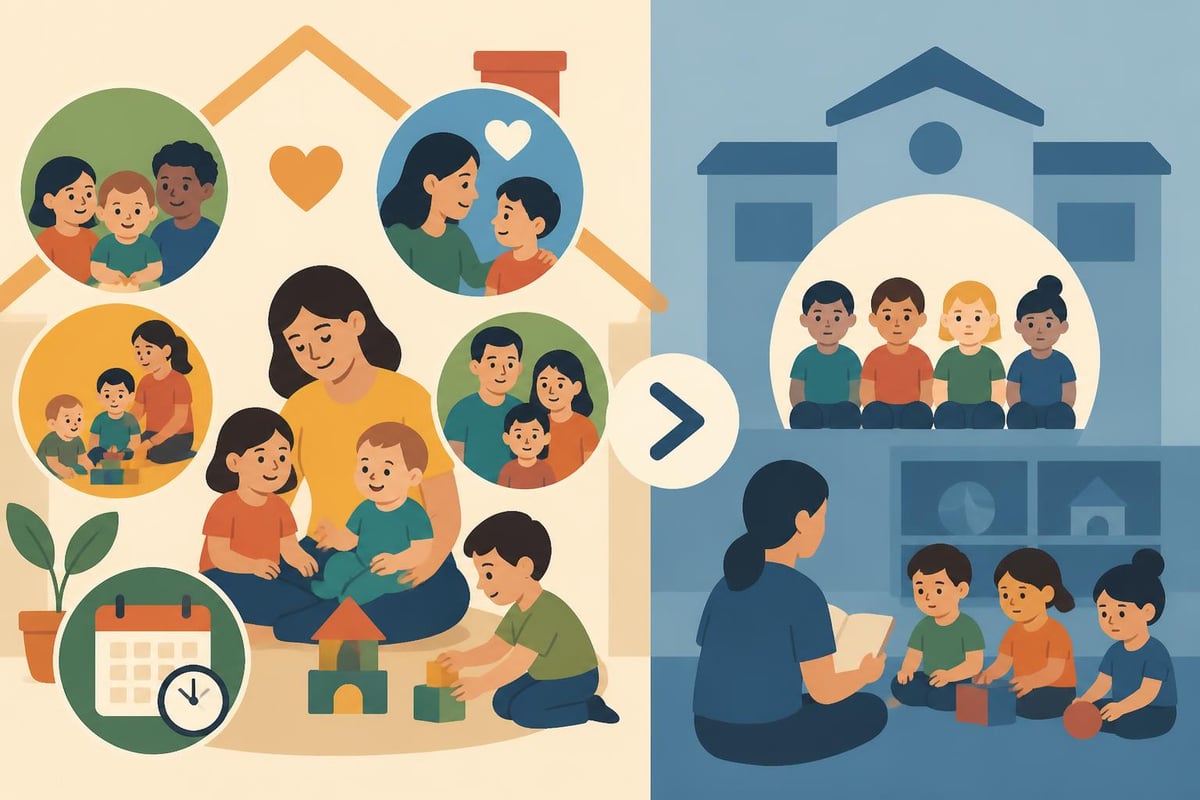
In-home daycare options create opportunities for children to develop in nurturing, home-like environments while receiving professional care. Providers like those at Step by Step Care specialize in delivering quality home-based programs that combine the warmth of family care with structured learning activities.
Conducting Your Search Effectively
Finding excellent daycares near me starts with knowing where to look and what resources provide reliable information. The search process benefits from a systematic approach that combines online research, personal visits, and community recommendations.
Utilizing Online Search Tools
Modern technology simplifies the initial stages of your childcare search. Several platforms aggregate licensing information, inspection records, and parent reviews in searchable databases. Daycare search tools allow parents to filter options by location, program type, and quality ratings.
Effective online search strategies:
- Start with licensed providers in your geographic area
- Review state inspection reports and violation histories
- Check quality rating scores where available
- Read parent reviews with attention to recurring themes
- Cross-reference multiple sources for accurate information
Remember that online research represents just the first step. Virtual information cannot replace in-person visits and direct conversations with providers.
Asking the Right Questions
When evaluating potential childcare options, prepared questions help you gather essential information systematically. Critical questions to ask daycare providers cover topics from daily schedules to emergency procedures.
| Question Category | Key Topics to Address |
|---|---|
| Safety & Health | Emergency protocols, illness policies, facility security, staff CPR certification |
| Educational Approach | Curriculum philosophy, learning activities, developmental assessments |
| Staff Qualifications | Training requirements, turnover rates, continuing education |
| Daily Operations | Schedules, meals, communication methods, drop-off/pick-up procedures |
| Practical Matters | Cost structure, availability, flexibility, waitlist status |
Evaluating Safety and Licensing Standards
Safety represents the non-negotiable foundation when searching for excellent daycares near me. Every state maintains licensing requirements that establish minimum safety and operational standards for childcare facilities. Understanding child care licensing regulations helps parents recognize which standards are mandatory versus which represent quality enhancements.
Licensing Requirements and Compliance
Licensed providers must meet specific criteria regarding facility safety, caregiver qualifications, health practices, and operational procedures. Regular inspections verify ongoing compliance with these standards. Parents should always verify that any childcare option they consider maintains current, valid licensing.
Critical licensing components:
- Background checks for all staff and household members
- Facility safety inspections covering fire, structural, and environmental hazards
- Minimum caregiver qualifications and training hours
- Child-to-staff ratio limitations by age group
- Health and sanitation standards
Beyond meeting minimum requirements, excellent providers often exceed licensing standards through voluntary quality improvements and additional certifications.
Safety Protocols and Emergency Preparedness
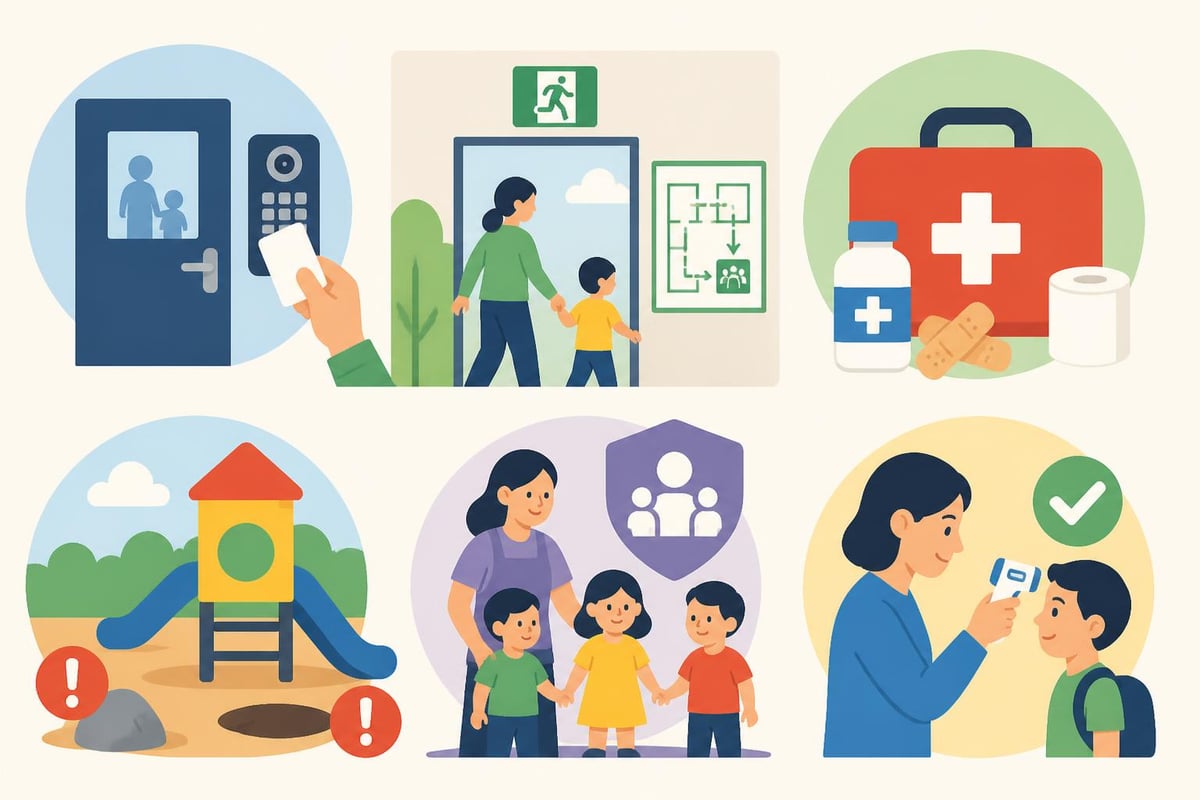
The best childcare programs maintain comprehensive safety systems that protect children in everyday situations and emergencies. During facility visits, observe safety features and ask providers to explain their protocols.
Parents should inquire about evacuation procedures, severe weather plans, medical emergency responses, and secure entry systems. Documentation of safety drills, emergency contact procedures, and incident reporting demonstrates a provider's commitment to preparedness.
Assessing Educational Quality and Development
Excellent daycares near me prioritize children's learning and development alongside their basic care needs. The early years represent a critical period for brain development, making the educational quality of childcare settings particularly important.
Curriculum and Learning Approaches
High-quality programs implement age-appropriate curricula that support development across multiple domains: cognitive, physical, social-emotional, and language. These structured approaches provide intentional learning opportunities while allowing children to explore and play.
Observe how caregivers interact with children during your visit. Quality programs feature:
- Caregivers who actively engage children in conversations and activities
- Materials and toys organized to encourage exploration and learning
- Daily schedules that balance structured activities with free play
- Activities adapted to individual children's developmental levels
- Documentation of children's progress and milestones
Programs like Little Feet Daycare integrate developmental best practices into daily routines, ensuring children receive both nurturing care and educational enrichment.
Social-Emotional Development Support
Beyond academic readiness, excellent childcare programs foster social-emotional skills that prepare children for school and life. These "soft skills" include self-regulation, empathy, cooperation, and problem-solving.
| Developmental Area | How Quality Programs Support Growth |
|---|---|
| Emotional Regulation | Teaching children to identify and manage feelings appropriately |
| Social Skills | Facilitating peer interactions, sharing, and conflict resolution |
| Independence | Encouraging self-help skills and decision-making within safe boundaries |
| Confidence | Providing positive reinforcement and opportunities for mastery |
Visiting and Interviewing Providers
No amount of online research substitutes for in-person observations when searching for excellent daycares near me. Facility visits reveal aspects of daily operations, atmosphere, and quality that descriptions cannot capture.
What to Observe During Visits
Schedule visits during regular program hours when children are present. This timing allows you to observe typical interactions, activities, and environments rather than staged presentations.
Focus your observations on:
- How caregivers interact with children (tone, patience, engagement level)
- Children's apparent happiness and comfort in the environment
- Cleanliness and organization of spaces
- Age-appropriateness of toys, materials, and activities
- Indoor and outdoor play areas (safety, variety, maintenance)
- Noise levels and overall atmosphere
Trust your instincts about how the environment feels. Parents often report that they "just knew" when they found the right fit for their family.
Understanding Provider Philosophy and Communication
Discussing childcare philosophy helps determine alignment between your values and the provider's approach. Topics worth exploring include discipline methods, screen time policies, outdoor play priorities, and approaches to toilet training or other developmental milestones.
Communication practices significantly impact the parent-provider partnership. Excellent providers maintain regular contact through daily reports, photos, scheduled conferences, and responsive communication about concerns or questions. Exploring Step by Step Daycare’s approach demonstrates how quality programs keep families informed and involved.
Comparing Costs and Practical Considerations
Finding excellent daycares near me involves balancing quality aspirations with financial realities and logistical needs. Childcare represents a significant family expense, but strategies exist to manage costs while maintaining quality standards.
Understanding Fee Structures
Childcare costs vary widely based on location, program type, age of children, and services included. Home-based programs often cost less than large centers while maintaining comparable quality standards. Request detailed fee schedules that clearly outline what's included and what incurs additional charges.
Common cost factors include:
- Full-time versus part-time enrollment
- Age of child (infant care typically costs more)
- Additional services (meals, transportation, extended hours)
- Registration and supply fees
- Holiday and vacation policies affecting payment
Some states offer childcare subsidies or tax benefits that reduce family expenses. Resources on choosing quality childcare include information about financial assistance programs available to eligible families.
Evaluating Location and Logistics
Practical considerations influence long-term satisfaction with childcare arrangements. A program's location relative to your home or workplace affects daily routines, commute times, and emergency response capabilities.
Additional logistical factors worth considering:
- Operating hours and flexibility for drop-off/pick-up times
- Backup care options when children are mildly ill
- Holiday and vacation closures
- Parking availability and traffic patterns
- Proximity to your work or home for emergency situations
Making Your Final Decision
After researching options, visiting facilities, and interviewing providers, parents must synthesize information to select the best option. This decision combines objective quality measures with subjective factors like personal comfort and family fit.
Trusting Your Parental Instincts
While checklists and quality indicators provide valuable guidance, parental intuition plays an important role in childcare decisions. Your comfort level with a provider, confidence in their capabilities, and sense of partnership matter tremendously.
Consider how well each option addresses your specific priorities. Families have different values regarding educational emphasis, outdoor time, religious or cultural alignment, and flexibility. The "best" program is one that meets your child's needs while aligning with your family's values and practical requirements.

Transitioning to Your Chosen Program
Once you've selected from excellent daycares near me and secured enrollment, thoughtful transition planning helps your child adjust successfully. Most quality programs offer gradual introduction periods where children spend increasing amounts of time at the facility while parents remain nearby.
Meeting the team at your chosen program before your child's first full day builds familiarity and comfort. Share information about your child's routines, preferences, and any special needs or considerations that help caregivers provide personalized attention.
Ongoing Evaluation and Communication
Selecting excellent daycares near me isn't a one-time decision. Ongoing assessment ensures the arrangement continues meeting your child's evolving needs and your family's expectations.
Maintaining Open Dialogue
Strong parent-provider relationships rely on regular, honest communication. Quality programs welcome parent feedback, address concerns promptly, and proactively share information about children's experiences and development.
Schedule periodic check-ins beyond daily brief exchanges. Formal conferences provide opportunities to discuss developmental progress, address any concerns, and align on approaches to emerging challenges or milestones.
Recognizing When Changes Are Needed
Sometimes childcare arrangements that initially seemed perfect no longer fit as children grow or family circumstances change. Exploring alternative programs when needs shift ensures children always receive appropriate care and education.
Signs that a childcare change might be warranted include persistent unhappiness from your child, communication breakdowns with providers, or developmental needs that exceed the program's capabilities.
Supporting Your Child's Childcare Experience
Parents play crucial roles in helping children thrive in childcare settings. Your involvement, attitude, and support significantly influence your child's adjustment and enjoyment.
Creating Positive Transitions
Daily drop-offs and pick-ups set the tone for children's childcare experiences. Consistent, calm routines help children feel secure. Brief, cheerful goodbyes work better than prolonged departures that can heighten separation anxiety.
Strategies for smooth transitions:
- Maintain consistent morning routines before arrival
- Arrive with adequate time to avoid rushed drop-offs
- Bring comfort items if the provider permits
- Create goodbye rituals that provide closure
- Return promptly at pickup time to build trust
Extending Learning at Home
Quality childcare programs appreciate when families reinforce concepts and skills at home. Ask caregivers about current learning themes, songs, or activities you can reference during family time. This continuity strengthens children's learning and demonstrates partnership between home and childcare settings.
Viewing examples through program galleries provides ideas for extending childcare activities and themes into home environments, creating cohesive developmental experiences.
Finding excellent daycares near me requires thorough research, careful observation, and trust in your parental instincts to identify programs that prioritize safety, development, and nurturing care. By evaluating quality indicators, visiting facilities, and maintaining ongoing communication with providers, you can secure childcare that supports your child's growth while meeting your family's practical needs. Step by Step Care understands the importance of creating home-based childcare environments where children receive personalized attention, structured learning opportunities, and the warmth of family-style care. Contact us today to learn how we can partner with your family to provide the excellent childcare your child deserves.


