

Early Childhood Childcare: A Complete Guide for 2026
Choosing the right care environment for young children represents one of the most significant decisions parents face. Early childhood childcare serves as more than just a supervised space while parents work-it functions as a critical developmental foundation where children build cognitive, social, emotional, and physical skills that shape their entire lives. Understanding what constitutes quality care, how different environments support development, and what to look for when evaluating programs empowers families to make informed choices that benefit their children for years to come.
Understanding Early Childhood Development Needs
The first five years of life constitute a period of extraordinary brain development, with neural connections forming at rates that never occur again throughout the lifespan. During this time, children absorb information from every interaction, environment, and experience. Quality early childhood childcare recognizes these developmental realities and structures programs to support each domain of growth intentionally.
Physical Development and Safety
Young children develop motor skills through active exploration and movement. Effective childcare environments provide both indoor and outdoor spaces where children can safely practice gross motor skills like running, climbing, and balancing, alongside fine motor activities such as drawing, building with blocks, and manipulating small objects.
Safety standards must address:
- Age-appropriate equipment and materials
- Proper supervision ratios
- Clean and sanitized environments
- Emergency preparedness protocols
- Secure entry and exit procedures
Home-based programs like those offered through home childcare settings often provide intimate environments where providers can closely monitor individual children while maintaining flexibility in activity planning.

Cognitive and Language Development
Between birth and five years, children's brains are particularly receptive to language acquisition and cognitive skill development. The CDC emphasizes early care’s role in promoting children’s health and well-being, including cognitive development through structured learning experiences.
Providers support cognitive growth through:
- Conversations and vocabulary building – Engaging children in dialogue throughout the day
- Problem-solving opportunities – Offering puzzles, open-ended materials, and challenges
- Literacy exposure – Reading books, singing songs, and introducing written language
- Mathematical thinking – Counting, sorting, patterning, and spatial reasoning activities
- Scientific exploration – Investigating cause and effect through hands-on experiments
Early childhood childcare that prioritizes these elements creates rich learning environments where curiosity flourishes naturally.
Quality Indicators in Early Childhood Programs
Not all childcare programs deliver the same level of developmental support. Recognizing quality indicators helps parents identify environments where their children will truly thrive rather than simply be supervised.
Caregiver Qualifications and Training
The most critical factor in program quality remains the caregivers themselves. Research consistently demonstrates that well-trained, educated providers deliver better developmental outcomes for children. The American Academy of Pediatrics outlines quality indicators that include staff credentials and ongoing professional development.
| Quality Element | What to Look For |
|---|---|
| Education | Child development degrees or certifications |
| Experience | Years working with specific age groups |
| Training | Regular professional development participation |
| Ratios | Low child-to-provider ratios appropriate for age |
| Stability | Low staff turnover rates |
Curriculum and Daily Structure
Effective early childhood childcare balances structured activities with child-initiated play. Programs should follow developmentally appropriate practices that recognize individual differences while supporting growth across all domains.
A typical day might include:
- Circle time for group learning and community building
- Center-based play allowing children to choose activities
- Outdoor exploration supporting physical development
- Meal and snack times teaching social skills and healthy habits
- Rest periods appropriate to age and individual needs
- Small group instruction targeting specific skills
The evidence-based practices recommended by ECTA Center emphasize integrating research, professional expertise, and family input when designing curricula and daily routines.
The Home-Based Childcare Advantage
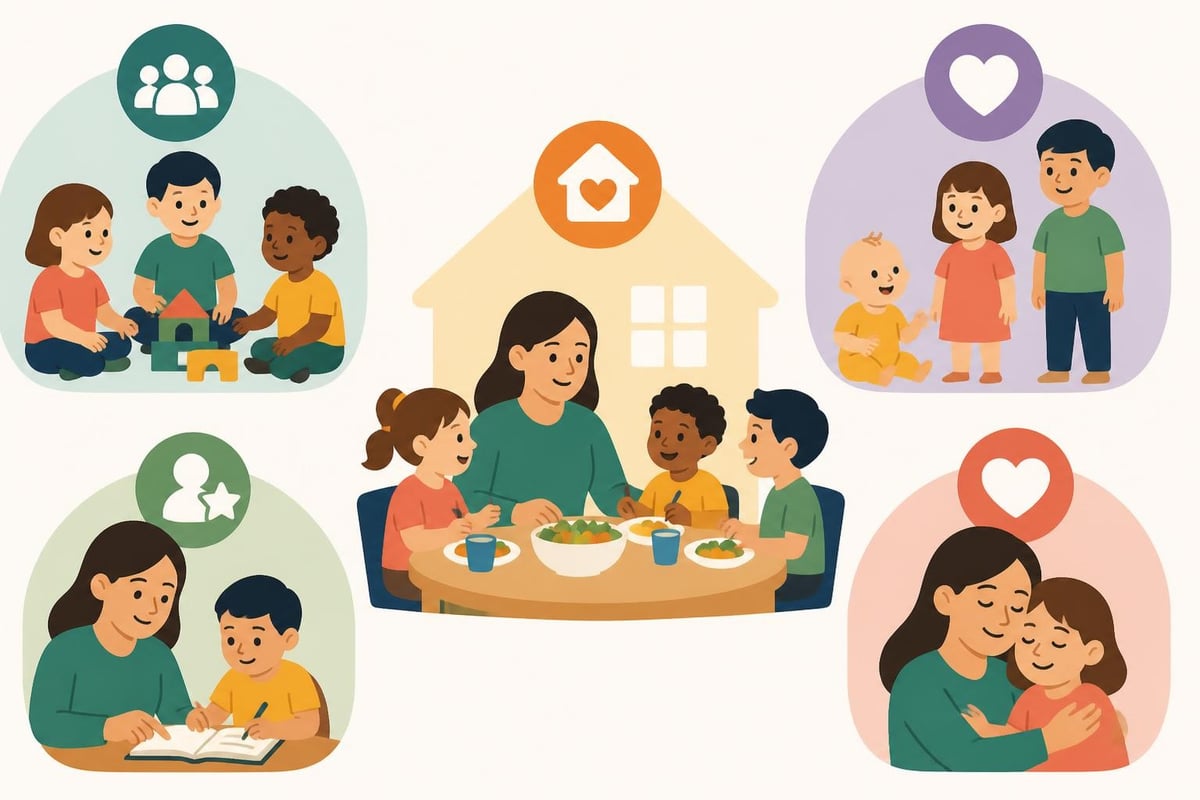
While center-based programs offer certain benefits, home-based early childhood childcare provides unique advantages that appeal to many families. These intimate settings create family-like atmospheres where children receive individualized attention and develop close relationships with providers.
Personalized Care and Flexibility
Home childcare providers typically care for smaller groups of children, enabling them to tailor activities to individual interests, learning styles, and developmental stages. This personalization extends to daily schedules, which can often accommodate family needs more flexibly than larger centers.
Benefits include:
- Mixed-age groupings that mirror family structures
- Consistent primary caregiver relationships
- Home-like environments that feel comfortable and familiar
- Greater flexibility in scheduling and accommodations
- Lower child-to-provider ratios
Families exploring services should ask providers how they individualize care and adapt to each child's unique needs.
Health and Developmental Monitoring
Early childhood childcare providers serve on the frontlines of public health, as highlighted by the CDC’s emphasis on providers’ critical role in monitoring development and teaching healthy behaviors. Home providers often develop deep familiarity with each child's patterns, enabling them to notice subtle developmental concerns or health issues early.
Providers contribute to health by:
- Observing developmental milestones and communicating concerns
- Teaching hygiene practices like handwashing and covering coughs
- Providing nutritious meals and modeling healthy eating
- Ensuring adequate physical activity throughout the day
- Supporting emotional regulation and mental health
Family Engagement and Communication
The partnership between families and providers significantly impacts children's experiences and outcomes in early childhood childcare settings. Strong communication systems ensure parents remain informed and involved in their children's daily experiences and developmental progress.
Building Collaborative Relationships
Research on positive parenting and family engagement demonstrates that when providers and families work together, children benefit from consistent expectations, shared goals, and coordinated support strategies.
Effective communication includes:
- Daily reports on activities, meals, and developmental observations
- Regular conferences to discuss progress and goals
- Open-door policies welcoming family involvement
- Shared documentation through photos and portfolios
- Responsiveness to family questions and concerns
Many families appreciate reviewing parent reviews to understand how programs build these relationships in practice.
Supporting Diverse Family Structures
Modern families come in diverse configurations, and quality early childhood childcare respects and supports this diversity. Providers should acknowledge different family structures, cultural backgrounds, languages, and parenting philosophies while maintaining consistent developmental standards.
| Family Consideration | Provider Response |
|---|---|
| Work schedules | Flexible drop-off and pick-up times |
| Cultural practices | Incorporating diverse celebrations and foods |
| Language differences | Multilingual communication when possible |
| Special needs | Individualized accommodations and resources |
| Economic constraints | Information about assistance programs |
Selecting the Right Program for Your Family
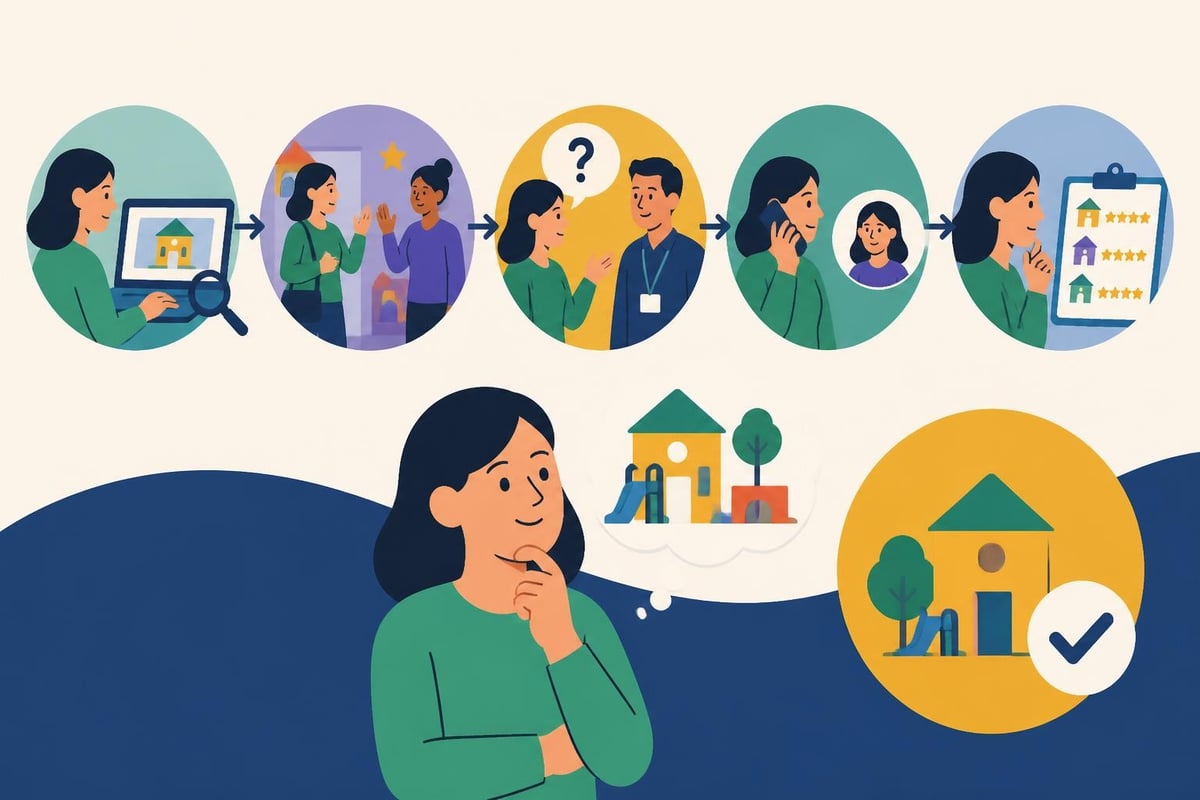
With understanding of what constitutes quality early childhood childcare, families can approach the selection process systematically, evaluating options against concrete criteria rather than relying solely on convenience or cost.
Essential Questions to Ask
When visiting potential programs, parents should prepare specific questions that reveal how providers approach key aspects of care and education:
About the program:
- What is your educational philosophy and daily schedule?
- How do you support children across developmental domains?
- What are your policies on discipline and behavior guidance?
- How do you accommodate individual learning styles and needs?
About qualifications:
- What training and credentials do you and any assistants hold?
- How do you stay current with best practices in early childhood education?
- What is your experience with this specific age group?
About communication:
- How will you keep me informed about my child's day and development?
- How do you handle concerns or challenges that arise?
- What opportunities exist for family involvement?
Families searching for infant care programs should pay particular attention to how providers discuss responsive caregiving and attachment relationships.
Observing Program Quality
Beyond asking questions, families should observe programs in action. Watching how providers interact with children, how children engage with materials and each other, and the overall atmosphere reveals quality indicators that may not emerge through conversation alone.
During observations, notice:
- Provider tone and body language with children
- Children's engagement and enthusiasm levels
- Cleanliness and organization of spaces
- Variety and quality of available materials
- How transitions and routines are handled
- Interactions among children in the group
Trust your instincts about the environment's feel. Children spend significant time in early childhood childcare settings, and the emotional atmosphere matters as much as structured programming.
Supporting Special Needs and Diverse Learners
Inclusive early childhood childcare serves children with varying abilities, learning styles, and developmental timelines. Quality providers recognize that supporting diverse learners benefits all children by fostering acceptance, patience, and appreciation for differences.
Individualized Support Strategies
Children with identified special needs or developmental delays require individualized approaches within group settings. The ECTA Center provides research and resources for implementing evidence-based practices that support all learners effectively.
Effective strategies include:
- Environmental modifications – Adapting spaces for accessibility and sensory needs
- Assistive technology – Using tools that support communication or participation
- Differentiated instruction – Offering multiple ways to learn the same concepts
- Collaboration with specialists – Working with therapists and early intervention providers
- Family partnerships – Implementing consistent approaches across settings
Families seeking specialized support should inquire about providers' experience with specific needs and their willingness to collaborate with outside professionals.
Recognizing Developmental Variations
Not all children reach milestones at identical times, and quality early childhood childcare providers understand typical developmental ranges while recognizing when variations warrant attention. Providers should communicate observations without creating unnecessary alarm while ensuring families have information to seek evaluations when appropriate.
Current Trends Shaping Early Childhood Care in 2026
The early childhood education field continues evolving based on emerging research, technological advances, and changing family needs. Understanding current trends helps families evaluate how programs adapt to modern realities while maintaining developmentally appropriate practices.
Technology Integration
While screen time remains controversial for young children, thoughtful technology integration can support learning when used appropriately. Some programs incorporate tablets for specific educational apps, use digital portfolios to document learning, or employ communication platforms that keep families connected throughout the day.
The key remains ensuring technology enhances rather than replaces hands-on exploration, social interaction, and active play that young children need. Families should ask how programs balance technology use with traditional play-based learning.
Mental Health and Social-Emotional Focus
Recognition of mental health's importance in early childhood has grown significantly. Quality early childhood childcare now explicitly addresses social-emotional development through:
- Teaching emotional vocabulary and regulation strategies
- Implementing positive guidance rather than punitive discipline
- Creating supportive environments where children feel safe and valued
- Building strong attachment relationships with consistent caregivers
- Recognizing and responding to childhood trauma and stress
Outdoor and Nature-Based Learning
Increasing awareness of nature deficit disorder and the benefits of outdoor play has prompted many programs to expand outdoor time and nature-based activities. Even urban programs seek creative ways to bring natural elements into daily experiences, whether through gardening projects, nature walks, or outdoor learning spaces.
Professional Development and Provider Support
Behind quality early childhood childcare stand providers committed to continuous learning and professional growth. The field increasingly recognizes that supporting providers directly translates to better outcomes for children.
Training and Credentials
Professional expectations for early childhood educators have risen, with many states and accrediting bodies requiring specific credentials, ongoing training hours, and demonstrated competencies. These requirements ensure providers maintain current knowledge of child development research, best practices, and safety standards.
The AAP Council on Early Childhood provides resources that help providers stay informed about health and developmental guidelines affecting their practice.
Addressing Provider Wellness
Research increasingly acknowledges the emotional demands of early childhood education work. Supporting provider wellness through professional community, reasonable workloads, and adequate compensation directly impacts the quality of care children receive. Families benefit when providers feel valued, supported, and able to bring their best selves to work each day.
Building Transitions and Continuity
Children's experiences in early childhood childcare should connect meaningfully with their home lives and later educational settings. Quality programs facilitate smooth transitions and maintain continuity of approach.
Home-to-Program Transitions
Starting childcare represents a significant transition for both children and families. Sensitive providers ease this process through gradual entry schedules, consistent routines that provide predictability, and responsive communication about how children adjust.
Families can support transitions by:
- Maintaining consistent morning routines
- Bringing comfort items from home when allowed
- Sharing information about child's temperament and preferences
- Trusting the process while remaining available for communication
- Acknowledging their own emotions about the transition
Preparing for School Readiness
While early childhood should never become merely kindergarten preparation, quality programs do help children develop skills that support later school success. These include self-regulation, following directions, engaging in groups, solving problems, and approaching new challenges with confidence.
The most effective preparation happens through play-based learning, not formal academics. Children who spend their early years in nurturing, engaging early childhood childcare environments typically enter school ready to learn because they've developed strong foundations across all developmental domains.
Selecting quality early childhood childcare requires understanding developmental needs, recognizing quality indicators, and finding the right fit for your family's unique situation. The investment you make in researching options and asking thoughtful questions pays dividends in your child's growth and wellbeing. Step by Step Care offers personalized home-based childcare that prioritizes individual attention, developmental support, and strong family partnerships-contact us to learn how we can support your family's early childhood journey.


