

Daycare in Virginia: Complete Guide for Parents in 2026
Finding quality childcare represents one of the most important decisions parents make for their young children. In Virginia, families have access to a diverse range of daycare options, from large centers to intimate home-based care settings. Understanding the regulations, costs, and quality indicators that define daycare in Virginia helps parents make informed choices that support their children's development while meeting family needs. Whether you're searching for infant care, toddler programs, or preschool preparation, knowing what makes Virginia's childcare landscape unique ensures you find the right environment for your little one.
Understanding Virginia's Childcare Licensing System
Virginia maintains comprehensive licensing requirements that govern all regulated childcare facilities across the Commonwealth. These standards protect children and ensure providers meet minimum safety and educational benchmarks.
The Virginia Department of Education oversees licensing for both center-based and home-based childcare programs. Licensed facilities must comply with regulations covering everything from staff-to-child ratios to physical space requirements and daily programming. Parents can verify a provider's license status and review inspection reports through state databases before enrolling their children.
Types of Licensed Care in Virginia
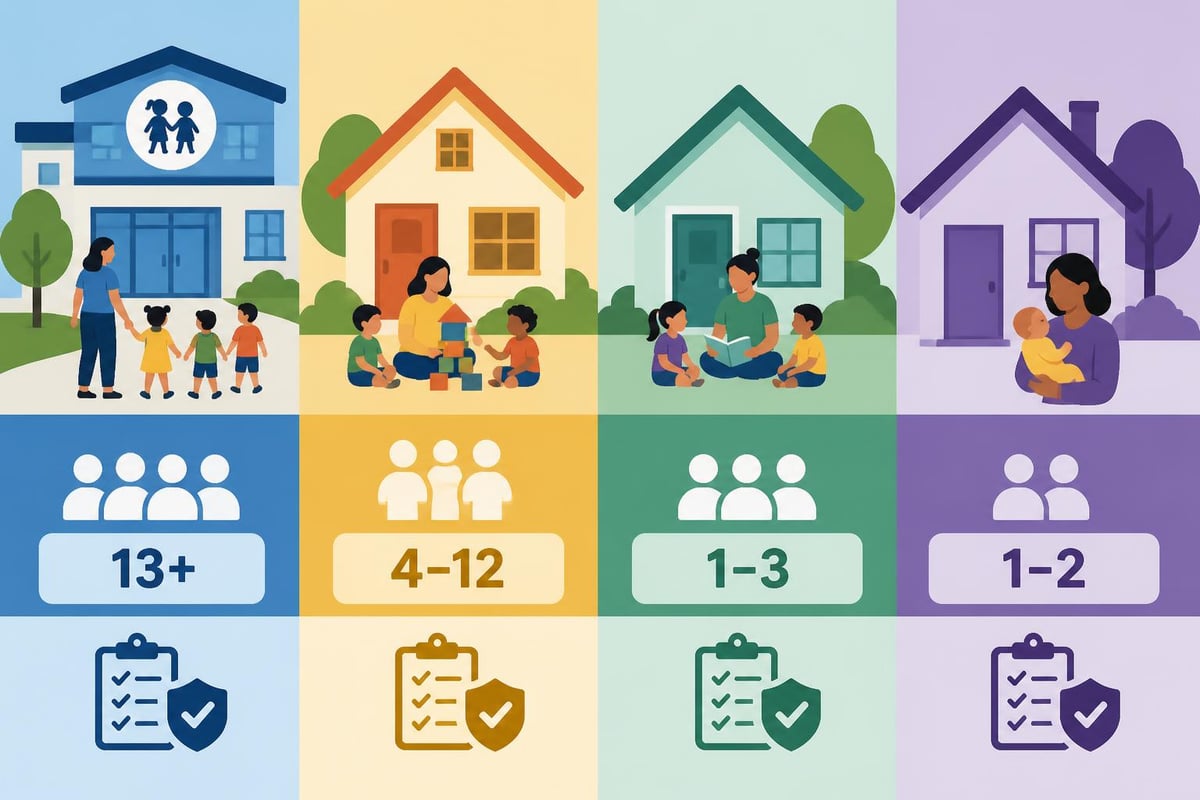
Virginia recognizes several distinct childcare categories, each with specific regulatory requirements:
- Licensed childcare centers: Facilities caring for 13 or more children at any given time
- Licensed family daycare homes: Programs serving 5-12 children in a residential setting
- Registered family daycare homes: Smaller home-based programs caring for up to 4 children
- Religious-exempt programs: Faith-based facilities that voluntarily register with the state
Home-based programs like those offered by Step by Step Care provide personalized attention in smaller group settings. These environments often create family-like atmospheres where children develop strong bonds with caregivers and peers.
Supervision and Safety Standards for Virginia Daycare
Safety forms the foundation of quality childcare. Virginia's regulations establish clear supervision requirements for child care providers that maintain children's wellbeing throughout the day.
Staff-to-Child Ratios
Virginia mandates specific ratios based on children's ages to ensure adequate supervision:
| Age Group | Maximum Group Size | Staff-to-Child Ratio |
|---|---|---|
| Birth to 16 months | 8 | 1:4 |
| 16 to 24 months | 12 | 1:6 |
| 2 years | 16 | 1:8 |
| 3 years | 20 | 1:10 |
| 4-5 years | 24 | 1:12 |
These ratios ensure caregivers can provide individualized attention while monitoring all children effectively. Smaller programs frequently maintain lower ratios than state minimums, offering even more personalized care.
Providers must keep children within sight and sound at all times. During outdoor play, naptime, and transitions between activities, staff members position themselves strategically to supervise all children continuously. This vigilance prevents accidents and allows caregivers to respond immediately to any needs.
Daily Activities and Developmental Programming
Quality daycare in Virginia goes beyond basic supervision to offer structured programming that promotes growth across all developmental domains. State regulations require age-appropriate activities that balance learning, play, rest, and meals.
Infant and Toddler Programs
For the youngest children, Virginia mandates daily activity requirements for infants and toddlers that support their rapid development. Programs must include:
- Tummy time and floor play for motor development
- Language-rich interactions throughout the day
- Sensory exploration with safe materials
- Individual schedules for feeding and sleeping
- Outdoor time weather permitting
The infant care programs at quality providers follow these guidelines while adapting to each baby's unique rhythms and needs. Caregivers track developmental milestones and communicate regularly with families about their child's progress.
Preschool-Age Programming
Older toddlers and preschoolers benefit from structured daily activity requirements that prepare them for kindergarten success. Virginia requires programs to incorporate:
- Active play: At least 60 minutes of outdoor time daily when weather permits
- Quiet activities: Reading, puzzles, and calm play to balance energy
- Creative expression: Art, music, and dramatic play opportunities
- Learning experiences: Early literacy, math concepts, and science exploration
- Social development: Group activities that build cooperation and communication
Effective programs weave these elements throughout the day rather than treating them as isolated segments. Children learn through play-based activities that feel natural and engaging rather than forced academic instruction.

Cost Considerations for Virginia Families
Childcare expenses represent a significant portion of family budgets. Understanding typical costs helps parents plan financially and identify options within their means.
Average Childcare Costs Across Virginia
Daycare costs vary considerably based on location, program type, and child's age. Urban areas like Northern Virginia typically charge more than rural regions, while infant care commands premium pricing due to lower ratios.
Typical monthly costs in 2026:
- Infant care (0-12 months): $1,400-$2,200
- Toddler care (1-2 years): $1,200-$1,900
- Preschool (3-5 years): $1,000-$1,700
Home-based programs often cost less than large centers while maintaining high quality standards. These savings come from lower overhead rather than reduced quality, making them excellent values for budget-conscious families.
Financial Assistance Options
Virginia offers several programs to help families afford quality childcare:
- Child Care Subsidy Program: Income-eligible families receive assistance paying childcare costs
- Tax credits: Federal and state tax benefits offset childcare expenses
- Employer benefits: Some companies offer dependent care FSAs or childcare stipends
- Military programs: Special assistance for service members and veterans
The federal resource portal provides comprehensive information about Virginia-specific assistance programs and eligibility requirements.
Evaluating Quality in Virginia Daycare Programs
Beyond meeting minimum licensing standards, exceptional programs demonstrate characteristics that support optimal child development. Parents should look for specific quality indicators when touring facilities.
Key Quality Markers
Educational approach: Does the program follow a recognized curriculum or developmental framework? Quality providers articulate their educational philosophy and show how daily activities support learning goals.
Communication practices: How often do caregivers share updates about your child's day? Look for programs offering daily reports, regular conferences, and responsive communication channels.
Environment: Is the space clean, organized, and child-friendly? Quality facilities maintain age-appropriate materials, clear activity areas, and safe outdoor spaces.
Staff qualifications: What training and experience do caregivers possess? Virginia requires specific credentials, but exceptional programs often exceed minimums through ongoing professional development.
The Home Daycare Advantage
Home-based daycare in Virginia provides unique benefits that larger centers cannot replicate. These intimate settings create extended-family environments where children develop secure attachments and receive individualized attention.
Home providers typically care for mixed-age groups, allowing younger children to learn from older peers while older children develop nurturing skills. This arrangement mirrors natural family structures and promotes social-emotional growth.
The consistent caregiver relationships in home settings reduce stress for young children. Rather than rotating between multiple teachers throughout the day, children bond deeply with one or two primary caregivers who truly know their personalities, preferences, and developmental needs.
Regional Considerations Within Virginia
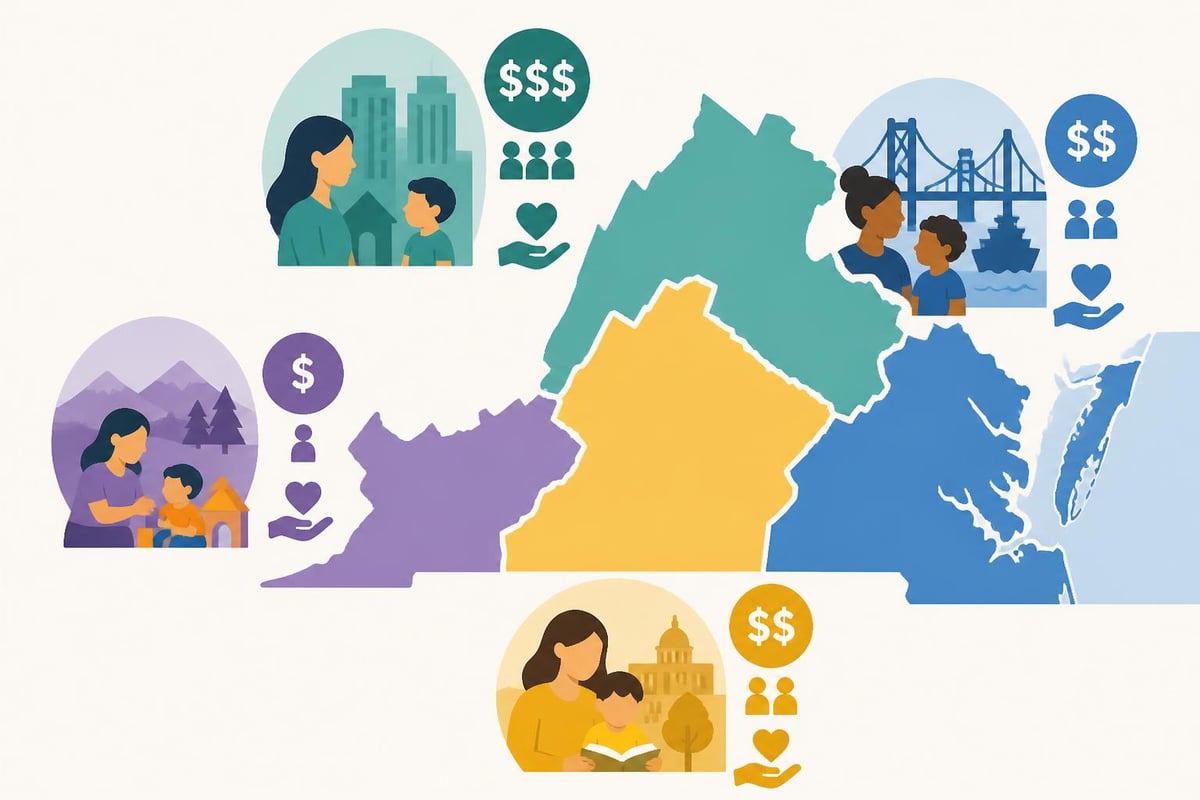
Virginia's diverse geography creates distinct childcare markets across the state. Understanding regional differences helps families set realistic expectations and identify suitable options.
Northern Virginia
The Washington DC suburbs feature the state's most expensive childcare market but also offer abundant choices. High demand and elevated costs of living drive premium pricing, though quality options exist across all price points.
Hampton Roads
This coastal region provides moderate pricing with strong military family support. Naval bases and installations offer additional childcare resources for service members.
Central Virginia
Richmond and surrounding areas balance urban amenities with more affordable costs than Northern Virginia. The region hosts numerous home-based programs alongside traditional centers.
Southwest and Rural Virginia
These areas typically offer the state's most affordable childcare, though fewer programs may operate in some rural communities. Home-based care fills important gaps in areas with limited center options.
Choosing the Right Fit for Your Family
Selecting daycare in Virginia requires balancing multiple factors unique to each family's situation. No single program works best for everyone, so identifying your priorities guides the decision process.
Creating Your Selection Criteria
Start by listing non-negotiables versus preferences:
Essential requirements might include:
- Location within your commute route
- Hours matching your work schedule
- Age-appropriate licensing and ratios
- Specific dietary accommodations
- Budget constraints
Preferred features could encompass:
- Educational philosophy alignment
- Outdoor play opportunities
- Language immersion or special programs
- Sibling discounts
- Flexible scheduling options
The Tour Process
Visit multiple programs to compare offerings directly. During tours, observe how caregivers interact with children currently in care. Do they engage warmly and respond promptly to needs? Are children actively engaged or wandering aimlessly?
Ask detailed questions about daily schedules, discipline approaches, sick policies, and parent involvement opportunities. Quality providers welcome questions and provide thorough, thoughtful answers.
Request contact information for current families who can share their experiences. Speaking with other parents offers insights tours cannot reveal about communication patterns, reliability, and how providers handle challenges.
Starting Your Search Today
Beginning your search early provides time to find the ideal match without pressure. Many quality programs maintain waiting lists, especially for infant spots, so prospective parents often contact providers during pregnancy.
The Step by Step Care approach exemplifies the personalized attention home-based programs provide. Smaller group sizes allow caregivers to truly know each child and family, creating partnerships that support development.
Making Contact
When reaching out to potential providers, prepare questions covering your primary concerns. Most programs offer phone consultations before scheduling tours, helping both parties determine whether the fit merits further exploration.
For those specifically seeking daycare in Springfield VA, researching local options alongside broader regional searches ensures you find convenient, quality care close to home or work.
Transition Planning
Once you select a provider, plan a gradual transition if possible. Many programs encourage short visits before the official start date, helping children acclimate to new surroundings, caregivers, and routines. This approach reduces separation anxiety and builds positive associations with the new environment.
Discuss your child's current routines, preferences, and any special needs with caregivers. The more information providers have, the better they can support your child from day one. Maintain open communication as your child adjusts, sharing observations and asking questions about their experiences.
Resources for Virginia Parents
Numerous organizations support families navigating childcare decisions. Taking advantage of these resources strengthens your search process and helps you identify quality programs.
Virginia's Child Care Aware network connects families with local resources, provides referrals to licensed programs, and offers guidance on assessing quality. Regional offices throughout the state deliver personalized assistance based on community-specific needs.
Parent education workshops cover topics from choosing childcare to supporting development at home. These sessions often prove valuable for first-time parents or those new to Virginia who need to understand the state's specific childcare landscape.
Online communities and local parenting groups provide peer recommendations and experiences. While personal referrals should never replace your own evaluation, they help identify programs worth considering and flag potential concerns.
The gallery pages of quality providers showcase their environments and activities, giving you visual previews before scheduling tours. Photos and videos help you imagine your child in the space and assess whether the setting aligns with your preferences.
Advocacy and Continuous Improvement
Virginia's childcare regulations evolve based on research about best practices in early childhood education. Parents can participate in this process by providing feedback to licensing agencies and supporting legislation that enhances childcare quality.
Many programs participate in Virginia's voluntary quality rating system, pursuing higher standards than licensing requires. These initiatives demonstrate provider commitment to excellence and continuous improvement.
Supporting your child's caregiver through positive communication and partnership enhances outcomes for everyone. When parents and providers work as a team, children benefit from consistent expectations and coordinated support across home and care settings.
The blog resources from quality programs often share insights about child development, parenting strategies, and educational activities families can enjoy together. These materials extend learning beyond daycare hours and strengthen family engagement.
Finding exceptional daycare in Virginia requires research, visits, and careful evaluation of how each program aligns with your family's needs and values. Virginia's comprehensive licensing system ensures baseline safety standards, while quality programs go well beyond minimums to create nurturing environments where children thrive. When you're ready to explore personalized, home-based care that prioritizes individual attention and developmental growth, Step by Step Care offers the warm, family-centered environment your child deserves.


