

Day Care For Every Family: Finding the Right Fit
Finding the right day care for your loved ones represents one of the most important decisions families face. Whether you're searching for care options for young children, aging parents, or family members with special needs, understanding the landscape of available services helps you make informed choices that support your family's well-being. The decision-making process involves evaluating safety standards, educational approaches, staff qualifications, and the unique needs of those requiring care. This comprehensive guide explores the various types of day care services, selection criteria, and what makes quality care programs stand out in 2026.
Understanding Different Day Care Options
Day care for various populations has evolved significantly to meet diverse family needs. Traditional childcare programs serve infants through school-age children, while adult day services support elderly individuals and those with disabilities. Each category offers distinct programming tailored to specific developmental stages or care requirements.
Childcare Programs and Age Groups
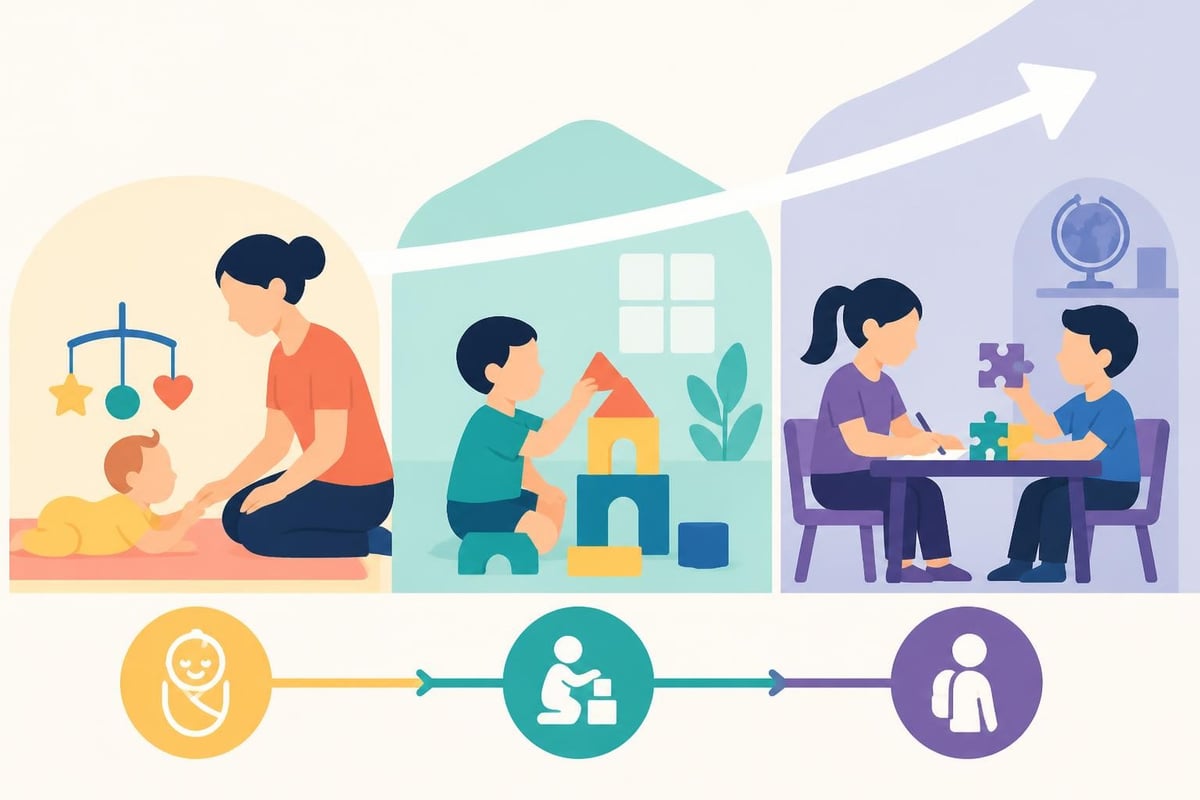
Infant care programs typically accept children from six weeks to 18 months, providing specialized attention for the youngest learners. These programs maintain lower child-to-staff ratios to ensure adequate supervision and responsive caregiving. Toddler programs serve children aged 18 months to three years, focusing on language development, motor skills, and early socialization.
Preschool programs prepare children ages three to five for kindergarten through structured learning activities. Many families seek quality child care options that balance educational rigor with play-based learning approaches. School-age care provides before and after-school supervision for elementary students, offering homework help and recreational activities.
Adult Day Services
Day care for elderly adults and individuals with disabilities offers vital support for families managing caregiving responsibilities. These programs provide supervised activities, meals, and social engagement during daytime hours, allowing caregivers to work or attend to other responsibilities. Adult day services typically operate Monday through Friday and may specialize in dementia care, physical rehabilitation, or general senior socialization.
Medical model programs incorporate nursing care and therapeutic services, while social model programs emphasize recreational activities and community building. Some facilities offer specialized programming for individuals with Alzheimer's disease or other cognitive impairments, providing structured environments that promote safety and dignity.
Licensing and Regulatory Standards
Understanding licensing requirements helps families evaluate the legitimacy and safety of day care providers. Most states mandate specific licensing for facilities serving multiple children or adults, though family day facilities operating from private homes may have different requirements than center-based programs.
Essential Licensing Components
State regulations typically address several critical areas:
- Staff qualifications and training requirements
- Background check procedures for all employees
- Health and safety standards for facilities
- Child-to-staff or adult-to-staff ratios
- Emergency preparedness protocols
- Nutrition and meal service guidelines
- Record-keeping and documentation standards
Licensed facilities undergo regular inspections to verify compliance with these standards. Parents and families can request to see current licensing documentation and inspection reports before enrolling loved ones. Many states maintain online databases where families can verify a provider's licensing status and review any violations or compliance issues.
Home-Based vs. Center-Based Care
Day care for children operates in various settings, each offering distinct advantages. Home-based childcare, like the services provided at Step by Step Care, creates intimate learning environments with consistent caregivers and smaller group sizes. These settings often feel more comfortable for young children transitioning from home care.
Center-based facilities typically serve larger numbers of children across multiple classrooms organized by age groups. They often have more extensive resources, specialized activity spaces, and multiple staff members with diverse expertise. The choice between home-based and center-based care depends on family preferences, child temperament, location, and budget considerations.
Quality Indicators in Day Care Programs
Evaluating quality goes beyond basic licensing compliance. Exceptional programs demonstrate commitment to child development, family engagement, and continuous improvement. When visiting potential providers, families should observe interactions between caregivers and children, assess the learning environment, and ask pointed questions about curriculum and philosophy.
Staff Qualifications and Interactions
The quality of day care for any age group fundamentally depends on the people providing care. Look for programs where staff members demonstrate:
- Warm, responsive interactions with children or adults in their care
- Patience and positive guidance rather than harsh discipline
- Professional training in early childhood education or gerontology
- Low turnover rates indicating stable employment conditions
- Ongoing professional development to stay current with best practices
Observe how staff members handle challenging behaviors, facilitate activities, and communicate with families. Quality programs maintain open communication channels and welcome family involvement in program activities.
Environmental and Educational Standards
The physical environment significantly impacts the care experience. Quality indicators include:
| Area | Quality Features |
|---|---|
| Safety | Secure entry systems, outlet covers, age-appropriate furniture, clean facilities |
| Learning Spaces | Defined activity areas, accessible materials, displays of children's work |
| Outdoor Areas | Safe equipment, adequate space for gross motor play, shaded areas |
| Health Practices | Handwashing stations, proper diaper changing procedures, illness policies |
Programs should maintain organized, clean spaces that invite exploration and learning. The CDC provides comprehensive guidance on health and safety practices in early care settings that families can use as evaluation benchmarks.

The Selection Process: Finding Your Best Match
Choosing day care for your family requires systematic evaluation and thoughtful consideration. Start your search early, ideally several months before you need care to begin. This timeline allows for thorough research, multiple visits, and waitlist considerations at popular programs.
Initial Research and Narrowing Options
Begin by identifying licensed providers in your geographic area through state regulatory websites or local resource and referral agencies. Consider practical factors like location relative to home or work, operating hours, and tuition costs. Create a shortlist of five to seven programs that meet your basic requirements.
Research each program's reputation through online reviews, social media presence, and conversations with current families. Many providers, including those offering top-rated daycares near you, maintain galleries and testimonials that provide insight into their programs. However, nothing replaces personal observation during a site visit.
Conducting Effective Site Visits
Schedule tours during operating hours when you can observe typical activities and interactions. Prepare questions in advance covering curriculum, discipline approaches, communication methods, and policies. The tip sheets from Childcare.gov offer excellent frameworks for what to look for, listen for, and ask about during visits.
During tours, notice:
- How caregivers respond to children's needs and questions
- The variety and condition of toys, books, and learning materials
- Whether children appear engaged and happy
- How the provider discusses their educational philosophy
- The cleanliness and organization of all spaces
- How conflicts or challenging behaviors are handled
Trust your instincts about the environment and people. The right program should make you feel confident and comfortable leaving your loved one in their care.
Specialized Day Care Considerations
Some families require day care for children or adults with special needs, chronic health conditions, or developmental differences. Specialized programs provide adapted environments, therapeutic services, and staff trained in specific care protocols.
Inclusive and Special Needs Programs
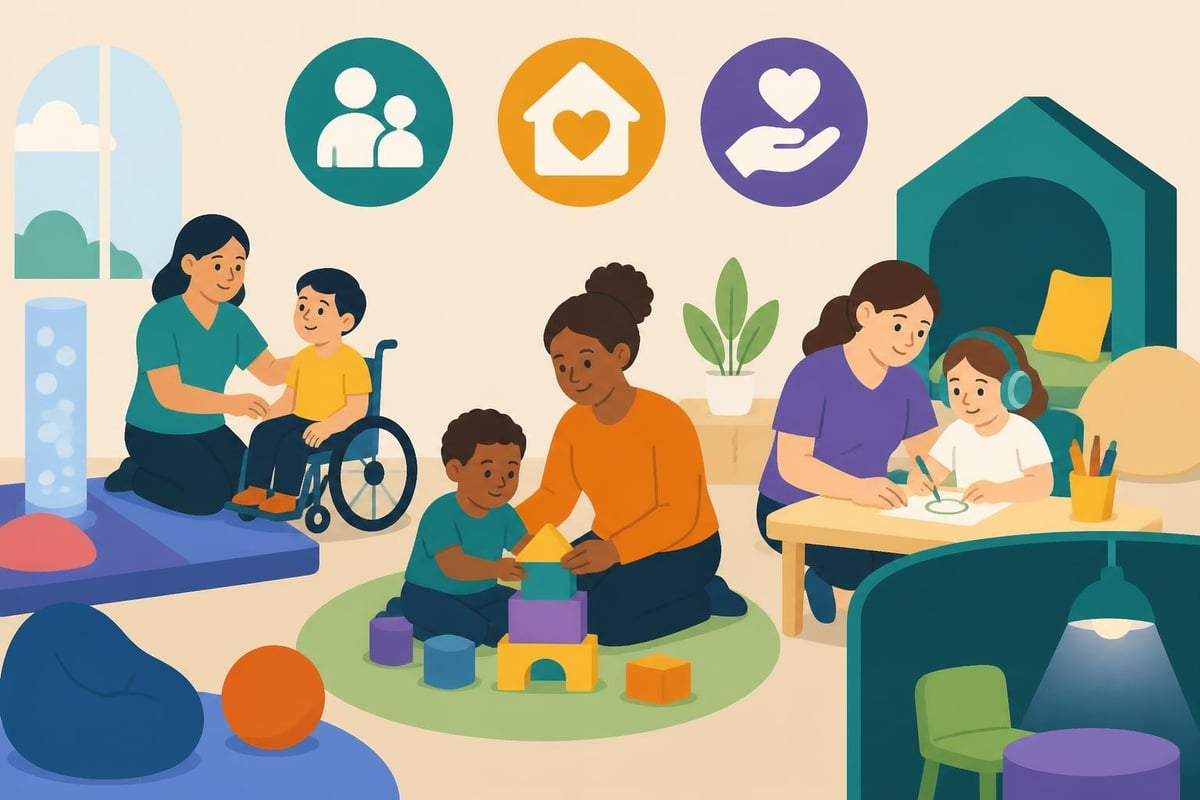
Inclusive programs serve children with and without disabilities in integrated settings, promoting acceptance and understanding. These programs typically employ specialists like occupational therapists, speech pathologists, or special education teachers who work with classroom staff to implement individualized plans.
When evaluating programs for children with special needs, ask about:
- Staff experience and training with specific conditions
- Availability of therapy services or coordination with outside providers
- Adaptations to curriculum, materials, and physical space
- Individualized education plan (IEP) implementation processes
- Communication protocols with families and specialists
Day care for adults with disabilities similarly requires specialized programming. Medical supervision, therapeutic activities, and transportation services often distinguish these programs from standard adult day services.
Temporary and Respite Care Options
Families sometimes need short-term or occasional care rather than full-time enrollment. Respite care and adult day care programs provide temporary relief for primary caregivers while ensuring loved ones receive appropriate supervision and engagement.
Some childcare programs offer drop-in care, part-time schedules, or seasonal camps. Flexibility in enrollment options helps families access care during school breaks, parental work travel, or other temporary circumstances. Understanding each provider's policies regarding part-time attendance, vacation holds, and sick day procedures helps avoid surprises.
Cost Considerations and Financial Assistance
Day care for children and adults represents a significant family expense. Understanding the full cost picture and available assistance programs helps families budget effectively and access quality care regardless of income level.
Typical Cost Structures
Childcare costs vary dramatically based on geographic location, program type, and child age. Infant care typically costs more than preschool care due to lower child-to-staff ratios. Home-based programs often charge less than large centers, though this varies based on services offered and provider qualifications.
Payment structures may include:
- Weekly or monthly tuition rates
- Registration and annual enrollment fees
- Supply fees for materials, meals, or diapers
- Late pickup charges
- Activity or field trip fees
Request detailed fee schedules and understand what services are included in base tuition versus additional charges. Ask about payment due dates, accepted payment methods, and late payment policies.
Financial Assistance Programs
Several programs help families afford quality care:
| Program Type | Eligibility | Benefits |
|---|---|---|
| Child Care Subsidies | Low to moderate income families | Reduced tuition based on income |
| Employer Benefits | Varies by employer | FSA accounts, on-site care, subsidies |
| Tax Credits | Working families with qualifying expenses | Federal and state tax benefits |
| Military Programs | Active duty and veteran families | Access to military child development centers |
| State-Specific Programs | Varies | Additional assistance programs vary by location |
The HHS guide to choosing safe and healthy child care includes information about accessing financial assistance programs. Contact your state's child care resource and referral agency to learn about available subsidies and application processes.
Communication and Partnership with Providers
Successful day care experiences depend on strong partnerships between families and providers. Regular communication ensures consistency between home and care settings, addresses concerns promptly, and supports each individual's development and well-being.
Daily Communication Methods
Quality programs maintain multiple communication channels:
- Daily reports documenting meals, activities, naps, and notable moments
- Digital platforms offering real-time updates and photos
- Face-to-face conversations during drop-off and pickup times
- Scheduled conferences to discuss progress and goals
- Emergency contact protocols for urgent situations
Establish expectations about communication frequency and methods during enrollment. Some families prefer detailed daily summaries while others want only significant updates. Understanding the provider's communication style and capabilities helps prevent misunderstandings.
Building Trust and Addressing Concerns
Open dialogue about concerns strengthens the care relationship. When issues arise, approach providers with specific observations and questions rather than accusations. Most challenges result from miscommunication or different perspectives that constructive conversation can resolve.
If concerns persist despite discussion, document specific incidents and consider whether the program remains a good fit. Significant issues like safety violations, suspected abuse, or licensing non-compliance warrant immediate action through appropriate regulatory channels.
Transition and Adjustment Strategies
Starting day care for the first time or changing providers requires thoughtful transition planning. Gradual introduction to new environments helps children and adults adjust more comfortably, reducing stress for everyone involved.
Preparing for the First Day
Successful transitions begin before the first official day. Many programs offer:
- Orientation sessions introducing families to staff and routines
- Gradual entry schedules with shorter initial days
- Meet-and-greet opportunities to build familiarity
- Home visits from caregivers to connect in comfortable settings
Prepare your loved one by talking positively about the new experience, reading books about starting day care, and maintaining consistent routines. For children, practice skills like putting on shoes independently or using toileting facilities to boost confidence.
Supporting Adjustment Period
The first few weeks often involve tears, resistance, or regression in established skills. This normal adjustment period typically resolves as routines become familiar and relationships with caregivers strengthen. Support adjustment by:
- Maintaining consistent drop-off routines
- Avoiding prolonged goodbyes that increase anxiety
- Communicating regularly with providers about how adjustment is progressing
- Celebrating small successes and positive moments
- Being patient with temporary behavioral changes at home
Most children and adults adapt within two to four weeks. If significant distress continues beyond this timeframe, discuss concerns with providers and consider whether additional support or different placement might be necessary.
Evaluating Ongoing Satisfaction
Day care for your family should continue meeting needs as circumstances evolve. Regular evaluation ensures the program remains aligned with developmental requirements, family values, and practical considerations.
Annual Assessment Questions
Each year, consider:
- Does my loved one seem happy, engaged, and appropriately challenged?
- Has the quality of communication remained consistent?
- Do I trust the staff and feel comfortable with care approaches?
- Has anything changed in my family's needs or circumstances?
- Are there areas where the program could improve?
Programs should welcome feedback and demonstrate responsiveness to family input. Those committed to continuous improvement regularly survey families, update curriculum based on research, and invest in staff development.
Recognizing When Change Is Needed
Sometimes changing providers becomes necessary due to relocations, developmental transitions, or program changes. Signs that it might be time to explore alternatives include:
- Consistent communication breakdowns despite efforts to address them
- Your loved one expressing reluctance or distress about attending
- Staff turnover affecting relationship continuity
- Program philosophy diverging from your family values
- Practical factors like location or cost becoming unmanageable
Making a change doesn't indicate failure. Family needs and program quality both evolve, and finding the right fit remains the priority.
Selecting appropriate day care for your family involves careful research, thoughtful evaluation, and ongoing partnership with providers. Quality programs prioritize safety, development, and communication while respecting each individual's unique needs and family circumstances. If you're searching for home-based childcare that combines educational excellence with personalized attention in a nurturing environment, Step by Step Care offers the dedicated, professional care your family deserves. Contact us today to schedule a visit and discover how our program can support your child's growth and your family's peace of mind.


