

Closer to Home Daycare: A Guide for Modern Families
Finding quality childcare that fits your family's schedule and location can be one of the most challenging decisions parents face. A closer to home daycare solution offers families the convenience of minimal commute times while providing children with personalized attention in a nurturing environment. Home-based childcare programs have grown in popularity as working parents seek alternatives to large institutional centers, prioritizing proximity, flexibility, and individualized care for their children.
Understanding the Closer to Home Daycare Model
The closer to home daycare concept refers to childcare services located within or near your residential neighborhood, typically operated from a licensed provider's home. This model differs significantly from larger childcare centers in both scale and approach.
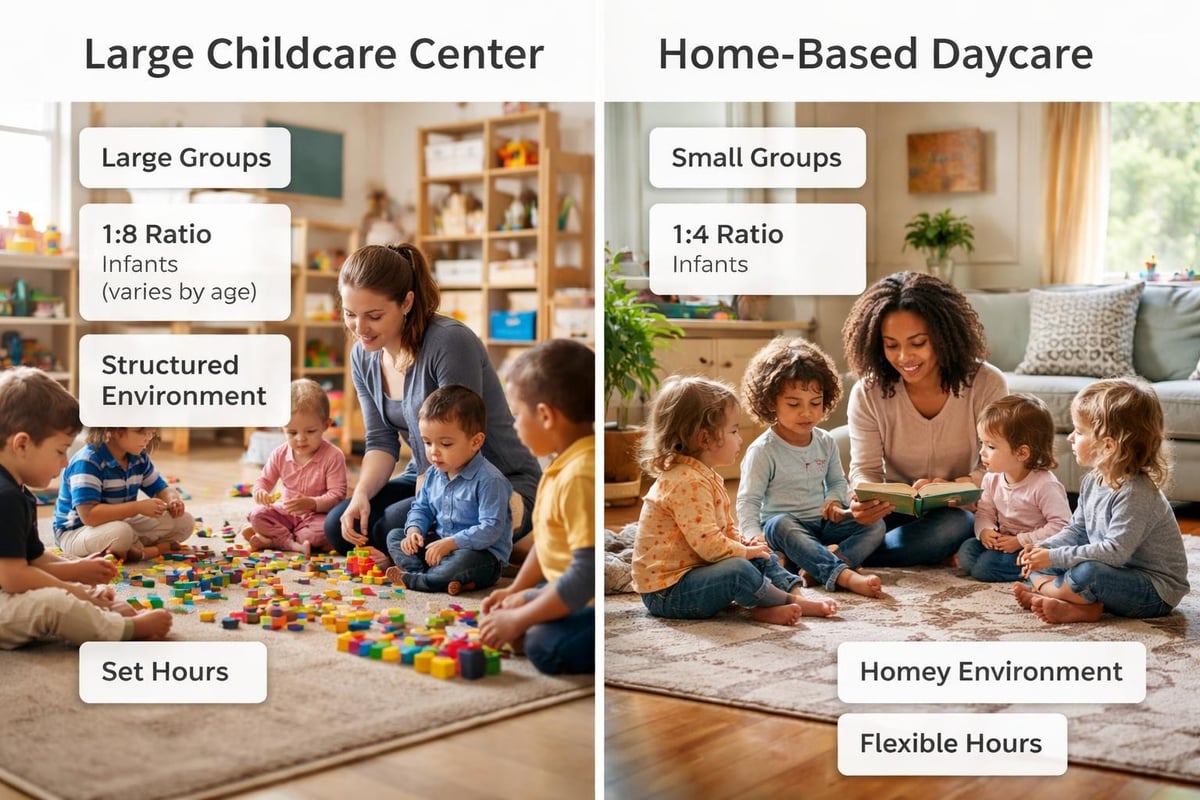
Home-based childcare providers typically care for smaller groups of children, often ranging from 4 to 12 kids depending on state regulations and licensing requirements. This intimate setting creates a family-like atmosphere where children receive more individualized attention throughout the day.
Key Characteristics of Home-Based Programs
When evaluating a closer to home daycare option, families should understand several defining features:
- Small group sizes that promote personal relationships between caregivers and children
- Mixed-age groupings that encourage peer learning and social development
- Home-like environment with familiar settings like kitchens, living rooms, and backyards
- Flexible scheduling that often accommodates non-traditional work hours
- Lower child-to-caregiver ratios compared to institutional centers
Research indicates that home-based childcare settings offer unique developmental advantages, particularly for infants and toddlers who thrive in smaller, more intimate environments.
Benefits of Choosing Childcare Close to Home
Selecting a closer to home daycare provides numerous practical and developmental advantages for both children and parents. The convenience factor alone can transform daily family routines.
Time and Convenience Advantages
Reduced commute times represent one of the most immediate benefits. When childcare is located within your neighborhood, families gain precious minutes or even hours each week. This proximity becomes especially valuable during emergencies, school closings, or when children are ill.
Parents can quickly drop off and pick up children without navigating through heavy traffic or extending their workday unnecessarily. This accessibility also makes it easier for parents to attend special events, participate in activities, or simply check in during the day.
Community Integration Benefits
A closer to home daycare naturally integrates your child into their local community. Children often form friendships with neighbors, attend the same elementary schools later, and develop connections that extend beyond daycare years.
| Benefit Category | Home Daycare Advantage | Impact on Families |
|---|---|---|
| Commute Time | 5-15 minutes average | 10+ hours saved monthly |
| Emergency Response | Immediate access | Reduced stress and faster resolution |
| Community Ties | Local friendships | Long-term neighborhood connections |
| Flexibility | Custom scheduling | Better work-life balance |
The Step by Step Care community exemplifies how neighborhood-based programs create lasting bonds between families who share similar values and geographic proximity.
Quality of Care in Home-Based Settings
Concerns about quality standards in home daycare settings are natural, but many home-based providers exceed the personalized care available in larger institutions. Understanding what constitutes quality care helps families make informed decisions.
Personalized Attention and Development
With smaller group sizes, caregivers in closer to home daycare environments can tailor activities, meals, and routines to individual children's needs. This customization extends to developmental milestones, learning styles, and behavioral approaches.
One-on-one interaction time increases substantially in home settings. While a center-based teacher might manage 15-20 children with an assistant, home providers typically care for fewer children, allowing for deeper relationships and more responsive caregiving.
Research from Stanford's Graduate School of Education notes important considerations when comparing preschools and home-based care quality, highlighting that both settings can provide excellent care depending on various factors.
Safety and Regulatory Compliance
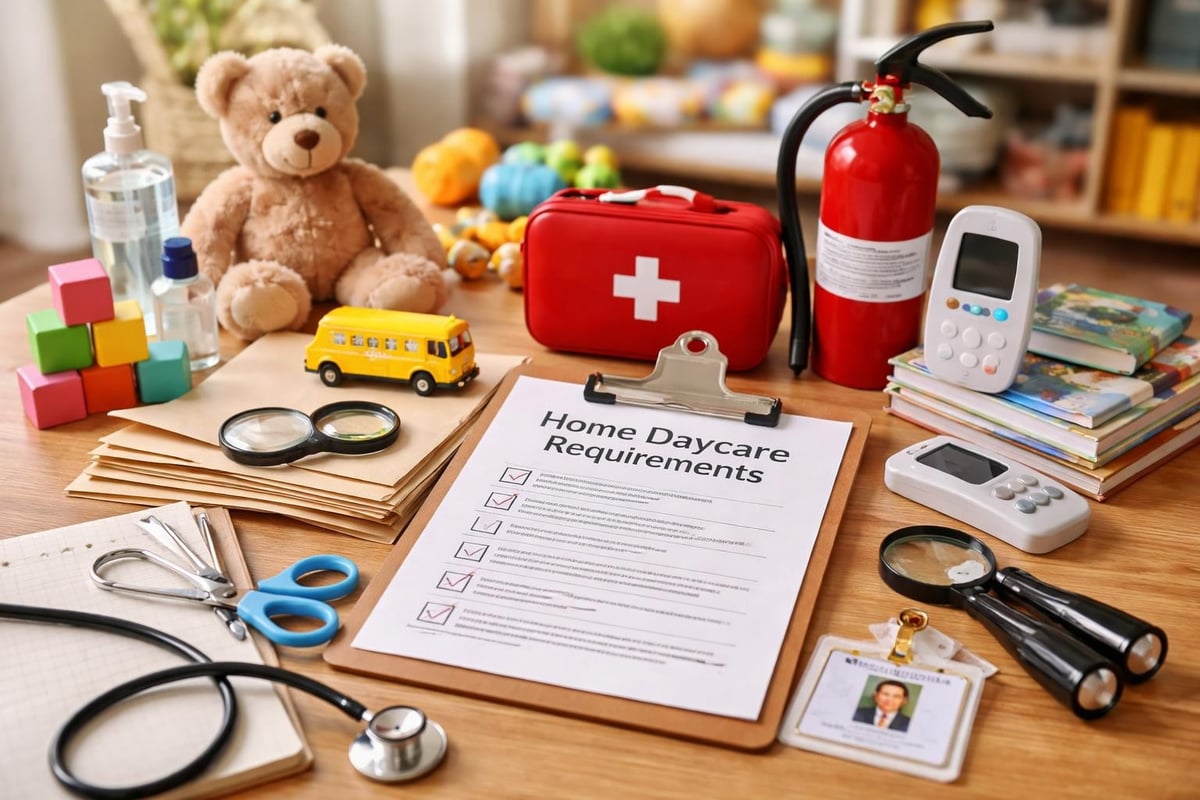
Parents should verify that any closer to home daycare meets all state licensing requirements. Licensed providers must comply with strict regulations regarding:
- Background checks for all household members
- Health and safety inspections
- Age-appropriate equipment and materials
- Proper food handling and nutrition standards
- Emergency preparedness plans
The legal requirements for operating home daycare vary by state but generally ensure children receive care in safe, regulated environments. Comprehensive home daycare safety guidelines cover everything from electrical safety to outdoor play area requirements.
Finding the Right Closer to Home Daycare
Searching for childcare near your residence requires strategic planning and thorough evaluation. The process involves more than simply finding the nearest available spot.
Research and Evaluation Process
- Start with licensing databases in your state to identify regulated providers in your area
- Request referrals from neighbors, coworkers, and community groups
- Schedule visits to multiple providers to compare environments and philosophies
- Check references from current and former families
- Verify credentials including licenses, certifications, and training
During visits, observe how caregivers interact with children, assess the cleanliness and organization of the space, and evaluate whether the environment aligns with your family's values.
Questions to Ask Potential Providers
Educational background and experience matter significantly. Ask about:
- Years of experience in childcare
- Formal education or training in early childhood development
- Specific certifications (CPR, first aid, food safety)
- Professional development and continuing education
Daily routines and curriculum should align with your expectations. Inquire about the daily schedule structure, outdoor play time, meal planning, and educational activities.
Understanding in-home childcare options helps parents recognize quality indicators and make informed comparisons between providers.
Cost Considerations and Value
The financial aspect of closer to home daycare often surprises parents positively. Home-based programs typically cost less than commercial centers while providing comparable or superior care quality.
Pricing Structure Comparison
Home daycare providers generally charge 20-40% less than institutional centers due to lower overhead costs. These savings get passed to families without sacrificing quality.
| Cost Factor | Home Daycare | Center-Based | Savings |
|---|---|---|---|
| Average Weekly Rate | $200-$350 | $300-$500 | 25-35% |
| Registration Fees | $0-$150 | $150-$500 | 50-100% |
| Activity Fees | Often included | $50-$150/month | $500+ annually |
| Supply Fees | Minimal | $25-$75/month | $300+ annually |
Many home providers include meals, supplies, and activities in their base rate, eliminating surprise fees that accumulate with center-based care.
Flexible Payment Options
Closer to home daycare providers often offer more flexible payment arrangements than larger institutions. Some accommodate part-time schedules, drop-in care, or adjusted rates for multiple siblings.
This flexibility particularly benefits families with non-traditional work schedules or variable income. Providers understand their clients' situations personally and can sometimes negotiate arrangements that work for both parties.
Building Partnerships with Home Daycare Providers
Successful closer to home daycare experiences depend heavily on strong parent-provider relationships. The intimate nature of home care makes communication and partnership essential.
Communication Expectations
Daily updates represent standard practice in quality home daycare settings. Providers should share information about meals, naps, activities, developmental observations, and any concerns.
Modern technology facilitates communication through:
- Photo and video sharing apps
- Daily report forms or digital logs
- Text message updates for important information
- Regular parent conferences or check-ins
Transparency builds trust and helps parents feel connected to their child's day even when physically apart.
Collaborative Approaches to Child Development
The best closer to home daycare providers view parents as partners in the child's development. This collaboration includes:
- Shared goal-setting for developmental milestones and behavioral expectations
- Consistent approaches to discipline, potty training, and other transitions
- Cultural sensitivity respecting family traditions, languages, and values
- Open dialogue about concerns, changes, or challenges
Reviewing parent testimonials provides insight into how different providers build these essential partnerships with families.

Addressing Common Concerns
Parents considering closer to home daycare often express similar concerns. Understanding these issues and their solutions helps families make confident decisions.
Socialization Opportunities
"Will my child have enough peer interaction?" This common question deserves thoughtful consideration. While home daycares have fewer children than centers, they still provide substantial socialization opportunities.
Mixed-age groupings actually offer unique social-emotional benefits:
- Younger children learn from older peers through modeling
- Older children develop leadership and nurturing skills
- Sibling-like relationships form naturally
- Reduced competition for attention decreases behavioral issues
Many home providers also organize playgroups with other local providers, library visits, park outings, and community activities that expand children's social circles.
Educational Preparation
Parents wonder whether closer to home daycare adequately prepares children for kindergarten. Quality home providers incorporate age-appropriate learning activities throughout the day.
Structured learning time covers essential skills including:
- Letter and number recognition
- Pre-reading and math concepts
- Fine and gross motor development
- Social-emotional competencies
- Creative expression through art and music
The benefits of home daycare environments demonstrate that smaller settings can effectively prepare children academically while also fostering crucial life skills.
Special Considerations for Different Age Groups
Closer to home daycare serves children from infancy through school age, with each developmental stage benefiting differently from the home environment.
Infant and Toddler Care
Infants particularly thrive in home settings where consistent caregiving and low stimulation support healthy attachment and development. The home environment naturally provides the calm, nurturing atmosphere infants need.
For families seeking guidance on age-appropriate routines, exploring an infant daycare daily schedule illustrates how quality providers structure days around young children's needs.
Toddlers benefit from the freedom to explore safely while receiving gentle guidance as they develop independence, language skills, and self-regulation.
Preschool and School-Age Programs
Preschoolers in closer to home daycare settings receive kindergarten preparation without the institutional feel of larger centers. Activities focus on school readiness while maintaining the play-based learning that suits young children.
School-age children appreciate home daycare for before and after-school care, enjoying a relaxed environment where they can complete homework, play freely, and unwind after structured school days.
Regional Considerations and HOA Requirements
Location-specific factors affect closer to home daycare availability and operation. Understanding these variables helps families set appropriate expectations.
Zoning and Neighborhood Regulations
Home daycare legality varies by municipality and neighborhood. Some areas enthusiastically support home-based childcare, while others impose restrictions through zoning laws or HOA regulations.
Families living in communities with HOA restrictions on home daycare should verify that potential providers operate legally within these constraints. Licensed providers typically navigate these requirements successfully.
State-Specific Licensing Requirements
Each state establishes unique licensing standards, capacity limits, and operational requirements. For example, starting a home daycare in Texas involves specific processes that differ from requirements in Virginia or other states.
Parents should familiarize themselves with their state's regulations to understand what compliance looks like and ensure potential providers meet all necessary standards.
Making the Transition to Home-Based Care
Once you've selected a closer to home daycare, preparing for the transition helps children adjust smoothly to their new environment.
Preparation Strategies
Pre-enrollment visits allow children to familiarize themselves with the space, provider, and other children before officially starting. Multiple short visits typically work better than one long introduction.
Parents should:
- Discuss the upcoming change positively with children
- Read books about starting daycare
- Establish consistent morning routines before the first day
- Provide comfort items from home if allowed
- Plan gradual drop-off increases during the first week
Supporting Adjustment Period
The first few weeks may involve tears, clinginess, or behavioral changes as children adapt. This normal adjustment period typically resolves within 2-4 weeks with consistent attendance and supportive responses from parents and providers.
Trust the process while maintaining open communication with your provider about any concerns. Most children quickly form strong attachments to caregivers and peers in closer to home daycare settings.
Long-Term Benefits of Community-Based Childcare
Choosing closer to home daycare creates benefits that extend well beyond the preschool years, influencing family life and child development for years to come.
Lasting Neighborhood Connections
Families who choose local childcare often develop friendships that continue through elementary school and beyond. These relationships create support networks, playmate connections, and community ties that enrich family life.
Children attending Step by Step Care and similar neighborhood programs often recognize familiar faces at local schools, parks, and community events, easing social transitions as they grow.
Foundation for Future Success
The secure attachments, individualized attention, and nurturing environments characteristic of quality home daycare establish strong foundations for lifelong learning and social competence.
Research continues to demonstrate that children's early experiences significantly impact their developmental trajectories. Closer to home daycare options provide the responsive, relationship-based care that supports optimal development across all domains.
Selecting a closer to home daycare represents an important investment in your child's early years and your family's daily quality of life. The convenience, personalized attention, and community integration that home-based programs offer create ideal environments for young children's growth and development. If you're searching for exceptional home childcare that combines professional expertise with a nurturing family atmosphere, Step by Step Care provides the quality, convenience, and dedication your family deserves.


