

Benefits of Early Childhood Education for Lifelong Success
The first five years of a child's life represent a period of extraordinary growth and development. During this time, children's brains form neural connections at a pace never replicated later in life. The benefit of early childhood education becomes evident when we examine how structured learning experiences during these formative years create lasting advantages that extend far beyond the preschool classroom. Research consistently demonstrates that children who participate in quality early education programs demonstrate stronger academic performance, better social skills, and improved life outcomes compared to their peers who do not receive such opportunities.
Cognitive Development and School Readiness
Quality early childhood education programs provide structured environments where children develop essential cognitive skills that prepare them for formal schooling. Through age-appropriate activities, games, and interactive learning experiences, young minds build the foundation for critical thinking, problem-solving, and logical reasoning.
Building Essential Pre-Academic Skills
Early learning environments introduce children to fundamental concepts that support later academic achievement. These programs focus on:
- Letter and number recognition through songs, games, and visual aids
- Pre-reading skills including phonemic awareness and vocabulary development
- Mathematical thinking through counting, sorting, and pattern recognition
- Fine motor skills necessary for writing and detailed tasks
- Attention span and ability to follow multi-step directions
Research shows that early childhood education enhances intelligence scores and learning abilities, creating measurable advantages that persist throughout a child's educational journey. Children who attend structured programs enter kindergarten with stronger foundational skills, allowing them to engage more successfully with grade-level curriculum from day one.

Developing Critical Thinking Abilities
Beyond memorization and rote learning, quality early education programs emphasize critical thinking development. Early childhood education prepares children for kindergarten by developing critical thinking skills through problem-solving tasks and exploratory activities that foster natural curiosity.
When children engage with puzzles, building blocks, science experiments, and creative projects, they learn to approach challenges systematically. They develop hypotheses, test solutions, and adjust their strategies based on results. These cognitive processes become ingrained patterns that support academic success across all subjects throughout their educational careers.
Social and Emotional Growth
The benefit of early childhood education extends significantly into social and emotional development. Young children learn to navigate relationships, manage emotions, and develop empathy through structured interactions with peers and caring educators.
Peer Interaction and Cooperation
Home childcare environments provide daily opportunities for children to practice essential social skills:
- Sharing toys and materials with others
- Taking turns during games and activities
- Resolving conflicts through communication
- Working collaboratively on group projects
- Respecting different perspectives and preferences
These repeated social interactions teach children how to function effectively within group settings. They learn social cues, develop patience, and understand that their actions affect others. The emotional and cognitive development supported through early education helps children adapt to new routines and social environments with greater ease.
Emotional Regulation and Self-Control
Quality childcare providers help young children identify and manage their emotions appropriately. Through consistent guidance, children learn:
- Recognizing and naming their feelings
- Understanding that all emotions are valid
- Developing strategies to calm themselves when upset
- Expressing needs and wants verbally rather than physically
- Building resilience when facing disappointment or challenges
These emotional competencies create a foundation for mental health and well-being that extends throughout life. Children who develop strong emotional regulation skills demonstrate better behavior in school settings, form healthier relationships, and experience less anxiety when facing new situations.
| Social-Emotional Skill | Early Childhood Focus | Long-Term Benefit |
|---|---|---|
| Self-Awareness | Identifying feelings and preferences | Stronger sense of identity and confidence |
| Self-Management | Following routines and transitions | Better impulse control and decision-making |
| Social Awareness | Understanding others' feelings | Enhanced empathy and relationship quality |
| Relationship Skills | Communicating needs and cooperating | Effective collaboration and conflict resolution |
| Responsible Decision-Making | Making safe choices during play | Critical thinking and problem-solving abilities |
At Step by Step Care, experienced providers understand that emotional development is just as important as academic preparation, creating nurturing environments where children feel safe to explore, grow, and learn.
Language and Communication Development
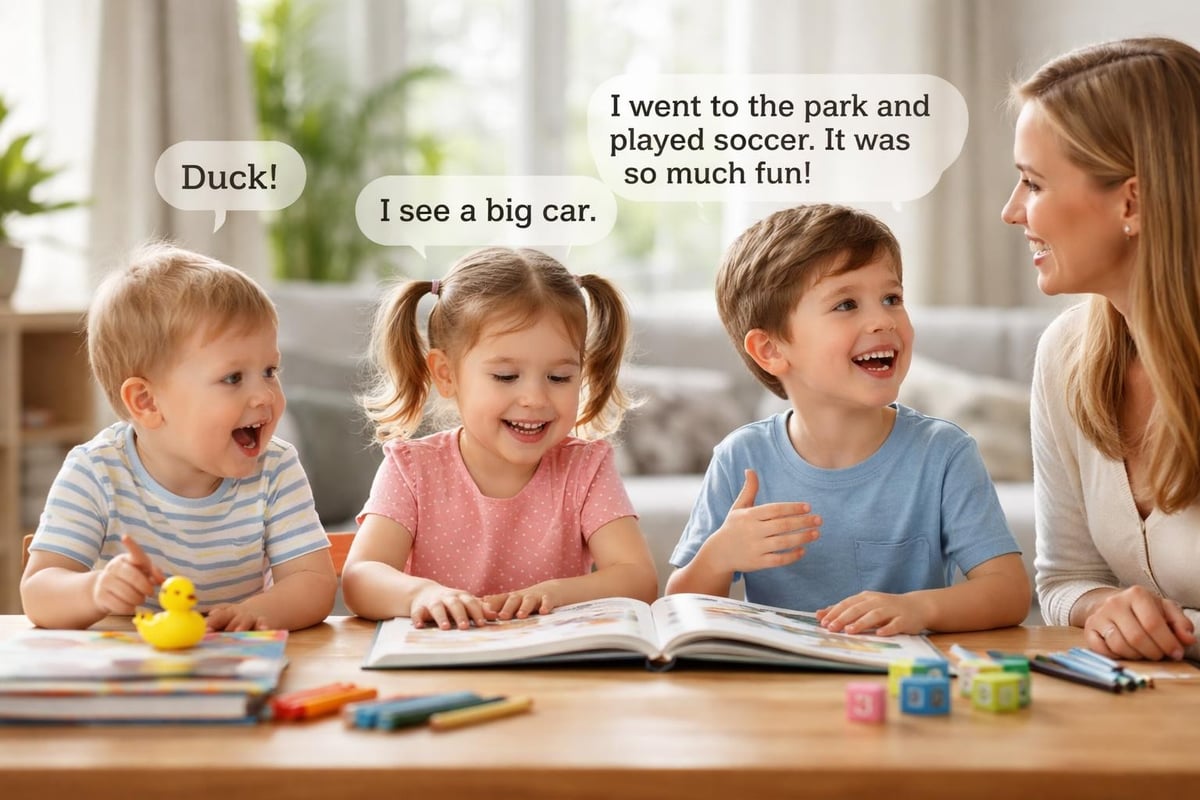
Early childhood represents a critical window for language acquisition. The benefit of early childhood education becomes particularly evident in communication development, as structured programs expose children to rich language environments that accelerate vocabulary growth and conversational skills.
Vocabulary Expansion and Language Skills
Quality early education programs engage children in conversations, read-alouds, and language-rich activities throughout the day. Children in these environments typically hear thousands more words than those without structured learning experiences, significantly impacting their language development.
Professional childcare providers intentionally:
- Use descriptive language during everyday activities
- Introduce new vocabulary words with context and repetition
- Ask open-ended questions that encourage detailed responses
- Read diverse books that expose children to varied sentence structures
- Encourage storytelling and verbal expression
This constant language stimulation supports not only immediate communication skills but also reading comprehension and writing abilities that emerge in later grades.
Bilingual and Multilingual Advantages
For families seeking bilingual or multilingual development, early childhood education provides ideal conditions for language learning. Young children's brains are exceptionally receptive to acquiring multiple languages simultaneously, and quality programs can support this development through intentional instruction and exposure.
Long-Term Academic and Economic Benefits
The advantages of early childhood education extend far beyond the preschool years, creating measurable impacts on academic achievement and economic outcomes throughout life.
Academic Achievement and Educational Attainment
Students who participate in quality early education programs consistently demonstrate:
- Higher graduation rates from high school
- Increased likelihood of pursuing higher education
- Better performance on standardized tests across all grade levels
- Stronger work habits and study skills
- Greater engagement with learning throughout their educational careers
The benefits of early childhood education for children and society include improved social behaviors and better academic achievement that create positive trajectories affecting entire communities.
Economic Advantages and Career Success
Research demonstrates substantial economic returns associated with early childhood education participation. Adults who attended quality early learning programs typically experience:
- Higher lifetime earnings compared to peers without early education
- Greater employment stability and career advancement opportunities
- Reduced dependence on social services and public assistance
- Lower involvement in criminal justice systems
- Better financial decision-making and economic security
These outcomes represent not only individual benefits but also significant societal returns on investment in early education. Every dollar invested in quality early childhood programs generates substantial economic benefits through reduced social costs and increased productivity.
Health and Well-Being Outcomes
The benefit of early childhood education encompasses physical health and overall well-being. Quality programs establish healthy habits and support developmental milestones that contribute to lifelong health.
Physical Development and Healthy Habits
Early childhood programs provide structured opportunities for physical activity and movement that support gross and fine motor development. Children engage in:
- Outdoor play that builds strength, coordination, and cardiovascular health
- Activities that develop hand-eye coordination and dexterity
- Nutritious meals and snacks that model healthy eating patterns
- Hygiene routines that establish lifelong self-care habits
- Rest periods that support healthy sleep associations
These physical health foundations contribute to reduced obesity rates, better overall health outcomes, and positive relationships with physical activity that persist into adulthood.
Mental Health and Stress Reduction
Quality early education environments provide emotional security and consistent routines that reduce stress for both children and families. The seven benefits of supporting early childhood education include improved health outcomes and support for families facing various challenges.
Parents who utilize reliable childcare experience:
- Reduced stress related to work-family balance
- Greater ability to maintain employment and career development
- Peace of mind knowing children are in safe, nurturing environments
- Support networks through connections with other families
- Access to professional guidance on child development concerns
These family-level benefits create more stable home environments, which further support children's healthy development and well-being.
Reducing Educational Inequities
Early childhood education plays a crucial role in addressing achievement gaps and promoting educational equity across socioeconomic backgrounds.
Leveling the Playing Field
Children from economically disadvantaged backgrounds often enter kindergarten significantly behind their more affluent peers in vocabulary, pre-academic skills, and school readiness. Quality early education programs help close these gaps by providing:
| Resource | Impact on Disadvantaged Children |
|---|---|
| Structured Learning | Access to educational materials and activities not available at home |
| Nutritious Meals | Consistent access to healthy food supporting brain development |
| Adult Attention | Individual interaction with trained educators |
| Safe Environment | Stable, predictable setting free from chaos or neglect |
| Developmental Screening | Early identification of delays or special needs |
Programs like home visiting initiatives bring early education to families facing challenges in accessing quality preschool, demonstrating commitment to reaching all children regardless of circumstances.
Breaking Cycles of Poverty
The benefit of early childhood education extends to breaking intergenerational poverty cycles. When children from low-income families receive quality early education, they demonstrate improved outcomes that translate to economic mobility. States are increasingly recognizing this impact, with initiatives like New Mexico’s universal free child care and Massachusetts’ efforts to make early education more accessible.
These policy initiatives reflect growing understanding that investing in early childhood education creates stronger communities and economic benefits that far exceed initial costs.
Supporting Family Stability and Employment
Quality childcare enables parents to maintain employment, pursue education, and contribute to family economic stability while knowing their children are receiving excellent care and learning opportunities.
Workforce Participation and Career Development
Reliable early childhood education allows parents to:
- Accept full-time employment opportunities
- Pursue career advancement and professional development
- Complete educational programs and training
- Maintain consistent work schedules without frequent absences
- Focus on work responsibilities without constant childcare concerns
This employment stability strengthens family finances, reduces stress, and creates more secure home environments for children. Parents can focus on their professional responsibilities knowing their children are engaged in developmentally appropriate activities within safe, nurturing settings.

Parent Education and Engagement
Professional childcare providers serve as valuable resources for parents, offering guidance on child development, behavior management, and age-appropriate expectations. Families benefit from learning about developmental milestones, receiving recommendations for addressing concerns, and connecting with other parents facing similar challenges.
Home childcare settings often provide more intimate environments where providers develop deep relationships with families, understanding each child's unique needs, preferences, and family dynamics. You can explore parent reviews to understand how quality care impacts families.
Preparing for Kindergarten Transitions
The benefit of early childhood education becomes particularly evident during kindergarten transitions. Children who attend structured programs adapt more successfully to formal school environments, experiencing less stress and demonstrating greater confidence.
Academic Readiness and Confidence
Children entering kindergarten from quality early education programs arrive with:
- Familiarity with classroom routines including circle time, transitions, and structured activities
- Basic academic skills that allow immediate engagement with curriculum
- Self-help abilities such as managing belongings and following multi-step directions
- Attention span sufficient for age-appropriate instruction periods
- Curiosity and enthusiasm for learning new concepts
Teachers consistently report that students with early education experience demonstrate greater independence, better behavior, and stronger engagement during kindergarten and beyond. These students require less intensive support, allowing teachers to focus on instruction rather than basic behavioral and academic foundation-building.
Social Preparedness for School Environments
Beyond academic skills, early education prepares children for the social demands of elementary school. They understand how to:
- Listen when teachers provide instruction
- Raise hands and wait to be called on
- Work independently on assigned tasks
- Participate appropriately in group activities
- Ask for help when needed
- Respect classroom materials and spaces
These social competencies allow children to focus on learning rather than struggling with behavioral expectations, creating positive early school experiences that shape long-term educational attitudes and outcomes.
Choosing Quality Early Education Programs
Understanding the benefit of early childhood education helps parents make informed decisions when selecting childcare providers. Quality programs share several distinguishing characteristics that maximize developmental outcomes.
Key Quality Indicators
When evaluating early education options, families should consider:
- Qualified, experienced educators with training in child development
- Low child-to-teacher ratios ensuring individual attention
- Developmentally appropriate curricula balancing structure and play
- Safe, engaging physical environments with varied learning centers
- Strong family communication and partnership approaches
- Consistent routines that provide security and predictability
Home childcare environments often excel in providing individualized attention, family-like atmospheres, and flexible approaches that accommodate each child's unique developmental timeline. Learn more about quality care approaches through our services.
Questions to Ask Potential Providers
Parents should inquire about:
| Topic | Important Questions |
|---|---|
| Curriculum | How do you balance academic preparation with play-based learning? |
| Communication | How often will you update me on my child's progress and daily activities? |
| Discipline | What approaches do you use for behavior guidance and conflict resolution? |
| Safety | What safety protocols and emergency procedures are in place? |
| Qualifications | What training and experience do you and your staff have? |
Thoughtful consideration of these factors helps families identify providers who will deliver the comprehensive benefits associated with quality early childhood education.
The evidence overwhelmingly demonstrates that early childhood education creates lasting advantages affecting every aspect of children's development and future success. From cognitive and social-emotional growth to long-term academic achievement and economic outcomes, quality early learning experiences provide foundations that support lifelong well-being. If you're seeking a nurturing home childcare environment that maximizes these developmental benefits for your child, Step by Step Care provides experienced, personalized early education that prepares children for school success and beyond. Contact us today to learn how we can support your family's early learning journey.


