

Early Childhood Care Courses: Your Complete Guide 2026
The landscape of early childhood education continues to evolve, and staying current with professional development has never been more critical. Whether you're just starting your career in home childcare or looking to enhance your existing skills, early childhood care courses provide the foundation for delivering exceptional care. These educational programs equip childcare professionals with evidence-based strategies, safety protocols, and developmental insights that directly impact the quality of care children receive. As regulatory requirements become more comprehensive and parents increasingly seek qualified providers, investing in your education through structured coursework has shifted from optional to essential.
Understanding the Foundation of Early Childhood Education
Early childhood care courses cover a broad spectrum of topics designed to prepare professionals for the multifaceted responsibilities of caring for young children. These programs address everything from child development theories to practical classroom management techniques.
Core Components of Quality Training Programs
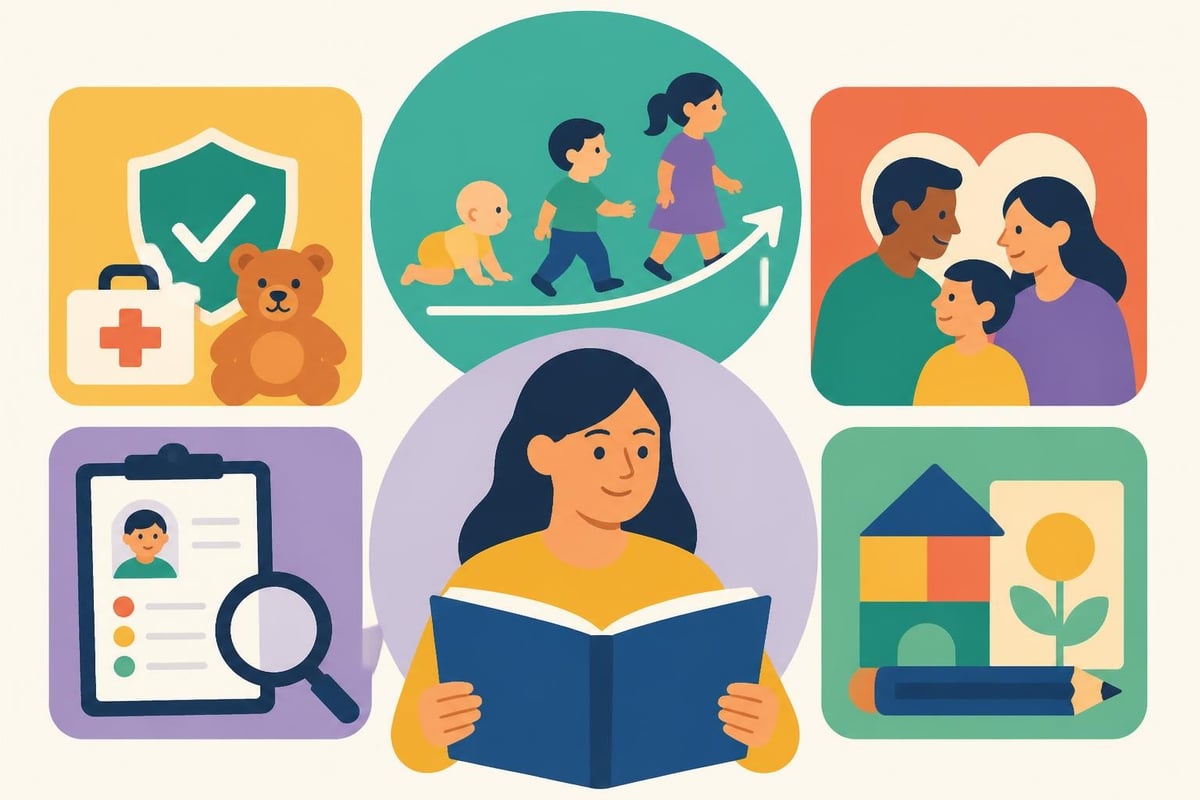
The most effective early childhood care courses incorporate several essential elements that build competency across multiple domains. Foundational knowledge includes understanding developmental milestones from infancy through kindergarten age, recognizing individual learning styles, and implementing age-appropriate activities that promote cognitive, social, emotional, and physical growth.
Professional training programs typically cover these critical areas:
- Child development and learning: Understanding how children grow, learn, and develop across different age groups
- Health, safety, and nutrition: Implementing protocols that protect children's wellbeing and promote healthy habits
- Family and community engagement: Building partnerships with parents and connecting families to resources
- Observation and assessment: Documenting children's progress and using data to inform teaching practices
- Curriculum planning: Designing developmentally appropriate learning experiences
- Professional ethics and standards: Maintaining confidentiality, boundaries, and ethical decision-making
The University of Arkansas’s Early Care and Education Projects offers foundational training that helps new professionals understand these core competencies and how they interconnect in daily practice.
Types of Early Childhood Care Courses Available
The variety of course formats and specializations available today makes professional development more accessible than ever. Understanding the different options helps you choose the pathway that aligns with your career goals and learning preferences.
Online Professional Development Options
Online early childhood care courses have transformed how childcare professionals access education. These flexible programs allow you to complete coursework around your existing work schedule, making it easier to continue working while pursuing credentials.
Better Kid Care provides over 300 evidence-informed online courses specifically designed for early care and education professionals. Their catalog demonstrates the breadth of topics available through digital learning platforms.
| Course Format | Time Commitment | Best For | Credential Type |
|---|---|---|---|
| Self-paced online | 1-3 hours per course | Working professionals | CEUs, certificates |
| Live virtual workshops | 2-6 hours per session | Interactive learners | Completion certificates |
| Hybrid programs | Varies (online + in-person) | Comprehensive training | Diplomas, degrees |
| Micro-credentials | 10-40 hours per badge | Targeted skill building | Digital badges |
Specialized Certification Programs
Beyond general education, specialized early childhood care courses focus on specific populations or methodologies. These advanced programs allow professionals to develop expertise in particular areas of interest.
Specialization options include:
- Infant and toddler care: Focused training on the unique needs of children under three
- Inclusive education: Strategies for supporting children with special needs
- Dual language learners: Approaches for working with multilingual families
- STEAM education: Integrating science, technology, engineering, arts, and mathematics
- Social-emotional development: Promoting emotional intelligence and self-regulation
- Trauma-informed care: Supporting children who have experienced adversity
Meeting State Requirements and Accreditation Standards
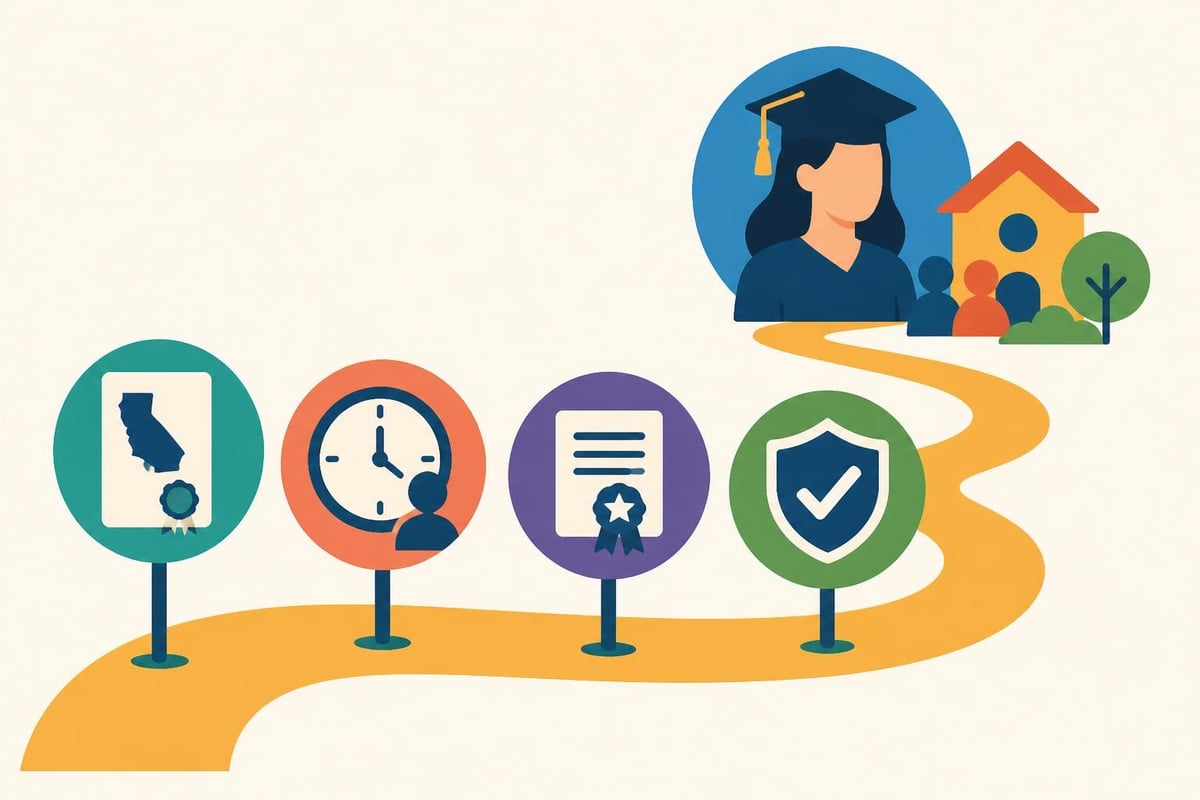
Regulatory requirements for childcare providers vary by state, but most jurisdictions now mandate specific training hours and ongoing professional development. Understanding these requirements ensures you maintain compliance while building your professional qualifications.
State-Specific Training Mandates
Each state establishes minimum training requirements for childcare providers operating in home-based or center-based settings. These typically include pre-service orientation courses and annual continuing education hours.
The Missouri Department of Elementary and Secondary Education provides an example of how states structure their professional development requirements, offering free online training that helps providers meet mandatory standards while improving the quality of their programs.
Most states require training in these fundamental areas:
- First aid and CPR certification: Updated every two years
- Recognizing and reporting child abuse: Annual refresher training
- Safe sleep practices: Particularly for infant care providers
- Food safety and nutrition: Understanding dietary needs and safe food handling
- Emergency preparedness: Developing and practicing response protocols
National Accreditation Pathways
While state licensing sets minimum standards, national accreditation programs represent the gold standard in early childhood education quality. Pursuing early childhood care courses aligned with accreditation frameworks demonstrates your commitment to excellence.
The National Association for the Education of Young Children establishes comprehensive standards that programs must meet to achieve accreditation. These standards influence the curriculum design of quality professional development courses.
Building Your Professional Development Plan
Creating a strategic approach to your education ensures you're investing time and resources in early childhood care courses that advance your specific career goals. A well-designed professional development plan balances immediate requirements with long-term aspirations.
Assessing Your Current Knowledge and Skills
Before enrolling in courses, conduct an honest assessment of your strengths and growth areas. This self-reflection helps you prioritize which training will have the greatest impact on your practice.
Consider these questions:
- What aspects of childcare do you find most challenging?
- Which age group would you like to understand better?
- Are there specific teaching methodologies you want to explore?
- What feedback have parents or supervisors provided about your practice?
- Which licensing or credential requirements do you need to fulfill?
Creating a Timeline for Course Completion
Effective professional development happens incrementally over time rather than in rushed, last-minute sessions. Developing a realistic timeline keeps you on track without overwhelming your schedule.
| Timeframe | Focus Area | Course Examples | Expected Outcome |
|---|---|---|---|
| Immediate (0-3 months) | Required certifications | CPR, first aid, mandated reporter training | Compliance with licensing |
| Short-term (3-6 months) | Foundational knowledge | Child development, health and safety | Enhanced daily practice |
| Medium-term (6-12 months) | Specialization | Behavior guidance, curriculum planning | Targeted skill improvement |
| Long-term (1-2 years) | Advanced credentials | CDA, associate degree courses | Career advancement |
The ChildCare Education Institute offers a comprehensive catalog that allows you to plan your coursework across multiple timeframes, selecting from over 150 professional development options.
Selecting Quality Course Providers
Not all early childhood care courses deliver equal value. Distinguishing high-quality programs from substandard offerings protects your investment and ensures you're learning evidence-based practices.
Evaluating Course Credentials and Recognition
Quality course providers maintain accreditation from recognized organizations and offer credentials that meet professional standards. Look for programs that provide IACET Continuing Education Units (CEUs) or are approved by your state's childcare licensing division.
ChildCare Education Institute’s professional development courses exemplify programs that meet state training requirements while providing nationally recognized continuing education units.
Key indicators of quality include:
- Accreditation status: IACET, state approval, or professional association recognition
- Instructor qualifications: Faculty with advanced degrees and field experience
- Current content: Regular updates reflecting current research and best practices
- Practical application: Opportunities to practice skills and receive feedback
- Support resources: Access to instructors, peer discussion, and supplementary materials
Understanding Course Content and Learning Outcomes
Before enrolling, carefully review the course description, objectives, and learning outcomes. Quality early childhood care courses clearly state what you'll be able to do differently after completion.
Effective course descriptions should answer:
- What specific knowledge or skills will you gain?
- How does the content align with professional standards?
- What assessment methods measure your learning?
- Are there prerequisites or recommended prior knowledge?
- How will you apply this learning in your childcare setting?
Applying Course Learning to Home Childcare Settings
The true value of early childhood care courses emerges when you translate classroom learning into practical application within your childcare environment. Home-based providers face unique opportunities and challenges that require adapting general principles to specific contexts.
Implementing Evidence-Based Practices
Research-informed strategies taught in quality courses provide the framework for effective childcare, but successful implementation requires thoughtful adaptation. Consider how new approaches fit within your existing routines, physical space, and the specific needs of children in your care.
Understanding curricula in early childhood care and education helps providers select and implement frameworks that support children's learning across all developmental domains.
Practical implementation steps include:
- Start small: Introduce one new strategy at a time rather than overhauling everything at once
- Document outcomes: Track how changes affect children's engagement, behavior, and development
- Adjust as needed: Modify approaches based on what you observe in your specific setting
- Share with families: Communicate new practices and their benefits to parents
- Seek feedback: Ask for input from children, parents, and fellow providers
Creating a Culture of Continuous Improvement
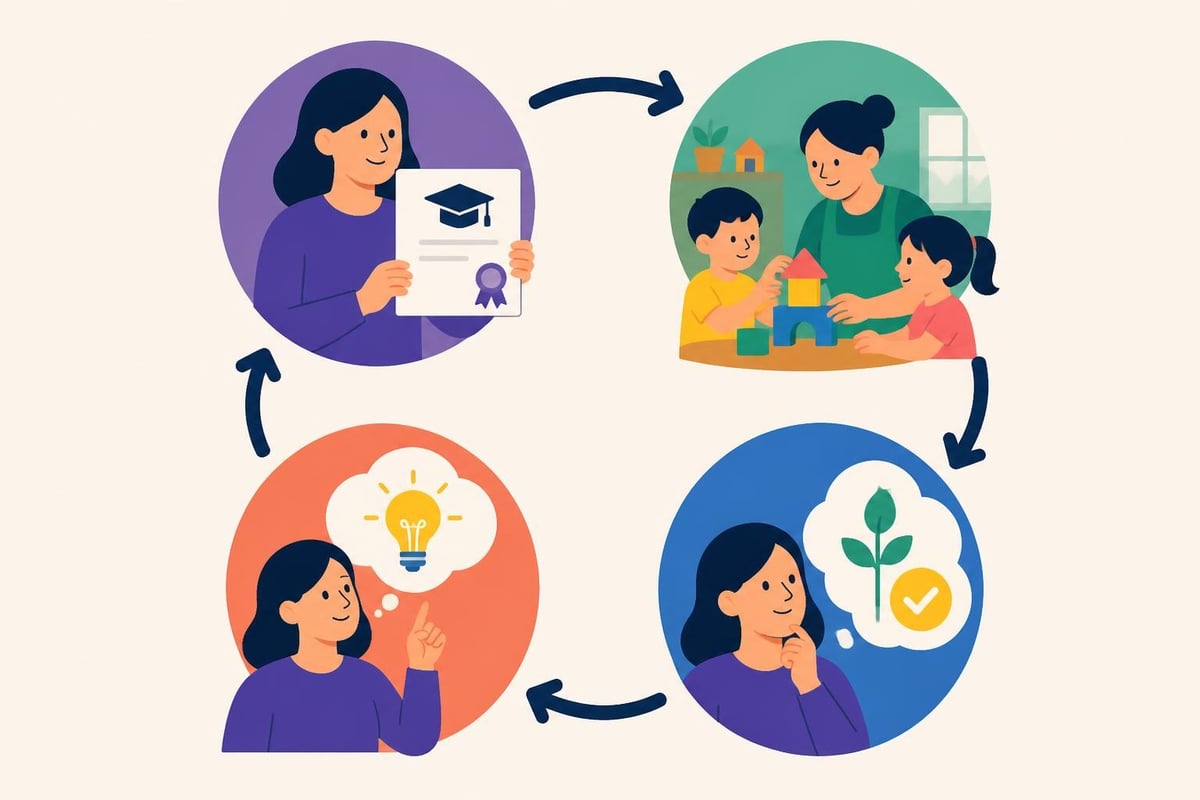
Professional development through early childhood care courses shouldn't be viewed as a box to check but rather as an ongoing commitment to excellence. The best childcare providers maintain a growth mindset, constantly refining their practice based on new knowledge and reflection.
At Step by Step Care, our commitment to continuous improvement means regularly engaging with professional development opportunities that enhance the quality of care we provide. This dedication to ongoing learning distinguishes exceptional programs from those that simply meet minimum requirements.
Leveraging Professional Networks and Resources
The learning that happens through early childhood care courses extends beyond formal instruction when you connect with professional communities and access ongoing support resources.
Connecting With Professional Organizations
Membership in early childhood education associations provides access to additional training opportunities, networking events, and resources that complement your formal coursework. These connections help you stay current with industry trends and regulatory changes.
The National Early Childhood Program Accreditation organization offers resources and standards that guide quality improvement efforts while connecting providers with peers pursuing similar excellence.
Professional memberships offer:
- Discounted access to conferences and workshops
- Newsletters and publications with current research
- Mentorship opportunities with experienced educators
- Advocacy support for policy and funding issues
- Online communities for peer support and idea sharing
Accessing Ongoing Support and Resources
Completing early childhood care courses is just the beginning. Quality providers continue accessing resources that support implementation, answer questions, and provide updated information as regulations and best practices evolve.
Allegany College of Maryland’s childcare certification courses represent programs that provide ongoing support beyond initial course completion, helping professionals advance their careers while meeting growing demands for qualified providers.
Financial Considerations and Investment Return
Pursuing early childhood care courses requires both time and financial investment. Understanding the costs involved and available funding sources helps make professional development more accessible.
Course Costs and Funding Options
Professional development expenses vary widely depending on the course format, provider, and credential level. Individual online courses may cost $20-$100, while comprehensive certificate programs or degree pathways can range from hundreds to thousands of dollars.
| Funding Source | Typical Coverage | Eligibility Requirements | Application Process |
|---|---|---|---|
| State scholarships | $500-$2,000 annually | Active childcare license | Online application |
| TEACH program | Course tuition + bonus | Employment requirement | Program enrollment |
| Employer reimbursement | Varies by provider | Continued employment | Submit receipts |
| Federal financial aid | Based on income | Degree-seeking students | FAFSA completion |
Many states offer professional development scholarships specifically for childcare providers. These programs recognize that investing in workforce quality benefits children, families, and communities.
Calculating Return on Investment
While the immediate costs of early childhood care courses are tangible, the returns extend beyond financial compensation. Enhanced knowledge and credentials can lead to increased enrollment, higher rates, and expanded program offerings for home childcare providers.
Less tangible but equally valuable returns include:
- Greater confidence in your professional abilities
- Improved child outcomes and developmental progress
- Stronger relationships with families who value your expertise
- Personal satisfaction from delivering high-quality care
- Reduced stress from having effective strategies for challenges
Staying Current With Industry Trends and Research
The field of early childhood education continues evolving as new research emerges and societal needs shift. Successful providers view professional development as a career-long journey rather than a destination.
Emerging Topics in Early Childhood Education
Recent years have brought increased focus on several areas that are now becoming standard components of early childhood care courses. These emerging topics reflect both new research findings and changing family needs.
Current trending topics include:
- Executive function development: Supporting skills like focus, working memory, and self-control
- Nature-based learning: Incorporating outdoor experiences and environmental education
- Digital literacy and screen time: Navigating technology use with young children
- Mental health awareness: Recognizing early signs of anxiety, depression, and trauma
- Anti-bias education: Creating inclusive environments that celebrate diversity
- Family engagement in virtual formats: Connecting with parents through digital platforms
Adapting to Changing Regulations and Standards
Professional standards and licensing requirements regularly change as states update regulations to reflect current best practices. Staying informed about these changes ensures you maintain compliance while providing quality care.
Following professional development resources from established childcare programs can help you stay current with industry changes and implementation strategies that work in real-world settings.
Making Professional Development Work for Your Schedule
One of the most common barriers to completing early childhood care courses is finding time amidst the demands of running a childcare program. Successful providers develop strategies for integrating learning into their busy lives.
Time Management Strategies for Working Professionals
Balancing childcare responsibilities with coursework requirements doesn't happen by accident. It requires intentional planning and realistic expectations about what you can accomplish.
Effective approaches include:
- Block scheduling: Dedicate specific times each week exclusively for coursework
- Microlearning: Complete short modules during naptime or quiet activities
- Weekend intensive: Reserve one weekend monthly for longer course sessions
- Team coordination: Arrange with assistants or co-providers for focused study time
- Family support: Communicate your education goals and request household help
Choosing Appropriate Course Formats
Your learning style and schedule constraints should guide which early childhood care courses you select. Self-paced online options work well for some providers, while others benefit from the structure and accountability of scheduled virtual sessions.
Consider these factors when selecting course formats:
- Learning preference: Do you learn better through reading, watching videos, or interactive discussion?
- Technology comfort: Are you confident navigating online learning platforms?
- Schedule predictability: Can you commit to specific class meeting times?
- Support needs: Do you prefer independent study or guided instruction?
- Hands-on requirements: Does the content require in-person practice or demonstration?
Building Credentials That Advance Your Career
Strategic selection of early childhood care courses allows you to build credentials that open doors to new opportunities and demonstrate your professional commitment.
Understanding Credential Pathways
The early childhood education field offers multiple credential levels, each representing different amounts of training and expertise. Understanding how these credentials build upon each other helps you plan a progression that aligns with your career goals.
Starting with a Child Development Associate (CDA) credential provides foundational recognition, while associate and bachelor's degrees offer expanded career opportunities. Specialized certifications in areas like infant care, special education, or program administration further distinguish your qualifications.
Programs featured at top-rated daycares typically employ staff with diverse credential levels, demonstrating how professional development translates into program quality that families recognize and value.
Documenting Your Professional Growth
Maintaining organized records of completed early childhood care courses serves multiple purposes. These records demonstrate compliance with licensing requirements, support applications for advanced credentials, and document your commitment to professional excellence.
Your professional portfolio should include:
- Certificates of completion for all training
- Transcripts from degree or certificate programs
- Documentation of CEUs earned
- Reflections on how you've applied learning
- Evidence of improved outcomes (photos, work samples, assessment data)
- Letters of recommendation from supervisors or families
Investing in early childhood care courses represents a commitment to providing the highest quality care for the children and families you serve. The knowledge, skills, and credentials you gain through professional development directly impact developmental outcomes, family satisfaction, and your own professional confidence. At Step by Step Care, we understand the value of continuous learning and the difference it makes in children's lives. Whether you're just beginning your childcare journey or looking to enhance your existing practice, taking that next step in your professional development can transform both your career and the lives of the children in your care.


