

Daycare Educator: Essential Skills and Career Guide
Working as a daycare educator represents one of the most rewarding yet challenging career paths in early childhood development. These dedicated professionals shape young minds during their most formative years, creating safe environments where children learn, grow, and develop critical social and cognitive skills. Whether you're considering this career path or looking to enhance your existing practice, understanding the role's requirements, responsibilities, and opportunities helps you provide the highest quality care for children and families in your community.
What Does a Daycare Educator Do?
A daycare educator does far more than supervise children during the day. These professionals create structured learning environments that promote development across multiple domains. They design age-appropriate activities that build cognitive skills, facilitate social interactions that teach cooperation and empathy, and maintain safe spaces where children can explore and discover.
Daily responsibilities vary depending on the age group served. Educators working with infants focus on establishing feeding routines, managing sleep schedules, and providing sensory stimulation through touch, sound, and visual engagement. Those who provide infant care programs must be especially attuned to nonverbal cues and individual needs.
Core Responsibilities
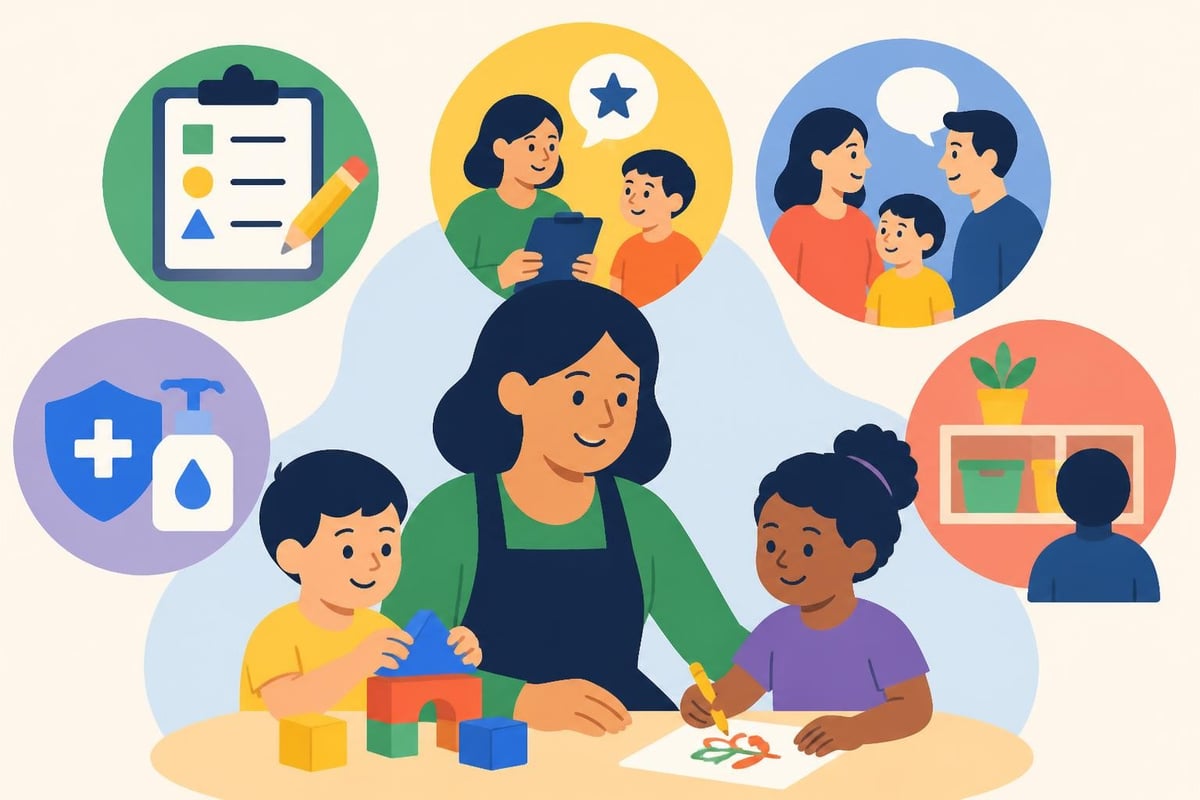
The role encompasses several key areas that demand constant attention and expertise:
- Curriculum planning: Developing lesson plans that align with developmental milestones and learning objectives
- Child assessment: Observing and documenting each child's progress across developmental domains
- Family communication: Maintaining regular contact with parents about their child's activities, achievements, and concerns
- Health and safety: Implementing protocols for nutrition, hygiene, illness prevention, and emergency response
- Classroom management: Creating routines and structures that help children feel secure while encouraging independence
Each task requires specific knowledge and skills that professionals develop through education, training, and experience. The staff qualifications and required training vary by state but consistently emphasize the connection between educator preparation and quality outcomes for children.
Educational Requirements and Credentials
Becoming a daycare educator requires meeting specific educational benchmarks and obtaining relevant certifications. Requirements differ based on the type of facility, age groups served, and state regulations where you practice.
Minimum Education Standards
Most states require at least a high school diploma or GED for entry-level positions. However, many facilities prefer or require additional credentials that demonstrate specialized knowledge in child development. Programs that accept public funding often mandate higher qualification levels for their staff.
| Credential Level | Typical Requirements | Career Opportunities |
|---|---|---|
| High School Diploma | GED or diploma + CPR/First Aid | Assistant teacher, aide positions |
| CDA Credential | 120 hours training + 480 hours experience | Lead teacher in preschool settings |
| Associate Degree | 2-year early childhood education program | Head teacher, assistant director |
| Bachelor's Degree | 4-year degree in ECE or related field | Director, program coordinator |
The Child Development Associate (CDA) credential represents a widely recognized professional certification for educators working with young children. This credential demonstrates competency in promoting child development, advancing physical and intellectual development, supporting social and emotional growth, and maintaining productive relationships with families.
Specialized Training Areas
Beyond formal education, daycare educators must complete training in several specialized areas. Understanding daycare worker requirements helps prospective educators prepare for the comprehensive nature of this profession.
Required certifications typically include:
- Pediatric CPR and First Aid
- Child abuse recognition and reporting
- Safe sleep practices (for infant care)
- Food safety and nutrition
- Emergency preparedness
Many states also require ongoing professional development hours annually. These continuing education requirements ensure educators stay current with research-based practices and emerging knowledge in early childhood development.
Essential Skills for Success
Technical qualifications provide the foundation, but success as a daycare educator depends equally on developing interpersonal and professional competencies that create positive learning environments.
Communication Excellence
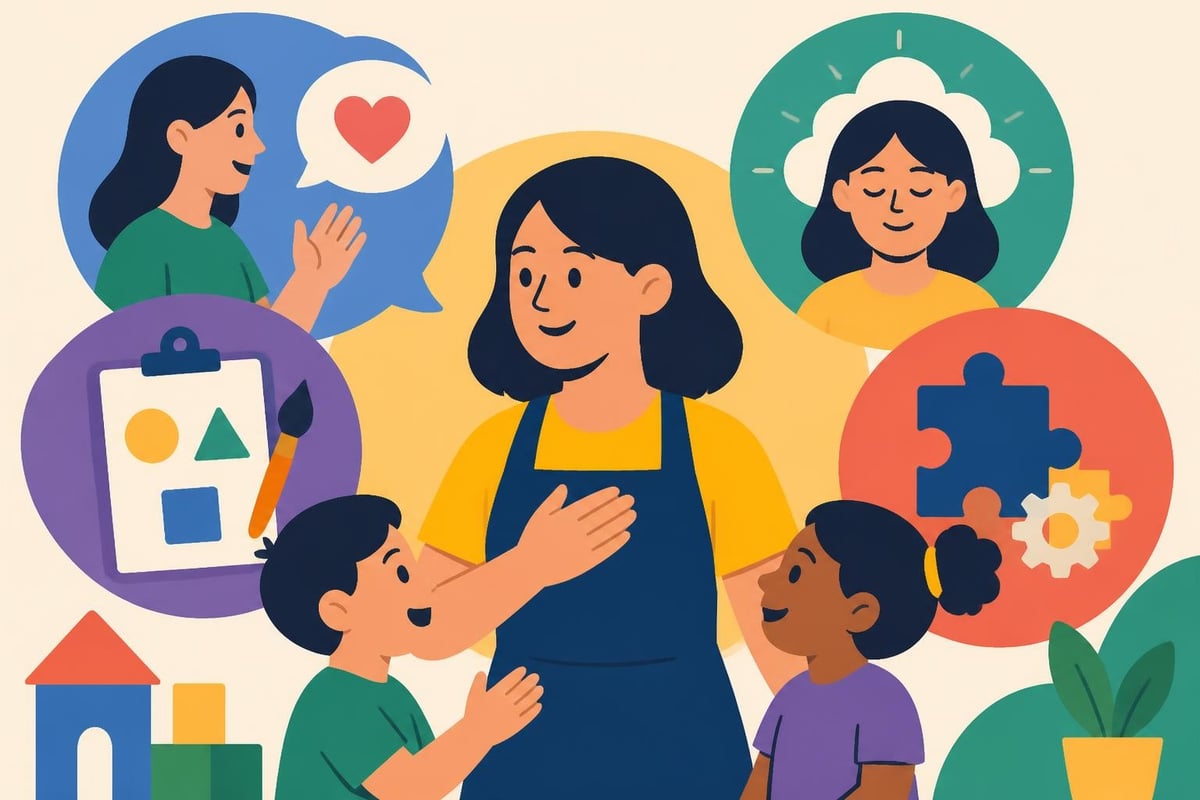
Effective communication stands among the most critical skills for daycare educators. You must translate complex developmental concepts into accessible language that parents understand, document observations with clarity and precision, and adapt your communication style to meet diverse family needs and preferences.
Young children require communication approaches that differ dramatically from adult interactions. Educators use simplified language, visual supports, and modeling to help children understand expectations and express their needs. This skill develops through practice and intentional study of child development principles.
Patience and Emotional Regulation
Working with young children tests patience daily. Toddlers experience intense emotions they cannot yet regulate independently. Preschoolers test boundaries repeatedly as they develop autonomy. Educators must remain calm during challenging behaviors while implementing appropriate guidance strategies.
The demands of this emotional labor make supporting educator mental health essential for long-term career sustainability. Professionals who establish healthy boundaries and self-care routines provide more consistent, responsive care to the children they serve.
Implementing Developmentally Appropriate Practices
Quality early childhood education rests on the foundation of developmentally appropriate practices (DAP). These evidence-based approaches ensure that educators meet children where they are developmentally while gently stretching their capabilities.
Age-Appropriate Learning Activities
A skilled daycare educator designs activities that match children's current abilities while introducing manageable challenges. For infants, this might mean providing varied textures to explore during tummy time. For preschoolers, it involves creating complex dramatic play scenarios that encourage problem-solving and negotiation.
The concept of developmentally appropriate practices emphasizes three core considerations: age appropriateness, individual appropriateness, and cultural appropriateness. Educators must balance general developmental knowledge with awareness of each child's unique strengths, interests, and background.
Play-Based Learning Philosophy
Modern early childhood education recognizes play as children's primary learning mode. Through play, children develop critical thinking skills, practice social scenarios, build physical coordination, and explore scientific concepts naturally.
Educators facilitate learning by thoughtfully designing play environments, asking open-ended questions that extend thinking, and observing how children engage with materials and peers. Research-based best practices for school readiness demonstrate that play-based approaches produce stronger outcomes than worksheet-focused instruction for young children.
Building Family Partnerships
Daycare educators work as partners with families, not replacements for parental care. Strong family relationships enhance outcomes for children and create smoother daily operations.
Daily Communication Strategies
Families want to know what their children experience during the day. Effective educators establish communication routines that keep parents informed without overwhelming them. These might include:
- Morning greetings that acknowledge both parent and child
- Daily reports highlighting activities, meals, and developmental moments
- Photos or videos that capture special achievements
- Regular conferences to discuss progress and goals
- Informal conversations during pickup that build rapport
Technology has transformed family communication in many settings. Digital platforms allow educators to share real-time updates, photos, and developmental observations that help parents feel connected even when separated from their children.
Cultural Responsiveness
Modern daycare settings serve increasingly diverse populations. Educators must develop cultural competence that honors different family structures, languages, traditions, and childrearing practices. This means learning about the communities you serve, reflecting diversity in classroom materials and activities, and approaching differences with curiosity rather than judgment.
Career Advancement Opportunities
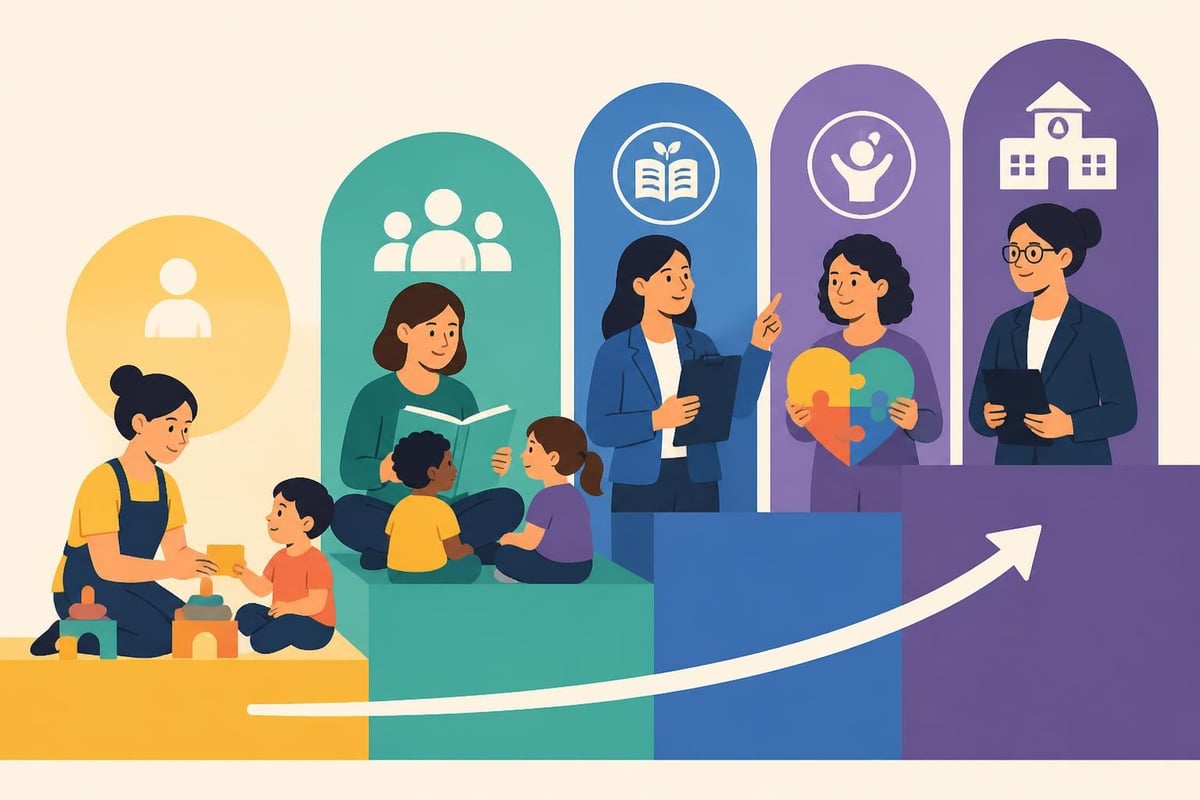
The field of early childhood education offers multiple pathways for professional growth. Daycare educators who pursue additional education and specialization can access diverse career opportunities.
Leadership Roles
Experienced educators often transition into administrative positions such as lead teacher, assistant director, or center director. These roles involve managing staff, overseeing curriculum implementation, ensuring regulatory compliance, and maintaining family relationships at a program-wide level.
Leadership positions typically require advanced degrees and several years of classroom experience. The knowledge gained through direct work with children proves invaluable when supporting other educators and making program-level decisions.
Specialization Options
Some educators choose to specialize in particular areas rather than pursuing administration:
- Infant and toddler specialists who focus exclusively on the youngest children
- Inclusion specialists who support children with disabilities
- Curriculum coordinators who develop and implement educational programming
- Family engagement coordinators who build community partnerships
- Consultants who support quality improvement across multiple programs
Each specialization requires additional training and often specific certifications, but offers the opportunity to deepen expertise in areas of particular interest.
Navigating Challenges in the Field
Working as a daycare educator presents unique challenges that professionals must navigate while maintaining quality care and personal wellbeing.
Managing Physical Demands
The physical requirements of early childhood education surprise many new educators. The role involves frequent bending, lifting, sitting on small chairs or floors, and maintaining constant vigilance. Educators must develop strategies to protect their physical health while meeting children's needs.
Simple accommodations like using stools to reach floor level, practicing proper lifting techniques, and alternating between active and quiet activities help manage physical strain. Many successful educators incorporate movement and exercise into their daily routines to build the stamina this work requires.
Addressing Low Compensation
Early childhood education historically suffers from inadequate compensation despite the profession's importance. The median salary for daycare educators remains below many other fields requiring similar education levels. This reality creates financial stress and contributes to high turnover rates that disrupt continuity for children.
Advocating for fair compensation requires collective action and public awareness about early childhood education's value. Professional organizations work toward policy changes that recognize educators' expertise with appropriate pay structures.
| Challenge | Impact | Strategies |
|---|---|---|
| Low wages | Financial stress, high turnover | Seek employers offering competitive pay, pursue certifications that increase earning potential |
| Physical demands | Fatigue, injury risk | Practice proper body mechanics, incorporate movement breaks |
| Emotional labor | Burnout, compassion fatigue | Establish boundaries, engage in regular self-care |
| Limited advancement | Career stagnation | Pursue continuing education, seek mentorship |
Creating Quality Learning Environments
The physical environment significantly influences children's learning and behavior. Thoughtful daycare educators design spaces that promote exploration, independence, and skill development.
Classroom Organization Principles
Effective classroom design incorporates several key principles. Materials should be accessible to children at their height, encouraging independence and choice. Learning centers should define clear purposes while allowing flexible use. Traffic patterns should minimize congestion and support smooth transitions between activities.
Safety considerations guide every design decision. Educators must constantly assess environments for potential hazards while maintaining spaces that allow appropriate risk-taking and physical challenge. This balance supports healthy development without exposing children to unnecessary danger.
Materials Selection
The materials available in a classroom communicate what educators value and expect. High-quality programs provide open-ended materials that children can use in multiple ways rather than single-purpose toys that limit creativity. Natural materials like wood, fabric, and found objects offer rich sensory experiences and connection to the world beyond the classroom.
Reflecting diversity through books, dolls, dramatic play props, and wall displays helps all children see themselves represented while exposing everyone to varied experiences and perspectives. This intentional selection creates inclusive environments where every child feels valued.
Staying Current with Best Practices
Early childhood education evolves continuously as research reveals new understanding about child development and effective teaching strategies. Professional daycare educators commit to ongoing learning throughout their careers.
Professional Development Resources
Numerous organizations and institutions offer training specifically designed for early childhood professionals. State licensing agencies typically provide free or low-cost training opportunities that meet continuing education requirements. Professional associations host conferences, webinars, and local chapter meetings where educators share knowledge and strategies.
Online platforms have expanded access to professional development, allowing educators to complete training on flexible schedules. However, in-person learning experiences offer unique benefits through hands-on practice and peer networking that support professional growth.
Evidence-Based Practice Integration
Understanding prekindergarten best practices helps educators implement strategies shown through research to support optimal development. This includes using assessment data to individualize instruction, implementing comprehensive curricula that address all developmental domains, and creating inclusive environments that serve diverse learners effectively.
Critical thinking helps educators evaluate new information and trends against established research. Not every popular approach or product delivers on its promises. Professionals develop skills to distinguish between marketing claims and evidence-based practices that genuinely benefit children.
The Rewards of Early Childhood Education
Despite challenges, working as a daycare educator offers profound rewards that attract passionate professionals to the field and sustain long careers.
Witnessing Developmental Milestones
Few experiences match the joy of watching a child master a new skill through your support and encouragement. Whether witnessing first steps, hearing new words, or observing a child solve a problem independently, these moments remind educators why their work matters.
The relationships formed with children and families create lasting connections. Many educators maintain contact with former students and families years after children move on to elementary school. These ongoing relationships demonstrate the lasting impact of quality early care and education.
Contributing to School Readiness
Preparing children for success in school and life represents the ultimate goal of early childhood education. Research consistently demonstrates that quality early learning experiences predict positive outcomes across multiple domains including academic achievement, social competence, and emotional wellbeing.
Educators see the direct results of their work when children transition to kindergarten with strong foundational skills. Parents often express gratitude for the role educators played in their child's development, providing recognition that sustains professionals through difficult days.
Building Your Career at Quality Programs
Choosing where to work significantly impacts your experience as a daycare educator. Quality programs support staff development, maintain manageable ratios, and invest in materials and environments that facilitate excellent teaching.
When evaluating potential employers, consider factors beyond salary. Ask about professional development opportunities, staff retention rates, and how the program supports educator wellbeing. Observe how current staff interact with children and each other. Visit the physical space to assess whether the environment reflects the values and practices you prioritize.
Home-based childcare programs offer unique opportunities for educators who value smaller group sizes and family-like atmospheres. Programs like Step by Step Care demonstrate how home-based settings can provide high-quality care while maintaining the intimate scale that benefits both children and educators. Exploring top-rated daycares near you helps identify programs committed to excellence in early childhood education.
The decision to become a daycare educator represents a commitment to serving children and families during their most crucial developmental period. Meeting educator requirements opens doors to a career filled with daily challenges and extraordinary rewards. Those who bring dedication, continuous learning, and genuine care for children find this profession deeply fulfilling despite its demands.
Working as a daycare educator demands dedication, ongoing learning, and genuine passion for supporting young children's development. The role combines technical knowledge about child development with interpersonal skills that build trust with families and create nurturing environments where every child thrives. If you're searching for quality early childhood education that values both children and the educators who serve them, Step by Step Care provides the supportive, engaging environment where learning and growth flourish. Reach out today to discover how our commitment to excellence in early childhood education can benefit your family.


