

Early Childhood and Care: A Complete Guide for Parents
The foundation for lifelong learning, health, and wellbeing begins in the earliest years of life. Research consistently demonstrates that high-quality early childhood and care experiences shape brain development, establish social-emotional skills, and prepare children for academic success. For parents navigating childcare options, understanding what constitutes effective early education can transform their child's developmental trajectory and provide peace of mind during those critical formative years.
Understanding the Science Behind Early Development
The first five years of a child's life represent an extraordinary period of brain development. During this time, neural connections form at a remarkable rate of more than one million per second. These connections create the architecture for all future learning, behavior, and health outcomes.
Quality early childhood and care programs recognize this developmental window and create environments that nurture these connections. Research on early childhood education emphasizes that enriched environments with responsive caregivers significantly impact cognitive and emotional growth.
Critical Developmental Domains
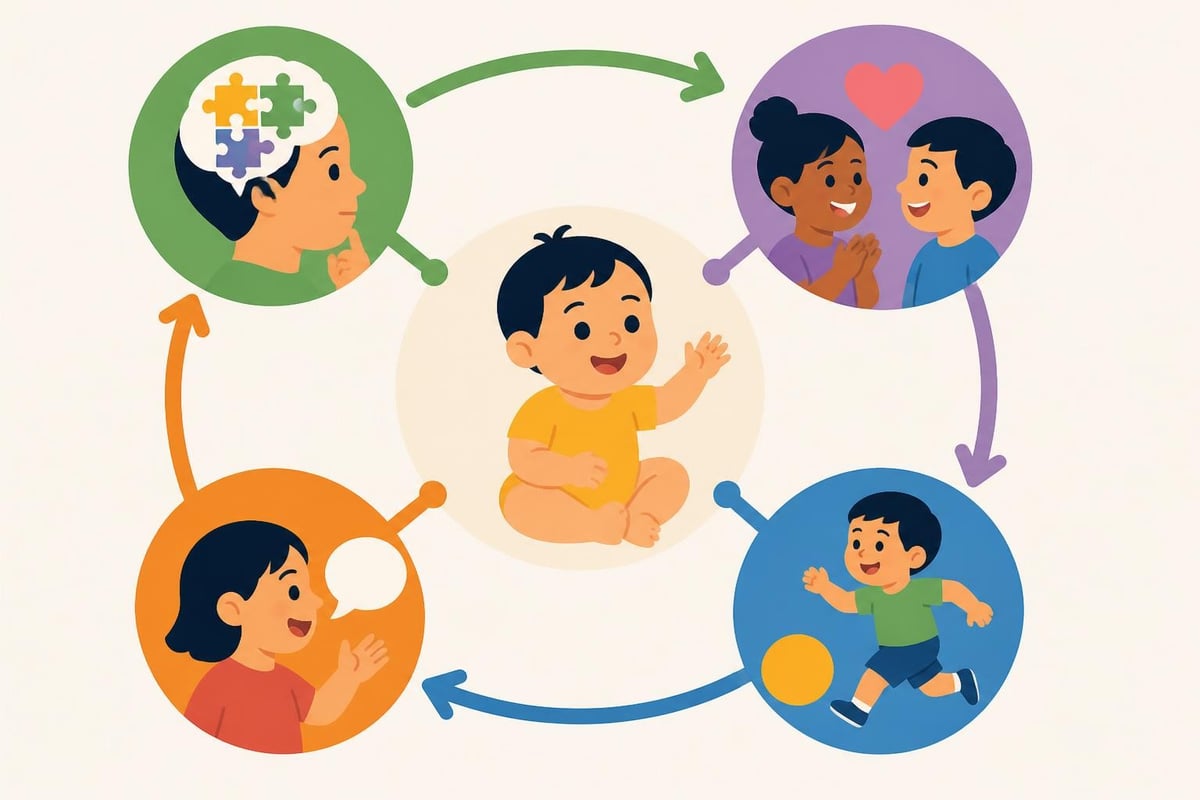
Early childhood development spans multiple interconnected areas:
- Cognitive Development: Problem-solving, memory, language acquisition, and early literacy skills
- Social-Emotional Growth: Self-regulation, empathy, relationship building, and emotional expression
- Physical Development: Fine and gross motor skills, coordination, and healthy habits
- Language and Communication: Vocabulary expansion, conversational skills, and pre-reading abilities
Each domain influences the others, creating a holistic developmental experience. When children receive consistent, nurturing care that addresses all these areas, they build a strong foundation for kindergarten readiness and beyond.
Key Components of Quality Early Childhood Programs
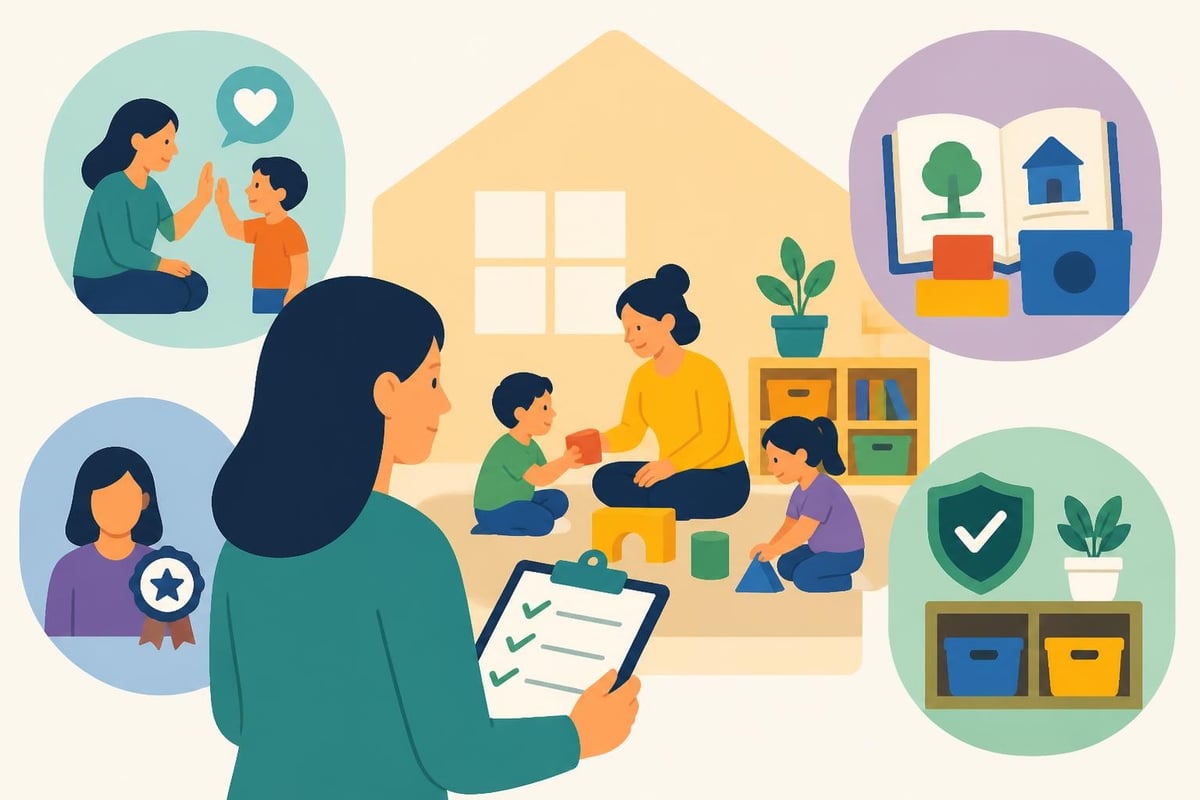
Not all childcare settings provide equal developmental benefits. Understanding the hallmarks of quality programs helps parents make informed decisions that align with their values and their child's needs.
Teacher-Child Interactions and Ratios
The quality of daily interactions between caregivers and children represents the single most important factor in early childhood and care outcomes. Warm, responsive relationships provide the secure base children need to explore, learn, and develop confidence.
Optimal staff-to-child ratios enable individualized attention:
| Age Group | Recommended Ratio | Maximum Group Size |
|---|---|---|
| Infants (0-12 months) | 1:4 | 8 children |
| Toddlers (12-24 months) | 1:4 | 8 children |
| Two-year-olds | 1:6 | 12 children |
| Preschool (3-5 years) | 1:10 | 20 children |
Infant care programs that maintain appropriate ratios allow caregivers to respond promptly to individual needs, creating the responsive environment essential for healthy attachment and development.
Evidence-Based Curriculum and Learning Approaches
Quality programs implement curriculum frameworks grounded in child development research. These frameworks balance structured learning activities with child-initiated play, recognizing that young children learn best through hands-on experiences.
Best practices in early childhood education emphasize several teaching strategies:
- Intentional teaching that builds on children's interests and developmental levels
- Scaffolding that supports children as they master new skills
- Ongoing assessment to track individual progress and adjust approaches
- Integration of learning across content areas through meaningful projects
Play-based learning remains central to effective early childhood and care. Through play, children develop executive function skills, practice social interactions, experiment with cause and effect, and process their experiences.
Selecting the Right Early Childhood Care Setting
Parents face numerous options when choosing care for their young children, from family childcare homes to center-based programs. Each setting offers unique advantages, and the best choice depends on family priorities, values, and practical considerations.
Home-Based vs. Center-Based Care
Home childcare environments provide intimate, family-like settings where children often benefit from mixed-age groupings and consistent caregiver relationships. These settings typically offer:
- Smaller group sizes that facilitate individualized attention
- Flexible scheduling that accommodates varying family needs
- Home-like environments that ease separation anxiety
- Continuity of care with the same provider across multiple years
Research examining quality differences in early childhood education and care across different settings shows that provider quality matters more than setting type. Both home-based and center-based programs can deliver excellent outcomes when they prioritize responsive relationships and developmentally appropriate practices.
Essential Questions for Prospective Programs
When evaluating potential early childhood and care providers, parents should investigate several critical areas:
Caregiver Qualifications and Stability
- What training and credentials do caregivers hold?
- How long have current staff members worked at the program?
- What ongoing professional development opportunities exist?
Health and Safety Protocols
- How does the program handle illnesses and emergencies?
- What safety measures protect children during daily activities?
- Are facilities regularly inspected and maintained?
Communication and Partnership
- How frequently does the program communicate with families?
- What opportunities exist for parent involvement?
- How are concerns or questions addressed?
Visiting programs and observing caregiver-child interactions provides invaluable insights. Pay attention to whether children appear engaged and happy, how staff respond to children's needs, and whether the environment feels warm and welcoming.
The Long-Term Impact of Quality Early Childhood and Care
Investment in early childhood education yields remarkable returns that extend far beyond kindergarten readiness. Economic analyses of early childhood education programs demonstrate that high-quality interventions generate benefits that compound over time.
Academic and Cognitive Outcomes
Children who participate in quality early childhood and care programs enter school with stronger foundational skills. They demonstrate:
- Enhanced vocabulary and language skills that support reading comprehension
- Better mathematical reasoning and number sense
- Stronger executive function abilities including attention, working memory, and self-control
- Greater curiosity and enthusiasm for learning
These advantages persist throughout elementary school and beyond, influencing educational attainment and career opportunities in adulthood.
Social-Emotional and Behavioral Benefits
Early childhood and care experiences shape how children understand themselves and relate to others. Quality programs help children develop:
- Emotional regulation skills that enable them to manage frustration, disappointment, and excitement appropriately
- Social competence including cooperation, sharing, and conflict resolution abilities
- Self-confidence that encourages them to tackle challenges and persist through difficulties
- Positive relationships with peers and adults outside their immediate family
Studies on early childhood education impacts show these social-emotional benefits often prove more influential than academic gains in determining life outcomes.
Economic and Societal Returns
From a broader perspective, quality early childhood and care generates substantial societal benefits. Children who receive effective early education are more likely to:
- Graduate from high school and pursue higher education
- Maintain stable employment with higher earnings
- Demonstrate better health outcomes throughout life
- Engage positively in their communities
Research on high-quality early learning experiences indicates that every dollar invested in quality programs for disadvantaged children returns seven dollars or more through increased earnings, reduced special education costs, and decreased criminal justice involvement.
Supporting Development at Home
While professional early childhood and care provides essential support, parents remain their child's first and most important teachers. Extending learning beyond formal care settings reinforces skills and strengthens parent-child bonds.
Creating a Language-Rich Environment
Talking, reading, and singing with children throughout the day builds vocabulary and language comprehension. Simple strategies include:
- Narrating daily activities to expose children to new words and concepts
- Reading diverse books that spark curiosity and conversation
- Asking open-ended questions that encourage thinking and expression
- Listening actively when children share their thoughts and experiences
Promoting Play and Exploration
Unstructured playtime allows children to process their experiences, practice emerging skills, and follow their natural curiosity. Parents can support play by:
| Play Type | Examples | Developmental Benefits |
|---|---|---|
| Pretend Play | Cooking, caring for dolls, building forts | Social skills, creativity, problem-solving |
| Constructive Play | Blocks, puzzles, art projects | Spatial reasoning, fine motor skills, persistence |
| Physical Play | Running, climbing, dancing | Gross motor development, body awareness, energy release |
| Exploratory Play | Sensory bins, nature walks, experiments | Scientific thinking, sensory integration, observation skills |
Establishing Routines and Consistency
Young children thrive on predictability. Consistent routines for meals, sleep, and daily activities provide security and help children develop self-regulation. When home routines align with early childhood and care schedules, children experience less stress and adapt more easily across settings.

Addressing Common Concerns and Challenges
Parents often grapple with questions and worries as they navigate early childhood and care decisions. Understanding common challenges helps families prepare and respond effectively.
Managing Separation Anxiety
Most children experience some difficulty separating from parents, particularly during transitions to new care settings. This normal developmental phase typically resolves within weeks when caregivers respond sensitively.
Helpful strategies include:
- Establishing brief, positive goodbye routines
- Avoiding prolonged departures that increase anxiety
- Maintaining consistency in drop-off procedures
- Trusting caregivers to comfort and redirect children after departure
Programs that encourage gradual transitions and maintain open communication help both children and parents navigate this adjustment period successfully.
Recognizing Developmental Differences
Children develop at individual paces, and variation within normal ranges is expected. However, early identification of developmental delays enables timely intervention that can significantly improve outcomes.
Quality early childhood and care providers monitor development systematically and communicate concerns respectfully. Parents who observe potential delays should:
- Document specific behaviors or skills of concern
- Discuss observations with caregivers and pediatricians
- Request developmental screenings through early intervention programs
- Access specialized services promptly if delays are identified
Early intervention services, available at no cost in most states for eligible children, provide targeted support that helps children reach their potential.
Making the Most of Your Childcare Partnership
The relationship between families and early childhood and care providers functions best as a genuine partnership. When parents and caregivers collaborate effectively, children benefit from consistent expectations, coordinated approaches, and seamless communication.
Establishing Strong Communication Channels
Regular, meaningful communication keeps everyone informed and aligned. Effective programs offer multiple communication methods including:
- Daily reports detailing meals, naps, activities, and noteworthy moments
- Regular conferences to discuss development and goals
- Informal conversations during pickup and drop-off
- Digital platforms for sharing photos, updates, and messages
Parents should share relevant information about home life, including changes in routine, family events, or concerns that might affect their child's behavior or needs.
Supporting Consistency Across Environments
Children adapt most successfully when they experience similar expectations and approaches at home and in care settings. Discussing discipline strategies, learning goals, and daily routines with providers creates beneficial consistency.
Exploring top-rated daycares near you that prioritize family partnership ensures you'll find programs committed to collaborative relationships.
Staying Involved and Engaged
Active family engagement strengthens children's learning and demonstrates that parents value their early childhood and care experiences. Involvement opportunities might include:
- Attending program events and celebrations
- Sharing cultural traditions or career experiences with children
- Volunteering for special projects or field trips
- Providing feedback through surveys or advisory committees
Parents who remain engaged gain deeper insights into their child's daily experiences and build relationships with other families facing similar joys and challenges.
The Role of Policy and Advocacy
Access to quality early childhood and care remains uneven across communities, with many families struggling to find affordable, high-quality options. Institute of Education Sciences initiatives support research and data collection aimed at improving early childhood education quality and accessibility.
Understanding the policy landscape empowers parents to advocate for improvements that benefit all children. Key policy areas affecting early childhood and care include:
- Funding for childcare subsidies that make quality care affordable
- Standards for caregiver qualifications and training requirements
- Ratios and group size regulations that protect quality
- Compensation policies that attract and retain skilled educators
Parents can advocate by contacting legislators, participating in public comment periods, and supporting organizations working to expand access to quality early childhood and care. These collective efforts create systems that better serve all families and children.
Quality early childhood and care provides children with the strong foundation they need to thrive academically, socially, and emotionally throughout life. By understanding developmental needs, identifying quality program features, and actively partnering with caregivers, parents make choices that shape their children's futures. Step by Step Care offers nurturing, home-based early childhood and care where children develop through play, exploration, and warm relationships in a family-like environment.


