

Childcare VA: Virginia Home Childcare Guide 2026
Finding quality childcare in Virginia represents one of the most important decisions parents make for their children's early development. Whether you're searching for infant care, toddler programs, or preschool options, understanding the childcare landscape in Virginia helps you make informed choices that align with your family's needs and values. Home-based childcare providers offer personalized attention, smaller group sizes, and nurturing environments that foster early learning and social development. This comprehensive guide explores everything Virginia parents need to know about childcare VA options, licensing requirements, quality indicators, and how to find the right fit for your family.
Understanding Virginia's Childcare Licensing System
Virginia maintains a robust licensing system designed to protect children and ensure quality care across all childcare settings. The Virginia Department of Education oversees childcare licensing, establishing minimum standards that all providers must meet to operate legally.
Licensed family day homes care for up to twelve children in the provider's residence, while certified home providers serve fewer children with less stringent requirements. Understanding these distinctions helps parents evaluate different childcare va options and make comparisons based on regulatory oversight.
Key Licensing Requirements for Home Childcare
Virginia's licensing standards cover multiple areas of operation and safety:
- Physical environment safety: Fire safety equipment, secure outdoor play areas, and age-appropriate furnishings
- Staff qualifications: Background checks, health screenings, and ongoing training requirements
- Child-to-staff ratios: Specific ratios based on children's ages to ensure adequate supervision
- Health and nutrition: Meal planning standards, medication administration protocols, and illness policies
- Educational programming: Developmentally appropriate activities and learning experiences
The comprehensive resources for understanding and finding child care in Virginia provide detailed information about licensing standards and how to verify a provider's status. Parents should always confirm current licensing before enrolling their child.
Inspection Reports and Compliance History
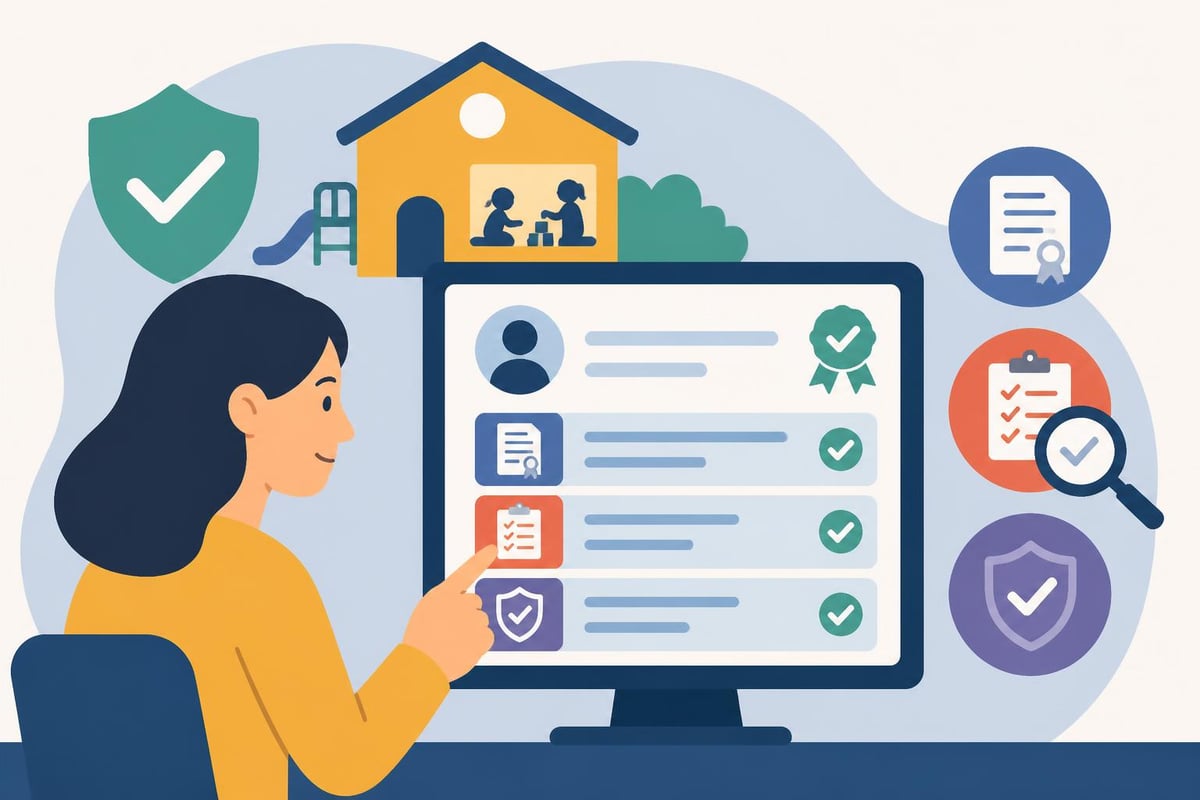
Licensed childcare providers undergo regular inspections to maintain their credentials. These inspection reports document compliance with state standards and identify any violations or areas requiring improvement.
| Inspection Type | Frequency | What It Covers |
|---|---|---|
| Announced Inspections | Annually | Comprehensive review of all licensing standards |
| Unannounced Visits | Varies | Surprise checks on daily operations and ratios |
| Complaint Investigations | As needed | Response to specific concerns or violations |
Parents can access inspection reports through the Virginia Department of Education website, providing transparency about a provider's compliance history. Look for patterns rather than isolated incidents when reviewing these documents.
Quality Indicators Beyond Basic Licensing
Meeting minimum licensing standards represents just the starting point for quality childcare va programs. The best providers go beyond basic requirements to create enriching environments that support children's holistic development.
Virginia Quality (VQ) offers a voluntary quality rating system that helps families identify higher-quality programs. This system evaluates childcare providers across multiple dimensions, assigning ratings from one to five stars based on specific quality benchmarks.
Elements of High-Quality Home Childcare
Outstanding home childcare providers demonstrate several distinguishing characteristics:
Curriculum and Learning Approach: Structured daily schedules that balance free play, guided activities, outdoor time, and rest periods. Quality providers implement age-appropriate curricula that support cognitive, physical, social, and emotional development.
Family Communication: Regular updates about children's daily activities, developmental progress, and milestone achievements. Strong providers maintain open communication channels and welcome family involvement.
Professional Development: Ongoing training in early childhood education, child development, health and safety, and specialized topics like supporting children with special needs or dual language learners.
The child development and early learning resources in Virginia connect families with programs that emphasize developmental milestones and educational readiness. These resources help parents understand what quality early learning looks like.
Evaluating Home Childcare Providers
Selecting the right childcare va provider requires thorough research and careful observation. Parents should approach this decision systematically, gathering information from multiple sources before making commitments.
Initial Research and Screening
Begin your search by creating a list of potential providers in your area. Consider these factors during initial screening:
- Location and convenience: Proximity to home or work, ease of drop-off and pickup
- Hours of operation: Alignment with your work schedule and need for flexibility
- Age groups served: Specialization in infants, toddlers, or mixed-age groups
- Tuition and fees: Cost structure, payment policies, and additional expenses
- Availability: Current openings and waitlist policies
Contact providers who meet your basic criteria to gather additional information and schedule visits. Many families exploring infant care programs prioritize providers with specific experience and training in infant development.
Conducting Site Visits
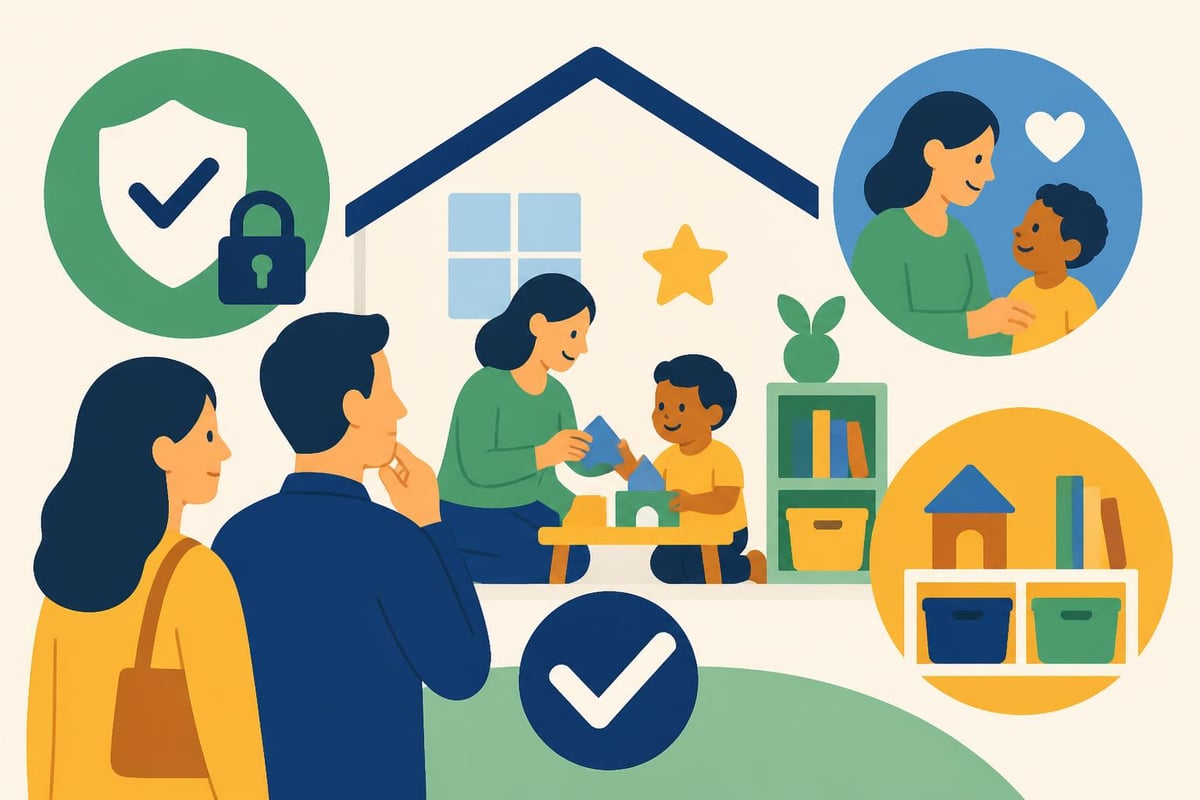
Schedule visits during regular operating hours when children are present. This allows you to observe daily routines, interactions, and the overall environment in action.
Observe these critical elements during your visit:
- How caregivers interact with children (warmth, patience, engagement)
- The cleanliness and organization of indoor and outdoor spaces
- Available toys, materials, and learning resources
- Children's engagement levels and apparent happiness
- Safety measures and emergency preparedness
Ask detailed questions about daily schedules, discipline approaches, sick child policies, and how the provider handles emergencies. Trust your instincts about whether the environment feels nurturing and safe.
The Benefits of Home-Based Childcare VA Programs
Home childcare settings offer distinct advantages that appeal to many Virginia families seeking personalized care for their young children. These benefits differentiate home-based care from larger center-based programs.
Personalized Attention and Smaller Groups
Home childcare typically serves fewer children than centers, enabling providers to develop deep relationships with each child and family. This smaller scale creates a family-like atmosphere where children receive individualized attention and care tailored to their unique needs, interests, and developmental pace.
Mixed-age groupings common in home settings allow younger children to learn from older peers while older children develop nurturing skills and leadership qualities. This natural sibling-like dynamic mirrors family structures and supports social-emotional development.
Flexibility and Continuity
Home childcare providers often offer greater scheduling flexibility than larger centers, accommodating non-traditional work hours or varying schedules when possible. The same caregiver typically serves families for extended periods, providing consistency that benefits children's attachment and security.
| Feature | Home Childcare | Center-Based Care |
|---|---|---|
| Group Size | 4-12 children | 15-60+ children |
| Caregiver Consistency | Same provider daily | Multiple staff rotations |
| Schedule Flexibility | Often negotiable | Fixed hours |
| Environment | Home-like setting | Institutional setting |
| Mixed Ages | Common | Separated by age |
Children often remain with the same provider from infancy through preschool, creating strong bonds and eliminating difficult transitions between programs. Exploring top-rated daycares near me helps families compare different program types and find the best fit.
Financial Considerations and Assistance Programs
Understanding the financial aspects of childcare va programs helps families budget appropriately and access available assistance. Virginia offers several programs to make quality childcare more affordable for eligible families.
Typical Costs and Fee Structures
Home childcare tuition varies based on location, provider qualifications, services offered, and children's ages. Infant care typically costs more than care for older children due to higher staff-to-child ratio requirements.
Common fee structures include:
- Weekly or monthly tuition payments
- Registration or enrollment fees
- Supply fees for meals, activities, or materials
- Late pickup charges
- Holiday or closure day policies
Request detailed fee schedules in writing and clarify what's included in tuition versus additional costs. Understanding the complete financial picture prevents surprises.
Virginia Childcare Subsidy Program
The Virginia Child Care Subsidy Program assists eligible families with childcare costs, allowing parents to work or attend school while ensuring their children receive quality care. Income requirements and eligibility criteria vary by locality.
Families can apply through their local Department of Social Services. The subsidy pays providers directly for a portion of tuition costs, with families responsible for copayments based on income level. Providers must meet specific quality standards to participate in the subsidy program.
The early childhood resources from Robin’s Foundation connect families with financial assistance information and additional support services available throughout Virginia.
Supporting Your Child's Transition to Childcare
Successfully transitioning to childcare va programs requires preparation, patience, and partnership between families and providers. Thoughtful preparation eases adjustment for both children and parents.
Pre-Enrollment Preparation
Before the first day, take steps to familiarize your child with the new environment:
- Schedule multiple visits so your child meets the provider and explores the space
- Discuss childcare positively, emphasizing fun activities and new friends
- Establish consistent morning routines at home to reduce stress
- Share information about your child's preferences, routines, and comfort strategies
- Prepare necessary supplies and label all belongings clearly
Providers appreciate detailed information about your child's personality, eating and sleeping habits, and any concerns you have. This knowledge helps them provide responsive, individualized care from day one.
Managing Separation Anxiety
Separation anxiety is normal, especially for younger children or those new to group care. Work with your provider to develop a consistent goodbye routine that's brief but reassuring.
Effective strategies include:
- Maintaining a positive, confident demeanor during dropoff
- Creating a special goodbye ritual (hug, kiss, wave at window)
- Leaving promptly rather than prolonging goodbyes
- Trusting providers to comfort your child after you leave
- Asking for updates during the day initially for reassurance
Most children adjust within a few weeks as they become comfortable with routines and develop attachments to caregivers. Consistent attendance helps establish familiarity and security.

Building Strong Provider-Family Partnerships
The relationship between families and childcare va providers significantly impacts children's experiences and development. Strong partnerships create cohesive support systems that benefit everyone involved.
Communication Best Practices
Establish clear communication expectations early in the relationship. Discuss preferred methods (in-person, text, email, app-based), frequency of updates, and types of information to share regularly.
Quality providers offer daily reports about activities, meals, naps, and notable moments. They communicate promptly about concerns, illnesses, or behavioral changes while celebrating achievements and milestones.
Families should reciprocate by sharing relevant information about home life changes, health issues, or developmental concerns that might affect their child's behavior or needs at childcare.
Respecting Professional Boundaries
While home childcare creates close relationships, maintaining professional boundaries benefits everyone. Respect providers' personal time by limiting non-emergency contact outside business hours and adhering to agreed-upon pickup times.
Honor contracted hours and payment terms consistently. Late pickups and payment delays create stress for providers who rely on schedule predictability and timely income.
Understanding the services provided and those outside the scope of childcare prevents misunderstandings. Providers focus on early education and care, not medical treatment, intensive therapy, or unreasonable special requests.
Staying Informed About Virginia Childcare Resources
Virginia offers numerous resources to support families navigating childcare decisions. Staying connected to these resources ensures access to current information, support services, and advocacy opportunities.
State and Local Resources
Virginia's Department of Education maintains comprehensive childcare information, including provider directories, licensing standards, and complaint procedures. Local Child Care Resource and Referral agencies offer personalized assistance matching families with appropriate providers.
Many communities have parent networks, online forums, and social media groups where families share experiences and recommendations about local childcare va options. These peer connections provide valuable insights beyond official information.
Continuing Education and Development
Quality childcare providers engage in ongoing professional development to enhance their knowledge and skills. Parents should ask about recent training, certifications pursued, and involvement in professional organizations.
Providers participating in Virginia Quality, attending early childhood conferences, or pursuing CDA (Child Development Associate) credentials demonstrate commitment to excellence beyond minimum requirements. This dedication to growth translates into better experiences for children.
For families in specific areas, researching daycare Springfield VA options helps narrow searches to locally accessible programs with strong community reputations.
Red Flags and When to Reconsider
While most childcare providers offer safe, nurturing environments, parents should recognize warning signs that indicate a program may not meet acceptable standards or align with family values.
Immediate Concerns Requiring Action
Certain situations require immediate response, including removing your child from care and reporting to licensing authorities:
- Safety violations: Inadequate supervision, hazardous conditions, or failure to secure the environment
- Inappropriate discipline: Physical punishment, humiliation, or withholding basic needs
- Concerning injuries: Frequent unexplained injuries or inconsistent explanations
- Health violations: Failure to maintain cleanliness or proper food handling
- Licensing issues: Operating without current license or ignoring regulatory requirements
Trust your parental instincts. If something feels wrong or your child shows signs of distress beyond normal adjustment, investigate thoroughly and take appropriate action.
Less Urgent but Important Considerations
Some concerns, while not requiring emergency action, suggest a program may not be the best fit:
- Poor communication or defensiveness about questions
- High provider turnover or frequent unexplained closures
- Unwillingness to welcome family visits or involvement
- Lack of structured activities or developmental programming
- Persistent billing issues or unclear financial policies
Address these concerns directly with providers. Sometimes issues stem from misunderstandings that conversation can resolve. If problems persist or responses are unsatisfactory, consider alternative arrangements.
Making the Most of Your Childcare Experience
Once you've selected a childcare va provider, actively engage in your child's early education journey. Involved families enhance their children's experiences and strengthen the care partnership.
Supporting Learning at Home
Extend childcare learning into your home environment by asking about current themes, songs, or activities. Reinforce concepts through everyday interactions, reading books on related topics, or exploring complementary experiences on weekends.
Providers appreciate when families support their educational goals. This consistency helps children make connections across environments and reinforces important skills and concepts.
Providing Feedback and Appreciation
Share both positive feedback and constructive concerns with providers. Specific praise about activities your child enjoyed or skills they're developing acknowledges providers' efforts and encourages continued excellence.
Address concerns promptly and privately rather than allowing frustrations to build. Most providers welcome opportunities to address issues and adjust their approaches when families communicate openly and respectfully.
Small gestures of appreciation during holidays, birthdays, or Provider Appreciation Week recognize the significant role caregivers play in your child's life. These acknowledgments strengthen relationships and demonstrate respect for their professional expertise.
Families exploring various care options can visit our gallery to see examples of quality learning environments and daily activities that support child development.
Choosing quality childcare in Virginia requires research, observation, and trusting your parental instincts to find the right match for your family's unique needs. Understanding licensing requirements, quality indicators, and available resources empowers you to make informed decisions that support your child's healthy development and early learning. Step by Step Care provides nurturing home-based childcare that prioritizes individual attention, developmental growth, and strong family partnerships throughout the Northern Virginia area. Contact us today to schedule a visit and discover how our experienced team creates supportive, engaging environments where young children thrive.


