

Great Daycares Near Me: Your Complete 2026 Guide
Finding quality childcare ranks among the most important decisions parents make for their children's early development. When searching for "great daycares near me," you're not just looking for convenient supervision-you're seeking an environment where your child will thrive, learn, and feel safe while you're at work. The landscape of childcare has evolved significantly, with home-based care providers and traditional centers each offering unique advantages. Understanding what separates exceptional care from adequate care empowers you to make confident choices for your family.
Understanding Different Types of Daycare Options
The childcare industry encompasses several distinct models, each with specific benefits and considerations. Traditional daycare centers typically operate in commercial spaces with multiple classrooms, offering structured programs for different age groups. These facilities usually employ larger staffs and maintain more rigid schedules.
Home-based childcare providers, conversely, operate from residential settings with smaller groups of children. This model creates intimate, family-like atmospheres where children receive more individualized attention. Many parents discover that in-home daycare settings provide the warmth and flexibility that best suits their family's needs.
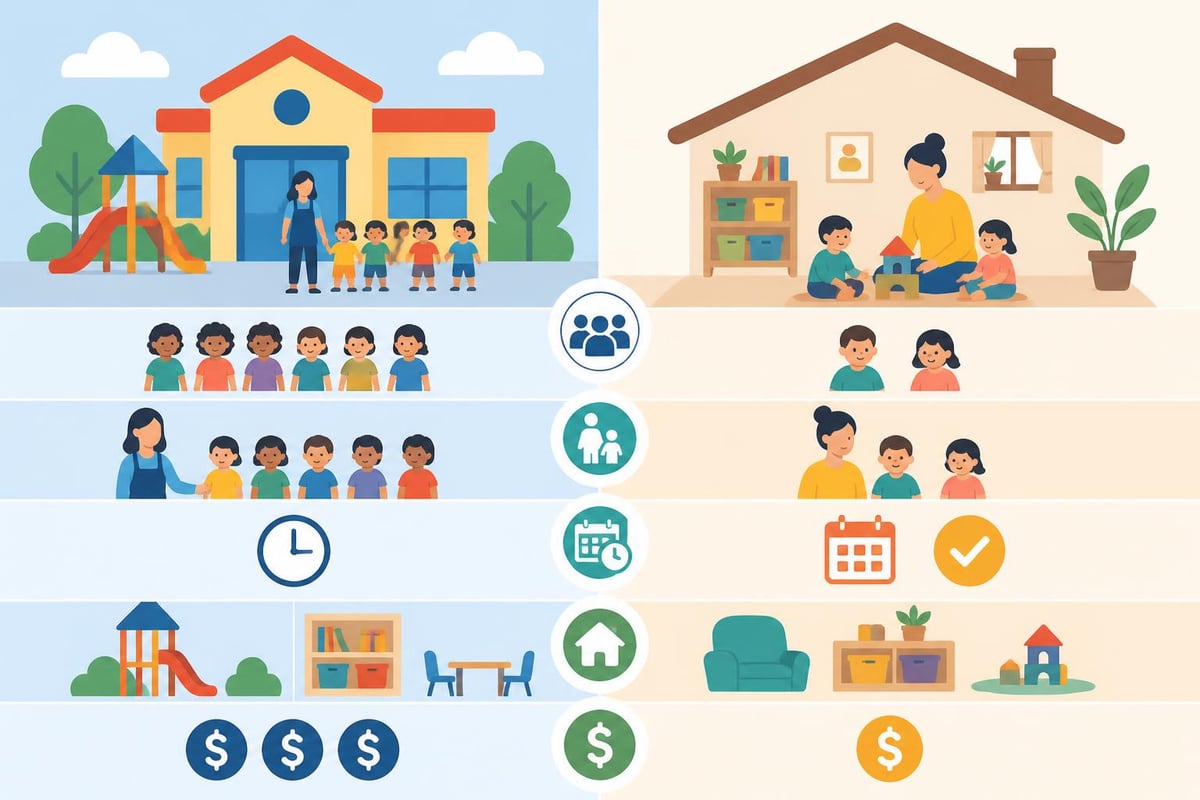
Key Differences Between Center-Based and Home-Based Care
When evaluating great daycares near me, understanding these structural differences helps narrow your search:
- Group sizes: Centers accommodate 50-100+ children; home daycares typically serve 6-12 children
- Ratios: Both must meet state requirements, but home settings often exceed minimum standards
- Flexibility: Home providers frequently offer extended hours and sick-day accommodations
- Environment: Centers provide dedicated spaces; homes offer residential warmth
- Cost: Home-based care generally costs 20-30% less than center-based options
The child care licensing requirements apply to both models, though specific regulations vary by state. Licensed providers must meet baseline health, safety, and operational standards regardless of setting size.
Essential Quality Indicators for Great Daycares
Identifying exceptional childcare requires looking beyond surface-level impressions. The best providers demonstrate consistent excellence across multiple dimensions, from safety protocols to educational philosophy.
Licensing and Regulatory Compliance
Every great daycare maintains current licensing from state regulatory agencies. This credential confirms the facility meets minimum health, safety, and operational standards. When searching for great daycares near me, verify licensing status as your first screening step.
What to verify:
- Current license displayed prominently at the facility
- No recent violations or citations
- Regular inspection schedules (typically annual or biannual)
- Compliance with state-specific caregiver-to-child ratios
- Background checks completed for all staff members
Many states now implement quality rating systems that go beyond basic licensing. These tiered programs evaluate curriculum quality, staff qualifications, learning environments, and family engagement practices.
Safety Standards and Health Protocols
Safety encompasses everything from physical space design to emergency preparedness. The variability in daycare safety standards across states means parents must understand both federal guidelines and local requirements.
| Safety Element | What to Look For | Questions to Ask |
|---|---|---|
| Physical Environment | Childproofing, secure entry, fenced outdoor areas | How often are safety inspections conducted? |
| Emergency Plans | Fire drills, evacuation routes, first aid supplies | What's your lockdown procedure? |
| Health Policies | Illness policies, hand-washing stations, sanitation | How do you handle sick children? |
| Nutrition | Meal preparation areas, allergy protocols | Are meals prepared on-site? Who plans menus? |
Exceptional providers exceed minimum requirements. They implement comprehensive safety protocols, conduct regular drills, and maintain meticulous health records.
Evaluating Caregiver Quality and Educational Approach
The people caring for your child matter more than any facility feature. Great daycares near me prioritize hiring qualified, passionate educators who genuinely invest in children's development.
Staff Qualifications and Training
Educational backgrounds vary widely in childcare. While some states require only high school diplomas, quality providers seek staff with early childhood education credentials. Look for caregivers with:
- Associate's or Bachelor's degrees in Early Childhood Education
- CPR and First Aid certifications (renewed regularly)
- Ongoing professional development hours
- Specialized training in child development stages
- Experience with age-appropriate curriculum implementation
Staff turnover rates reveal much about workplace culture. High turnover disrupts children's routines and relationships. During tours, ask how long current staff members have worked there and what support the program provides for professional growth.
Curriculum and Developmental Philosophy
Every child develops at their own pace, but all benefit from intentional learning experiences. When researching great daycares near me, examine how providers balance structured activities with free play.
Quality programs incorporate:
- Age-appropriate learning objectives aligned with developmental milestones
- Play-based exploration that builds cognitive and social skills
- Literacy and numeracy foundations introduced through games and stories
- Creative expression through art, music, and dramatic play
- Physical development via outdoor play and motor skill activities
The comprehensive guidance on quality child care emphasizes the importance of environments that support children's natural curiosity while building school readiness skills.

Practical Steps for Your Search Process
Finding the right fit requires systematic research and thoughtful evaluation. The search for great daycares near me becomes more manageable when broken into concrete steps.
Creating Your Priority List
Before visiting facilities, identify your family's non-negotiables and preferences:
- Location parameters (maximum distance or travel time from home/work)
- Schedule requirements (hours needed, including drop-off/pick-up flexibility)
- Budget constraints (weekly/monthly costs you can sustain)
- Special needs (allergies, developmental considerations, language preferences)
- Values alignment (educational philosophy, discipline approach, diversity)
This framework helps filter options efficiently. If you need infant care, for example, selecting a daycare for infants requires additional considerations around feeding schedules, nap routines, and caregiver experience with babies.
Conducting Effective Facility Tours
Schedule tours during operating hours when you can observe typical daily activities. Great daycares near me welcome unannounced visits, though appointments ensure staff availability for questions.
During your visit, observe:
- How caregivers interact with children (tone, engagement level, responsiveness)
- Children's demeanor (happy, engaged, comfortable with adults)
- Cleanliness and organization of spaces
- Age-appropriate toys and learning materials
- Indoor and outdoor play areas
- Posted schedules, menus, and learning objectives
Bring a standardized question list to each tour. This ensures you gather comparable information across providers and don't forget important topics during conversations.
Red Flags and Warning Signs to Watch For
Not every licensed facility provides excellent care. Awareness of concerning indicators helps you eliminate unsuitable options quickly when searching for great daycares near me.
Operational and Communication Issues
Poor communication practices often signal deeper organizational problems. Be cautious if providers:
- Hesitate to answer questions directly or provide vague responses
- Refuse to share references from current families
- Lack written policies for discipline, illness, or emergencies
- Show reluctance about parents dropping in unannounced
- Don't provide detailed daily reports about your child's activities
Financial transparency matters too. Understand all costs upfront, including registration fees, supply charges, late pick-up penalties, and payment schedules.
Environmental and Relationship Concerns
Trust your instincts about the environment and interactions you witness:
| Warning Sign | Why It Matters | What to Do |
|---|---|---|
| Children appear fearful or withdrawn | Indicates possible negative interactions | Observe multiple times at different hours |
| High staff turnover (>30% annually) | Disrupts relationships and routines | Ask about retention rates and reasons |
| Inconsistent enforcement of rules | Creates confusion and anxiety | Request written behavior policies |
| Excessive screen time | Limits active learning and development | Inquire about daily screen use limits |
| Unsupervised outdoor play | Creates safety hazards | Ask about supervision ratios outdoors |
The key factors when evaluating daycare centers guide parents through distinguishing between minor imperfections and serious concerns.
Questions That Reveal Quality and Fit
Asking thoughtful questions during tours and interviews uncovers information that marketing materials omit. When evaluating great daycares near me, these conversation starters prove particularly revealing.
About Daily Operations and Communication
- What does a typical day look like for my child's age group?
- How do you handle transitions between activities?
- What's your policy if my child has difficulty separating from me?
- How often will I receive updates about my child's day?
- What methods do you use for parent communication (app, notes, conferences)?
- How do you handle behavioral challenges or conflicts between children?
About Education and Development
- What curriculum or educational framework guides your program?
- How do you assess children's developmental progress?
- What school readiness skills do you emphasize for preschoolers?
- How do you accommodate different learning styles and paces?
- What opportunities exist for outdoor play and physical activity?
- How are meals and snacks incorporated into learning experiences?
About Staff and Culture
- What are the qualifications of the person who will care for my child daily?
- How do you support ongoing staff professional development?
- What's your staff retention rate over the past two years?
- How do you handle staffing during vacations or sick days?
- What's your approach to building relationships with families?
These questions demonstrate your commitment to finding the best fit while helping providers understand your priorities and expectations.
Making Your Final Decision
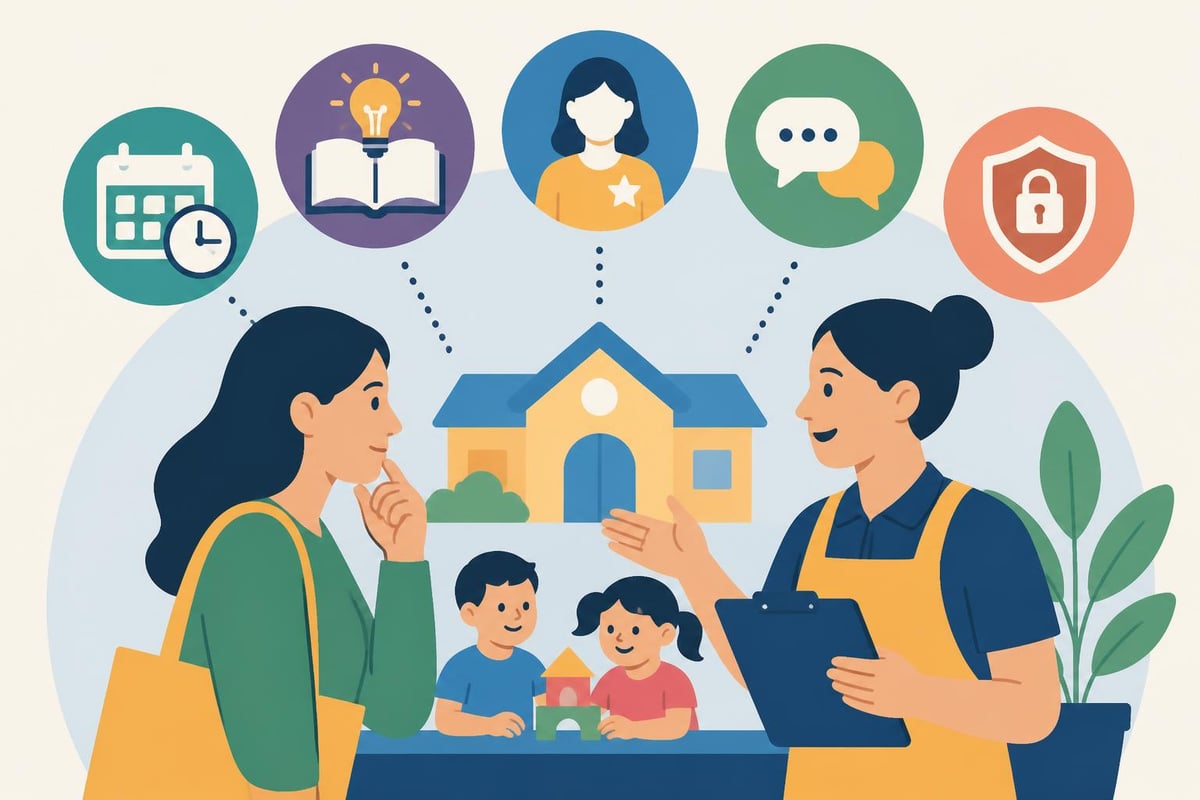
After touring multiple facilities and gathering information, synthesizing your impressions helps clarify the best choice. Finding great daycares near me ultimately depends on matching your family's unique needs with a provider's specific strengths.
Comparing Your Top Candidates
Create a simple comparison matrix for your top 2-3 options:
Evaluation Criteria:
- Overall impression and comfort level (rated 1-10)
- Caregiver warmth and engagement with children
- Safety and cleanliness standards
- Educational programming quality
- Location convenience and hours
- Cost relative to budget
- Communication and transparency
- References from current families
Some families find that home-based settings like daycare in Springfield VA offer the personalized attention and flexibility that larger centers cannot match. Others prefer the resources and structure of institutional programs.
Trust Your Parental Instincts
Data and checklists matter, but intuition plays a crucial role. If something feels off despite a facility meeting all technical criteria, honor that hesitation. Conversely, if you feel immediately comfortable and confident in a provider's abilities, that positive impression carries weight.
Request a trial period or gradual transition schedule. Many providers offer opportunities for children to visit before enrollment begins. This helps everyone assess compatibility and eases the adjustment process.
Understanding Costs and Financial Planning
Childcare represents a significant family expense, often rivaling housing costs. Understanding pricing structures and available assistance programs helps you budget effectively while searching for great daycares near me.
Typical Cost Ranges and Variables
Childcare costs vary dramatically by region, provider type, and child age. In 2026, families can expect:
- Infant care (highest cost): $250-$450 weekly for centers; $200-$350 for home-based
- Toddler care: $225-$400 weekly for centers; $180-$325 for home-based
- Preschool care: $200-$375 weekly for centers; $160-$300 for home-based
Several factors influence pricing:
- Geographic location (urban areas cost more)
- Provider credentials and quality ratings
- Hours of operation and flexibility offered
- Included services (meals, supplies, activities)
- Age of child (younger requires more intensive care)
Financial Assistance and Tax Benefits
Many families qualify for assistance they don't realize exists:
- Dependent Care FSA: Save up to $5,000 annually pre-tax through employer programs
- Child and Dependent Care Tax Credit: Claim 20-35% of eligible expenses on federal returns
- State subsidy programs: Income-based assistance for working families
- Employer benefits: Some companies offer childcare stipends or partnerships
- Military programs: Fee assistance for qualifying service member families
Research local and state resources specific to your area. Top rated daycares near me often provide guidance about assistance programs available to families in their communities.
The Transition and Ongoing Partnership
Selecting a provider is just the beginning. Successful childcare relationships require ongoing communication, trust-building, and flexibility as your child grows and needs change.
Preparing Your Child for the Transition
Starting daycare represents a major adjustment for children and parents alike. Ease the transition by:
- Visiting the facility together multiple times before the first day
- Talking positively about the experience and new friends they'll make
- Establishing consistent morning routines
- Bringing comfort items from home (if permitted)
- Keeping initial drop-offs brief and maintaining positive energy
- Trusting caregivers to comfort your child after you leave
Separation anxiety is normal, especially initially. Most children adjust within 2-3 weeks once routines become familiar.
Building Strong Provider Relationships
The best outcomes emerge from collaborative partnerships between families and caregivers. Support this relationship by:
- Communicating openly about your child's needs, preferences, and challenges
- Responding promptly to messages and requests from providers
- Participating in events, conferences, and volunteer opportunities
- Providing feedback constructively when concerns arise
- Showing appreciation for the important work caregivers do
Share information about home routines, developmental milestones, and family changes that might affect your child's behavior. Caregivers can better support children when they understand the full context of their lives.
You can explore the gallery at quality providers to see how they document and celebrate children's daily experiences and achievements.
Ongoing Evaluation and When to Reconsider
Your child's needs evolve as they grow. The perfect fit for an infant might not serve a preschooler as well. Periodically reassess whether your current arrangement continues meeting your family's requirements.
Signs Your Current Situation Is Working Well
- Your child eagerly anticipates going and talks positively about experiences
- You observe developmental progress in social, cognitive, and physical areas
- Caregivers share detailed information about daily activities and achievements
- You feel comfortable communicating concerns and receive responsive support
- The environment remains safe, clean, and engaging
- Your child forms positive relationships with caregivers and peers
When It Might Be Time for a Change
Sometimes circumstances shift or red flags emerge after enrollment:
- Frequent illnesses suggesting hygiene issues
- Regression in behavior or development
- Your child expressing fear or reluctance to attend
- Diminished communication from providers
- Staffing instability with constant caregiver changes
- Policy changes that no longer align with your needs
Address concerns directly with providers first. Many issues resolve through open conversation. If problems persist or serious safety concerns arise, trust your judgment about making a change.
For ongoing support and insights, many providers maintain resources like our blog where families can access tips about child development, parenting strategies, and early education topics.
Choosing great daycares near me requires careful research, thoughtful questions, and trust in your parental instincts to find the environment where your child will flourish. Whether you prefer the intimate setting of home-based care or the structured programming of larger centers, the right fit exists for every family. If you're seeking a nurturing, licensed home childcare experience that prioritizes individual attention and developmental growth, Step by Step Care welcomes you to learn more about how we support families in our community.


