

Best Daycares Near Me for Infants: Finding Quality Care
Finding quality childcare for your infant represents one of the most important decisions you'll make as a parent. The search for the best daycares near me for infants requires careful consideration of safety standards, caregiver qualifications, and developmental programs that support your baby's growth during those critical early months. Whether you're returning to work or simply seeking socialization opportunities for your little one, understanding what makes an exceptional infant care program helps you make an informed choice that brings peace of mind.
Understanding Infant Daycare Options
When searching for the best daycares near me for infants, you'll encounter several distinct care models, each offering unique benefits for your family's needs.
Traditional Daycare Centers
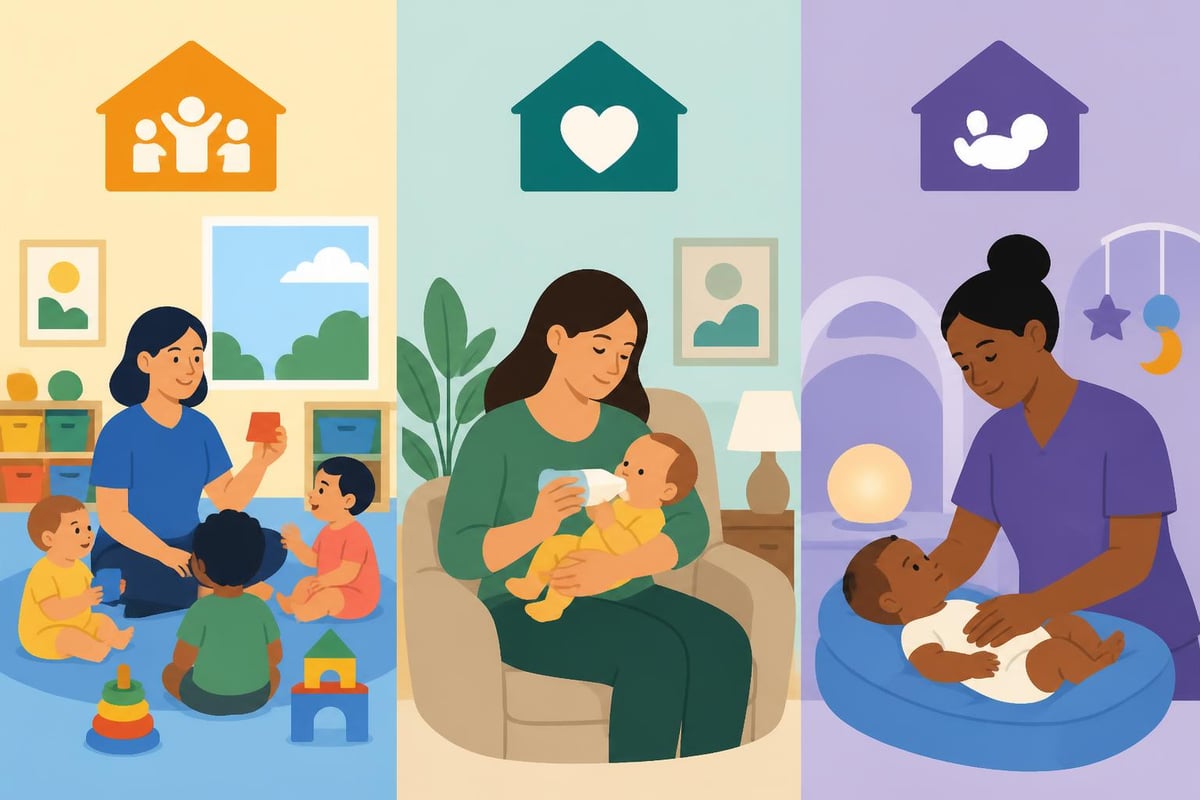
Daycare centers typically serve larger groups of children across multiple age ranges. These facilities maintain separate infant rooms with lower child-to-teacher ratios to meet the specialized needs of babies. Center-based care often provides structured environments with dedicated staff, multiple caregivers for backup coverage, and established policies.
Key advantages include:
- Consistent hours and reliable schedules
- Multiple caregivers trained in infant care
- Structured learning environments
- Licensed and regulated facilities
- Social interaction opportunities
Home-Based Childcare Programs
Home childcare settings offer a more intimate, family-like atmosphere where small groups of children receive care in a residential setting. Step by Step Care exemplifies this personalized approach, providing nurturing environments that feel like a second home for infants.
These programs typically feature:
- Smaller group sizes for individualized attention
- Mixed-age settings that encourage learning
- Flexible scheduling options
- Homelike environments with familiar routines
- Lower child-to-caregiver ratios
Specialized Infant Care Programs
Some facilities focus exclusively on infant and toddler care, developing expertise in early developmental stages. These specialized programs invest heavily in age-appropriate equipment, sensory materials, and staff training specific to the first years of life.
| Care Type | Typical Ratio | Environment | Best For |
|---|---|---|---|
| Daycare Center | 1:4 to 1:6 | Structured, institutional | Families needing consistent hours |
| Home Childcare | 1:2 to 1:4 | Intimate, residential | Parents seeking personalized care |
| Specialized Infant Program | 1:3 to 1:5 | Age-focused, developmental | First-time parents wanting expertise |
Essential Safety Standards and Licensing
Safety serves as the foundation of quality infant care. When evaluating the best daycares near me for infants, licensing and regulatory compliance provide critical baseline assurances.
State Licensing Requirements
Every state maintains specific regulations for infant care programs. Childcare.gov offers guidance on identifying quality child care programs, including safety and health environment standards that help parents make informed decisions.
Licensed facilities undergo regular inspections covering:
- Background checks for all staff members
- Health and sanitation protocols
- Safe sleep practices aligned with AAP guidelines
- Emergency preparedness plans
- Proper adult-to-infant ratios
Physical Safety Features
Walk through any potential facility with a critical eye toward infant-specific safety measures. The environment should demonstrate clear attention to developmental needs.
Essential safety elements:
- Secure entry systems preventing unauthorized access
- Separate infant sleeping areas with proper cribs
- Clean, sanitized surfaces and toys
- Age-appropriate furniture and equipment
- Protected electrical outlets and covered radiators
- Safe outdoor play spaces with proper fencing
Beyond basic compliance, Kaiser Permanente outlines key factors to consider when choosing childcare for infants, emphasizing the importance of visiting facilities in person to assess their suitability.
Evaluating Caregiver Qualifications
The quality of infant care directly correlates with caregiver training, experience, and dedication. When searching for the best daycares near me for infants, the people caring for your baby matter more than physical facilities.
Educational Background and Training
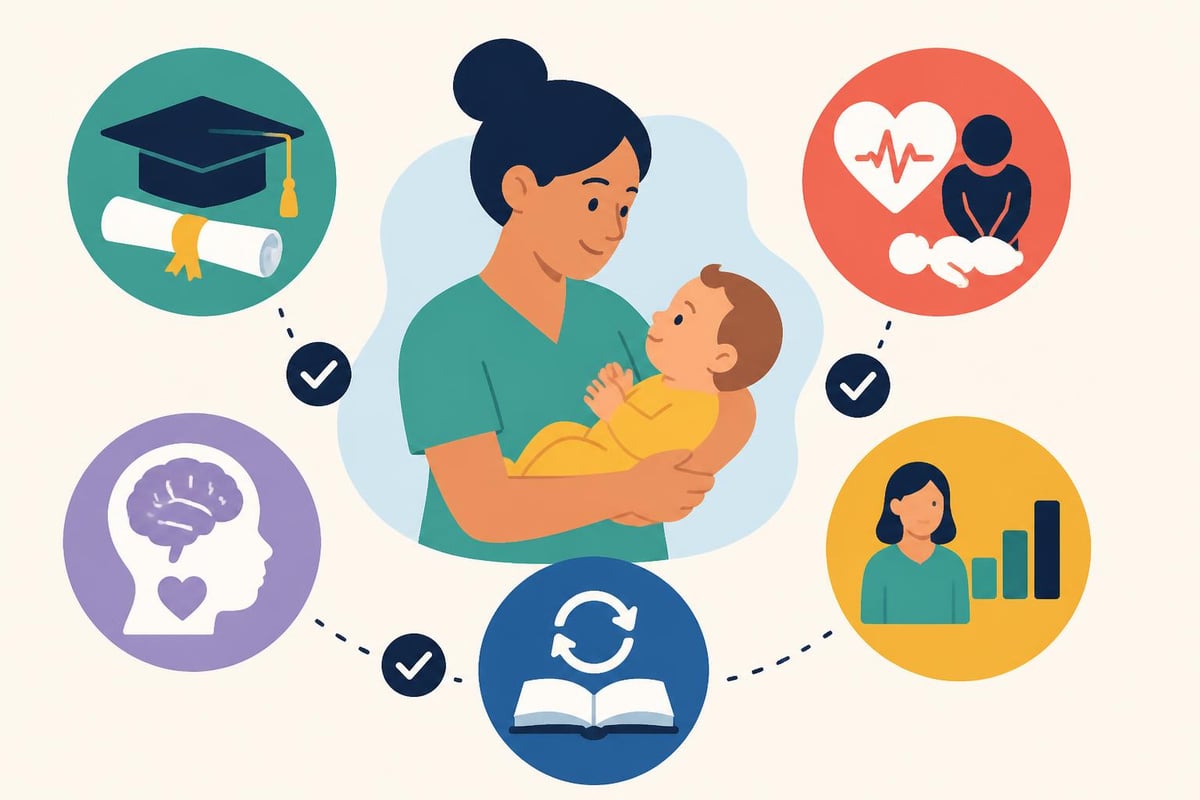
Look for programs where caregivers possess formal early childhood education credentials. While requirements vary by state, quality programs invest in ongoing professional development.
Preferred qualifications include:
- CDA (Child Development Associate) credentials or higher
- CPR and First Aid certification current and up-to-date
- Training in infant development and age-appropriate practices
- Experience specifically with infants rather than just general childcare
- Continuing education in current best practices
Staff Stability and Turnover Rates
High staff turnover disrupts the consistent relationships infants need for healthy development. Ask potential programs about their retention rates and average tenure of infant room caregivers.
Programs with low turnover typically offer:
- Competitive compensation packages
- Professional development opportunities
- Supportive work environments
- Reasonable staff-to-child ratios
- Adequate planning and break times
Daily Care Routines and Developmental Programs
The best daycares near me for infants balance nurturing care with age-appropriate developmental stimulation. Understanding how programs structure their days helps you assess whether they align with your parenting philosophy.
Feeding and Nutrition Practices
Infant feeding requires flexibility and attention to individual needs. Quality programs accommodate various feeding methods and maintain clear communication about your baby's eating patterns.
Important feeding considerations:
- Support for breastfeeding mothers, including proper milk storage
- Willingness to follow your feeding schedule and preferences
- Clean preparation areas and proper bottle handling
- Introduction of solid foods aligned with your timeline
- Daily documentation of feeding times and amounts
Sleep Policies and Practices
Care.com provides expert advice on selecting infant daycare, including safe sleep practices that protect infants during nap times. Programs should strictly follow safe sleep guidelines.
Essential sleep safety includes:
- Firm, flat surfaces in approved cribs
- Back sleeping positions for all infants
- No soft bedding, bumpers, or toys in sleep areas
- Individual cribs for each infant
- Regular sleep monitoring and documentation
Developmental Activities and Learning
Even very young infants benefit from intentional activities supporting their physical, cognitive, and social-emotional growth. Quality programs plan daily experiences appropriate for developmental stages.
| Age Range | Developmental Focus | Sample Activities |
|---|---|---|
| 0-6 months | Sensory exploration, tummy time | Soft music, high-contrast images, gentle movement |
| 6-12 months | Motor skills, cause-and-effect | Stacking toys, peek-a-boo, crawling encouragement |
| 12-18 months | Language, mobility | Board books, push toys, simple songs |
Communication and Parent Partnership
Strong parent-caregiver partnerships ensure your infant receives consistent, responsive care across home and childcare settings.
Daily Communication Systems
The best daycares near me for infants maintain robust communication systems keeping you informed about your baby's day. Modern programs often use apps or digital platforms, while others prefer written daily reports.
Expect information about:
- Feeding times and amounts consumed
- Diaper changes and bowel movements
- Sleep duration and quality
- Activities and mood observations
- Developmental milestones noticed
- Any concerns or questions
Parent Involvement Opportunities
Quality programs welcome parent participation and maintain open-door policies. You should feel comfortable visiting anytime during operational hours without advance notice.
Look for programs offering:
- Regular parent-teacher conferences
- Open house events and family activities
- Volunteer opportunities for parents
- Accessible directors and administrators
- Clear grievance procedures
Babylist’s article discusses what parents should look for in daycare centers, including communication systems and parent involvement that ensure alignment with your child's needs.
Cost Considerations and Value Assessment
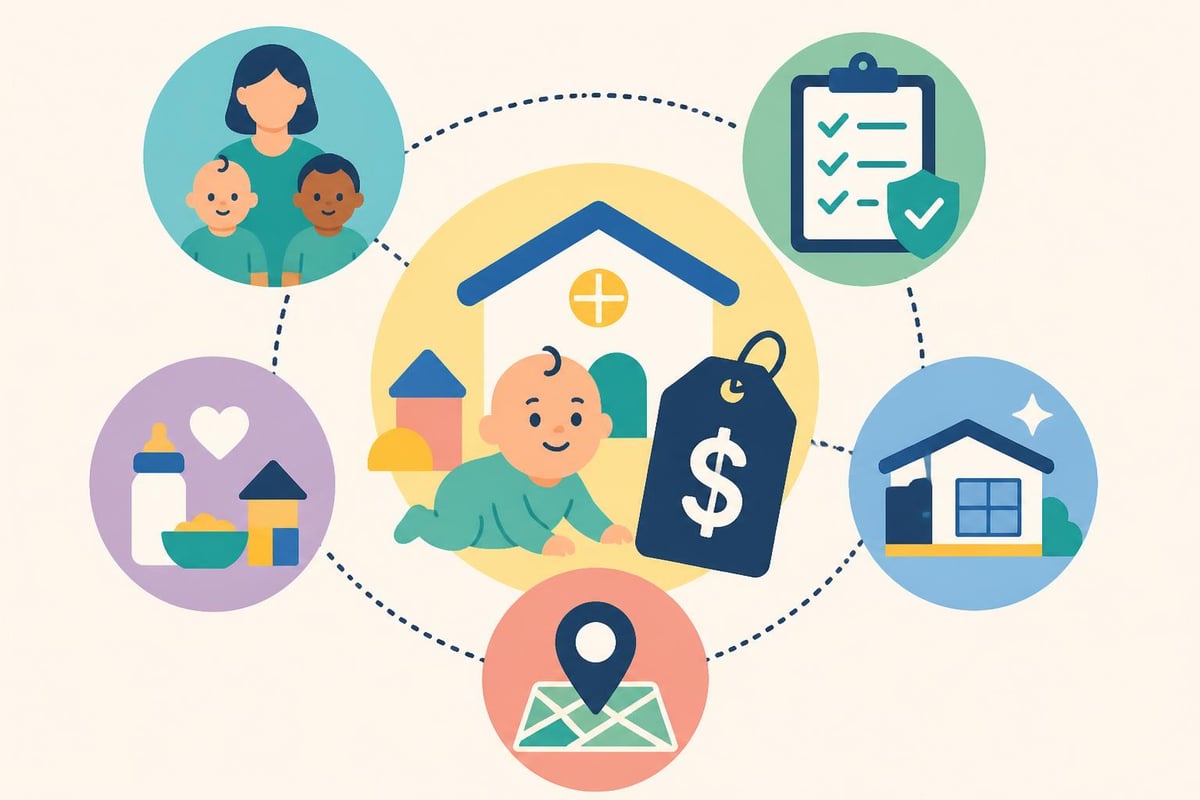
Understanding childcare costs helps you budget appropriately and assess value. The best daycares near me for infants vary significantly in pricing based on multiple factors.
Pricing Factors
Infant care typically costs more than care for older children due to lower ratios and specialized requirements.
Elements affecting cost:
- Geographic location and local market rates
- Facility type (center versus home-based)
- Hours of operation and schedule flexibility
- Included meals, diapers, and supplies
- Additional enrichment programs or services
Financial Assistance Options
Many families qualify for assistance programs helping offset childcare costs. Research available subsidies and tax benefits in your area.
Potential resources include:
- State childcare subsidy programs
- Employer-sponsored dependent care FSAs
- Federal child and dependent care tax credits
- Sliding fee scales at some facilities
- Military or employer childcare assistance
| Cost Component | Average Range | What's Included |
|---|---|---|
| Monthly Tuition | $800-$2,000 | Basic care and supervision |
| Supply Fees | $25-$100 | Wipes, diapers, art supplies |
| Registration | $50-$300 | One-time enrollment processing |
| Additional Services | $50-$200 | Meals, enrichment activities |
Visiting and Evaluating Facilities
No amount of research replaces in-person facility visits. Pampers provides a comprehensive guide on choosing daycare for infants, including tips for facility visits that help you assess whether a program meets your standards.
What to Observe During Tours
Schedule visits during active care hours to see programs in action. Pay attention to both physical environments and caregiver-infant interactions.
Key observations:
- How caregivers respond to crying or fussy babies
- Cleanliness of diapering areas and food preparation spaces
- Organization and appropriateness of toys and materials
- General atmosphere and noise levels
- Caregiver-to-child interactions and engagement
Questions to Ask
Prepare a list of specific questions addressing your priorities and concerns. Don't hesitate to ask detailed questions about policies and practices.
Critical questions include:
- What is your current infant-to-caregiver ratio?
- How do you handle separation anxiety and transitions?
- What is your sick child policy?
- How do you communicate emergencies to parents?
- What is your staff training and qualification process?
- Can I see a sample daily schedule?
- What is your approach to discipline and guidance?
- How long have your current infant caregivers worked here?
Making Your Final Decision
After researching options and visiting facilities, Step by Step Care’s approach to infant care demonstrates how the right program combines professional expertise with genuine nurturing that supports your baby's unique needs.
Trust Your Instincts
While checklists and criteria provide valuable frameworks, your parental instincts matter. The best daycares near me for infants should feel right when you visit.
Consider how you feel about:
- The warmth and responsiveness of caregivers
- Whether the environment feels calm and nurturing
- Your comfort level with policies and procedures
- The overall atmosphere and energy of the space
Trial Periods and Transitions
Many programs offer trial days or gradual transition schedules helping infants adjust to new environments. Take advantage of these opportunities to ensure good fit before committing long-term.
Successful transition strategies:
- Start with short visits while you stay nearby
- Gradually extend time as your baby adjusts
- Maintain consistent drop-off routines
- Bring familiar comfort items from home
- Communicate regularly with caregivers about adjustment
Ongoing Evaluation
Finding quality care doesn't end with enrollment. Continue assessing whether the program meets your evolving needs as your infant grows and develops. Care.com offers expert tips on identifying quality daycare centers, highlighting the importance of ongoing evaluation to ensure continued fit.
Regular check-ins should address:
- Your baby's happiness and developmental progress
- Quality of daily communication with caregivers
- Consistency with your parenting values
- Response to any concerns you raise
- Overall satisfaction with the partnership
Choosing quality infant care requires thorough research, careful evaluation, and trust in your parental instincts. The best programs prioritize safety, employ qualified caregivers, and create nurturing environments supporting your baby's development. If you're seeking personalized, home-based care that treats your infant like family, Step by Step Care offers the experienced, attentive environment where your baby can thrive while you work with confidence.


