

Daycare Springfield VA: Complete Parent’s Guide 2026
Finding the right childcare solution in Northern Virginia can feel overwhelming for parents, especially when you're balancing work schedules, budget constraints, and your child's developmental needs. Springfield, Virginia offers a diverse range of childcare options, from large commercial centers to intimate home-based programs. Understanding what makes quality daycare springfield va options stand out will help you make an informed decision that supports your family's unique situation and your child's growth.
Understanding Springfield's Childcare Landscape
Springfield sits in a unique position within Fairfax County, offering families the benefits of suburban living with proximity to Washington, D.C. employment centers. This creates specific childcare needs that local providers work to address.
The community's demographics have shifted over recent years, with more dual-income families seeking flexible, reliable childcare arrangements. According to Virginia's state guidelines, all licensed childcare facilities must meet specific safety and educational standards, but the quality and approach can vary significantly between providers.
Types of Daycare Options Available
Parents searching for daycare springfield va solutions will encounter several distinct categories:
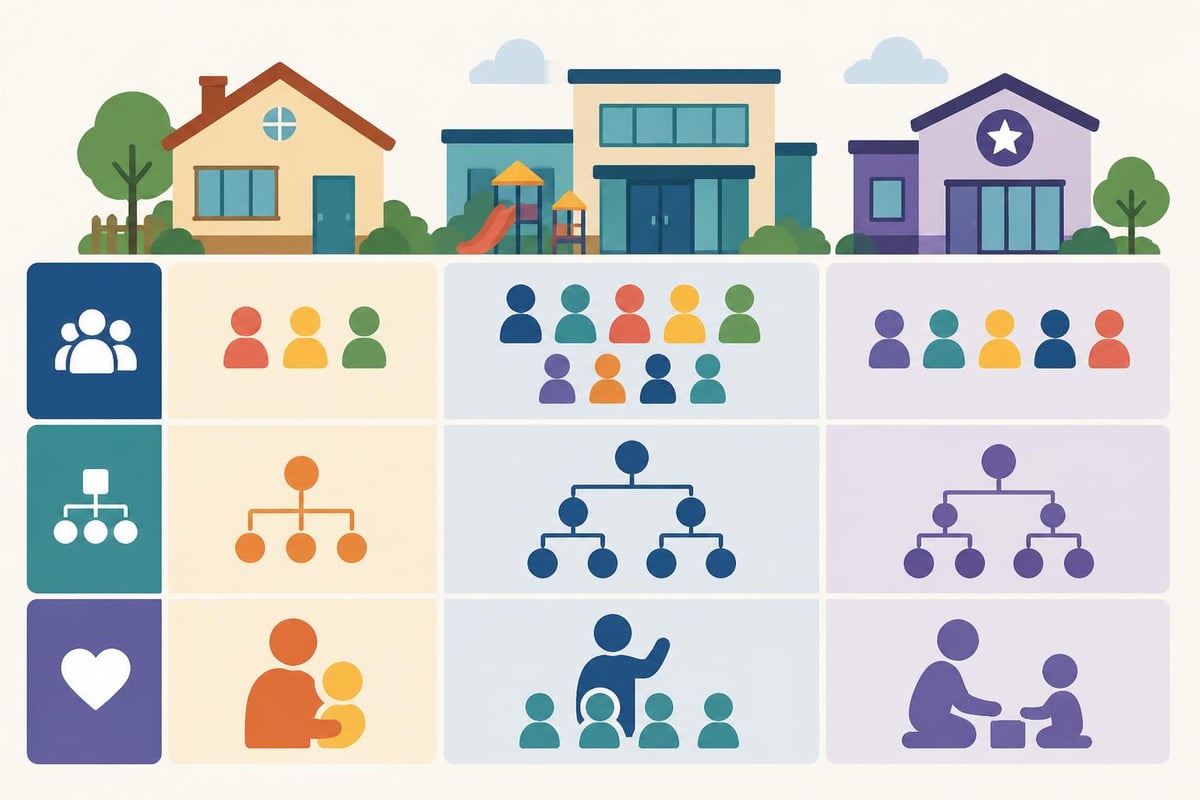
- Home-based childcare programs that operate from residential settings with smaller group sizes
- Commercial daycare centers housed in dedicated facilities with multiple classrooms
- Preschool programs focusing primarily on educational preparation for kindergarten
- Faith-based programs that integrate religious values into daily activities
- Montessori and specialized approaches emphasizing particular educational philosophies
Each type offers different advantages depending on your child's personality, your schedule requirements, and your educational priorities. Home-based programs often provide more personalized attention and flexible hours, while larger centers may offer more structured curricula and age-specific classrooms.
What to Look for in Quality Childcare
Choosing a daycare springfield va provider requires careful evaluation of multiple factors that contribute to your child's safety, development, and happiness.
Licensing and Credentials
Virginia maintains strict licensing requirements for all childcare facilities. When evaluating potential providers, verify that they hold current licensing through the Virginia childcare resource system, which provides comprehensive information about regulatory compliance.
Key credentials to verify include:
- Current state licensing documentation displayed prominently
- Background checks completed for all staff members
- First aid and CPR certifications for caregivers
- Ongoing professional development participation
- Health and safety inspection records
Beyond basic licensing, look for providers who exceed minimum requirements. Quality programs often pursue voluntary accreditation through organizations that set higher standards for educational content, teacher qualifications, and facility conditions.
Staff Qualifications and Ratios
The people caring for your child matter more than any other factor. When visiting potential daycare options, pay close attention to how caregivers interact with children.
| Age Group | Recommended Ratio | Maximum Group Size |
|---|---|---|
| Infants (0-12 months) | 1:4 | 8 children |
| Toddlers (12-24 months) | 1:5 | 10 children |
| Two-year-olds | 1:6 | 12 children |
| Preschool (3-4 years) | 1:10 | 20 children |
| School-age (5+ years) | 1:12 | 24 children |
Teacher turnover rates also provide valuable insight. Programs with stable, long-term staff typically indicate better working conditions and more experienced caregivers who understand child development.
Home-Based Daycare Advantages
For many Springfield families, home-based childcare represents an ideal balance between personalized care and professional service. These programs operate from residential settings, typically caring for smaller groups of children across various ages.
The Benefits of Smaller Settings
Home daycares naturally create a family-like atmosphere that can ease separation anxiety, particularly for younger children. The mixed-age groupings common in home settings allow younger children to learn from older peers while giving older children opportunities to develop leadership and nurturing skills.
Parents often appreciate the flexibility that home-based providers can offer. Many accommodate non-traditional work schedules, provide care during school breaks, and adjust to individual family needs more readily than institutional centers.
Continuity of Care
Children attending home daycares often form strong, lasting relationships with their caregivers. This consistency supports emotional development and creates a secure base from which children can explore and learn. At Step by Step Care, the focus on maintaining stable caregiver relationships helps children build trust and confidence.
When children remain with the same caregiver across multiple years, providers gain deep understanding of each child's temperament, learning style, and developmental progress. This knowledge enables truly individualized care that responds to each child's emerging needs.

Curriculum and Daily Activities
Quality daycare springfield va programs balance structured learning with free play, recognizing that young children learn best through hands-on exploration and social interaction.
Developmentally Appropriate Practices
The best early childhood programs align activities with developmental stages rather than pushing academic skills prematurely. For infants, this means responsive caregiving that supports attachment and sensory exploration. Toddlers benefit from language-rich environments with opportunities for physical activity and basic problem-solving.
Preschool-age children need:
- Pre-literacy activities including storytelling, alphabet exposure, and phonemic awareness
- Math foundations through counting, sorting, patterns, and spatial reasoning
- Scientific thinking encouraged through nature exploration and simple experiments
- Creative expression via art, music, dramatic play, and construction
- Social-emotional learning addressing cooperation, empathy, and self-regulation
Daily Structure and Flexibility
Effective programs maintain predictable routines that help children feel secure while allowing flexibility to follow children's interests and energy levels. A typical day might include circle time, outdoor play, creative activities, meals, rest periods, and free choice time.
Ask potential providers to walk you through a typical day and explain how they balance child-led and teacher-directed activities. Quality programs articulate clear educational goals while respecting children's need for autonomy and play.
Cost Considerations and Financial Planning
Childcare represents one of the largest expenses for families with young children. Understanding the costs associated with daycare springfield va options helps families budget appropriately and explore available assistance.
Average Costs in the Springfield Area
Springfield's proximity to Washington, D.C. influences childcare pricing, though costs generally remain lower than in the immediate metro area.
| Care Type | Infant Care (Monthly) | Toddler Care (Monthly) | Preschool (Monthly) |
|---|---|---|---|
| Home Daycare | $1,200-$1,600 | $1,100-$1,500 | $1,000-$1,400 |
| Commercial Center | $1,600-$2,200 | $1,400-$1,900 | $1,200-$1,700 |
| Part-time Programs | $800-$1,200 | $750-$1,100 | $700-$1,000 |
These ranges reflect typical 2026 pricing but can vary based on hours, curriculum specialization, and included services. Many programs offer sibling discounts, making care more affordable for families with multiple children.
Financial Assistance Options
Virginia families may qualify for various forms of childcare assistance. The Virginia Childcare Subsidy Program helps eligible families afford quality care while parents work or attend school. Additionally, many employers offer flexible spending accounts or dependent care assistance programs that provide tax advantages for childcare expenses.
Don't hesitate to discuss payment plans or sliding scale options with potential providers. Some home-based programs offer more flexibility in payment arrangements than larger commercial operations.
Health, Safety, and Communication
Parents entrusting their children to daycare providers need confidence in safety protocols and ongoing communication systems.
Safety Protocols to Verify
During facility tours, observe physical safety features including:
- Secure entry systems preventing unauthorized access
- Age-appropriate furniture and equipment in good repair
- Proper storage of cleaning supplies and medications
- Clear emergency evacuation plans posted visibly
- Adequate supervision sight lines throughout play areas
Ask about illness policies, medication administration procedures, and accident reporting systems. Quality providers maintain detailed documentation and communicate promptly about any incidents.
Parent Communication Systems
Strong partnerships between parents and caregivers benefit children's development and wellbeing. Modern daycare springfield va programs often use digital communication tools to share daily updates, photos, and developmental observations.
However, technology should complement rather than replace face-to-face conversations. The best programs create opportunities for meaningful dialogue about your child's experiences, friendships, and growth.

Making Your Decision
After researching options and touring facilities, synthesizing the information to make a final choice requires trusting both your observations and your instincts.
The Visitation Process
Schedule visits during normal operating hours when you can observe typical activities. Notice how caregivers interact with children during transitions, conflicts, and routine tasks. Do staff members get down to children's eye level? Do they use positive guidance strategies? Are children engaged and happy?
Pay attention to the environment's sensory qualities. Excessive noise, chaotic transitions, or institutional smells may indicate stress on children or inadequate staffing. Quality programs feel calm yet energetic, clean without being sterile.
Questions to Ask Providers
Prepare a list of questions addressing your priorities:
- How do you handle discipline and challenging behaviors?
- What is your communication frequency with parents?
- How do you support children with different learning styles or developmental paces?
- What outdoor time and physical activity do children receive daily?
- How are meals and snacks handled, and can you accommodate dietary restrictions?
- What happens if my child becomes ill during the day?
The answers matter, but equally important is whether the provider listens carefully to your questions and responds thoughtfully. You're seeking a partner who respects your role as your child's primary educator and advocate.
Transition and Adjustment Strategies
Starting daycare represents a significant transition for both children and parents. Planning for this adjustment period increases the likelihood of a smooth beginning.
Preparing Your Child
Children benefit from age-appropriate preparation before starting childcare. Talk positively about the upcoming change, read books about starting school, and visit the facility multiple times before the first day. Some programs allow gradual transitions, starting with short visits that progressively lengthen.
Maintain consistent goodbye routines rather than sneaking away, which can increase anxiety. Most children adjust within two to three weeks, though the timeline varies based on temperament and previous separation experiences.
Supporting the Transition
Stay in close communication with your provider during the first weeks. Share information about your child's home routines, comfort objects, and unique characteristics. This partnership helps caregivers respond effectively to your child's needs while building trust.
Expect some regression in behaviors like sleep, eating, or toileting as children adapt to new routines. These temporary setbacks typically resolve as children gain comfort in their new environment.
Special Needs and Inclusive Care
Families of children with developmental delays, disabilities, or special healthcare needs require providers with appropriate training, resources, and commitment to inclusion.
Finding Inclusive Programs
When evaluating daycare springfield va options for a child with special needs, inquire about:
- Experience serving children with similar needs
- Willingness to collaborate with therapists and specialists
- Physical accessibility of the facility
- Staff training in adaptive strategies and inclusive practices
- Flexibility in daily routines and expectations
Quality inclusive programs view diversity as an asset that enriches all children's experiences. They make necessary accommodations while maintaining high expectations for every child's growth and participation.
The Virginia childcare resources provide additional guidance for families seeking inclusive childcare options that support children's individual needs.
Local Resources and Community Support
Springfield families have access to numerous resources supporting childcare decisions and parenting challenges. Local parent groups, both online and in-person, offer valuable recommendations and support from families with direct experience with area providers.
Fairfax County operates Family Services centers providing information about childcare options, developmental screenings, and parent education programs. These free resources help families navigate early childhood decisions with confidence.
The Springfield community also offers enrichment opportunities through recreation centers, libraries, and cultural organizations. Many families supplement daycare with activities like swimming lessons, music classes, or sports programs that support well-rounded development.
Red Flags to Watch For
While most childcare providers operate with genuine care for children, certain warning signs should prompt immediate concern:
- Evasiveness about licensing status or unwillingness to provide references
- Resistance to surprise visits or observation during operating hours
- High staff turnover with frequent changes in caregivers
- Unclear policies regarding discipline, health, or safety procedures
- Poor communication or defensiveness about children's daily experiences
Trust your instincts if something feels wrong. Your comfort level with a provider significantly impacts your ability to focus on work and other responsibilities while your child is in care.
The Role of Home Daycare in Modern Families
As work patterns evolve and families seek more personalized childcare solutions, home-based programs continue offering valuable alternatives to institutional care. The intimate settings, flexible approaches, and family-like atmospheres align well with many parents' values and children's needs.
Home providers often maintain smaller ratios than required by licensing, providing exceptional individual attention. The residential setting allows for more natural daily rhythms, home-cooked meals, and seamless integration of various age groups.
For families seeking this type of environment, exploring Step by Step Care’s approach demonstrates how professional home-based care combines the warmth of family settings with structured early learning experiences.
Choosing the right childcare arrangement ranks among the most important decisions parents make, directly influencing their child's development, their own peace of mind, and their family's daily functioning. By thoroughly researching daycare springfield va options, visiting facilities, asking thoughtful questions, and trusting your parental instincts, you can find a situation that truly supports your child's growth and your family's needs. Whether you choose a large center or an intimate home setting, quality care comes from committed professionals who see the enormous privilege and responsibility of nurturing young children. Step by Step Care understands these priorities and works closely with Springfield families to provide the personalized, developmental care that helps children thrive during their crucial early years.


