

Daycare Home Provider: Essential Guide for 2026
Becoming a daycare home provider offers a rewarding opportunity to shape young lives while building a meaningful business from your home. As families increasingly seek personalized, nurturing environments for their children, home-based childcare continues growing in popularity. This comprehensive guide explores everything you need to know about operating as a professional daycare home provider, from meeting regulatory requirements to creating enriching learning experiences that set children up for success.
Understanding the Role of a Daycare Home Provider
A daycare home provider creates a safe, educational environment within a residential setting where children receive individualized attention and care. Unlike larger childcare centers, home providers typically serve smaller groups, allowing for more personalized interactions and family-like atmospheres.
Core Responsibilities and Daily Operations
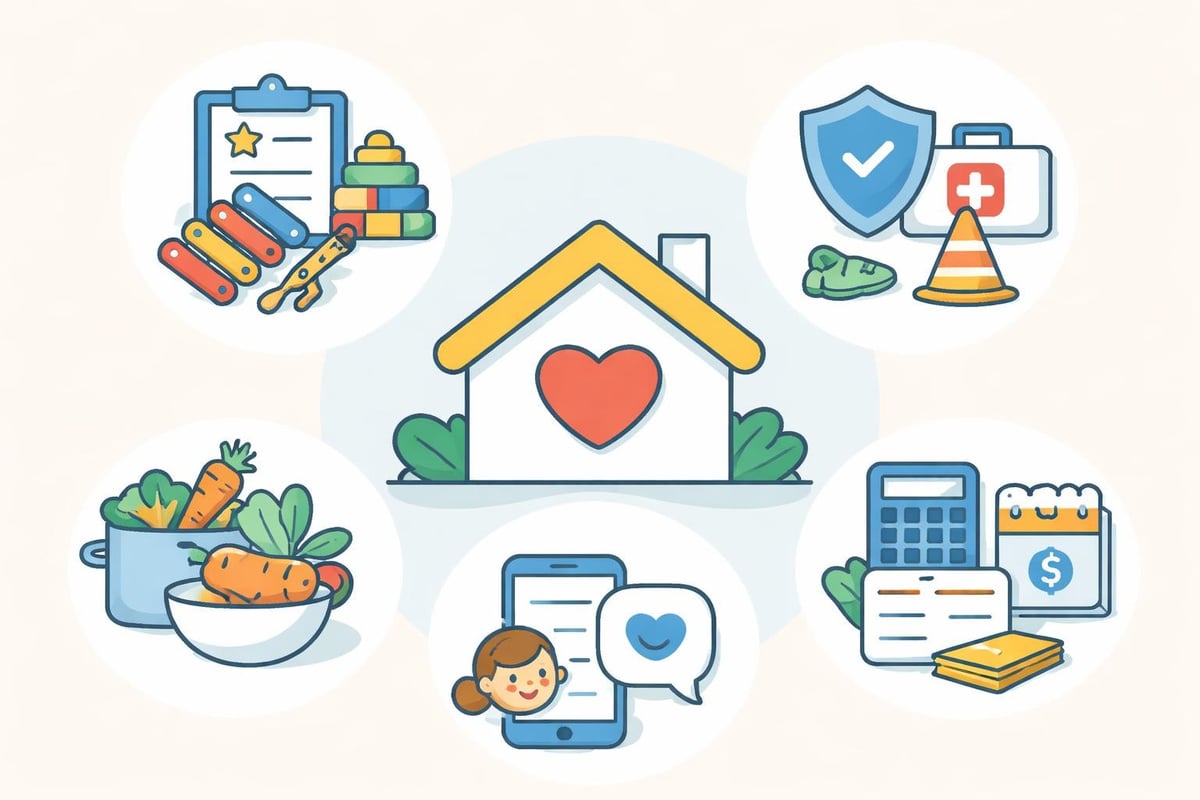
The daily responsibilities of a successful daycare home provider extend far beyond basic supervision. Providers design age-appropriate activities, prepare nutritious meals, maintain detailed records, and communicate regularly with parents about their children's progress and development.
Key daily tasks include:
- Planning and implementing educational activities aligned with developmental milestones
- Maintaining a clean, safe environment that meets health and safety standards
- Documenting attendance, incidents, and developmental observations
- Preparing meals and snacks that meet nutritional guidelines
- Managing business operations including billing and record-keeping
Understanding what is an in-home daycare licensing and requirements ensures you start your business on solid legal footing. Every daycare home provider must balance caregiving excellence with business management skills to create a sustainable operation.
Licensing and Regulatory Compliance
Operating legally as a daycare home provider requires understanding and following state-specific regulations that govern home-based childcare. These regulations protect children's safety while establishing professional standards for providers.
State-Specific Requirements
Each state maintains unique licensing requirements for home daycare operations. For example, New York State’s in-home daycare regulations outline specific safety standards, required training, and supervision ratios that providers must follow. Similarly, Pennsylvania’s child care regulations provide comprehensive guidelines for facility standards and operational procedures.
| Regulatory Area | Typical Requirements | Verification Method |
|---|---|---|
| Background Checks | Criminal history, child abuse clearances | State databases |
| Training | CPR, First Aid, Child Development | Certification programs |
| Home Inspections | Safety hazards, space requirements | Annual state visits |
| Capacity Limits | Based on square footage and age groups | License specification |
| Record Keeping | Attendance, immunizations, emergency contacts | Regular audits |
Essential Documentation
Every daycare home provider must maintain comprehensive documentation to demonstrate compliance and provide quality care. Required documents typically include child enrollment forms, emergency contact information, medical records, daily attendance logs, and incident reports.
Professional providers also keep detailed developmental observations, parent communication logs, and business financial records. This documentation protects both the provider and families while creating transparency in care quality.
Creating a Safe and Engaging Environment
The physical environment shapes every aspect of children's experiences in home daycare. Successful providers transform their homes into spaces that balance safety requirements with opportunities for exploration and learning.
Safety Standards and Home Modifications
A daycare home provider must implement multiple safety measures throughout their space. These modifications include installing safety gates at stairways, securing furniture to walls, covering electrical outlets, and ensuring all cleaning products and medications remain locked away from children's reach.
Essential safety modifications:
- Window guards and cord safety devices
- Smoke detectors and carbon monoxide alarms on every level
- Secured cabinets for hazardous materials
- Slip-resistant surfaces in high-traffic areas
- Age-appropriate toys without choking hazards
- Fenced outdoor play areas with safe equipment
Understanding the signs of a quality family home daycare helps providers benchmark their environments against industry standards. Creating dedicated spaces for different activities-from quiet reading corners to active play zones-supports children's varied developmental needs throughout the day.
Developing Age-Appropriate Curriculum
Educational programming distinguishes professional daycare home providers from basic babysitting services. A structured curriculum supports cognitive, physical, social, and emotional development through intentionally planned activities.
Implementing Developmental Activities
Effective providers design daily schedules that balance structured learning with free play. Activities should align with children's developmental stages while accommodating individual learning styles and interests. For insights on structuring your day, explore resources about creating an effective daycare daily schedule.
| Age Group | Focus Areas | Sample Activities |
|---|---|---|
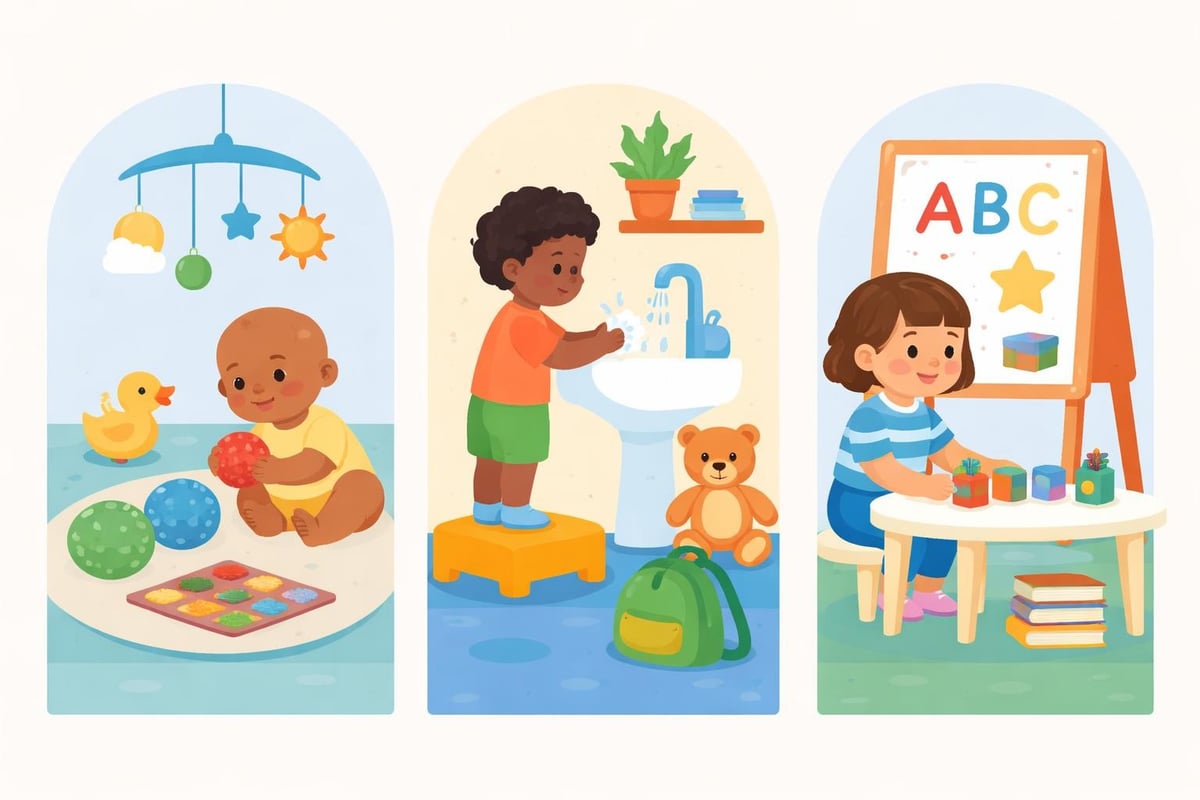
| Infants (0-12 months) | Sensory exploration, motor skills | Tummy time, texture boards, music |
| Toddlers (1-3 years) | Language, independence, gross motor | Story time, art projects, outdoor play |
| Preschool (3-5 years) | Pre-literacy, social skills, problem-solving | Letter recognition, cooperative games, science experiments |
Incorporating Educational Philosophies
Many successful providers incorporate established educational approaches like Montessori, Reggio Emilia, or play-based learning into their programs. These philosophies provide frameworks for creating meaningful learning experiences that respect children's natural curiosity and developmental timelines.
The daycare home provider who integrates intentional educational practices creates value that extends beyond childcare convenience. Parents increasingly seek providers who can demonstrate how daily activities support school readiness and lifelong learning skills.
Building Strong Parent Partnerships
Successful home childcare businesses thrive on positive parent relationships built through consistent communication and mutual respect. Parents entrust providers with their most precious assets, making trust and transparency essential.
Communication Strategies
Effective daycare home providers establish regular communication rhythms that keep parents informed and involved. Daily reports-whether through apps, notebooks, or verbal updates-share highlights from the day, meals eaten, nap times, and developmental observations.
Communication best practices include:
- Daily check-ins during drop-off and pick-up times
- Weekly newsletters highlighting planned activities and learning themes
- Monthly parent conferences to discuss developmental progress
- Open-door policies welcoming parent visits and involvement
- Prompt responses to parent questions and concerns
Building these partnerships requires professionalism and empathy. Understanding that parents may experience anxiety leaving their children helps providers create reassuring environments that support family needs. In-home childcare settings naturally facilitate closer relationships between providers and families compared to larger centers.
Business Management and Marketing
Operating as a daycare home provider requires strong business acumen alongside childcare expertise. Successful providers master enrollment management, financial planning, and marketing strategies that keep their programs full.
Setting Competitive Rates
Pricing strategies must balance covering operational costs, compensating for professional expertise, and remaining competitive within local markets. Research local rates, calculate expenses including food, supplies, insurance, and your time, then set prices that reflect the quality care you provide.
Consider offering flexible payment options, sibling discounts, or part-time enrollment to attract diverse families. Transparent pricing structures and clear policies regarding late fees, sick days, and holidays prevent misunderstandings.
Marketing Your Services
The modern daycare home provider leverages multiple marketing channels to reach prospective families. Building an online presence through a professional website, social media profiles, and local directory listings increases visibility.
| Marketing Channel | Benefits | Implementation Tips |
|---|---|---|
| Website | 24/7 information access | Include photos, policies, testimonials |
| Social Media | Community building, regular updates | Share daily activities, learning moments |
| Local Directories | Target searching families | Complete profiles on care.com, local sites |
| Referrals | High-quality leads | Incentivize current families to refer |
| Community Partnerships | Credibility building | Connect with pediatricians, preschools |
Discover how to start an in-home daycare for detailed guidance on launching your business successfully. Professional providers also maintain active relationships with community organizations and attend local events to build visibility.
Health, Safety, and Emergency Preparedness
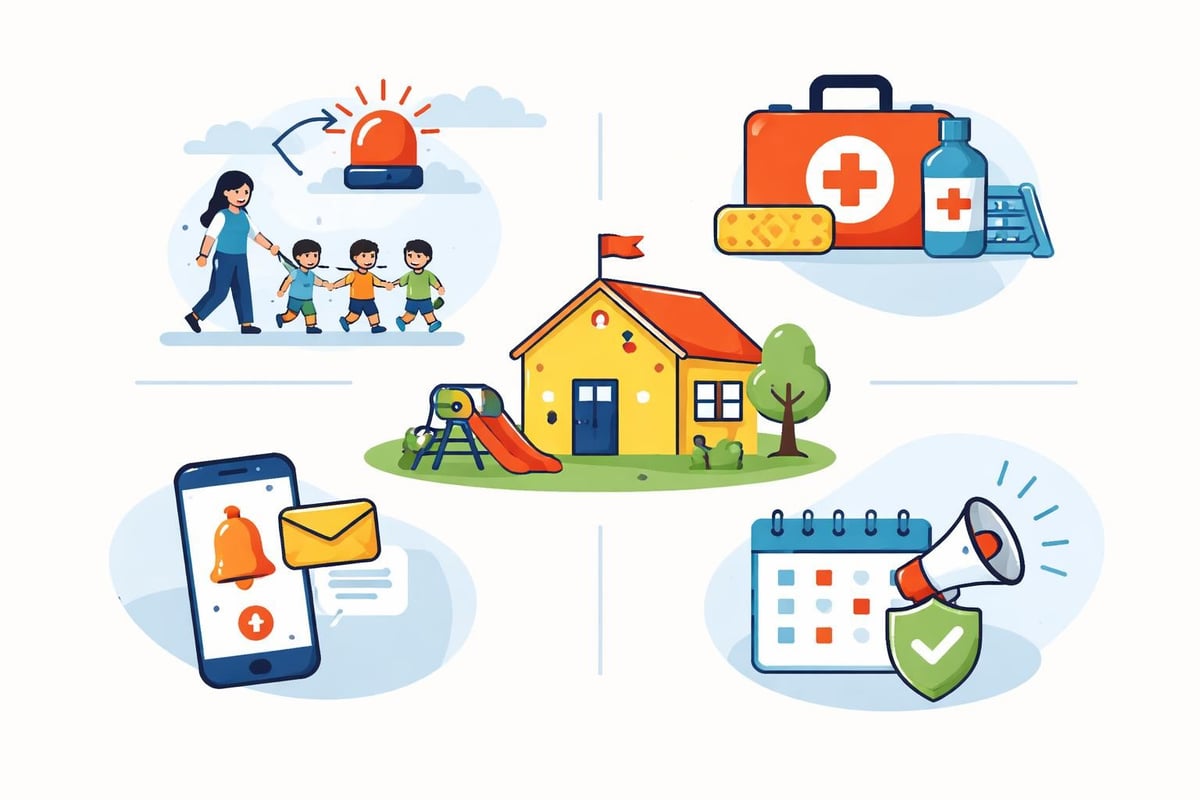
Proactive health and safety protocols distinguish professional providers from casual caregivers. Every daycare home provider must prepare for emergencies while maintaining daily health standards that protect all children.
Illness Policies and Health Management
Clear illness policies protect all children in care while supporting families during challenging times. Establish specific criteria for when children should stay home, including fever thresholds, contagious conditions, and symptom management guidelines.
Essential health protocols:
- Daily health checks upon arrival
- Handwashing routines before meals and after bathroom use
- Sanitization schedules for toys and surfaces
- Medication administration procedures with written authorization
- Exclusion policies for communicable diseases
Maintaining detailed health records, including immunization documentation and emergency medical information, ensures quick response capabilities during emergencies. Professional providers also carry liability insurance and maintain current CPR and First Aid certifications.
Professional Development and Growth
Committed daycare home providers invest in continuous learning that enhances care quality and maintains professional credentials. The field of early childhood education constantly evolves with new research on child development, educational approaches, and best practices.
Training and Continuing Education
Most states require ongoing professional development hours for licensed providers. Beyond minimum requirements, pursuing additional certifications demonstrates commitment to excellence and can justify premium pricing.
Valuable professional development areas:
- Advanced child development courses
- Special needs inclusion training
- Behavioral management strategies
- Nutrition and meal planning certification
- Business management workshops
Joining professional organizations like the National Association for Family Child Care provides networking opportunities, resources, and advocacy support. These connections help providers stay informed about regulatory changes and industry trends.
Understanding qualifications for early childhood education helps providers identify meaningful credentials that enhance their expertise and marketability.
Managing Challenges and Maintaining Sustainability
Every daycare home provider faces unique challenges balancing business demands with quality caregiving. Addressing these obstacles proactively supports long-term success and personal well-being.
Work-Life Balance Considerations
Operating a business from home blurs boundaries between professional and personal life. Successful providers establish clear policies about operating hours, maintain separate business and personal spaces when possible, and schedule regular breaks and time off.
The isolation of solo caregiving can impact provider wellness. Building peer networks through local provider groups, online communities, and professional organizations creates support systems for sharing challenges and celebrating successes.
Financial Sustainability
Maintaining full enrollment proves essential for financial stability. Strategic waitlist management, retention-focused relationship building, and diversified marketing efforts help minimize vacancy periods that impact income.
| Financial Challenge | Solution Strategy |
|---|---|
| Seasonal enrollment fluctuations | Year-round enrollment commitments, deposit systems |
| Unexpected expenses | Emergency fund equal to 3-6 months operating costs |
| Income gaps during vacations | Annual fees distributed across 12 months |
| Equipment replacement | Dedicated equipment replacement budget |
Smart daycare home providers also explore additional revenue streams like offering drop-in care, weekend services, or specialized programming that commands premium rates.
Quality Indicators and Excellence Standards
Parents seeking quality care look for specific indicators that distinguish exceptional providers from adequate ones. Understanding these benchmarks helps providers continuously improve their offerings.
Characteristics of Quality Care
Research consistently identifies key factors that define quality childcare environments. These include low child-to-provider ratios, trained caregivers with child development knowledge, safe physical environments, and intentional educational programming.
When evaluating how to find the best daycare, parents should observe provider interactions with children, cleanliness standards, available learning materials, and communication practices. Providers who embrace these evaluation criteria and welcome parent scrutiny demonstrate confidence in their program quality.
Exploring the pros and cons of in-home daycare helps both providers and families understand this care model's unique benefits and limitations. Acknowledging these trade-offs allows providers to maximize strengths while addressing potential weaknesses.
Pursuing Accreditation
Quality rating and improvement systems (QRIS) provide voluntary frameworks for providers seeking recognition beyond basic licensing. These systems evaluate programs across multiple quality dimensions and offer financial incentives and professional development support.
National accreditation through organizations like the National Association for Family Child Care represents the highest quality standard for daycare home providers. Though demanding, this credential signals exceptional commitment to professional excellence and can significantly differentiate your program in competitive markets.
Technology Integration and Modern Practices
Today's daycare home provider increasingly leverages technology to streamline operations, enhance communication, and improve care quality. Strategic technology adoption supports efficiency without replacing the personal touch that defines quality home childcare.
Childcare Management Software
Specialized platforms help providers manage enrollment, billing, attendance tracking, and parent communication through centralized systems. These tools reduce administrative burden while creating professional impressions that build parent confidence.
Useful technology tools:
- Parent communication apps with photo sharing and daily reports
- Digital attendance and payment tracking systems
- Curriculum planning and assessment platforms
- Online enrollment and registration systems
- Security cameras providing parent access and documentation
Balance technology use with hands-on engagement. Technology should enhance rather than replace personal interactions that make home childcare special. Learn more about quality in-home childcare approaches that maintain the warmth families seek.
Nutrition and Meal Planning
Providing nutritious meals represents both a regulatory requirement and an opportunity to support healthy development. Thoughtful meal planning demonstrates professionalism while addressing diverse dietary needs and preferences.
Meeting Nutritional Guidelines
Most states require licensed providers to follow USDA meal pattern guidelines that specify serving sizes and food groups for different age ranges. These standards ensure children receive balanced nutrition supporting growth and development.
Successful providers plan weekly menus in advance, accommodate food allergies and cultural preferences, and involve children in meal preparation when age-appropriate. Sharing menus with parents helps them plan complementary meals at home and demonstrates your commitment to nutrition.
Creating a welcoming mealtime environment where children sit together, practice self-feeding skills, and explore new foods supports both nutritional and social-emotional development. These daily routines contribute to the nurturing atmosphere that defines quality home childcare.
Operating as a daycare home provider combines professional childcare expertise with business management skills to create nurturing environments where children thrive. From understanding regulatory compliance and designing engaging curriculum to building parent partnerships and managing business sustainability, success requires dedication across multiple dimensions. If you're seeking quality home-based childcare that prioritizes individual attention and developmental growth, Step by Step Care provides the professional, nurturing environment families deserve.


