

Top Rated Daycares: What Makes Them Stand Out in 2026
Choosing the right childcare environment for your child represents one of the most important decisions you'll make as a parent. With thousands of childcare options available across the country, identifying truly exceptional programs requires understanding what separates top rated daycares from average facilities. The best programs combine rigorous safety standards, qualified educators, engaging curricula, and nurturing environments that support every aspect of child development. Whether you're researching home-based childcare or larger centers, knowing how to evaluate quality markers helps you make an informed choice.
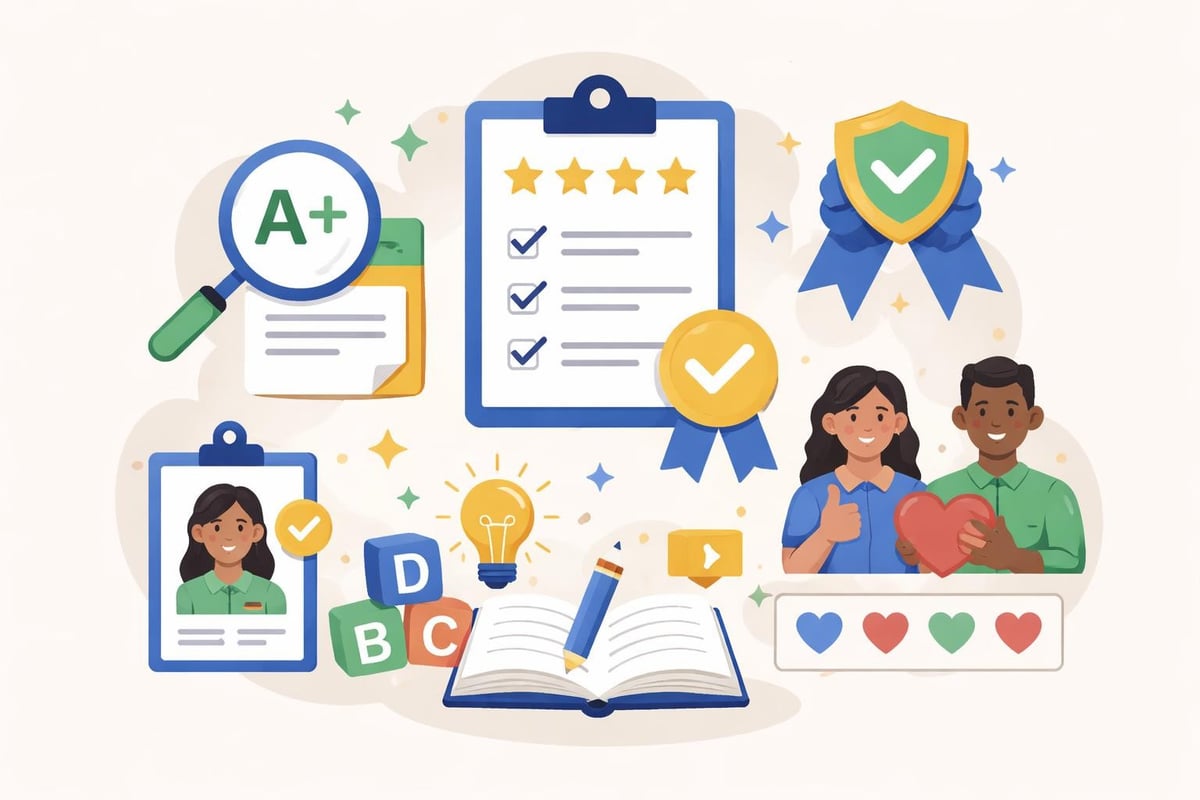
Understanding Daycare Rating Systems
Multiple organizations and agencies evaluate childcare programs using different methodologies. State licensing agencies conduct regular inspections that assess health, safety, staffing ratios, and regulatory compliance. These inspections generate scores that parents can access through resources like safety grades for daycares in New York, which rank facilities based on composite safety metrics.
Beyond state inspections, quality rating and improvement systems (QRIS) exist in most states, providing tiered ratings that measure programs against benchmarks exceeding basic licensing requirements. These systems typically evaluate:
- Staff qualifications and ongoing professional development
- Learning environment and curriculum quality
- Family engagement practices
- Administrative policies and record-keeping
- Ratio of caregivers to children
National accreditation from organizations like NAEYC (National Association for the Education of Young Children) represents another gold standard. Accredited programs undergo voluntary evaluation processes that examine every aspect of operation, from physical environment to curriculum implementation.
Parent Reviews and Community Feedback
While official ratings provide objective data, parent reviews offer invaluable insights into daily operations and family satisfaction. Platforms like CareLuLu aggregate parent feedback across more than 200,000 licensed programs nationwide, helping families identify top rated daycares through real experiences.
Parent testimonials reveal aspects that formal inspections might miss, such as communication responsiveness, flexibility during emergencies, and how well teachers know individual children. Reading multiple reviews helps identify consistent patterns, whether positive or concerning.
Key Characteristics of Top Rated Daycares
Exceptional childcare programs share specific qualities that elevate them above standard facilities. Recognizing these characteristics helps parents identify truly outstanding options.
Qualified and Stable Staff
The quality of caregivers directly impacts children's experiences and development. Top rated daycares prioritize hiring educators with relevant credentials, whether that's degrees in early childhood education, CDA (Child Development Associate) certification, or specialized training in infant and toddler care.
Equally important is staff retention. High turnover disrupts children's attachments and program continuity. The best programs invest in competitive compensation, professional development opportunities, and supportive work environments that keep talented educators engaged long-term.
| Staff Quality Indicator | What to Look For | Why It Matters |
|---|---|---|
| Educational Background | Degrees or certifications in ECE | Ensures developmentally appropriate practices |
| Experience Level | Multiple years working with children | Builds expertise in child behavior and learning |
| Ongoing Training | Regular workshops and conferences | Keeps staff current on best practices |
| Retention Rate | Low annual turnover | Provides consistency for children |
| Staff-to-Child Ratio | Exceeds state minimums | Allows more individualized attention |
Comprehensive Safety Protocols
Safety represents the foundation of quality childcare. Programs earning recognition as top rated daycares implement multiple layers of protection, from secure entry systems to rigorous health screening procedures. Parents researching options in specific areas can review detailed safety metrics, such as those available for daycares in Dallas or Houston facilities.
Outstanding programs conduct regular safety drills, maintain meticulously clean environments, and document thorough inspection records. They exceed minimum requirements for supervision, implement allergen management protocols, and maintain current CPR and first aid certifications for all staff members.
Curriculum and Developmental Approach
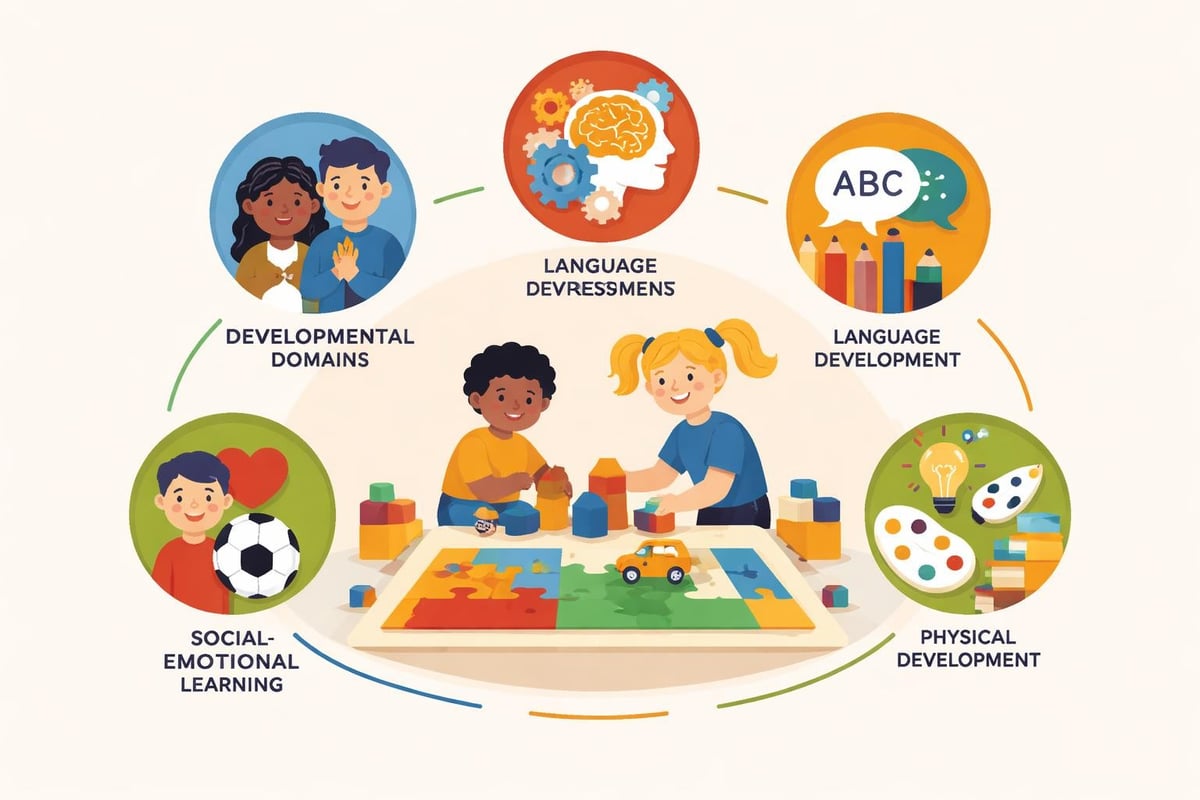
The best childcare programs view their role as educational, not merely supervisory. They implement structured curricula that support cognitive, physical, social, and emotional development through age-appropriate activities.
Play-Based Learning Frameworks
Top rated daycares recognize that play serves as the primary vehicle for young children's learning. Quality programs design environments with intentional learning centers covering literacy, mathematics, science, dramatic play, and creative arts. Educators facilitate rather than direct, asking open-ended questions and extending children's natural curiosity.
Effective programs balance child-initiated exploration with teacher-guided activities, ensuring children develop both independence and the ability to participate in group learning experiences. Daily schedules provide predictable routines while allowing flexibility to follow children's interests.
Individualized Attention and Assessment
Exceptional programs recognize that children develop at different paces and through varied pathways. They implement ongoing developmental assessments, documenting each child's progress across domains and using this information to individualize activities and support.
Regular communication with families about children's milestones, interests, and challenges creates partnerships that extend learning beyond program hours. Quality providers like those offering in-home childcare often excel at this personalized approach due to smaller group sizes.
Family Engagement and Communication
Outstanding childcare programs view parents as essential partners in children's development. They implement systematic communication practices that keep families informed and involved.
Daily Communication Systems
Top rated daycares utilize multiple channels to share information about children's days, from daily written reports to digital apps that share photos, meals, nap times, and activities. This transparency builds trust and helps parents feel connected even when physically apart from their children.
The best programs welcome spontaneous communication, responding promptly to parent questions and concerns. They maintain open-door policies that encourage family visits and participation in program activities.
Parent Education and Support
Quality programs extend their expertise to support families through workshops, resource libraries, and informal guidance on developmental stages and parenting strategies. They recognize that supporting parents strengthens children's overall development and family wellbeing.
Many exceptional providers organize family events, creating community among enrolled families and opportunities for children to share their classroom experiences with parents and siblings.
Evaluating Specific Programs in Your Area
Finding top rated daycares requires researching options specific to your location and needs. Start by identifying licensed programs in your area through state childcare resource and referral agencies.
Research Steps for Finding Quality Care
- Compile a list of licensed programs in your preferred geographic area
- Check state inspection reports and safety ratings through official databases
- Read parent reviews on platforms aggregating community feedback
- Review program websites for information about philosophy, curriculum, and staff
- Schedule tours at your top three to five choices
- Prepare questions covering safety, curriculum, communication, and policies
- Observe classrooms during active hours to see children and teachers in action
- Request references from current families at each program
- Compare costs and understand what's included in tuition
- Trust your instincts about environment and staff interactions
Resources like reviews of California childcare centers or lists of top-rated programs in the DMV area provide starting points for geographically specific research.
What to Observe During Tours
Physical visits reveal information that websites and ratings cannot convey. Pay attention to how staff interact with children during your tour. Do they get down to children's eye level? Do they speak respectfully and warmly? Are they engaged or distracted?
Observe the environment's organization and cleanliness. Quality programs maintain orderly, clean spaces while still showing evidence of active learning through children's displayed artwork and ongoing projects. Notice whether materials are accessible to children and whether the space feels inviting.
| Tour Observation Category | Positive Indicators | Red Flags |
|---|---|---|
| Staff-Child Interactions | Warm, responsive, individualized attention | Harsh tones, ignoring children, excessive TV |
| Physical Environment | Clean, organized, age-appropriate materials | Cluttered, unsafe, poorly maintained |
| Children's Engagement | Actively involved in activities | Many children wandering aimlessly |
| Communication | Detailed answers to questions, transparency | Vague responses, defensiveness |
| Safety Practices | Visible safety measures, secure entry | Unlocked doors, hazards present |
The Home-Based Childcare Advantage
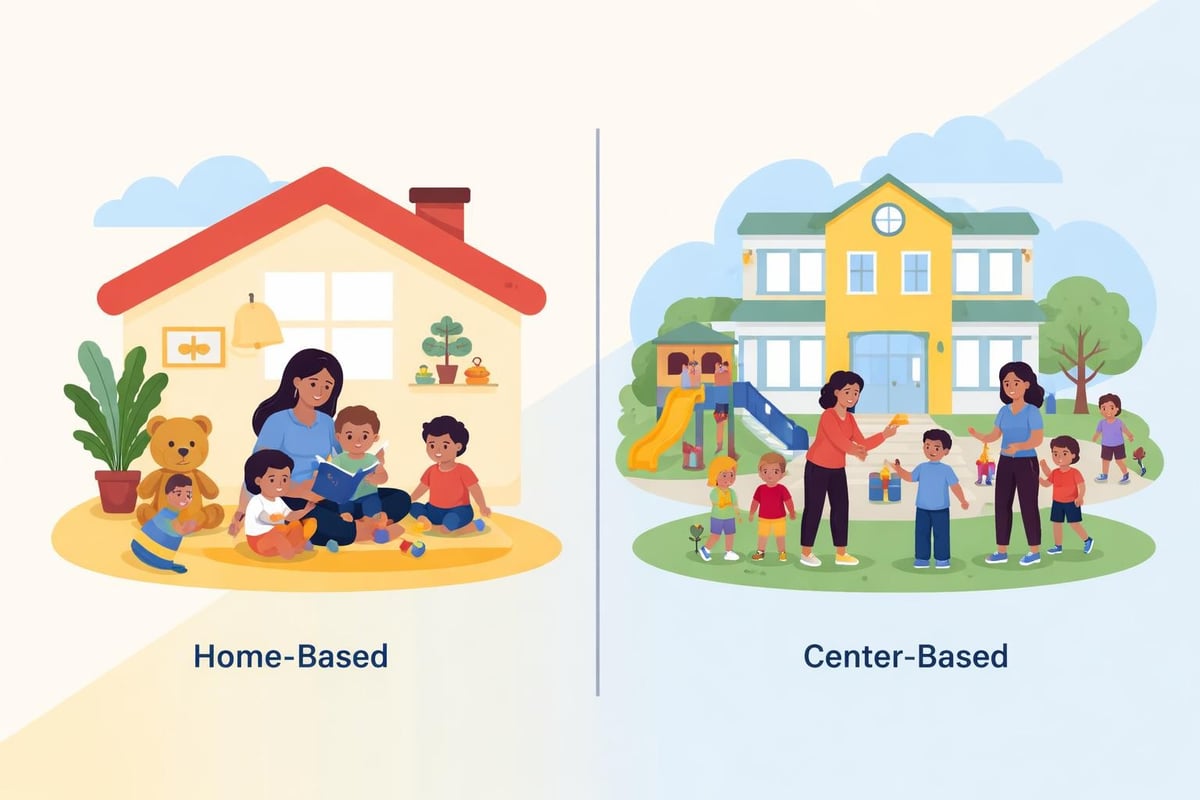
While researching top rated daycares, don't overlook high-quality home-based programs. These intimate settings offer distinct advantages, particularly for infants and young toddlers who thrive with consistent caregivers and homelike environments.
Licensed home childcare providers operate in residential settings with smaller groups, typically serving six to twelve children depending on state regulations. This structure allows for:
- Mixed-age groupings that mirror family structures and promote peer learning
- Flexible scheduling that accommodates varying family needs
- Consistent caregiving with typically one or two primary educators
- Homelike environments that feel comfortable and less institutional
- Individualized attention due to smaller ratios
Quality home-based programs maintain the same professional standards as centers, including structured curricula, developmental assessments, and safety protocols. Many providers pursuing excellence seek accreditation through specialized organizations that evaluate home-based care.
Families exploring this option should review services offered by home childcare providers and understand how these programs meet children's educational and developmental needs within an intimate setting.
Red Flags to Watch For
Identifying top rated daycares also requires recognizing warning signs of substandard care. Certain indicators should prompt serious reconsideration or elimination of a program from consideration.
Safety and Health Concerns
Never compromise on safety fundamentals. Programs with recent serious violations, patterns of non-compliance with regulations, or visible safety hazards do not deserve consideration regardless of other appealing features. Similarly, poor hygiene practices, including inadequate handwashing, unsanitary diapering procedures, or food safety issues, indicate fundamental quality problems.
Communication and Transparency Issues
Programs that seem secretive, defensive about questions, or unwilling to provide references raise legitimate concerns. Quality providers welcome parent involvement and questions, confident in their practices and outcomes. Reluctance to show certain areas, vague answers about curriculum or policies, or pressure to enroll immediately without adequate consideration time all suggest problems.
Staff Behavior and Program Philosophy
Observe carefully how staff speak about and interact with children. Dismissive comments about children's abilities, negative characterizations of behavior, or evident frustration with children's normal developmental behaviors indicate philosophical misalignment with best practices. Top rated daycares employ educators who genuinely enjoy children and view behaviors as communication and learning opportunities.
Cost Considerations and Value
Top rated daycares command premium pricing, reflecting their investments in qualified staff, quality materials, and safe environments. Understanding what drives costs helps parents evaluate whether pricing aligns with quality delivered.
High-quality programs compensate educators fairly, maintain low staff-to-child ratios, invest in ongoing training, purchase developmentally appropriate materials, and maintain facilities meticulously. These investments directly impact children's experiences and justify higher tuition rates.
However, cost alone doesn't guarantee quality. Evaluate what specific features and services justify pricing differences between programs. Compare included services, hours of operation, curriculum materials, meals, and additional offerings like music or language instruction.
Financial Assistance Options
Many families qualify for childcare subsidies through state programs, employer benefits, or federal tax credits. Top providers typically accept various payment sources and help families navigate financial assistance applications. Some employers offer dependent care flexible spending accounts that allow pre-tax payment of childcare expenses, effectively reducing costs.
Making Your Final Decision
After researching, touring, and evaluating options, trust the combination of objective data and subjective impressions to guide your decision. Top rated daycares demonstrate excellence across multiple dimensions: safety, staff quality, curriculum, environment, and family partnerships.
Consider creating a decision matrix that weights factors according to your family's priorities. Some families prioritize location and convenience, while others emphasize specific educational philosophies or staff credentials. There's no single "best" program universally; the ideal choice aligns with your child's needs and family values.
The Transition Process
Once you've selected a program, work closely with providers to ease your child's transition. Quality programs implement gradual enrollment processes, allowing children to visit before starting, begin with shorter days, and build toward full schedules. They assign primary caregivers who focus on building relationships with new children and their families.
Parents can support transitions by maintaining positive attitudes about the program, establishing consistent routines, and communicating openly with staff about their child's adjustment. Most children adapt within two to four weeks, though temperament and previous experiences influence individual timelines.
Ongoing Evaluation and Communication
Enrollment in top rated daycares marks the beginning, not the end, of active engagement in your child's care. Maintain regular communication with providers, attend parent conferences, and stay informed about your child's experiences and development.
Quality programs welcome ongoing dialogue and adjust approaches based on individual children's evolving needs. Parents should feel comfortable raising questions, sharing concerns, or requesting clarification about policies and practices. This partnership approach ensures children receive consistent support across home and program environments.
If concerns arise that staff don't address satisfactorily, parents should document issues and escalate through appropriate channels, whether that's program directors, licensing agencies, or in extreme cases, finding alternative care. Children's wellbeing always takes precedence over convenience or reluctance to make changes.
When researching childcare options, visiting the parent reviews section of prospective programs provides valuable insight into family experiences and satisfaction levels over time.
Identifying top rated daycares requires evaluating multiple quality indicators, from safety protocols and staff credentials to curriculum design and family engagement practices. The effort invested in thorough research pays dividends through your child's positive experiences and developmental progress in a nurturing, stimulating environment. Whether you choose a center-based program or home childcare setting, prioritizing quality ensures your child receives the foundation for lifelong learning and wellbeing. Step by Step Care understands the importance of these quality markers and incorporates them into every aspect of our program, creating an environment where children thrive through personalized attention and developmentally appropriate practices. Contact Step by Step Care today to learn how we provide the excellence your family deserves.


